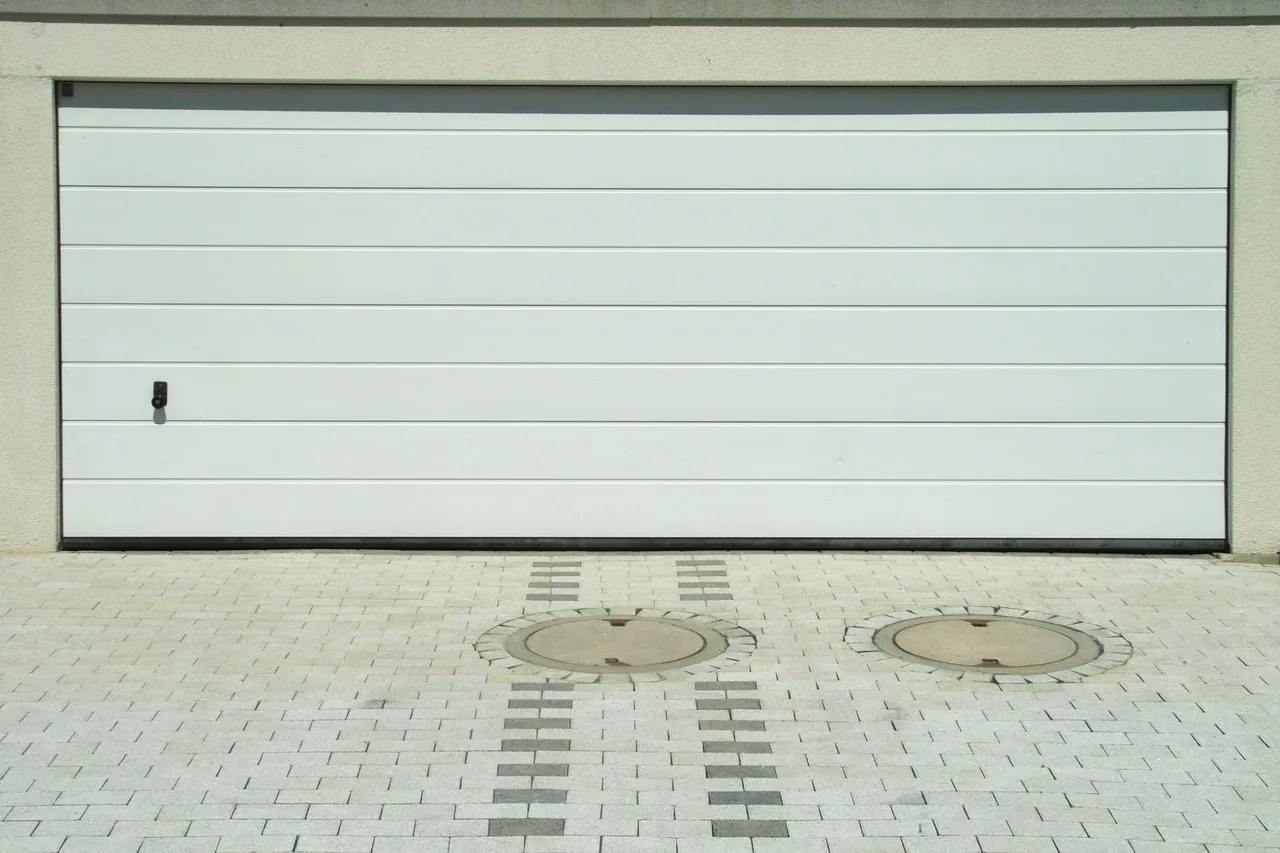
Best Exterior Siding for a Garage
The best exterior siding for a garage is fiber cement for most climates. Use steel when impact resistance matters most, or choose the lowest-cost option if upfront budget is the main limit. Pick poorly, and you can end up with rot, swollen panels, rust, fire risk, or siding that looks tired before the roof does. This guide compares garage siding by water resistance, fire performance, impact durability, maintenance, cost, and curb appeal so you can match the material to your garage type and climate.
Best garage siding overall

Fiber cement is the best overall siding for a garage because it balances fire resistance, rot resistance, insect resistance, and long service life better than the common alternatives. It is the benchmark material for garage walls when you want durability first and appearance second.
Why fiber cement is the top pick
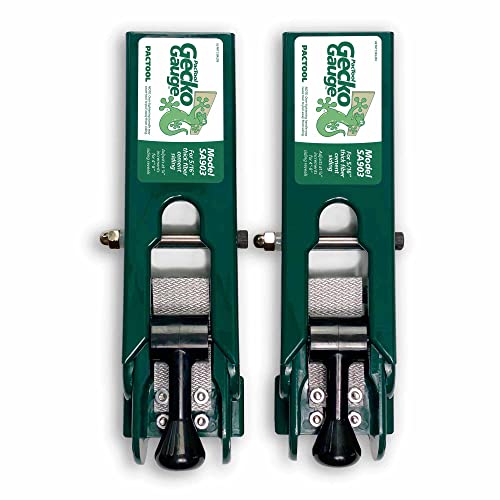
Fiber cement is non-combustible or fire-resistant, depending on the product, and it resists mold, rot, and insects. The tradeoff is weight and cutting difficulty. It is heavier than vinyl and usually needs specialty cutting tools, so installation takes more care and more labor than lighter claddings. (Thisoldhouse)
That matters on a garage, where the first failures are often around openings and edges rather than in the field of the wall. Trim joints, corner boards, garage-door jambs, and flashing details usually fail before the panels do.
When vinyl makes more sense
Vinyl is often a top second-choice for garages when budget and install speed matter most. It is lightweight, easy to install, and mold-resistant, which makes it a practical choice for a straightforward garage wall with simple trim and limited weather exposure.
Vinyl can expand and contract with temperature swings, so it needs correct fastening and room to move. That movement is usually the issue, not the material itself. On a garage with wide wall runs and few details, vinyl can be the most economical path.
Detached versus attached garage priorities
Detached garages can tolerate a simpler exterior package if the wall is not part of the home envelope. Attached garages need more care at transitions to the house, especially where weather, fire separation, and appearance tie into the main facade. The same siding can work on both, but the priority shifts.
For an attached garage, pay more attention to housewrap, flashing, and the fit at the shared wall and door openings. For a detached garage, water control still matters, but curb appeal and cost may carry more weight if the structure sits away from the main house.
Quick picks by garage need
If you want the shortest answer, fiber cement is the safest all-around choice, vinyl is the cheapest easy-install choice, steel is strong for harsh exposure, and wood is best only when the look matters enough to accept the upkeep. Stone veneer is usually an accent or full-facade upgrade, not the default.
- Best for low maintenance: Fiber cement. Best at avoiding rot, insect damage, and frequent repainting.
- Best for fire resistance: Fiber cement or metal. Best at avoiding ignition risk on a garage exterior.
- Best for modern curb appeal: Metal siding. Best at avoiding a dated look on simple boxy garages.
- Best for budget projects: Vinyl. Best at avoiding high upfront labor and material cost.
- Best for traditional looks: Real wood. Best at avoiding a flat, modern appearance, but it needs more upkeep.
- Best for upscale accents: Stone veneer. Best at avoiding a plain front elevation when used sparingly.
Garage siding decision matrix
This matrix scores the common garage siding materials by use case, not by popularity. It is designed to separate the decision by failure mode first: water, fire, impact, upkeep, and appearance. Use it to narrow the field before you compare colors or profiles.
| Material | Detached garage | Attached garage | Humid climate | Fire-prone area | Low-maintenance need | Modern style | DIY difficulty | Best at avoiding | One-line recommendation |
|---|---|---|---|---|---|---|---|---|---|
| Fiber cement | Excellent | Excellent | Excellent | Excellent | Excellent | Good | Hard | Fire, rot, insects | Pick it when you want the most balanced long-term garage siding. |
| Vinyl | Good | Good | Good | Fair | Excellent | Fair | Easy | Upfront cost, install time | Pick it for simple garages where budget and speed matter most. |
| Engineered wood / composite | Good | Good | Good | Fair | Good | Good | Moderate | Rot, insects, plain appearance | Pick it when you want a wood look with less upkeep than basic wood. |
| Real wood | Fair | Fair | Poor | Poor | Poor | Excellent | Moderate | Curb appeal limits | Pick it only when traditional appearance matters enough to accept frequent upkeep. |
| Metal | Excellent | Good | Good | Excellent | Good | Excellent | Moderate | Fire, hail, wind | Pick it for exposed, modern garages where impact and fire matter more than warmth. |
| Stone veneer | Good | Good | Excellent | Good | Excellent | Excellent | Hard | Water splash, curb appeal | Pick it as an accent or full facade when you want a high-end finish. |
What is the best exterior siding for a garage?
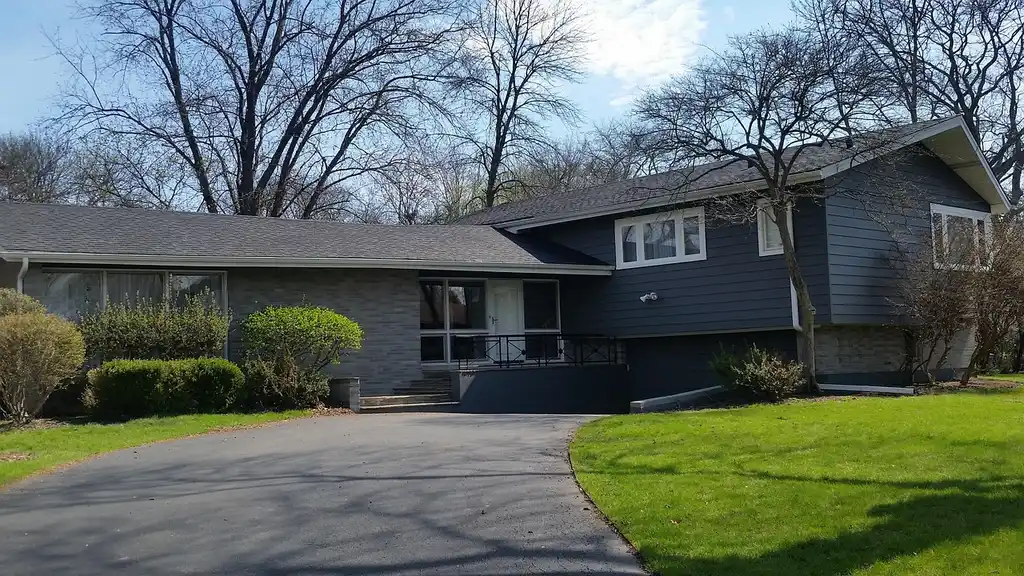
Fiber cement is the best exterior siding for a garage for most owners because it handles fire, moisture, and general wear better than vinyl, wood, or composite options. It is especially strong when you want a garage that looks finished without creating a maintenance burden every few years.
Vinyl is the better answer when the project is budget-led. Metal is the better answer when the garage sits in a hail, wind, or fire-prone area. Wood and stone veneer can win on appearance, but they usually do so by raising maintenance or cost.
Fiber cement, vinyl, wood, metal, stone veneer, and composite
Fiber cement is a common garage benchmark because it is durable against rot, mold, and insects, and fiber-cement shingles are asbestos-free. Vinyl is the easiest-install choice and a common budget pick. Engineered wood or composite siding is made from wood fibers or scrap wood plus resins, which gives it a wood-like appearance with better resistance to rot and insects than basic wood.
Real wood is still a classic that boosts curb appeal, but it needs ongoing care. Painted wood siding typically needs repainting every 5–7 years, and it is more vulnerable to rot and insect damage than the fiber cement benchmark. Metal siding is strong for hail, wind, fire, and time, while stone veneer gives a high-end appearance in a lighter package than full stone.
Is fiber cement or vinyl better for garage siding?
Fiber cement is better when you care most about fire resistance, moisture durability, and long-term appearance. Vinyl is better when you care most about easy installation and lower upfront cost. For many garages, the right answer is decided by whether the wall faces the weather, the street, or the main house.
Fire, moisture, and durability
Fiber cement has the advantage on fire performance and general durability. It is mold-resistant and fire-resistant, which makes it a stronger choice in humid regions and in areas where the garage is close to other structures. Vinyl can be a smart budget option, and some products have fire ratings; CertainTeed Monogram vinyl siding has a Class 1(A) fire rating.
Vinyl also resists mold and is light enough to install quickly, but it can move with temperature changes. On long walls, movement shows up at laps, corners, or around trim if the installation is not careful. That is why the material choice and the flashing details both matter.
Installation difficulty and tool needs
Vinyl is easier for many homeowners because it is lightweight and forgiving. Fiber cement is heavier, and it usually needs specialty cutting tools. That raises labor time and the chance of rough edges if the installer is not set up for the material.
A common first-timer mistake is choosing a durable product and then undersizing the details around it. A garage door opening with weak trim or no proper flashing can leak long before the siding itself fails. The wall system matters more than the panel name.
Long-term maintenance differences
Vinyl usually needs little more than cleaning and occasional inspection. Fiber cement needs more careful finishing, but it usually gives a longer useful life. The guide’s 30+ year lifespan for fiber cement is one reason it often wins on garages that are expected to stay put for decades.
Suppose your detached garage faces a windy side yard and gets hit by spray from a hose, rain, and winter thaw. Vinyl may still work, but the trim, starter strips, and door casing need to be installed cleanly. Fiber cement gives more margin if the wall sees repeat wetting.
How do you choose siding for a garage exterior wall?
Start with the garage type, then test the wall against the real failure risks. Detached garages usually have more exposure to weather and less pressure to match the house exactly. Attached garages need tighter control at the transition to the home, plus a closer eye on fire resistance and appearance.
Detached versus attached garage
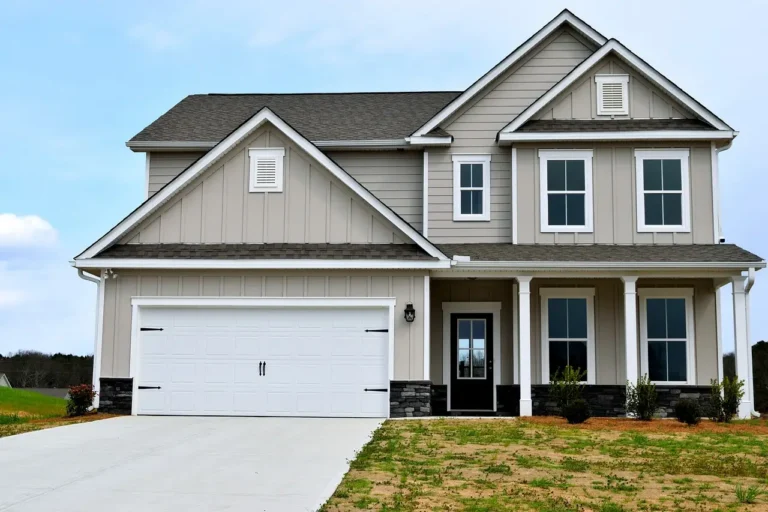
Detached garages can be treated more like stand-alone outbuildings, where budget and exposure drive the decision. Attached garages often need siding that blends with the house while also handling fire separation and moisture control at shared walls, corners, and roof edges.
That difference changes the choice fast. A detached workshop can justify metal for durability and noise control strategies inside. An attached garage that faces the street may justify fiber cement or engineered wood because the front elevation matters more.
Humidity, wind, hail, and salt air
In humid climates, prioritize water management and rot resistance. Fiber cement, vinyl, and composite all make sense if the wall assembly includes housewrap, flashing, and good trim details. In wind-driven rain, the moisture barrier under the siding matters as much as the siding itself.
For hail and wind, metal deserves a look because it is a strong fit for those exposures. It can dent, and it can be noisy in rain, but it holds up well where impact and weather are the main threats. In coastal or salt-air areas, corrosion resistance and maintenance habits matter more than color alone.
Workshop, noise, and insulation needs
If the garage is a workshop, gym, or storage room used year-round, don’t judge the exterior alone. Condensation, noise, and insulation become more important. A better wall assembly, with housewrap, proper flashing, and insulated cavities, can matter more than choosing one finish over another.
Light-colored metal siding can reflect sunlight and help keep the garage cooler. That is useful on sun-baked walls, but it does not replace insulation or air sealing if the garage is conditioned or used often.
How much does garage siding cost installed?
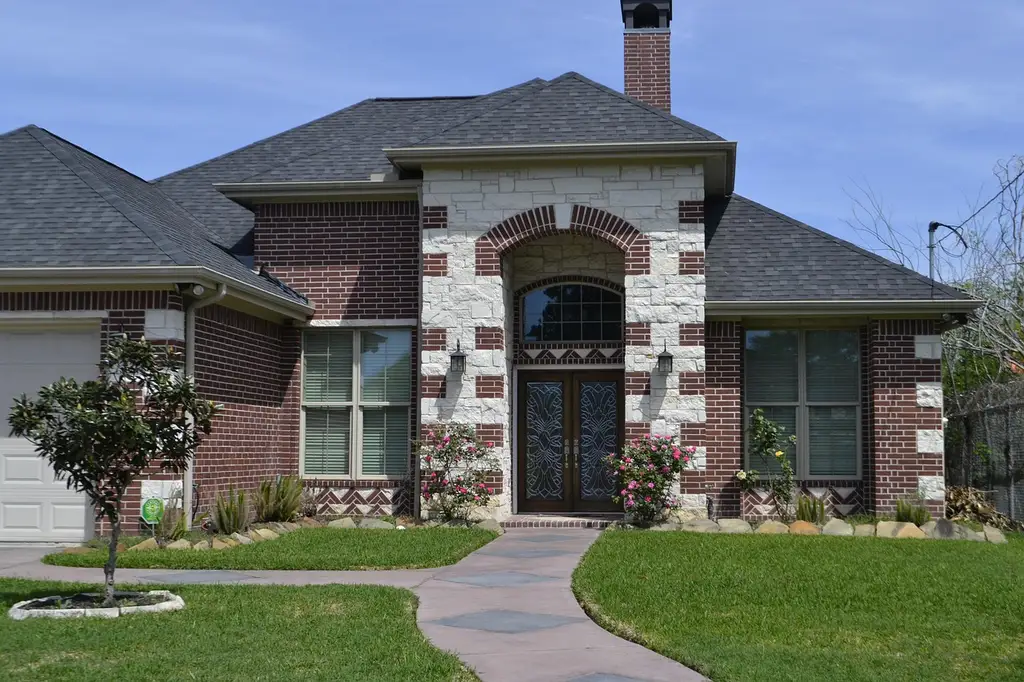
Installed cost depends on more than the siding itself, including labor, trim complexity, substrate repair, sheathing condition, garage-door openings, and flashing details. Material price matters, but labor, trim complexity, substrate repair, sheathing condition, garage-door openings, and flashing details often change the final number more than the panel cost does. A simple rectangle is cheaper than a garage with multiple doors and corner treatments.
Material price versus installed price
Vinyl usually sits at the low end because it is light, fast, and easy to install. Fiber cement costs more in labor because it is heavier and harder to cut. Wood, engineered wood, metal, and stone veneer generally move up from there depending on the profile and finish.
Stone veneer is costlier than vinyl or fiber cement, and it is usually best as an accent or a full facade only when the design justifies the budget. Real wood can also climb quickly because the finish and maintenance plan add to ownership cost, not just project cost.
What changes labor cost
Labor rises when the old sheathing is damaged, when trim needs replacement, or when the garage has many transitions. Door openings are especially important because the casing, flashing, and trim profile need to match the siding style. If the trim detail is wrong, the wall looks unfinished even when the panels are new.
Say your attached two-car garage has rotted corner boards and a warped jamb at one overhead door. The siding quote may start with panel replacement, but the real cost jump often comes from carpentry repairs, new flashing, and reworking the opening so the new siding can terminate cleanly.
Why flashing, housewrap, and trim add up
Housewrap protects the sheathing from water intrusion and should be part of a complete wall assembly behind the siding. Flashing around doors, corners, and transitions helps keep water out. Those parts are not extras, and they matter even more on a garage where openings are large and frequent.
Trim also affects the finished look. A garage with mismatched trim and siding profile can look patched together even if the field material is premium. A neat exterior starts where the panels stop.
How do I put siding on a garage?
The basic order is straightforward: inspect the wall, repair the substrate, add housewrap, flash the openings, install the siding, then finish the trim and seal the transitions. The challenge is not the sequence. It is keeping the wall flat, dry, and correctly detailed around doors, corners, and roof intersections.
Basic installation order
- Remove failed siding, trim, and damaged sheathing as needed.
- Check for soft spots, rot, or insect damage at corners and door framing.
- Install or repair the moisture barrier/housewrap.
- Add flashing at doors, transitions, and other penetrations.
- Set starter strips and install the siding to the manufacturer’s profile and fastener rules.
- Finish with matching trim, corner details, and sealant where appropriate.
Do not skip the substrate check. Garage walls often fail first at trim rot, corner boards, and door jambs rather than in the center of the wall. If the framing or sheathing is damaged, new siding can hide the problem for a while, then fail again.
What usually fails first on garage walls
The first weak points are usually the trim details. Corners split, door jambs wick water, and flashing at transitions can move or fail. Panel movement shows up later, especially with vinyl, where thermal expansion needs room. In wet climates, those small defects are the start of bigger repairs.
What is the best wood siding for a garage?
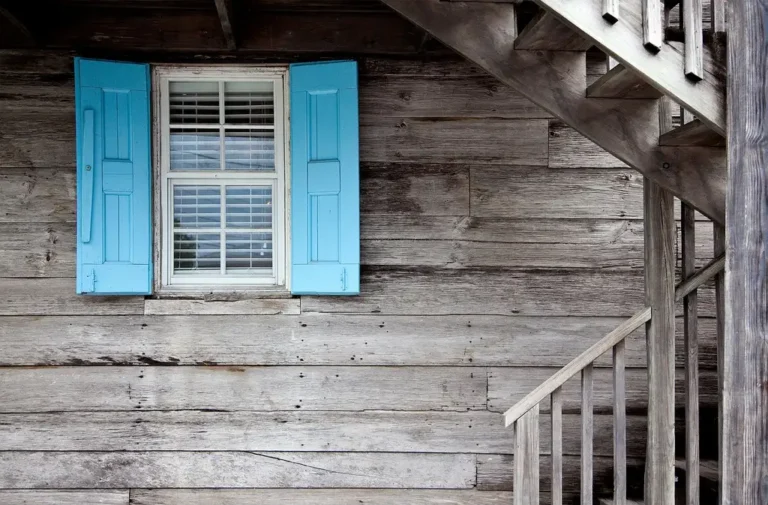
The best wood siding for a garage is a species and profile that can handle exposure, but wood is still the highest-maintenance choice on this list. It looks classic and can improve curb appeal, yet it is more vulnerable to rot and insects than fiber cement, vinyl, metal, or stone veneer.
When wood makes sense
Choose wood when the garage needs to match a traditional house closely or when the front elevation depends on real material character. Species choice matters, as does the finish system. The wrong wood on a damp wall can turn into a maintenance cycle faster than many homeowners expect.
Wood is a poor fit for humid, shaded, or splash-prone walls unless you are ready for regular upkeep. If the goal is a low-hassle garage, wood is rarely the best answer.
Frequently asked questions
What siding is best for fire resistance on a garage?
Fiber cement is the best general choice for fire resistance on a garage. Metal is also strong in fire-prone areas. Some vinyl products have fire ratings, including CertainTeed Monogram with a Class 1(A) fire rating, but the wall assembly and detailing still matter as much as the panel label.
Sponsored / affiliate links. As an Amazon Associate I earn from qualifying purchases. I may earn additional commission from eligible campaigns.