Best Bathroom Floor Underlayment (2026): Research Shows
The best floor underlayment for bathroom floors is the one matched to the finish: tile usually needs cement backer board or an uncoupling membrane, while vinyl and laminate usually need a thin, approved moisture-tolerant layer or none at all. Pick the wrong underlayment, and you can get cracked grout, loose tile, trapped moisture, and early floor failure.
Best pick for most bathrooms
For most bathroom remodels with tile, an uncoupling membrane is the safest starting point because it separates the tile from small substrate movement and can add moisture protection without the thickness of cement board. On vinyl and laminate, the right choice is usually a finish-specific underlayment, not a tile layer.
Bathroom floors take humidity, spills, and wet-zone exposure near tubs and showers. Match the layer under the finish to the flooring type, and make sure the subfloor is flat, clean, and dry before install. Thickness matters too, because a taller underlayment can create a door transition and reduce clearance.
Bathroom underlayment decision table
| Floor finish | Subfloor type | Wetness level | Recommended layer stack | Thickness range | Do / don’t notes | Failure risk |
|---|---|---|---|---|---|---|
| Tile | Wood subfloor | Normal bathroom humidity, occasional splash | Stiff subfloor, cement backer board or uncoupling membrane, then tile; add waterproofing membrane in wet zones or where the system calls for it | Backer board 1/4 inch to 1/2 inch; uncoupling membrane about 1/8 inch to 3/16 inch | Do: verify deflection and flatness. Don’t: install tile over compressible foam. | Grout cracking, tile loss, moisture at seams |
| Tile | Concrete slab | Normal bathroom humidity, occasional splash | Suitable concrete, then uncoupling membrane or waterproofing membrane if needed by the tile system; tile can often go directly to sound concrete when flatness and moisture are acceptable | About 1/8 inch to 3/16 inch for uncoupling membrane | Do: check slab moisture and flatness. Don’t: add backer board as a routine overlay on a good slab. | Bond failure, trapped moisture, height buildup |
| Tile | Existing tile | Normal bathroom humidity, occasional splash | Only if the existing tile is sound, clean, and well bonded; use a compatible uncoupling or tile-over-tile system and follow adhesive rules | System-specific | Do: test bond and height transitions. Don’t: assume every tile-over-tile setup is approved. | Debonding, hollow spots, transition problems |
| Vinyl plank | Wood subfloor | Normal bathroom humidity, light spill | Floating vinyl plank only if the manufacturer allows a vinyl-rated, moisture-tolerant foam underlayment or built-in pad; otherwise install per the flooring system without extra padding | Foam underlayment 1/8 inch to 3/8 inch | Do: use a product approved for vinyl. Don’t: use a soft, cushioned underlayment meant for carpet. | Joint movement, telegraphing, warranty loss |
| Vinyl plank | Concrete slab | Normal bathroom humidity, light spill | Moisture check, then floating vinyl system with approved underlayment or direct-install as specified; add a slab vapor barrier only when the flooring system requires it | Often thin; system-specific | Do: confirm slab moisture control. Don’t: stack extra foam under a click floor unless approved. | Gapping, buckling, moisture-related failure |
| Sheet vinyl | Wood subfloor or concrete slab | Higher spill risk, especially near tub or shower | Very flat substrate, then the adhesive or underlayment specified by the sheet vinyl system; moisture control is important, but extra padding is usually not the answer | Usually minimal | Do: prioritize flatness and seam control. Don’t: use a compressible layer under sheet goods. | Telegraphing, seams opening, voids under the sheet |
| Laminate | Wood subfloor or concrete slab | Low to moderate spill risk only | Only if the laminate is approved for bathroom use; use a moisture-barrier or foam underlayment approved for that product, and seal edges where the system calls for it | Foam underlayment 1/8 inch to 3/8 inch; concrete vapor barrier often 6-mil polyethylene or thicker | Do: check bathroom approval and edge sealing. Don’t: assume standard underlayment makes laminate waterproof. | Swelling at joints, edge lift, trapped moisture |
| Engineered wood | Wood subfloor or concrete slab | Low spill risk only | Use only if the flooring maker allows bathroom installation; moisture-barrier underlayment or slab vapor control may be required, but standing water remains a problem | System-specific | Do: protect against incidental moisture. Don’t: treat engineered wood like tile. | Cupping, swelling, finish damage |
Quick comparison
| Product | Badge | Best for | Price | ||
|---|---|---|---|---|---|
 |
Schluter Ditra Uncoupling and Waterproofing Membrane forSchluter | Our pick | 54 sq ft · 1/8" · uncoupling membrane | $123.95
Price as of 18 Oct 2026
|
View |
 |
Custom BLDG Products RedGard Liquid Rubber WaterproofingRedgard | Also great | 1 gal · liquid · waterproof membrane | $74.67
Price as of 18 Oct 2026
|
View |
 |
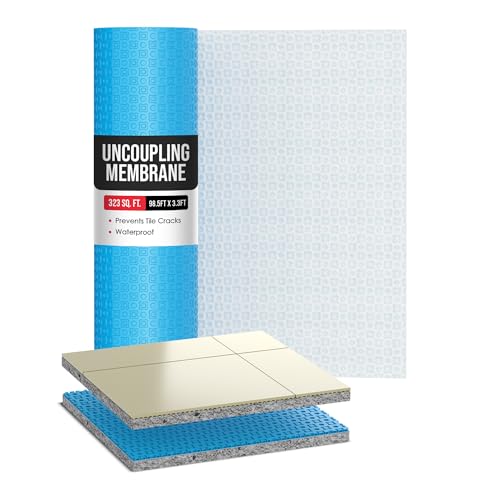
Mapei Mapeguard UM 35 Uncoupling Membrane Underlayment 1/8"Mapei | Upgrade pick | 323 sq ft · 1/8" · HDPE roll | $339.45
Price as of 18 Oct 2026
|
View |
 |
Laticrete STRATA_MAT Load Bearing Uncoupling Membrane 323Laticrete | Also great | 323 sq ft · load-bearing · uncoupling mat | $1,107.47
Price as of 18 Oct 2026
|
View |
Read the table by floor finish first, then subfloor, then wetness level. The right layer for tile is not the right layer for vinyl, and a good concrete slab often needs less buildup than a wood floor.
How we chose
The comparison below is based on four checks: moisture control, structural fit, height buildup, and radiant heat compatibility. A product or layer only belongs on the list if its published use matches the bathroom floor system.
Tile needs crack control and, in wet zones, a moisture barrier. Vinyl and laminate need finish-specific underlayment that stays flat and does not soften the locking system. Over concrete, vapor control matters more than added thickness. Over wood, stiffness and deflection matter before any tile layer goes down.
Radiant heat changes the choice. The layer must allow heat transfer and stay within the flooring maker’s temperature limits, or the floor can warm slowly, move more, or lose warranty coverage.
Do you need underlayment under bathroom tile?
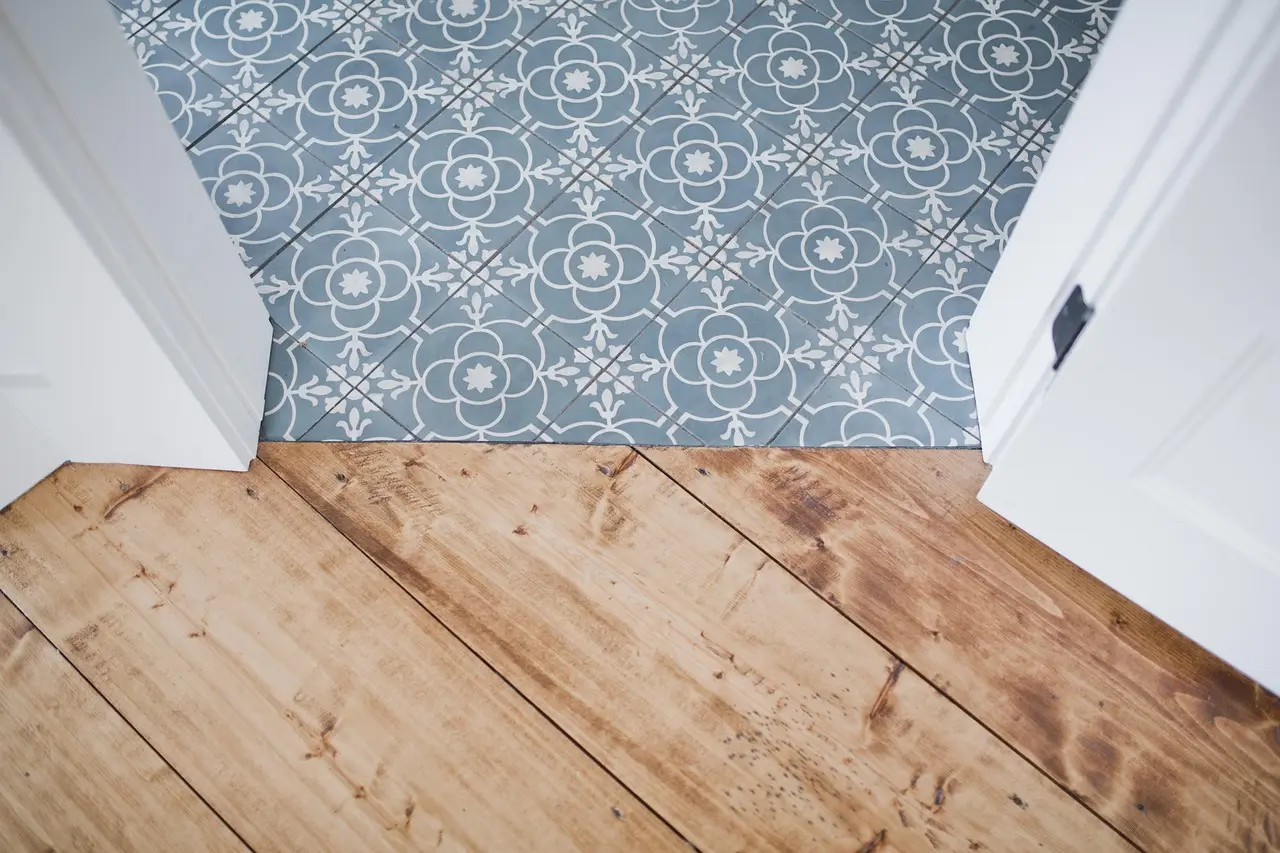
Yes, tile usually needs some combination of structure correction, crack isolation, and moisture management, but not every bathroom needs the same stack. Over wood, tile commonly uses cement backer board or an uncoupling membrane. Over concrete, a sound slab may take tile directly, or it may need a membrane system instead.
Cement backer board on wood floors
Cement backer board is commonly used under ceramic or porcelain tile over wood subfloors. Typical thickness ranges from 1/4 inch to 1/2 inch. It gives tile a stable surface, but it is not a waterproofing layer, and the joints still need fiberglass mesh tape and mortar.
That joint treatment matters. If the seams are left open, movement can travel into the tile. Backer board also adds height, which can affect door swing and transitions at the bathroom threshold.
Uncoupling membrane for crack isolation
An uncoupling membrane is a thinner tile layer, usually about 1/8 inch to 3/16 inch, that helps prevent tile cracks caused by substrate movement. It works over wood or cement subfloors and is often compatible with radiant heat, which makes it a common choice when floor height is tight.
Schluter Ditra is described as a 1/8-inch uncoupling and waterproofing membrane, and the Ditra example is said to work over concrete, plywood, OSB, and gypsum. That makes it a useful reference point for thin tile systems, but the exact approval still depends on the full assembly.
Waterproofing membrane in wet zones
Waterproofing membrane belongs where water exposure is higher than ordinary bathroom humidity, such as around a shower curb, near a tub splash zone, or wherever the tile system calls for a continuous moisture barrier. Sheet and liquid-applied systems are both used. RedGard is one liquid-applied example.
A waterproofing membrane often sits with a tile substrate or over a backer board. It should not be treated as a substitute for a stable subfloor. It manages water, not structural movement.
Suppose a 5-by-8 bathroom has tile around a tub and a wood subfloor that feels solid but not especially stiff. In that case, the correct stack may be backer board or an uncoupling membrane, plus waterproofing where splash exposure is highest. The wrong move is adding foam meant for vinyl and expecting tile to hold.
What underlayment works best for bathroom vinyl?
Vinyl flooring usually does best with a thin, approved underlayment or none at all, depending on the product line. Floating vinyl plank can use a vinyl-rated foam layer for minor cushioning and sound reduction, but the underlayment must stay moisture-tolerant and compatible with the click system.
Foam underlayment for vinyl and laminate
It can reduce sound and add minor cushioning, which is useful in a bathroom where footfall noise matters. It should be labeled for vinyl and moisture exposure, not just “general purpose.”
One competitor lists a 200 sq. ft. roll for moisture-barrier underlayment, and another describes a 6-mil polyethylene floor underlayment for floating wood floors. That type of film is common under laminate and engineered hardwood floors on concrete, but it is not a universal fix for every vinyl system.
Why standard cushioned layers fail
Standard cushioned underlayments can compress under vinyl click joints, which may leave the floor feeling soft or cause locking tabs to shift. Some products also trap moisture against the slab or wood subfloor if they are not rated for that use.
A common first-timer mistake is choosing “extra padding” to make the bathroom floor quieter. With vinyl, more cushion is not automatically better. The flooring maker’s underlayment rules control the choice.
Can you use laminate underlayment in a bathroom?
Sometimes, but only if the laminate itself is approved for bathroom use and the underlayment is moisture-tolerant. Standard laminate underlayment is not a permission slip for water exposure. Edge sealing, cleanup speed, and product-specific instructions matter more in bathrooms than in dry rooms.
When laminate is approved and when it is not
Laminate can work in a bathroom only when the floor system is designed for it. That means bathroom approval from the manufacturer, suitable edge protection, and a substrate that is flat, clean, and dry. If the product is not rated for bathrooms, skip it.
Engineered wood has the same caution. It can tolerate more moisture than solid wood in some cases, but it still is not tile. Standing water near a shower or tub can damage edges and seams.
Moisture barrier needs over wood and concrete
On wood, the floor assembly may need a moisture-tolerant underlayment approved for laminate or engineered wood. On concrete, a vapor barrier is often part of the system. For slab work, 6-mil polyethylene or thicker is a common moisture-control choice beneath certain floating floors.
That barrier is meant to reduce vapor from the slab, not to fix a wet bathroom. If the slab is actively moist or the floor system does not allow that film, the better answer is a different flooring choice.
Picture a basement bathroom on a concrete slab with a floating floor. If the slab moisture check is borderline, the installation can fail at the joints even when the top layer looks fine on day one. The fix is not thicker foam; it is the right moisture-control layer and a flooring system approved for that slab.
Bathroom floor products by use
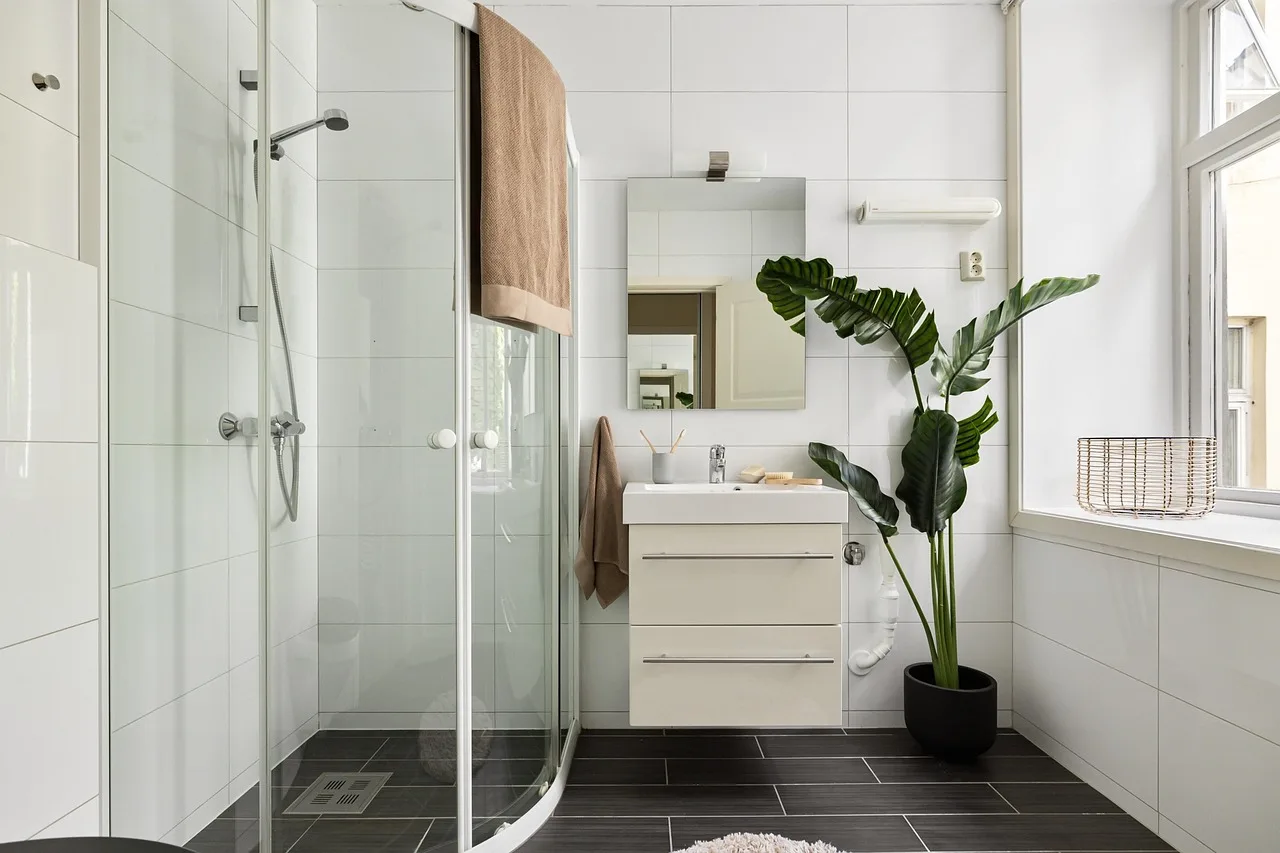
Schluter Ditra: best for thin tile assemblies
This is a strong fit for tile over wood or other approved substrates when you want uncoupling and moisture protection in one thin layer. Its 1/8-inch profile helps limit buildup, and it fits projects where crack isolation matters more than the extra mass of cement board.
The drawback is cost and system sensitivity. It is a tile membrane, not a general bathroom underlayment, and it still depends on the full assembly being approved for your subfloor, tile, and heat setup.
Custom Building Products RedGard: best for liquid waterproofing
This works when you need a continuous waterproof barrier in wet zones or as part of a tile substrate system. Liquid-applied membrane can help isolate small cracks and is useful where seams, corners, and penetrations need coverage.
The drawback is application control. Film thickness, coverage, and cure time matter. Missed spots or thin areas can leave a weak point, so it is not a shortcut around proper substrate prep.
Mapei Mapeguard UM 35: best for large tile projects
This is aimed at large-format tile and stone where crack isolation, uncoupling, and moisture management all matter. The 1/8-inch HDPE roll format keeps height modest, and the published use cases include heated floors and green concrete or plywood situations.
The drawback is complexity. It is not the simplest choice for a small bathroom if you do not need its extra features, and the full assembly still has to match the tile, subfloor, and temperature limits.
Laticrete STRATA_MAT: best for load-bearing tile support
This is a good match when the tile or stone installation needs load-bearing support along with uncoupling. It suits bathroom floors where movement control matters and where the installer wants a tile-focused membrane rather than a cushion layer.
The drawback is price and application scope. It is a specialty tile underlayment, so it makes sense only when the system needs that level of support and the rest of the build justifies it.
Which one should you buy?
Start with the finish. Tile points you toward backer board, an uncoupling membrane, or a waterproofing membrane depending on the subfloor and wet zone. Vinyl and laminate point you toward a finish-approved foam or moisture barrier, or no extra layer at all if the flooring system says so.
Then check the subfloor. Wood usually needs more attention to stiffness and deflection for tile. Concrete usually needs moisture control rather than added thickness. Existing tile needs soundness and a compatible tile-over-tile system before anything else.
Finally, decide how much height you can lose. Backer board adds the most buildup. Uncoupling membranes keep transitions lower. Foam underlayment is mainly for floating vinyl and laminate. If radiant heat is part of the project, check the maker’s temperature limit before you buy.
Use the tile membranes when the goal is crack control and moisture management. Use the vinyl or laminate underlayment only when the flooring maker approves it. Do not mix those jobs. That is how bathrooms fail early.
Frequently asked questions
What is the best underlayment for bathroom floors?
The best underlayment depends on the finish, not the room alone. Tile usually needs cement backer board or an uncoupling membrane, plus waterproofing in wet zones. Vinyl and laminate usually need a thin, approved moisture-tolerant underlayment or none at all, depending on the product.
What underlayment works best for bathroom vinyl flooring?
For floating vinyl plank, a vinyl-rated foam underlayment is common when the flooring maker allows it. It usually ranges from 1/8 inch to 3/8 inch and offers minor cushioning plus sound reduction. Sheet vinyl typically needs a flatter, more direct substrate with less padding.
Do I need a moisture barrier under bathroom flooring?
Sometimes. Wet zones need a waterproofing membrane in the tile system, while concrete slabs often need vapor control beneath floating floors. A moisture barrier is not universal. It must match the substrate, the finish, and the manufacturer’s instructions, or it can trap moisture in the wrong place.
Can bathroom underlayment work with radiant heat?
Yes, if the system is rated for it. The layer must support heat transfer and stay within the flooring maker’s temperature limits. Tile membranes often work with radiant heat, and some vinyl or laminate systems do too, but the approval has to be checked before install.
Sponsored / affiliate links. As an Amazon Associate I earn from qualifying purchases. I may earn additional commission from eligible campaigns.