Best Woods for Chicken Coops and Shelters (2026): We Compared
Plywood, cedar, and pressure-treated lumber are the main wood choices for chicken coops and small animal shelters, but no single wood fits every part. Use pressure-treated lumber for the frame and posts, exterior-grade plywood for walls and roof deck, and untreated pine or cedar where animals touch wood. Wrong wood can rot, warp, or put chemicals at animal level.
Quick comparison
| Product | Badge | Best for | Price | ||
|---|---|---|---|---|---|
|
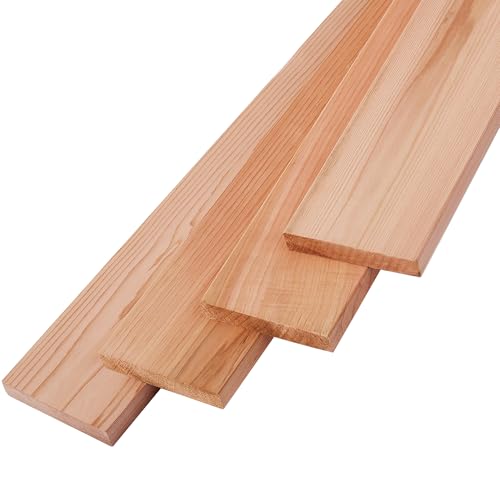
bingaai 7ft Western Red Cedar Decking Boards (4-Pack) 1x6x7′bingaai | Our pick | 7 ft 4-pack · Clear Grade · Cedar | $339.99
Price as of 8 Nov 2026
|
View |
|
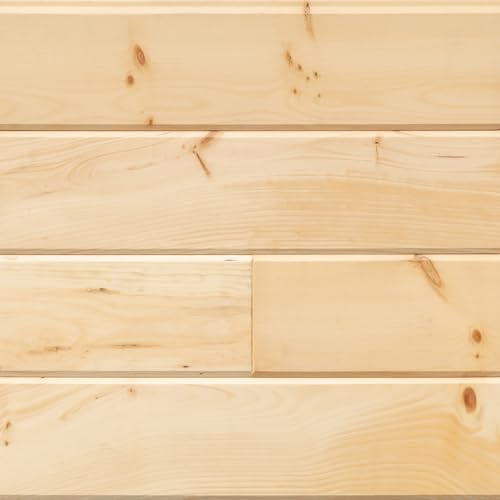
Prestige Smooth Finish Pine Tongue & Groove Boards ClearKimberly Bay | Also great | 8-piece · Finished · Pine T&G | $239.00
Price as of 8 Nov 2026
|
View |
Use the table below to match the material to the part of the coop or shelter, not to the whole build. That split matters most at the floor, wall skin, roof, and any surface chickens, goats, dogs, or rabbits can reach.
The safest budget path is usually pine or fir for protected boards and framing, plus sealed plywood for sheathing. The avoid choice is OSB in exposed or damp spots.
How we chose
The right wood depends on four things: direct animal contact, moisture exposure, cost, and how easy the part is to clean or replace. A frame can tolerate more material choices than a floor or interior wall.
For chickens, the biggest risks are rot at the bottom edge, dirty seams that hold moisture, and any treatment or coating that should not be at pecking height. For goats, dogs, and rabbits, the same logic still applies, but chewing, rubbing, and impact loads matter more.
Use this order when you decide:
- Start with the part of the structure, not the species name on the box.
- Separate interior-contact wood from exterior-only wood.
- Choose the most moisture-tolerant option for the floor, posts, and roof edge.
- Use the least expensive board that still fits the exposure level.
- Seal or paint every exposed edge that can take rain, splash, or wash water.
Coop material decision table
| Component | Best species/material | Safe for direct animal contact | Moisture risk | Cost tier | When to avoid it |
|---|---|---|---|---|---|
| Floor | Exterior-grade plywood, often 5/8-inch for a sturdier deck; seal all edges | Yes, if sealed and kept clean | Moderate to high if water can reach seams or underside | Moderate | Avoid OSB in wet or wash-down areas; avoid any unsealed floor in a damp run |
| Walls | Exterior-grade plywood, 1/2-inch or 5/8-inch; pine or fir boards for framed walls | Yes for interior-facing pine or fir; yes for sealed plywood | Moderate | Low to moderate | Avoid OSB on exposed walls; avoid untreated softwood with raw edges outside |
| Roof deck | Exterior-grade plywood under shingles or metal | No direct contact needed | High if leaks start at penetrations or edges | Moderate | Avoid OSB where leaks are likely or where the roof will stay damp |
| Trim | Cedar or painted pine/fir | Usually yes, if smooth and protected | Moderate | Low to high | Avoid cedar trim inside tight enclosures if chickens can peck at it often |
| Ramp | Pine or fir with cleats; sealed plywood also works for a flat ramp deck | Yes, if sealed and kept smooth | Moderate to high | Low | Avoid slick, unfinished surfaces and thin soft panels that flex too much |
| Ground-contact posts | Pressure-treated lumber, often 4×4 or pressure-treated 2×4 for support framing | No for direct chicken contact | Low to moderate | Moderate | Avoid where animals can peck, chew, or rub the surface directly |
| Do not use: OSB in wet or exposed parts, bare plywood edges, untreated wood that will sit on soil, or pressure-treated lumber as an interior contact surface. | |||||
Pine and fir: best default for most coops

Pine or fir lumber is the best balance of cost and durability for most chicken coops. It is easy to cut, nail, screw, and replace, and it is commonly sold as pine/fir lumber. For framed walls, trim, and many board parts, it stays practical without pushing the budget too far.
Why pine and fir are the default
Pine is a low-cost choice that works well for coop boards and framing. Fir is similar: it is also affordable, often sold in the same pine/fir stack, and it holds up reasonably well when protected from weather. Both are easier to modify than harder woods, which matters for vents, doors, nesting boxes, and repairs.
Where pine and fir need protection
Untreated pine and fir need paint, stain, or another sealant if they sit outside. The bottom edge, end grain, and any cut hole are the first places to soak up water, then swell, then rot. That is why exterior coating matters more than the species alone.
When to choose another wood
Move up to cedar, plywood, or pressure-treated lumber when the part stays outside, touches the ground, or sits where splash and runoff are constant. Say your coop sits under a roof overhang but the ramp still gets rain from one side. In that case, a sealed pine ramp may work, but a treated support frame and a better roof edge will last longer.
Is cedar safe for chicken coops?
Cedar works well on the outside of a coop, but it is a poor choice for interior contact surfaces where chickens spend time. It is naturally rot-resistant, and some sources list cedar at a 20-to-30-year option for outdoor use. The downside is cost and the aromatic oils that can irritate chickens if they are exposed indoors.
Where cedar works well outdoors
Cedar is a strong choice for weather-exposed trim, exterior siding, and other parts that need rot resistance and a cleaner look over time. Smart Coop HQ lists cedar shingles or planks for exterior siding only, which is the right way to think about it. Use it where rain and sun hit first.
Why cedar is a poor pick inside
Inside the coop, the issue is not rot. It is contact. Chickens may stand, peck, and roost against the wood for long periods, so aromatic oils are a concern. Keep cedar out of the interior face of walls, nest box interiors, and any surface that birds can reach often.
How cedar changes the budget
Cedar is usually the most expensive common wood in this group. That higher cost makes the most sense when you are buying it for a small amount of exterior trim or siding, not for the full frame, floor, and roof deck. Use it where its weather resistance pays off fastest.
Can you use pressure-treated wood inside a coop?
Pressure-treated lumber is best for framing or ground contact, not for direct chicken contact. It resists rot better than untreated wood and may last longer on the exterior, but treatment concerns make it a poor choice for interior surfaces where birds stand, peck, or rub.
Best uses for treated lumber
Use pressure-treated 2×4 or 4×4 lumber for support framing, skids, base rails, and other parts that sit close to soil or stay damp. Smart Coop HQ specifically lists pressure-treated 2×4 or 4×4 lumber for frame and supports. That is where the material earns its keep.
Why direct contact is a concern
The concern is exposure at the animal level. Chickens do not just pass by those surfaces; they scratch, peck, and sit on them. For that reason, treated wood belongs in hidden structure and support zones, not where feathers, feet, beaks, or claws touch every day.
Safer interior alternatives
For interior surfaces, use sealed plywood, pine, or fir. If a treated frame supports the wall, cover it with a safer interior skin so animals never contact the treated face. That gives you the moisture resistance of treatment without leaving the chemical-treated surface exposed.
Plywood: best for walls and roof panels
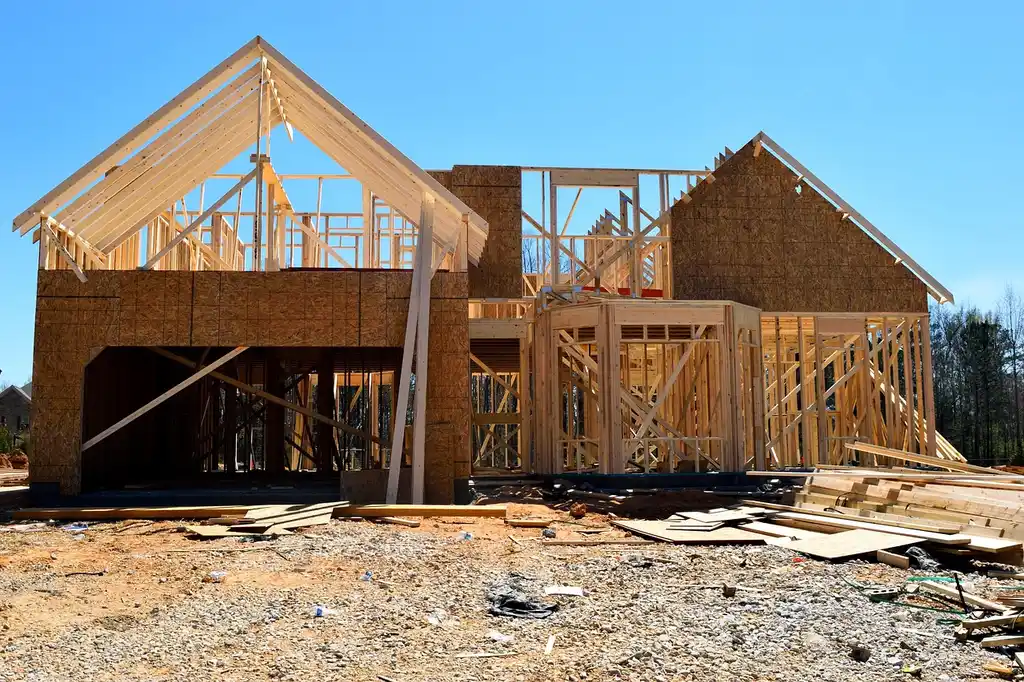
Plywood is one of the most useful materials for coops and small shelters because it works for walls, roof decks, and floors. Exterior-grade plywood in 1/2-inch or 5/8-inch sizes is a common choice for those jobs. It lasts longer when sealed, especially at edges, seams, and fastener holes.
1/2-inch vs 5/8-inch use cases
Use 1/2-inch exterior-grade plywood where the panel is mainly a skin or wall layer and does not need to carry much load. Use 5/8-inch where the surface takes more wear, such as floors or roof sheathing that must stay flatter under fasteners and weather. Fox Run Sheds uses 5/8-inch SmartFloor flooring and roof sheeting on its coops, which fits that heavier-duty role.
Why sealing matters on edges and seams
Plywood fails first at the edges if you leave them raw. Seal the cut sides, the bottom edge, and any seam that can catch splash or wash water. Exterior-grade paint or stain helps extend service life and should be reapplied as the coating wears thin.
When OSB is the cheaper but weaker swap
OSB can look tempting because it is usually a budget sheathing option, but it has poor moisture tolerance. Easy Coops rates OSB as the worst for weather and rot resistance, and it should generally be avoided on exposed coop parts. It swells and crumbles faster than plywood when water gets in.
How long does a wood chicken coop last?
A wood coop can last for years, but lifespan depends on the wood type, how much water reaches the base, and whether you keep the roof and seams sealed. Cedar lasts the longest among the common species here, while pine, fir, and plywood last longer when protected. OSB usually fails first in wet spots.
Where rot starts first
Rot usually starts at the bottom edge, around fastener holes, under roof leaks, and anywhere splashback keeps the surface damp. That is why floor edges and lower wall panels deserve more attention than the center of the wall. The structure does not usually fail all at once.
How to keep a wooden coop from rotting
Keep the coop off bare soil if you can. Paint or stain the exterior, seal all cut edges, slope the roof well, and move water away from the base. If the run stays muddy, add a drain layer or raise the structure so the lower boards do not stay wet.
What wood should I use for a goat shed or animal shelter?
Goat sheds, dog kennels, rabbit hutches, and bird shelters use the same material logic, but the contact risks differ. For goats, dogs, and rabbits, use pressure-treated lumber for the frame or posts where needed, then cover interior contact areas with sealed plywood or smooth pine so the shelter stays cleanable and dry.
Species fit by shelter type
Chickens need the tightest control over direct-contact surfaces because they peck and roost on everything. Goats need tougher framing and better abrasion resistance. Dogs usually need stronger floor and wall panels. Rabbits need smooth, splinter-free interiors and good airflow without damp bedding zones. Fox Run Sheds notes that it customizes shelters for dogs, rabbits, goats, and birds, which matches that component-by-component approach.
How the same wood advice changes
For goats, a stronger frame and chew-resistant trim matter more than a lightweight wall skin. For dogs, moisture resistance and cleanability matter most at the floor line. For rabbits, avoid rough interior edges and keep the sleeping area dry. The species changes the wear pattern, but the part-by-part wood choice still drives the result.
What type of lumber should I use for coop framing?
Use pine or fir for affordable framing in most coops, and switch to pressure-treated lumber where the frame sits near soil or in a permanently damp zone. The same source says pressure-treated 2×4 or 4×4 lumber is for frame and supports, which is the right place for it.
Framing choices by exposure
For an elevated coop on dry ground, untreated pine or fir can work for the main frame if you seal it well. For a ground-level shelter, a humid run, or a base that may contact splash and mud, pressure-treated lumber is the safer structural choice. The wood that carries the load should also handle the moisture.
A common first-timer mistake
A common first-timer mistake is using nice cedar on the visible siding, then leaving untreated pine posts near wet soil. The siding may look good while the base quietly starts to fail. The better fix is to upgrade the support parts first, then choose finish wood after that.
What wood should be avoided in a chicken coop?
Avoid OSB in exposed or wet coop parts, avoid untreated wood where it will sit on the ground, and avoid pressure-treated lumber for direct chicken contact. Those are the main missteps. The wrong board type can swell, split, or create a surface birds should not touch.
Why OSB is the main avoid choice
OSB is the weakest performer here for weather and rot resistance. It may work in dry, fully protected construction, but that is not the usual reality for coops. Once it gets wet, the edges often swell and break down faster than plywood.
Why treatment and moisture matter more than looks
Some woods look clean at the start but fail at the seam line or bottom edge. Others resist rot but should stay out of reach. The right answer depends on where the board sits in the build, not on how polished it looks on day one.
Which one should you buy?
If you need the cheapest workable build, start with pine or fir for the framing and protected boards, then use exterior-grade plywood for sheathing. If you want the longest service life outdoors, use pressure-treated lumber for supports and ground-contact parts, then finish with sealed plywood and cedar only where exterior trim benefits from it.
For a chicken coop, the most balanced choice is usually pine/fir framing plus sealed plywood panels. For a goat shed or dog shelter, pressure-treated framing and plywood skin make more sense because the structure faces harder wear. For rabbit hutches, smooth sealed plywood with protected framing is often the cleaner fit.
Wirecutter recommends the Petmate Superior Construction Chicken Coop as a durable, easy-to-construct home, and that kind of prefab build often follows the same material logic: structural framing first, then a paint- or stain-ready shell. Wirecutter also notes that it comes unfinished, so owners can paint or stain it to fit the site.
Picture a 6-by-8 coop set on damp clay. The lower wall and base rail will fail before the roof if you use raw softwood there. Swap those hidden parts to treated lumber, keep the visible interior in sealed plywood or pine, and the shelter is far more likely to stay sound through wet seasons.
Frequently asked questions
What is the best wood for a chicken coop?
Pine or fir is the best balance of cost and durability for most chicken coops. Use pressure-treated lumber for the frame or ground-contact parts, sealed plywood for walls, roof deck, and floors, and cedar for exterior-only trim where higher cost is worth it. No single wood is best for every part.
Can I use pressure-treated wood inside a chicken coop?
Use pressure-treated lumber for framing, supports, or ground-contact parts, not for direct chicken contact. The treatment improves rot resistance, but the interior surfaces should stay to pine, fir, or sealed plywood. If treated wood is part of the structure, cover it so chickens never stand on it.
Is plywood good for a chicken coop?
Yes. Exterior-grade plywood is one of the most useful coop materials for walls, roof decks, and floors. Common use cases are 1/2-inch and 5/8-inch panels. It lasts longer when sealed, especially at edges, seams, and cutouts. Avoid leaving raw edges exposed to weather or wash water.
How do I keep a wooden coop from rotting?
Keep wood off soil where possible, seal or paint exterior surfaces, and recoat edges before the finish fails. Pay special attention to the bottom edge, seams, and roof lines because that is where rot usually starts. Good drainage and a watertight roof do as much as the lumber choice itself.
Sponsored / affiliate links. As an Amazon Associate I earn from qualifying purchases. I may earn additional commission from eligible campaigns.