Difference Between A Drill And Hammer Drill Explained
The main difference is that a hammer drill adds a pounding action to its rotation. This hammering helps it bore into hard materials like concrete or brick much faster. A regular drill just spins to make holes.
It’s best for softer stuff like wood or metal. Choosing the right one makes your work easier and safer.
What is a Drill?
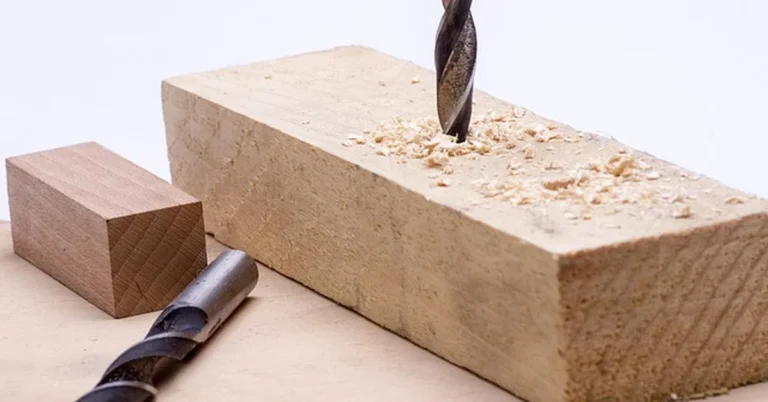
A standard drill, sometimes called a drill driver, is a tool that spins a bit. This bit carves out holes in things. Think of it like a tiny, powerful power screwdriver.
You can also use it to drive screws into wood or other softer materials. It’s a must-have for almost any home or workshop.
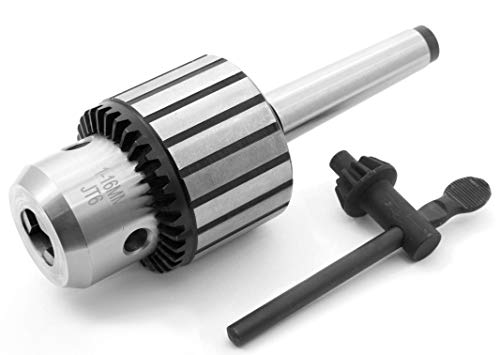
The main action of a drill is rotation. It has a motor that turns the chuck, which holds the drill bit. This spinning motion is what creates the hole.
Most drills have settings for speed. You can turn the speed up for faster drilling or down for more control when driving screws. They also often have a clutch.
This stops the drill from over-tightening screws. This prevents stripping the screw head or damaging the material.
Regular drills are great for many jobs. You can hang shelves on drywall. You can build a simple wooden birdhouse.
You can assemble furniture that needs screws. They work well on wood, plastic, and metal. The key is that the material isn’t super hard.
If you try to drill into concrete with a regular drill, you’ll likely just wear out the bit and the drill itself.
What is a Hammer Drill?
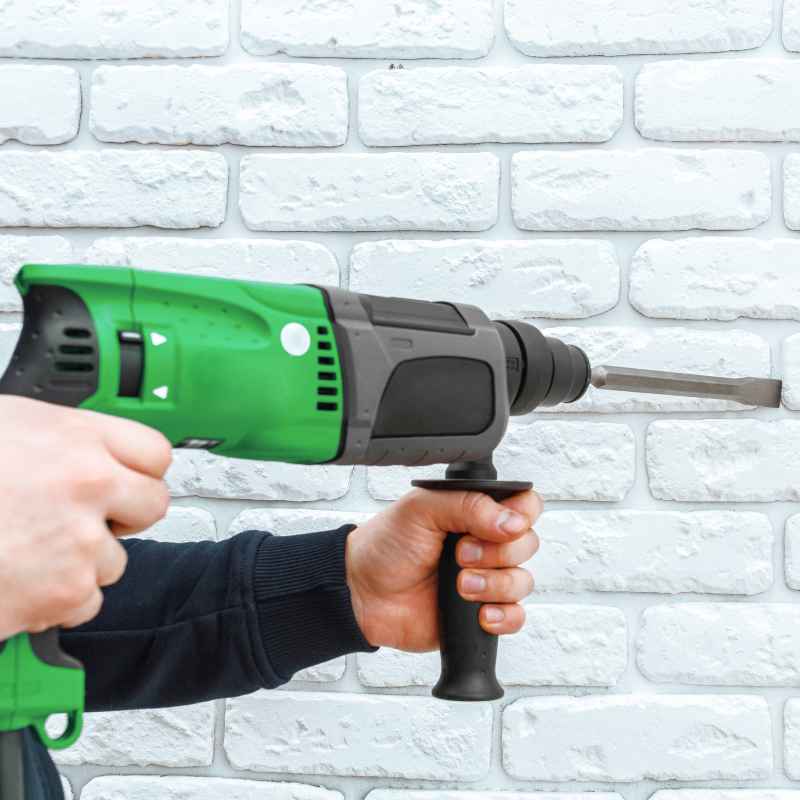
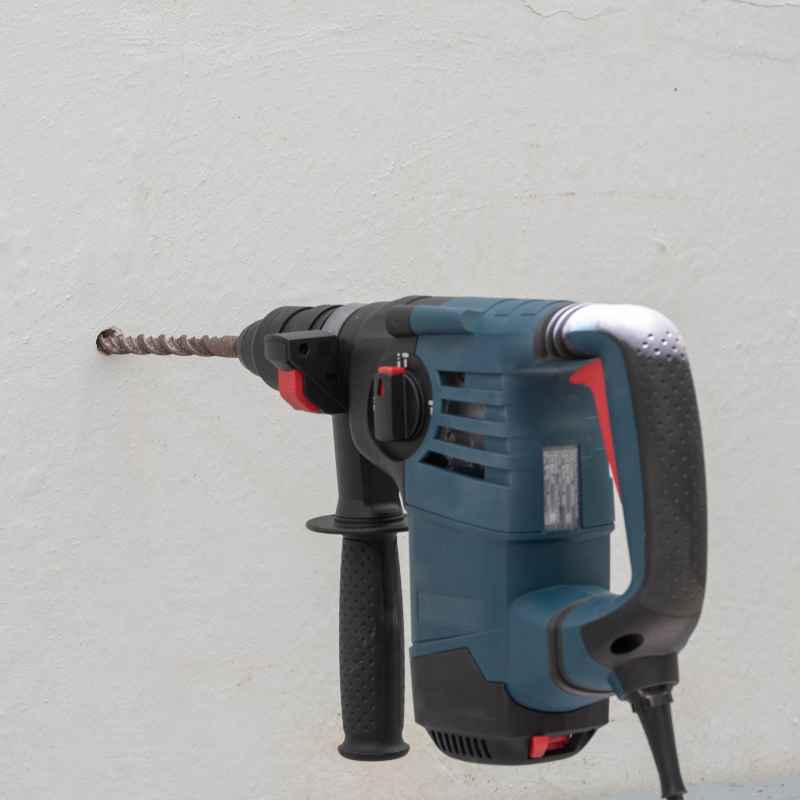
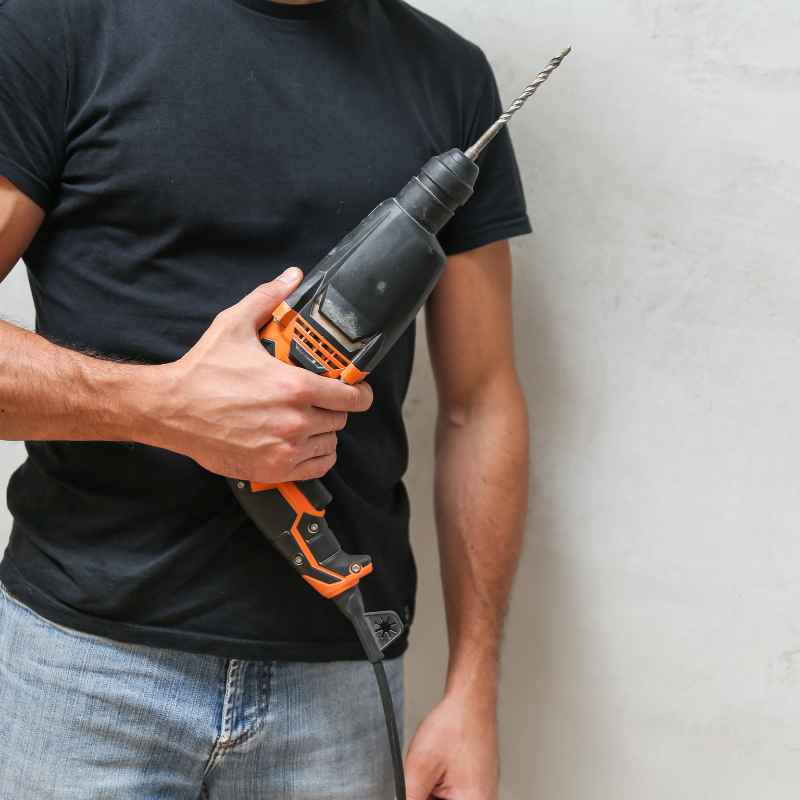
A hammer drill is a bit fancier. It does everything a regular drill does, but with an extra punch. When you turn it on, the bit spins.
At the same time, it hammers forward and backward very quickly. Imagine a jackhammer, but tiny and attached to a drill bit. This action helps break apart hard materials as it drills.
This hammering action is called the “percussion” or “impact” function. It makes a distinct tapping or hammering sound when it’s on. This sound tells you it’s working hard on tough stuff.
Hammer drills have a switch to turn this hammering action on or off. So, you can use it as a regular drill for softer materials. Then, you can switch it to hammer mode for harder things.
Hammer drills are ideal for drilling into masonry. This includes things like brick, stone, and concrete. Need to mount a TV on a brick wall?
Hammer drill time. Want to put up a sturdy fence post in a rocky yard? A hammer drill will make that job much quicker.
It can also be used for general drilling tasks, making it a versatile tool.
Personal Experience: The Day I Learned My Lesson
I remember one sunny Saturday morning. I had this grand idea to build a small garden planter box. I had all the wood, screws, and a brand-new cordless drill.
I was so excited to get started. I started screwing the pieces together. It went pretty well, though some screws felt a little tough to drive in all the way.
I just pushed harder.
Then came the part where I wanted to add some decorative stone accents around the base. My brilliant plan was to drill small holes in the stones to attach them. Big mistake.
I grabbed my regular drill and a masonry bit. I pressed that bit against the first stone and hit the trigger. Nothing.
The bit just spun uselessly. It made a faint scraping sound. I pushed harder.
The drill whined. The stone looked the same.
After about ten minutes of this, I noticed my drill felt hot. The bit was warm. And the stone?
Not even a scratch. I felt so frustrated. I’d wasted time and was making no progress.
That’s when my neighbor, who’s a contractor, walked by. He took one look and laughed. “You need a hammer drill for that, friend,” he said.
He lent me his. It was a game-changer. The moment I flipped that switch and heard that pounding, I knew I’d been fighting a losing battle with the wrong tool.
Drill vs. Hammer Drill: Quick Glance
Regular Drill:
- Spins only.
- Best for wood, metal, plastic.
- Lighter and often cheaper.
- Great for driving screws.
Hammer Drill:
- Spins and hammers.
- Best for concrete, brick, stone (masonry).
- Heavier and more powerful.
- Can also be used as a regular drill.
How They Work Differently: The Science Behind the Punch
The core difference lies in their internal mechanisms. A regular drill has a motor that rotates a shaft. This shaft connects to the chuck where the bit sits.
The chuck spins, and the bit spins with it. Simple and effective for making round holes by cutting material away.
A hammer drill has a similar motor and rotating shaft. But, it adds a special gear system. This system is called a hammer mechanism or an impact mechanism.
When engaged, this mechanism converts the drill’s rotation into a series of rapid, short hammer blows. These blows are delivered in the direction the bit is drilling.
Think of it like this: a regular drill is like a sharp knife slicing through soft cheese. A hammer drill is like a sharp knife with a tiny hammer tapping the back of the blade. This tapping helps the knife penetrate tougher stuff, like hard butter or even a dense cake.
The hammer action is fast, thousands of times per minute.
The strength of the hammering is measured in impacts per minute (IPM). The higher the IPM, the more powerful the hammer action. This is crucial when dealing with very hard materials.
You want enough blows to break apart the material, but not so many that you lose control.
Key Components at Play
Regular Drill:
- Motor: Provides rotational power.
- Gearbox: Reduces motor speed for torque.
- Chuck: Holds the drill bit securely.
- Trigger: Controls speed and power.
Hammer Drill (adds):
- Hammer Mechanism: Converts rotation to linear blows.
- Mode Selector: Switches between drill-only and hammer modes.
- Deeper Clutch Settings: Often has more levels to handle hard materials.
Real-World Context: Where Do You Need the Hammer?
The need for a hammer drill really comes down to the material you’re working with. If you’re building something new out of wood, like a deck or a fence, a regular drill is usually fine. If you’re assembling flat-pack furniture, a regular drill is perfect for driving screws.
But what about your existing home? That’s where hammer drills shine. Many homes in the U.S.
have brick or concrete foundations, walls, or exterior features. Hanging a heavy mirror on a brick wall? Hammer drill.
Installing a basement shelving unit against a concrete wall? Hammer drill. Drilling holes for outdoor lighting in a stone patio?
Hammer drill.
Think about tasks that involve making holes in something that feels solid and unyielding. If you tap it and it makes a hard sound (like stone or concrete), you’ll probably need a hammer drill. If you tap it and it sounds softer (like wood), a regular drill is likely enough.
Sometimes, the environment matters too. Working outdoors where you might hit roots or small rocks in the ground when setting posts? A hammer drill can help power through those.
Even trying to drill into very hard, dense hardwoods might benefit from a hammer drill’s extra force, though it’s less common.
Usage Scenarios: Pick the Right Tool
Use a Regular Drill For:
- Assembling furniture.
- Hanging pictures on drywall.
- Building wooden structures (decks, fences).
- Drilling into soft metals.
- Pre-drilling holes in wood.
Use a Hammer Drill For:
- Drilling into concrete walls or floors.
- Making holes in brick or stone.
- Installing anchors in masonry.
- Mounting heavy items on hard surfaces.
- Working with very dense hardwoods (sometimes).
What This Means for You: Making the Right Choice
So, do you absolutely need a hammer drill? Not for every DIYer. If your projects are mostly wood-based, or you only occasionally need to drill a small hole in drywall, a good regular drill will serve you well.
They are generally lighter and easier to handle for extended periods.
However, if you live in an older home, or if you plan on doing any kind of work involving masonry, a hammer drill is a smart investment. It will save you so much time and frustration. It’s not just about convenience; it’s about being able to complete tasks effectively.
Trying to drill into concrete with the wrong tool is like trying to dig a trench with a spoon – it’s possible, but extremely inefficient and disheartening.
When you’re looking at hammer drills, consider a few things. Do you need corded or cordless? Cordless offers freedom, but corded gives you consistent power.
What’s the power rating? This often relates to RPM (rotations per minute) and IPM (impacts per minute). Higher numbers generally mean more power.
Also, think about the weight. Hammer drills can be heavier than regular drills due to the extra mechanism. If you’ll be working overhead or for long periods, a lighter model might be better.
Many hammer drills also come with an adjustable side handle. This gives you more control and stability, especially in hammer mode.
When to Worry (or Not Worry)
Normal Use for Regular Drill:
- Making clean holes in wood.
- Driving screws without stripping.
- Light-duty tasks around the house.
When You Might Need a Hammer Drill:
- You hit resistance you can’t drill through with a regular drill.
- The drill bit is spinning but not going into the material.
- You are intentionally drilling into brick, concrete, or stone.
- The job requires strong, fast penetration of hard material.
Quick Fixes & Tips for Both
No matter which drill you use, proper technique helps. For any drilling, it’s good to start slow. This helps the bit catch and start the hole cleanly.
A slow speed also gives you more control, preventing the bit from wandering.
When using a hammer drill on masonry, always use masonry drill bits. These bits are made of hardened steel and have carbide tips designed to break through tough materials. Using a regular wood bit in a hammer drill will destroy the bit very quickly.
The same goes for using a masonry bit in a regular drill – it’s just not designed for that impact.
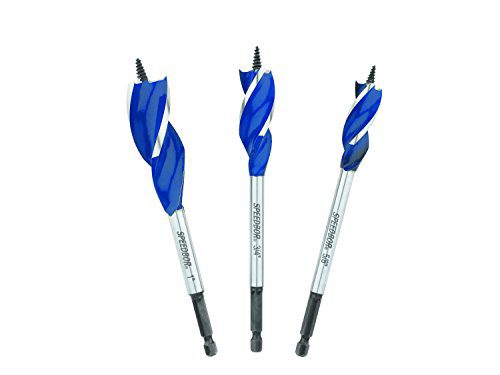
Ensure you have the right drill bit for the job. For wood, use wood bits. For metal, use metal bits.
For masonry, use masonry bits. Using the wrong bit is inefficient and can damage the bit or the tool. Also, don’t force the drill.
Let the tool do the work. Pushing too hard can overheat the motor or break the bit.
If you’re drilling a deep hole, pull the bit out periodically. This clears dust and debris from the hole. This helps prevent the bit from getting stuck.
It also keeps the drilling efficient. For hammer drills, especially in concrete, dust extraction is important. Wear a mask and consider a vacuum attachment if possible.
Essential Tips for Drilling
General Drilling:
- Start Slow: Begin with low speed for a clean entry.
- Let It Work: Don’t force the drill; apply steady pressure.
- Clear Debris: Pull the bit out often for deep holes.
- Use Safety Gear: Always wear eye protection.
Hammer Drilling Specifics:
- Use Masonry Bits: Essential for concrete and brick.
- Engage Hammer Mode: Only when drilling into hard materials.
- Control is Key: Use the side handle for stability.
- Dust Management: Consider dust collection for safety.
Frequent Questions About Drills and Hammer Drills
Can I use a regular drill as a hammer drill?
No, a regular drill does not have the internal mechanism for hammering. Trying to force it will likely damage the drill or the bit. You need a tool specifically designed as a hammer drill for that function.
When should I use a hammer drill instead of a rotary hammer?
A hammer drill is for smaller jobs in masonry, like drilling a few holes for anchors. A rotary hammer is a more powerful tool for heavy-duty demolition or drilling large holes in concrete. For most home DIY, a hammer drill is sufficient.
What are the benefits of a cordless hammer drill?
Cordless hammer drills offer portability and freedom from cords. This is great for working in tight spaces or far from a power outlet. They are convenient for many home projects but ensure the battery life meets your needs.
Can a hammer drill be used for driving screws?
Yes, most hammer drills have a mode selector that allows you to turn off the hammering action. In this mode, they function just like a regular drill/driver and can be used for driving screws.
How do I know if I have a hammer drill or just a regular drill?
Look for a switch or dial on the drill body, often near the chuck. This switch usually has symbols: one for drilling (a simple drill bit icon) and one for hammer drilling (a hammer icon). Some drills also have a clutch setting with numbers.
What kind of drill bit should I use for concrete?
For concrete, you absolutely must use a masonry drill bit. These bits are designed with a hardened carbide tip that can withstand the abrasive nature of concrete and the impact from a hammer drill.
Conclusion
Understanding the difference between a drill and a hammer drill is key. One spins, the other spins and pounds. This simple addition makes a huge difference for hard materials.
Choose the right tool for your task. It will make your projects go smoother and faster. Happy building!
Sponsored / affiliate links. As an Amazon Associate I earn from qualifying purchases. I may earn additional commission from eligible campaigns.