What Material Is Best Drilled With A Hammer Drill? Answered
It’s a common question when you’re staring at a tough wall. You’ve got a project, and you need to make a hole. But what tool is the right one?
Sometimes, a regular drill just won’t cut it. That’s when you might think about a hammer drill. But what can it actually handle?
Let’s get this sorted out.
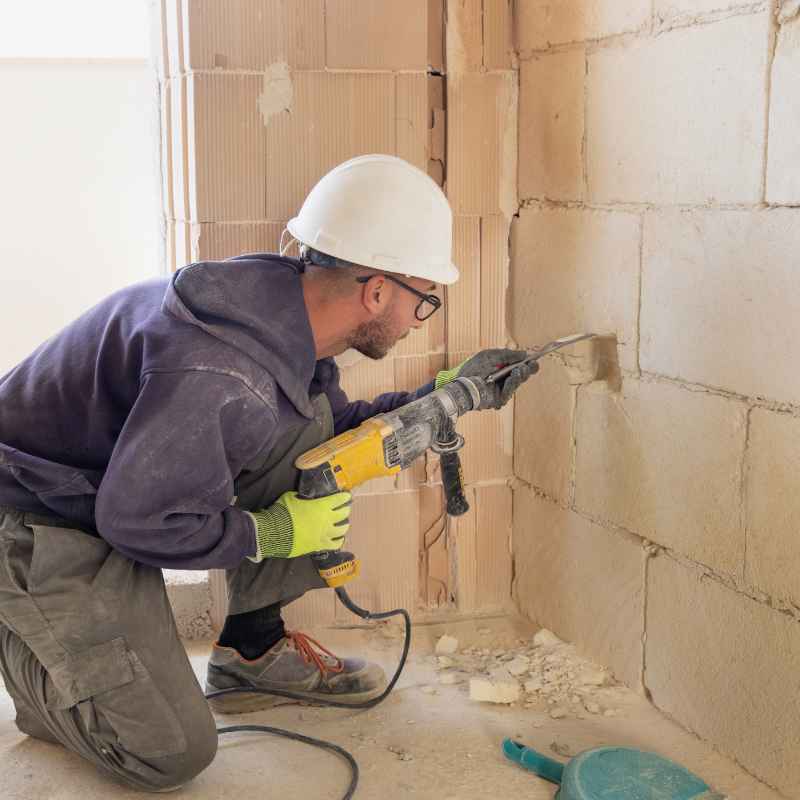
A hammer drill is best for hard materials like concrete, brick, stone, and other masonry. It uses a hammering action along with rotation to break apart tough substances, making it much easier to drill holes in these surfaces. Regular drills lack this percussive force.
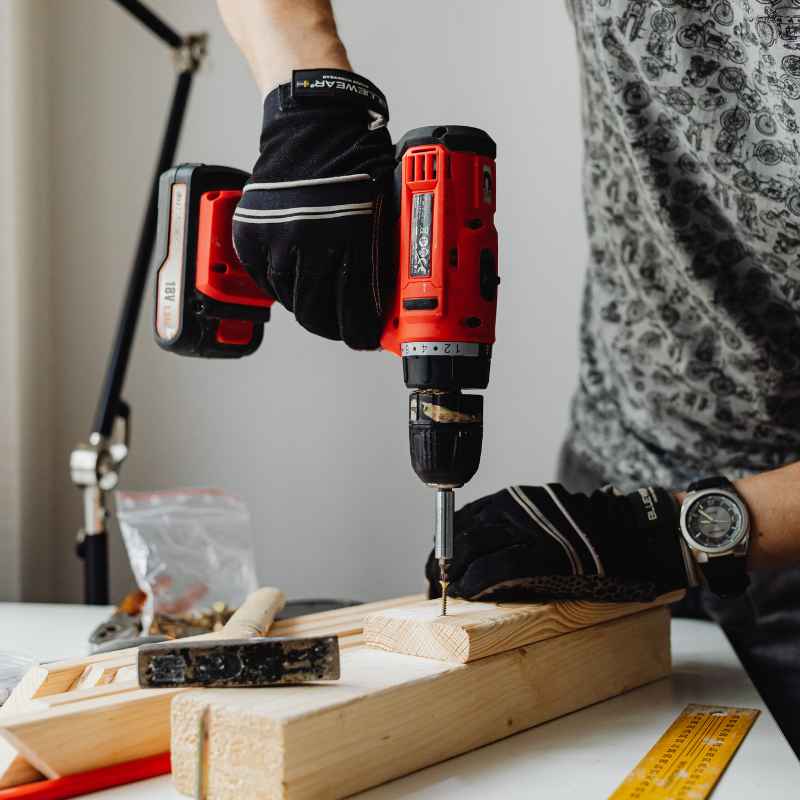
What a Hammer Drill Actually Is
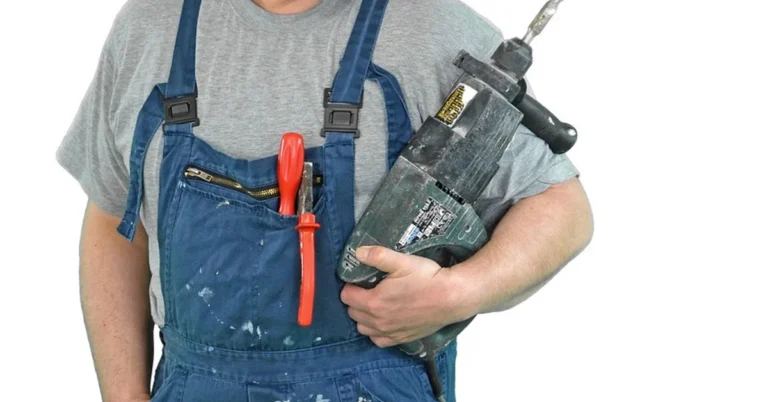
So, what makes a hammer drill different? It’s pretty simple. Think of it like a regular drill, but with an extra punch.
When you use it, it doesn’t just spin. It also pounds forward and backward very fast. This is the hammering action.
This pounding helps break up hard stuff as the drill bit turns. It’s like using a tiny jackhammer on your material. This makes drilling into things like concrete or brick much, much easier.
A regular drill only spins. It doesn’t have that extra force to smash the material.
Why the Hammering Action Matters
The hammering action is key. It works by having two ridged plates inside the drill. As the drill spins, these plates rub against each other.
This creates the forward and backward pounding, or percussion. It’s this rapid hitting that helps the drill bit chip away at hard surfaces.
Imagine trying to break a rock with just your hand. It’s hard. Now imagine if you could tap it very fast while also trying to push it.
It would break easier. That’s what a hammer drill does for tough materials. It’s a combination of spinning and striking.
Materials That LOVE a Hammer Drill
The most common and best use for a hammer drill is with hard building materials. These are often called masonry. Things like concrete, brick, and stone are perfect for it.
If you need to hang a heavy shelf on a concrete wall, a hammer drill is your friend.
It makes drilling into these dense materials possible. Without it, you’d be there all day with a regular drill, and you might not get very far. The drill bit would likely overheat, and you’d get a very shallow hole.
A hammer drill makes it quick and efficient.
My Own Hammer Drill Adventure
I remember one time I needed to hang some outdoor lights. The house had a brick exterior. I thought, “No problem, I’ll just use my regular drill.” Famous last words.
I grabbed my drill and a masonry bit. I started drilling. It barely made a dent.
The drill bit was just spinning, making a lot of noise, but the brick was like iron. I kept pushing. Smoke started to come from the drill.
I felt a surge of panic. Was I going to break my drill? And how was I going to hang these lights?
That’s when I remembered I had an old hammer drill in the garage. I dug it out, put on a fresh masonry bit, and flipped the switch to the hammer setting. The difference was night and day.
The drill bit bit into the brick right away. The hammering action made it chew through the material. Within minutes, I had the holes I needed.
It saved my project and my sanity. I learned that day that the right tool makes all the difference.
Concrete: The King of Hammer Drill Use
Concrete is what hammer drills are made for. It’s a mix of cement, sand, and gravel. This makes it very hard and dense.
A hammer drill’s pounding action breaks down these components. This allows the drill bit to bore through.
You’ll use it for:
- Mounting brackets.
- Installing shelves.
- Running wires or pipes.
- Anchoring furniture.
It’s essential for any DIYer working with concrete.
Why Not Wood or Metal?
So, if a hammer drill is so great for tough stuff, can you use it on everything? Not really. Using a hammer drill on softer materials like wood or metal isn’t ideal.
In fact, it can actually cause problems.
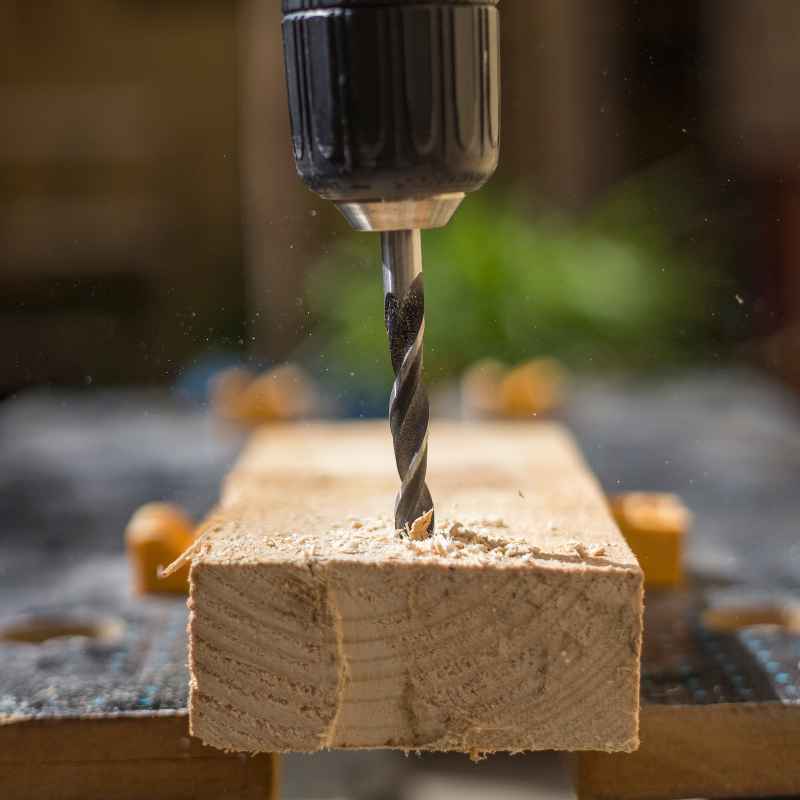
The hammering action is too aggressive for wood. It can split the wood. It can also create a rough, uneven hole.
For metal, it’s similar. The pounding can warp the metal or damage the drill bit. It’s overkill and can ruin your material.
Brick and Stone: Natural Partners
Brick is baked clay. It’s strong but can be brittle. The hammer drill helps break through the surface without shattering the whole brick.
Stone, of course, is naturally hard. Hammer drills are perfect for drilling into many types of stone.
Always use a masonry drill bit for these materials.
Understanding Drill Bits
The type of drill bit you use is just as important as the drill itself. For hammer drills, you need specific bits. These are called masonry drill bits.
They have special tips made of very hard materials, like carbide.
These tips are designed to withstand the impact of the hammer action. They are also shaped to cut into concrete, brick, and stone. Using a regular wood bit or metal bit with a hammer drill will quickly ruin the bit.
It might even damage the drill.
What About Drywall or Plaster?
What about walls that aren’t concrete? Most interior walls in homes are made of drywall or plaster. These materials are much softer than masonry.
You absolutely do not need a hammer drill for them.
A regular drill is more than enough. In fact, using a hammer drill on drywall can tear it apart. It will create a mess and damage the wall surface.
Stick to your standard drill for these jobs.
When NOT to Use a Hammer Drill
- Wood: Can split and create rough holes.
- Metal: Can warp the material or damage bits.
- Drywall/Plaster: Too aggressive, will tear the material.
- Tile (some types): Can crack delicate tiles. Use a specific tile bit and a regular drill with care.
Always match your drill, bit, and material.
Switching Modes: Hammer vs. Drill
Most hammer drills have a switch. This switch lets you choose the mode. You can use it as a regular drill, or as a hammer drill.
This is super handy. It means one tool can do multiple jobs.
When you’re drilling into concrete, you’ll flip the switch to the hammer setting. When you switch to drilling a piece of wood, you flip it back to the regular drill setting. This versatility is why many people own a hammer drill.
The Drill Setting Explained
The drill setting is like any other drill. It just spins the bit. There’s no hammering action.
This is what you use for most materials that aren’t super hard. Think of drilling holes for screws in a wooden stud, or attaching something to a metal frame.
The drill speed and torque are your main controls here. You adjust them based on the material and the size of the drill bit. It’s important to know when to use this setting to avoid damage.
The Hammer Setting Explained
The hammer setting engages that special percussive action. The bit pounds and spins at the same time. This is your go-to for masonry.
It’s what lets you bore into concrete blocks, brick walls, and even solid stone.
When you’re in hammer mode, you’ll often feel a vibration in your hand. This is normal. It’s the tool doing its work.
You still need to apply steady pressure, but let the drill do the heavy lifting.
Quick Scan: Hammer Drill vs. Regular Drill
| Feature | Hammer Drill | Regular Drill |
|---|---|---|
| Action | Rotation + Percussion | Rotation Only |
| Best For | Concrete, Brick, Stone | Wood, Metal, Drywall |
| Drill Bits | Masonry Bits | Wood Bits, Metal Bits |
| Use Case Example | Mounting a TV on a brick wall | Assembling furniture |
Common Materials for Hammer Drills
Let’s list out the common materials that are ideal for a hammer drill. This should give you a clear picture of when to reach for this powerful tool.
- Concrete: Foundational elements, patios, sidewalks, garage floors, basement walls.
- Brick: Exterior walls, chimneys, garden features.
- Stone: Natural stone walls, decorative elements, quarry stone.
- Concrete Blocks (CMUs): Foundation walls, retaining walls, building structures.
- Mortar Joints: The spaces between bricks or stones.
- Asphalt: For certain repair or anchoring jobs, though specialized tools are often better.
These materials have a dense, hard structure. The hammer drill’s ability to pound and rotate is essential for making progress.
Materials to Avoid with a Hammer Drill
Just as important is knowing what to steer clear of. Using a hammer drill on the wrong material is a recipe for disaster. It can damage your workpiece, your drill bit, and even your drill.
- Wood: Softwoods and hardwoods.
- Metals: Steel, aluminum, iron, copper.
- Plastic: PVC pipes, plastic sheeting.
- Drywall and Plaster: Interior wall coverings.
- Glass: Very brittle and will shatter.
- Ceramic Tile: Can easily crack or shatter.
For these, a standard drill or a specialized tool is required.
Contrast: Normal vs. Concerning
Normal Use: Drilling a hole in a concrete wall to hang a heavy picture frame. You feel the vibration, hear the grinding, and see dust. The hole is clean and deep enough.
Concerning Use: Trying to drill into a wooden door frame with the hammer setting on. The wood splinters violently, the bit gets stuck, and the drill makes a terrible noise. This is not how it’s meant to be used.
When You Need a Hammer Drill (and When You Don’t)
Let’s think about real-world scenarios. When does a hammer drill become a necessity? When is it just overkill?
When You Definitely Need One
You’re building a deck and need to anchor posts into a concrete footing. You need to hang heavy outdoor lights on your brick house. You’re installing a new basement window and need to cut through concrete blocks.
You’re running electrical conduit through a concrete wall. These are all prime hammer drill situations.
When You Can Stick to a Regular Drill
You’re assembling a flat-pack bookcase. You’re drilling pilot holes for screws in a wooden deck frame. You’re putting up a lightweight shelf on a drywall interior wall.
You’re drilling a hole in a metal railing. You need to make a small hole in a plastic pipe for a fitting.
In these cases, a regular drill is the better choice. It’s safer for the material and likely more efficient. It also puts less strain on the tool.
The Experience of Drilling Masonry
Drilling into masonry with a hammer drill is a unique experience. It’s not silent. You’ll hear a rhythmic chipping sound mixed with the whirring of the drill.
Dust will fly. You’ll feel the tool vibrate in your hands. It’s a robust process.
Applying steady, firm pressure is important. Don’t force it. Let the tool do the work.
If you hit rebar (metal rods inside concrete), you’ll feel a hard stop. This is when you need to change your hole location or use a different technique.
Observational Flow: Drilling Concrete
- Setup: Attach the correct masonry bit to the hammer drill. Select the hammer drill mode. Put on safety glasses and ear protection.
- Mark: Mark the spot for your hole.
- Start: Place the bit on the mark. Start the drill at a low speed to create a small dimple.
- Engage Hammer: Increase speed and engage the hammer action. Apply steady pressure.
- Drill: Let the tool break apart the concrete. Periodically pull the bit out slightly to clear dust.
- Finish: Once the desired depth is reached, withdraw the bit while still spinning slowly.
- Clean: Clear the hole of dust before inserting anchors or fasteners.
Safety First with Hammer Drills
Hammer drills are powerful. Because they deal with tough materials, safety is paramount. Always wear safety glasses.
Dust from concrete and brick can harm your eyes. Ear protection is also a good idea. The noise can be loud.
Make sure the drill bit is securely in the chuck. Check that the cord (if it’s corded) isn’t a tripping hazard. If you’re drilling overhead, be aware of falling debris.
Ensure you have a firm grip on the drill.
When to Consider a Rotary Hammer
For very demanding jobs, like breaking up concrete slabs or large-scale construction, a hammer drill might not be enough. That’s when you’d look at a rotary hammer. These are even more powerful than hammer drills.
They use a different mechanism for hammering.
A rotary hammer is typically used by professionals for heavy-duty tasks. For most home projects, a good quality hammer drill is sufficient. Don’t confuse the two; a rotary hammer is a step up in power and capability.
Quick Tip: Drill Bit Care
Keep it sharp: A dull masonry bit will struggle and overheat. Resharpen or replace as needed.
Use the right bit: Carbide-tipped bits are essential for masonry.
Cooling: For long drilling sessions, consider pulling the bit out periodically to let it cool and clear dust.
What This Means for Your Projects
Knowing which material is best for a hammer drill simplifies your tool selection. You won’t waste time trying to drill concrete with a regular drill. You also won’t damage softer materials by using the wrong setting.
This knowledge helps you complete projects more efficiently and safely. It ensures the best results for your hard work. It’s about matching the tool to the task.
When to Worry About What You’re Drilling
If you’re drilling into a wall and hit something unexpectedly hard, it’s not always rebar. It could be a very dense part of the material. If you’re drilling into an old brick wall, you might hit a pocket of very hard mortar or even a hidden stone.
If you’re drilling into concrete and you suspect there’s plumbing or electrical conduit inside, stop. You don’t want to damage vital systems. Always try to know what’s behind the surface you’re drilling into.
Simple Checks Before You Drill
Before you start drilling into any wall, especially if it’s masonry, a few checks can save you trouble. If you’re unsure about what’s inside the wall, especially near pipes or wires, use a stud finder that can detect metal and live electrical wires. For concrete, try to find out if there’s rebar.
If you’re drilling into an exterior wall and need to anchor something heavy, ensure you’re using appropriate anchors designed for concrete or brick. The right anchor is as important as the right drill.
Quick Fixes and Tips for Hammer Drilling
Here are some straightforward tips for getting the best out of your hammer drill when working with masonry.
- Start Slow: Begin drilling at a slower speed to create a small indentation. This helps prevent the bit from wandering.
- Let the Tool Work: Don’t push too hard. The hammering action should do the cutting.
- Clear Dust: Periodically pull the bit out of the hole while it’s still spinning slowly. This clears dust and helps cool the bit.
- Use Depth Stop: Many hammer drills have a depth stop rod. Use it to ensure you drill to the exact depth needed.
- Maintain Pressure: Apply steady, consistent pressure.
- Keep Bits Sharp: Dull bits make the job harder and can damage the drill.
Frequently Asked Questions About Hammer Drills
Can I use a hammer drill on regular walls?
No, you should not use a hammer drill on regular interior walls made of drywall or plaster. The hammering action is too aggressive and will damage the wall surface, creating a mess and an uneven hole. A standard drill is sufficient for these materials.
What is the difference between a hammer drill and a regular drill?
A regular drill only spins its bit. A hammer drill spins its bit and also hammers it forward and backward rapidly. This hammering action helps break apart tough materials like concrete and brick, making it easier to drill holes in them.
Do I need special drill bits for a hammer drill?
Yes, absolutely. When using the hammer drill function, you must use masonry drill bits. These bits have carbide tips and are designed to withstand the percussive force and cut through hard materials like concrete, brick, and stone.
Regular drill bits will be damaged quickly.
Can a hammer drill damage concrete?
While a hammer drill is designed for concrete, excessive force or improper use can cause issues. Using the wrong bit or holding the drill at an awkward angle for too long might lead to chipping or a rougher hole than intended. However, for standard tasks, it’s safe and effective.
Is a hammer drill safe for drilling into tile?
Generally, it’s not recommended to use the hammer function on most ceramic or porcelain tiles. The hammering can easily cause the tile to crack or shatter. If you need to drill into tile, use a standard drill with a specialized tile or glass drill bit at a slow speed.
Some very hard engineered tiles might require specific techniques.
What should I do if I hit rebar while using a hammer drill?
If you encounter rebar (a metal rod within concrete), stop drilling immediately. The hammer drill will not be able to cut through it. You will need to either relocate your hole a few inches away or use a specialized diamond-tipped bit, which is much more expensive and typically used by professionals.
Conclusion
So, when should you use a hammer drill? It’s all about the material. For tough stuff like concrete, brick, and stone, a hammer drill is your best friend.
It makes drilling possible and much faster. For softer things like wood or drywall, stick to your regular drill.
Knowing this will help you choose the right tool and get your projects done right, safely, and with less frustration. Happy drilling!
Sponsored / affiliate links. As an Amazon Associate I earn from qualifying purchases. I may earn additional commission from eligible campaigns.