Do Residential Water Heaters Need a Pressure Relief Valve Drain?
Residential water heaters require a pressure relief valve drain to safely discharge excess pressure and prevent explosions. This guide explains why a drain line is mandatory, how to install it correctly, and what happens if you skip this critical safety component.
Simply put, every residential water heater must have a pressure relief valve with a drain line that terminates within 6 inches of the floor. This ensures safety and compliance with plumbing codes. Without it, you risk catastrophic failure, property damage, and injury.
Key Takeaways
- Pressure relief valve drain lines are required by national plumbing codes for all residential water heaters.
- The drain line must be made of approved materials (copper, CPVC, or galvanized steel) and terminate within 6 inches of the floor.
- An improperly installed or missing drain line can lead to steam explosions, scalding, and voided warranties.
- Regular testing of the valve and drain line ensures long-term safety and compliance.
What Is a Pressure Relief Valve and Why Does It Need a Drain?
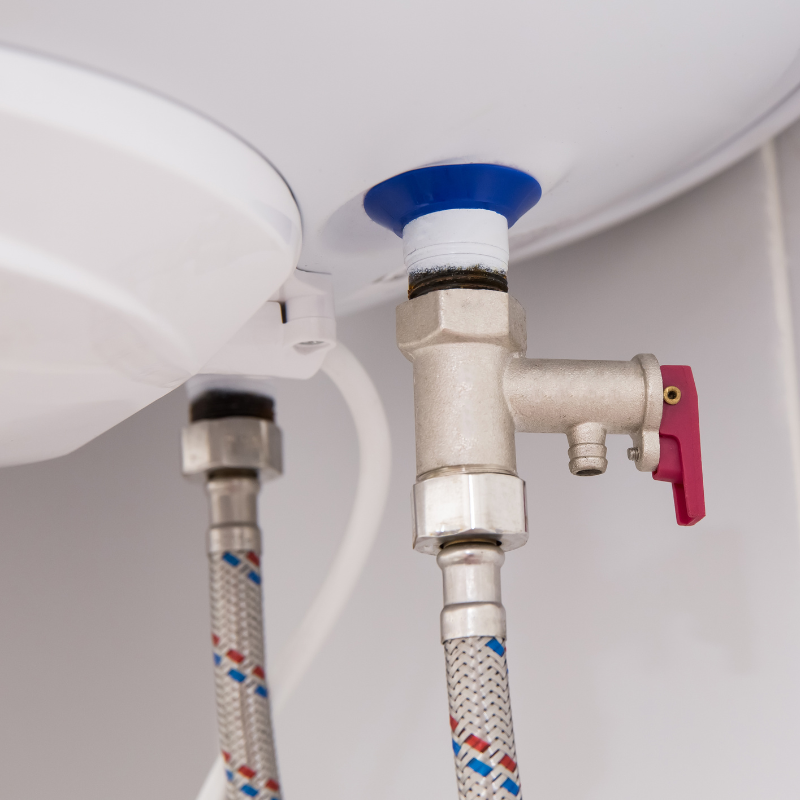
A pressure relief valve (PRV) is a critical safety device mounted on every residential water heater. Its job is simple: if the internal pressure or temperature exceeds safe limits, the valve opens to release water and steam, preventing a potential explosion.
But releasing that hot water directly onto the floor or into the utility room is dangerous – it can cause burns, slip hazards, and water damage. That’s where the drain line comes in. A drain pipe channels the discharge safely to a floor drain, outdoors, or to an approved disposal point.
- The drain line must be the same size as the valve outlet (typically 3/4 inch).
- It must slope downward continuously with no traps or low points.
- Termination must be within 6 inches of the floor to avoid high-pressure spray.
- Materials allowed: copper, CPVC, PEX (check local code), or galvanized steel.
- The line must be accessible and not run through walls or concealed spaces.
- No shut-off valves or reducers are permitted on the drain line.
- The discharge must be visible so leaks are noticed.
According to the Consumer Product Safety Commission, water heater failures due to overpressure cause over 100 injuries and millions in property damage annually. Properly installed drain lines virtually eliminate these risks.
How to Install a Pressure Relief Valve Drain Line Correctly
Installing a drain line sounds straightforward, but small mistakes can compromise safety. Follow these steps to ensure your installation meets code and works reliably.
- Turn off power and water: Shut off gas or electricity and close the cold water supply valve.
- Drain the tank partially: Attach a garden hose to the drain valve and empty a few gallons to relieve pressure.
- Remove the old valve (if replacing): Use a pipe wrench to unscrew the existing pressure relief valve.
- Apply thread sealant: Wrap Teflon tape (4-5 wraps) clockwise onto the threads of the new valve.
- Install the new valve: Screw in hand-tight, then use a wrench for a final quarter turn – do not overtighten.
- Attach the drain line: Connect the pipe to the valve outlet using the appropriate fitting. Ensure it slopes downward continuously.
- Route to termination: Bring the line to a floor drain, standpipe, or exterior location within 6 inches of the ground.
- Secure and test: Support the line with brackets every 3 feet. Open the valve briefly to flush debris and confirm proper operation.
Warning: Never install a shut-off valve on the pressure relief valve drain line. This violates code and turns the safety device into a lethal trap.
If you are not confident in your plumbing skills, hire a licensed plumber. The cost is minimal compared to the potential damage from a failed installation.
Common Mistakes When Installing Water Heater Pressure Relief Drain Lines
Even experienced DIYers can make errors that render the drain line ineffective. Here are the most frequent mistakes and how to avoid them.
| Mistake | Why It’s Dangerous | Correct Solution |
|---|---|---|
| Using a pipe that is too small | Creates backpressure, preventing proper discharge | Use 3/4-inch pipe (same as valve outlet) |
| Terminating more than 6 inches above floor | Hot water spray can injure bystanders | End within 6 inches of floor or drain |
| Running pipe through a wall or ceiling | Hidden leaks cause mold and structural damage | Route in open, visible area |
| Installing a shut-off valve or union | Valve can be closed, disabling safety device | No shut-off, no unions – continuous pipe |
| Using plastic pipe too close to valve | Heat can melt PVC, causing failure | Use copper or CPVC for first 18 inches |
Avoiding these common errors ensures your drain line works when you need it most. If you spot any of these issues in your own installation, correct them immediately.
How to Test Your Water Heater Pressure Relief Valve
Testing the pressure relief valve is a simple but important maintenance task. The American Society of Mechanical Engineers (ASME) recommends testing every 6 months to ensure the mechanism isn’t stuck.
- Place a bucket under the end of the drain line to catch water.
- Carefully lift the lever on the valve for about 5 seconds – you should hear a rush of water into the drain.
- Release the lever and check that the valve reseals completely. No dripping should occur.
- If water continues to leak after releasing, the valve is faulty and needs replacement.
- If no water comes out, the valve may be completely blocked – replace it immediately.
Tip: Test in cool weather when hot water usage is low. The water may be very hot – avoid direct contact.
If your valve is more than 5 years old or shows signs of corrosion, replace it regardless of test results. Valves can fail internally even if they appear functional.
What Happens If You Don’t Have a Drain Line?
Operating a water heater without a pressure relief valve drain line is extremely dangerous. The valve itself may still open, but without a drain, scalding water and steam will shoot directly into the room.
Consequences include:
- Severe burns: Water temperatures can exceed 200°F, causing third-degree burns on contact.
- Flooding and property damage: Gallons of boiling water can ruin flooring, drywall, and personal belongings.
- Mold growth: Moisture promotes mold within 24-48 hours.
- Explosion risk: If the valve is disabled or blocked, pressure buildup can cause the tank to rupture violently. The Energy Department reports that water heater explosions have the force of a small bomb.
- Voided warranty: Manufacturers require proper drain line installation; skipping it nullifies coverage.
- Insurance denial: Homeowner’s insurance may deny claims if the damage results from code violations.
Simply put, a missing or improper drain line turns a safety device into a liability. The cost of installation is trivial compared to these risks.
Local Plumbing Codes and the Pressure Relief Valve Drain Requirement
Both the International Plumbing Code (IPC) and the Uniform Plumbing Code (UPC) mandate a drain line for all pressure relief valves on water heaters. However, local amendments can vary.
| Code Aspect | IPC Requirement | UPC Requirement |
|---|---|---|
| Mandatory drain line | Yes | Yes |
| Minimum pipe size | Same as valve outlet (min 3/4″) | Same as valve outlet (min 3/4″) |
| Termination height | Within 6″ of floor | Within 6″ of floor |
| Allowed materials | Copper, CPVC, galvanized steel | Copper, CPVC, listed plastic |
| Shut-off valves | Prohibited | Prohibited |
Check with your local building department for specific requirements. Some municipalities require PEX for flexibility, while others mandate metallic pipe near the valve. Always pull a permit if required – inspectors verify the drain line is up to code.
Types of Discharge Pipes for Pressure Relief Valve Drains
Not all pipes are suitable for a pressure relief valve drain line. The material must withstand high temperatures and resist corrosion. Here are the common choices.
- Copper (Type M or L): Preferred for durability and heat resistance. Use with lead-free solder. Expensive but long-lasting.
- CPVC (Chlorinated Polyvinyl Chloride): Can handle up to 200°F. Cheaper than copper and easy to install with solvent cement. Check local code acceptance.
- Galvanized steel: Heavy-duty but prone to rust over time. Less common in modern installations.
- PEX (Cross-linked Polyethylene): Flexible and freeze-resistant, but must be kept at least 18 inches from the valve outlet due to heat sensitivity.
- PVC (Polyvinyl Chloride): NOT allowed – PVC softens at temperatures above 140°F and can fail.
Important: Always use the rated pipe for the highest temperature the water heater can produce. Gas water heaters typically have higher discharge temperatures than electric models.
When in doubt, consult the water heater manufacturer’s manual. Many specify approved materials for the drain line, and using unapproved materials voids the warranty.
Maintenance Tips for Your Water Heater’s Pressure Relief Valve
Proactive maintenance extends the life of your safety system and prevents sudden failures. Incorporate these tasks into your annual home maintenance routine.
- Test the valve semi-annually using the method described above.
- Inspect the drain line for rust, corrosion, or blockages (e.g., spiderwebs or debris).
- Ensure the termination point is clear and not submerged in standing water.
- Check that all support brackets are secure and the pipe has not sagged.
- Replace the valve every 5 years or sooner if it shows signs of leakage or corrosion.
- After flushing the water heater (recommended annually), test the PRV to confirm sediment hasn’t affected it.
- If you have hard water, consider a water softener to reduce mineral buildup on the valve seat.
Remember, the pressure relief valve is your last line of defense. A well-maintained system gives you peace of mind and ensures your family stays safe.
Frequently Asked Questions
What size pipe do I need for a water heater pressure relief valve drain?
Use the same size as the valve outlet, which is typically 3/4 inch. Never reduce the pipe diameter, as that creates backpressure and prevents proper discharge.
Can I run the drain line outside?
Yes, but terminate within 6 inches of the ground and direct flow away from foundations or walkways. Avoid locations where the discharge could cause ice hazards in winter.
How often should I replace the pressure relief valve?
Replace every 5 years or according to the manufacturer’s recommendation. Frequent leakage or failure during testing indicates immediate replacement is needed.
Does the drain line need to be insulated?
Insulation is not required, but in unheated areas, insulation can prevent freezing of the drain line. Use pipe insulation rated for high temperatures.
What if my water heater has no pressure relief valve at all?
That is unsafe and violates nearly all building codes. Contact a plumber immediately to install a proper valve and drain line. Do not operate the water heater without one.
Final Thoughts
The pressure relief valve drain line is a simple, inexpensive component that plays a life-saving role. Every residential water heater must have one installed to code. Test it twice a year, replace the valve every five years, and never bypass the drain line.
A few minutes of maintenance protect your home, your family, and your peace of mind.
Sponsored / affiliate links. As an Amazon Associate I earn from qualifying purchases. I may earn additional commission from eligible campaigns.