Do Water Heater Blankets Work?
Water heater blankets work, but only meaningfully on older tanks with weak factory insulation, and the energy savings on a newer, well-insulated tank are often too small to justify the cost and effort. A blanket wraps the tank’s exterior in an extra layer of fiberglass insulation to reduce standby heat loss, the heat a tank loses to the surrounding air between uses. This guide covers when a blanket actually pays off, which tanks should skip one, and how to install one safely.
How to tell if your tank actually needs one
Check the tank’s existing insulation R-value, usually printed on the manufacturer’s label or spec sheet, sometimes called the “energy factor” or “standby loss” rating. Tanks made before roughly the mid-2000s often have factory insulation around R-5 to R-10, while most tanks built after 2015 or so come insulated closer to R-16 or higher due to updated federal efficiency standards. A simple physical check also works: if the tank feels warm to the touch on the outside, it is losing meaningful heat through the shell and is a good candidate for a blanket; a tank that stays cool to the touch is already insulated well enough that a blanket adds little.
Electric versus gas tanks
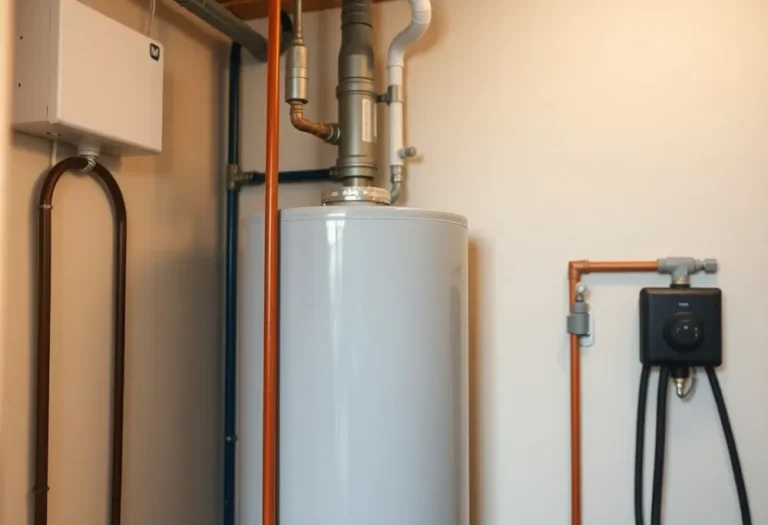
Blankets are straightforward and effective on electric water heaters since there is no combustion or venting to work around, the blanket simply wraps the full cylindrical shell. Gas water heaters need more care: the blanket must never cover the top control valve, the burner access panel at the bottom, or the exhaust flue at the top, since blocking any of these can interfere with combustion air intake or venting and create a carbon monoxide hazard. Manufacturer-made insulation kits are pre-cut with these cutouts marked, which is safer than wrapping a generic blanket and cutting your own openings.
Installation basics
Wrap the blanket around the tank body, leaving the top thermostat and, on electric models, both upper and lower thermostat access panels uncovered or covered only with the kit’s included flap that can be lifted for maintenance. Secure the blanket with the tape or straps provided rather than pins or staples, which can puncture the tank’s outer jacket. On gas units, maintain the clearances specified in the kit’s instructions around the burner compartment and flue, and never let insulation material contact the flue pipe itself, which gets hot enough to be a fire risk if insulation is pressed against it.
When a blanket is the wrong fix
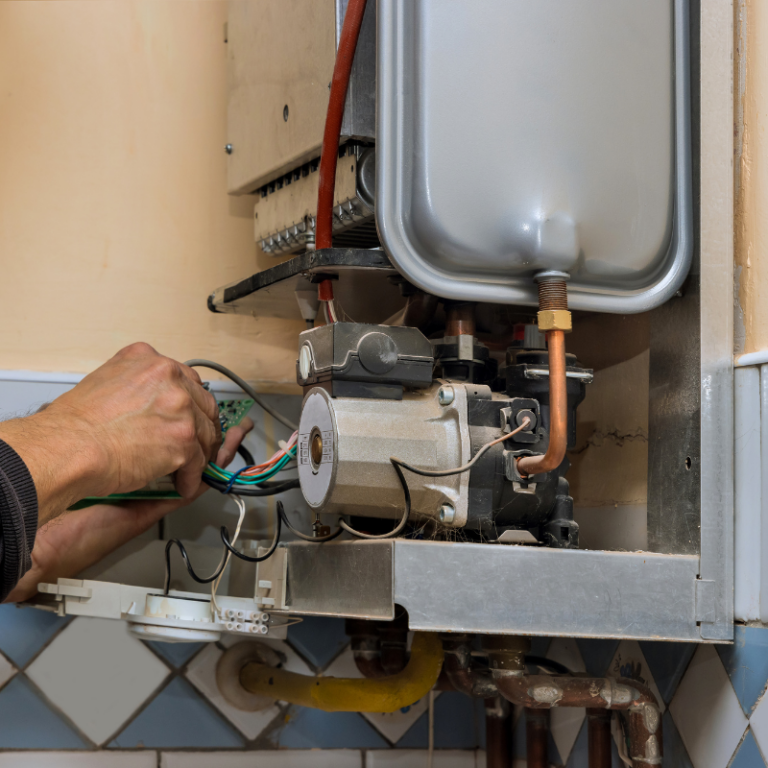
If the actual problem is inconsistent hot water rather than high energy bills, a blanket will not help since it only slows heat loss between uses, it does not affect recovery time or heating capacity. A tank showing signs of an actual heating fault, such as a water heater not heating properly, needs its thermostat, heating element, or burner diagnosed and repaired, not additional insulation on the outside.
Frequently Asked Questions
Will a blanket void my water heater warranty?
Most manufacturers do not void warranties for a properly installed blanket that leaves required panels and vents clear, but some newer high-efficiency tanks explicitly advise against adding one since factory insulation is already sufficient. Check your specific tank’s manual before installing.
How much does a water heater blanket cost?
A standard fiberglass insulation kit typically costs between $20 and $30 and installs in about 30 to 45 minutes without special tools, making the payback period fairly short on an older, poorly insulated tank.
Do tankless water heaters need a blanket?
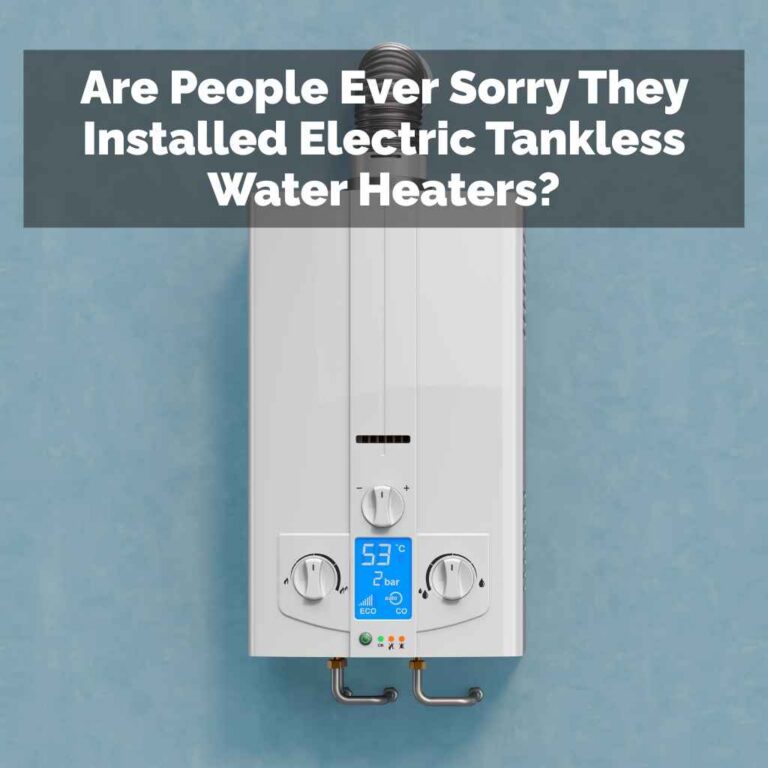
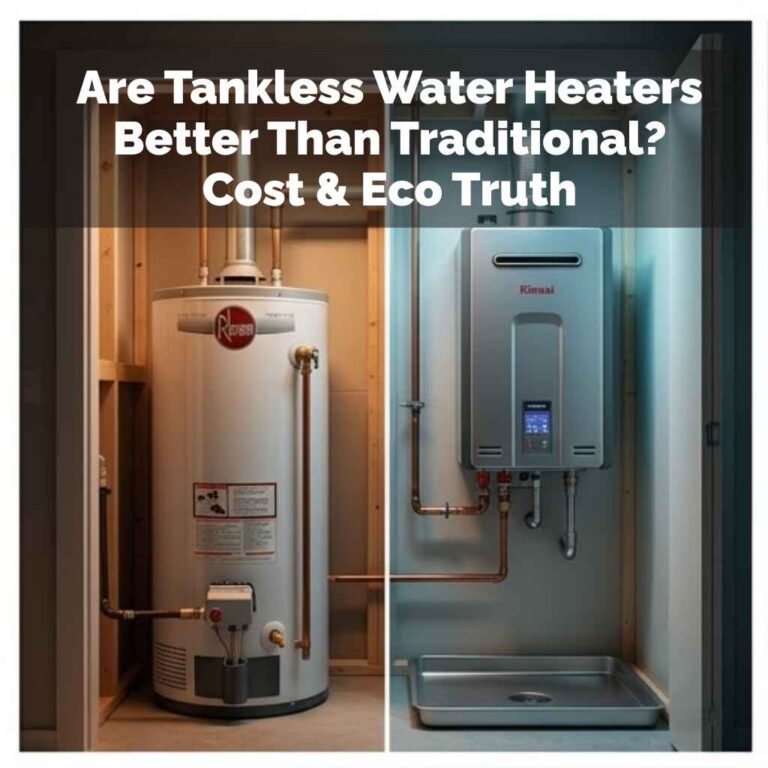
No, tankless units heat water on demand rather than storing a heated reserve, so there is no standby tank losing heat between uses, which is the exact problem a blanket is designed to solve.
Sponsored / affiliate links. As an Amazon Associate I earn from qualifying purchases. I may earn additional commission from eligible campaigns.