How Long Does Pre Painted Hardie Board Last? What To Know
When you’re building or renovating a home, you want materials that last. You want them to look good for years. Hardie Board siding is a popular choice.
Many people wonder about its lifespan, especially when it comes in pre-painted colors. It’s a big investment, and you want to know what to expect.
Pre-painted Hardie Board siding can last 20-30 years or even longer with proper care. Its lifespan depends on several factors like climate, installation quality, and maintenance routines. Regular cleaning and prompt attention to any issues help ensure it looks great and performs well for many decades.
Understanding Hardie Board Siding Lifespan
James Hardie is a well-known brand for fiber cement siding. It’s made from cement, sand, and cellulose fibers. This mix makes it very strong and durable.
It’s a great alternative to wood siding. Wood can rot or get eaten by insects. Vinyl siding can crack or fade easily.
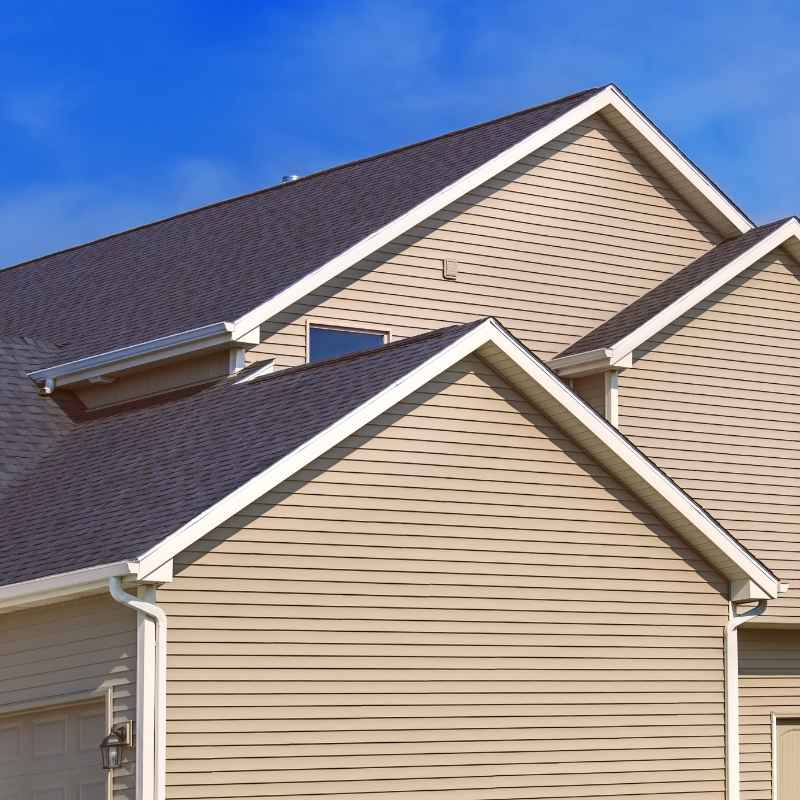
Pre-painted Hardie Board means the siding panels are painted at the factory. This factory paint job is usually very high quality. It’s applied in controlled conditions.
This gives it a better finish than many on-site paint jobs. The paint is designed to stick well. It can handle different weather conditions.
So, how long does this siding actually last? Experts and manufacturers often say 20 to 30 years is a good range. Some homes with well-maintained Hardie Board siding can see it last even longer.
We’re talking 40 or 50 years in some cases. This is a huge benefit for homeowners. It means fewer worries about big siding replacements.
This long life is thanks to the material itself. Fiber cement doesn’t warp or sag like wood. It resists rot and decay.
It also stands up well against fire and pests. The pre-painted finish adds another layer of protection. It guards against UV rays and moisture.
Factors Affecting Hardie Board Lifespan
While Hardie Board is built to last, a few things can affect how long it truly performs well. Think of it like any good product. How you use it and where you use it matters.
Here are the big ones:
Key Factors Influencing Siding Longevity
- Climate: Extreme weather takes a toll.
- Installation: Proper steps are vital.
- Maintenance: Regular care makes a difference.
- Color Choice: Dark colors absorb more heat.
- Surface Exposure: Direct sun and rain matter.
Climate Conditions
Your local weather plays a huge role. Homes in areas with harsh winters and hot summers face more challenges. Heavy snow loads and ice can stress any material.
Intense sun can fade colors faster over time, even with good paint. High humidity can encourage mold growth if not managed. Coastal areas might deal with salt spray, which can be corrosive.
For instance, in the Pacific Northwest, heavy rain is common. This means the siding needs good water management. In the Southwest, the intense sun can be a bigger concern for paint.
In the Midwest, freeze-thaw cycles can be tough. Understanding your climate helps you appreciate why your siding might behave differently than a neighbor’s in another state.
Installation Quality
This is huge! Even the best material won’t last if it’s installed incorrectly. The siding needs to be attached properly.
There must be the right amount of space between panels for expansion and contraction. Proper flashing is crucial around windows and doors. This stops water from getting behind the siding.
A bad installation can lead to gaps. Water can seep in. This can cause damage to the house structure.
It might also lead to the siding failing prematurely. Always use experienced installers who know Hardie Board. They should follow the manufacturer’s guidelines exactly.
This ensures your siding gets the best start.
Maintenance Routines
Pre-painted Hardie Board isn’t “no maintenance.” It’s “low maintenance.” That means you still need to do a few things. Regular cleaning is key. Dirt, pollen, and mold can build up.
This can make the siding look dull. It can also hide problems.
A simple wash with mild soap and water usually does the trick. You can use a soft brush or a hose. Avoid pressure washers.
They can damage the paint or force water into gaps. Checking for any cracks or damage regularly is also smart. Small issues are easier and cheaper to fix early.
Color and Exposure
Did you know the color of your siding can impact its lifespan? Darker colors tend to absorb more heat from the sun. This constant heating and cooling can put a little more stress on the material and the paint.
It might lead to slightly faster wear compared to lighter colors.
Also, consider how much of your house gets direct sun. Walls that face south or west might see more intense sun exposure. Areas under deep eaves get more shade.
This natural protection can help those sections last a bit longer or look newer for more years.
Personal Experience: That Time the Siding Looked Off
I remember helping a friend, Sarah, with her house. She’d bought a lovely home with pre-painted Hardie Board in a deep forest green. It looked stunning when she first moved in.
About five years later, she started noticing some dull spots. They were mostly on the side that got the most afternoon sun.
She started to worry. Was the siding failing? Was the paint job bad?
She called the builder, but they said it was outside their warranty for cosmetic issues. I suggested we just try cleaning it first. We got a bucket, some mild soap, and a soft brush.
We started on one of those dull sections. Gently, we scrubbed. As we rinsed, Sarah gasped.
The green was vibrant again! The dullness was just dirt and pollen that had built up over time. It had settled into the texture of the siding.
We spent the rest of the afternoon washing the whole house. It looked almost new again. That experience really hammered home for me how much simple cleaning can do.
It saved her a lot of potential worry and expense.
Siding Care Checklist
Frequency: Annually
- Visual Inspection: Look for cracks, chips, or loose pieces.
- Cleaning: Gentle wash with mild soap and water.
- Around Openings: Check caulking and seals on windows/doors.
- Drainage: Ensure gutters and downspouts are clear.
Real-World Context: Why Pre-Painted is Often Better
Think about how siding gets painted. When you buy unpainted Hardie Board, a painter needs to come to your home. They have to prep the surface, prime it, and then paint it.
This happens outdoors. Weather can change during the job. Dust can settle on the wet paint.
The painter might not have the exact right temperature or humidity. They might use a different type of paint. It’s a tough job to do perfectly on-site.
The results can vary a lot depending on the painter’s skill and the conditions.
With pre-painted Hardie Board, the opposite is true. It happens in a factory. They control everything.
The temperature, humidity, and air quality are perfect. They use specialized, high-quality paints. The application is usually by robots for evenness.
This factory finish is baked on. It’s designed to bond deeply with the fiber cement.
This means the paint on pre-painted Hardie Board is often more durable. It resists chipping and peeling better than many site-applied paints. It adheres more consistently across every board.
This superior finish contributes directly to the siding’s overall longevity and appearance over the years.
Pre-Painted vs. Site-Painted: A Quick Look
| Feature | Pre-Painted Hardie Board | Site-Painted Hardie Board |
| Paint Application | Factory-controlled conditions | On-site, variable weather |
| Paint Quality | High-quality, specialized paint | Varies by painter and paint |
| Finish Consistency | Even and uniform | Can be uneven |
| Durability | Generally higher resistance to fade/chip | More prone to issues if not done perfectly |
| Initial Cost | Higher | Lower |
| Long-Term Value | Often higher due to longevity | Can be lower if repainting is needed sooner |
The Role of Caulking and Sealants
Even with perfect siding, water can find its way in. This is where caulking and sealants become super important. They seal the gaps between siding panels.
They also seal around windows, doors, and where siding meets trim. James Hardie recommends specific types of sealants.
These sealants need to be flexible. They must expand and contract with the house. They also need to be durable and UV-resistant.
Over time, especially in harsh weather, caulking can dry out, crack, or pull away. This creates an entry point for water.
Inspecting your caulking at least once a year is a good habit. If you see any cracks or gaps, it’s time to re-caulk. This simple step can prevent big problems.
It helps protect the wood-like structure underneath and keeps your siding looking its best for longer. It’s a small job that offers big protection.
What This Means for You: When is it Normal, When to Worry
Seeing small changes in your siding over time is normal. Fiber cement siding is tough, but not invincible. Let’s break down what’s usually okay and what might need a closer look.
Normal Signs of Aging
Slight Fading: Over many years, you might notice a very gradual fading of the color. This is most common on sides that get direct, intense sun. It’s usually very subtle and happens over decades.
It doesn’t mean the siding is failing.
Dirt Buildup: As we saw with Sarah, dirt, pollen, and even mildew can stick to siding. This is especially true in shaded or damp areas. Regular washing usually takes care of this.
It’s a sign of exposure, not damage.
Minor Scuffs: Things like branches brushing against the house or a stray baseball might leave small scuffs. These are usually superficial and don’t compromise the board’s integrity.
When to Worry
Cracks in the Boards: If you see significant cracks, especially running through the middle of a board (not just at the edge), this is a concern. It could indicate an installation issue, extreme temperature stress, or impact damage. You’ll want to get this looked at.
Peeling or Chipping Paint (Significant): While some very minor surface wear might happen over decades, widespread peeling or large chips of paint are a red flag. This could point to a poor paint job, either factory or site-applied, or issues with moisture behind the siding.
Mold or Mildew Growth (Persistent): A little bit of green or black on the surface is usually just dirt and mildew. But if it seems to be growing into the siding or is very hard to remove, it might suggest moisture issues. Check for blocked gutters or poor drainage around your foundation.
Loose or Sagging Siding: Siding shouldn’t sag or appear loose. This almost always points to installation problems or water damage to the underlying structure or fasteners. This needs immediate professional attention.
Rotting or Soft Spots: While Hardie Board itself doesn’t rot, if water gets behind it and stays there, it can damage the house structure. If you find soft spots when pressing on the siding or surrounding wood, it’s a serious issue.
Quick Siding Health Check
- Check the Edges: Are boards still firmly attached?
- Tap Gently: Does it sound solid or hollow/mushy?
- Inspect Joints: Is caulking intact?
- Look Up High: Are there any signs of leaks or staining?
Quick Fixes & Maintenance Tips
You’ve invested in a durable material. Keeping it looking good for its full lifespan is achievable with a few simple habits. These aren’t complex repairs, but smart practices.
- Clean Regularly: A yearly wash with a garden hose, mild soap, and a soft brush is usually enough. Rinse thoroughly.
- Watch for Debris: Keep leaves and dirt away from the base of your house. Ensure gutters are clear so water flows away.
- Inspect Caulking: Twice a year, look at the caulking around windows, doors, and trim. Reapply if it looks cracked or dry. Use a high-quality, paintable acrylic latex sealant.
- Trim Back Vegetation: Keep trees and shrubs trimmed away from the siding. They can trap moisture and create shaded areas where mold can grow.
- Address Stains Promptly: If you notice a stain (like from rust or algae), clean it as soon as possible. The longer it sits, the harder it is to remove.
- Paint Touch-Ups (Carefully): If you have minor chips and the factory paint is still in good condition, you might be able to touch them up. Use paint recommended by James Hardie for their products. Make sure the surface is clean and dry. Often, repainting the whole house is better if the original paint is old.
It’s important to note that while pre-painted Hardie Board is very durable, it’s not invincible. Damage can happen from severe storms, falling branches, or accidents. If you experience significant damage, consult with a qualified siding contractor to assess the best course of action.
Sometimes, a single board might need replacing, and sometimes a larger section.
Maintenance Do’s and Don’ts
DO:
- Use a soft brush or cloth for cleaning.
- Rinse siding thoroughly after washing.
- Inspect caulking annually.
- Trim plants away from siding.
DON’T:
- Use abrasive cleaners or scouring pads.
- Use a high-pressure washer directly on the siding.
- Allow dirt and debris to build up.
- Ignore signs of damage or rot.

Frequently Asked Questions About Hardie Board Lifespan
How long does James Hardie siding typically last?
James Hardie siding, including pre-painted options, is designed to last for many years. Manufacturers often give a lifespan of 20 to 50 years, depending on the product line and environmental factors. Many homeowners find their siding looks great and performs well for even longer.
Does pre-painted Hardie Board need repainting?
While pre-painted Hardie Board comes with a durable factory finish, it may eventually need repainting. This is usually after 10-15 years or more, depending on the climate and paint quality. However, it lasts much longer before needing paint than many other siding types.
What causes Hardie Board siding to fail?
Hardie Board siding itself is very resistant to rot, fire, and pests. Failure is usually due to external factors like improper installation (allowing water intrusion), lack of maintenance (leading to mold or debris buildup), or extreme physical damage from storms or impacts.
Can Hardie Board siding crack?
Yes, Hardie Board siding can crack, but it’s not common. Cracks can occur due to impact damage from large hail or falling objects, or sometimes from improper installation that doesn’t allow for expansion and contraction. It’s important to address cracks quickly to prevent water entry.
Is it better to paint Hardie Board on-site or buy it pre-painted?
For longevity and a uniform finish, pre-painted Hardie Board is generally better. The factory application is done in controlled conditions with specialized paints, leading to a more durable and consistent result than most on-site painting jobs. This contributes to its longer lifespan.
What is the best way to clean pre-painted Hardie Board?
The best way to clean pre-painted Hardie Board is with a soft cloth or brush, mild soap (like dish soap), and water. Use your garden hose to rinse. Avoid abrasive cleaners or high-pressure washers, which can damage the finish or force water into seams.
How does humidity affect Hardie Board siding?
High humidity itself doesn’t directly damage Hardie Board. However, it can contribute to mold or mildew growth on the surface if the siding isn’t cleaned regularly. It also means that any moisture trapped behind the siding will take longer to dry out, increasing the risk of structural issues.
Conclusion
Pre-painted Hardie Board siding is a smart choice for homeowners. It offers a beautiful look and excellent durability. With a lifespan of 20 to 30 years or even more, it’s a long-term investment.
Understanding the factors that affect its life, like climate and maintenance, helps you care for it. Simple cleaning and regular checks ensure your siding stays strong and attractive for decades to come.
Sponsored / affiliate links. As an Amazon Associate I earn from qualifying purchases. I may earn additional commission from eligible campaigns.