How Many Times Can You Refinish Wood Floors?
How many times can you refinish wood floors is a crucial question for homeowners aiming to preserve their natural beauty and value over the years. While hardwood floors are a durable investment, their ability to withstand multiple refinishing cycles depends on several factors, primarily the thickness of the wear layer. Understanding these limitations is key to making informed decisions that will extend the life of your flooring.
This guide will walk you through the essential considerations, from wear layer thickness to the signs that indicate it’s time for a new floor rather than another refinish.
Simply put, most solid hardwood floors can be refinished 3 to 5 times, while engineered wood floors depend heavily on the thickness of their top veneer layer, potentially allowing for fewer refinishes or none at all. Always check the wear layer thickness and consult a professional to determine the exact number of refinishing cycles possible for your specific floors.
Key Takeaways
- How many times can you refinish wood floors varies, typically ranging from 3-5 times for solid hardwood.
- Engineered wood floors have a limited number of refinishes based on their top veneer thickness, sometimes none.
- The thickness of the wear layer is the most critical factor determining refinishing potential.
- Signs like excessive grooving, very thin wear layer, or exposed tongues/grooves indicate a floor is no longer suitable for refinishing.
- Professional assessment is recommended to accurately gauge the refinishing capacity of your specific wood floors.
What is Wood Floor Refinishing?
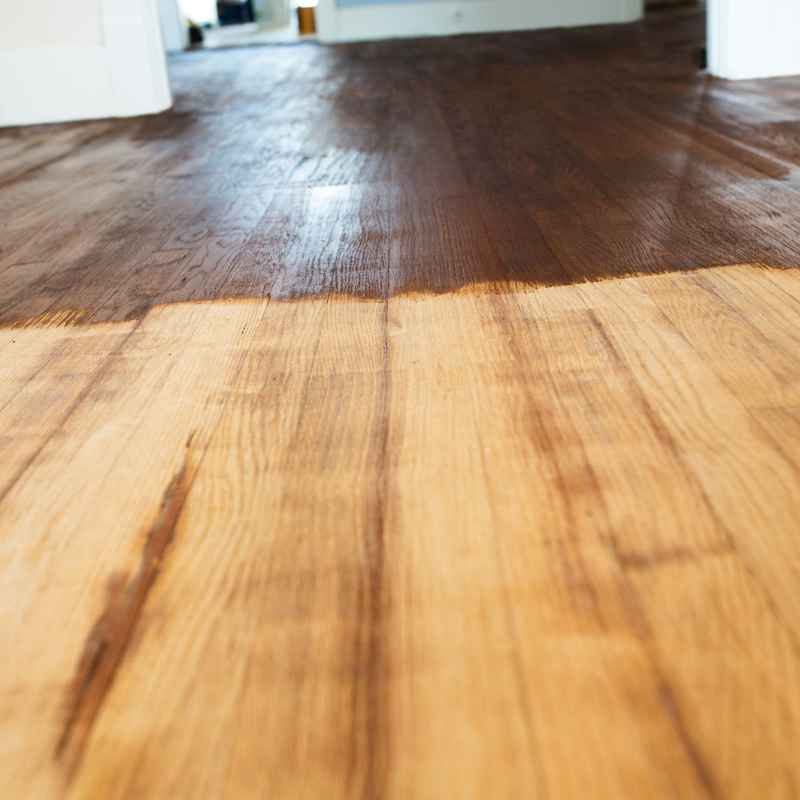
Wood floor refinishing, often called sanding, is a process that removes the old, worn-out finish and a thin layer of wood from the surface of your hardwood floors. This process reveals a fresh layer of wood beneath, ready to be stained and sealed anew, bringing back the floor’s original luster or changing its appearance. It’s a cost-effective way to revitalize tired flooring compared to a full replacement.
The primary goal of refinishing is to eliminate surface imperfections like scratches, dents, water stains, and fading. It also allows you to update the look of your floors by choosing a new stain color or sheen. However, it’s a process that consumes some of the wood itself, meaning it cannot be performed indefinitely.
Understanding the Wear Layer Thickness
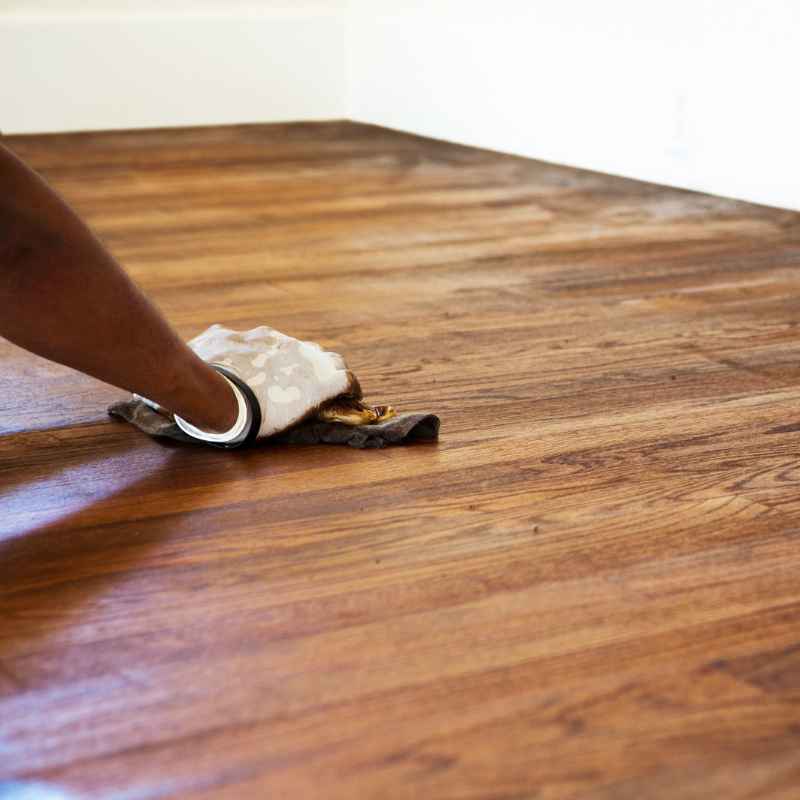
The most critical factor dictating how many times can you refinish wood floors is the thickness of the wear layer. This is the top layer of actual wood above the tongue and groove or subfloor. For solid hardwood floors, this layer is the entire thickness of the plank.
For engineered wood floors, it’s the top ply of wood veneer.
A standard solid hardwood floor plank is typically about 3/4 inch thick. The wear layer is usually around 0.5 to 1 mm thick. Sanding removes a tiny fraction of this layer with each pass.
Professional refinishers are trained to remove just enough wood to achieve a smooth, clean surface without compromising the structural integrity or the lifespan of the floor.
For engineered wood floors, the wear layer can vary significantly. Some have a very thin veneer (less than 1 mm), which may only allow for one or maybe two light sandings, if at all. Others have thicker veneers that can handle multiple refinishes, sometimes comparable to solid hardwood.
It is imperative to know the type of wood flooring you have and the thickness of its wear layer before considering refinishing.
- Solid Hardwood: Generally thicker wear layer, allowing for multiple refinishes (3-5+ times).
- Engineered Hardwood: Wear layer thickness varies greatly; check manufacturer specifications.
- Minimum Wear Layer for Sanding: Typically, at least 1-2 mm of solid wood is needed to allow for a proper sanding and refinishing.
Consulting the manufacturer’s specifications or a flooring professional is the best way to determine the wear layer thickness of your engineered floors. This information is vital for making an informed decision about refinishing.
Solid Hardwood: The Refinishing Champion
Solid hardwood floors are renowned for their longevity and ability to be restored multiple times. Each plank is made from a single piece of wood, meaning the entire thickness of the board is the wear layer. This inherent robustness allows for significant material to be removed during the sanding process without compromising the floor’s structural integrity.
On average, a solid hardwood floor can be refinished between 3 to 5 times throughout its lifespan. However, this is a general guideline. The actual number depends on the initial thickness of the planks, the skill of the refinisher, and how aggressively the sanding is done.
A very light scuff sanding might be done more frequently than a deep sanding to remove significant damage.
Factors influencing the number of refinishes for solid hardwood include:
- Plank Thickness: Thicker planks naturally offer more material to sand.
- Initial Quality: Higher quality wood and construction generally mean a thicker, more durable wear layer.
- Sanding Technique: A skilled professional will aim to remove only the necessary amount of wood.
- Frequency of Refinishing: Refinishing too often without significant need can shorten the floor’s life.
| Factor | Impact on Refinishing | Typical Outcome |
|---|---|---|
| Plank Thickness (e.g., 1/2″ vs 3/4″) | Thicker planks have more wood to sand | More potential refinishing cycles |
| Wood Species (e.g., Oak vs Pine) | Harder woods are more resistant to damage | May withstand deeper sanding over time |
| Quality of Installation | Properly installed floors are less prone to excessive wear | Reduces need for frequent, deep sanding |
This table illustrates how various factors contribute to the refinishing potential of solid hardwood floors.
Engineered Wood: A More Complex Equation
Engineered wood flooring presents a more nuanced picture when it comes to refinishing. Unlike solid wood, engineered planks are constructed with multiple layers. The top layer is a thin veneer of genuine hardwood, glued to a core of plywood or high-density fiberboard.
This construction offers greater stability and resistance to moisture changes but limits its refinishing capability.
The number of times an engineered wood floor can be refinished is almost entirely dependent on the thickness of that top hardwood veneer. This veneer can range from a scant 0.5 mm to over 4 mm. A veneer thicker than 3 mm might allow for 2-3 refinishes, similar to some solid hardwoods, whereas a veneer less than 1 mm might not be sandable at all, or only for a very light screen and recoat.
Determining the wear layer thickness is paramount:
- Very Thin Veneer (under 1 mm): Often not suitable for full sanding. May only tolerate a screen and recoat.
- Thin Veneer (1-2 mm): May allow for one light sanding and refinishing.
- Moderate Veneer (2-3 mm): Typically allows for 2-3 sanding and refinishing cycles.
- Thick Veneer (3 mm+): Can often be refinished 3+ times, behaving much like solid hardwood.
Warning: Never attempt to refinish engineered wood floors without first confirming the thickness of the top veneer. Sanding through the veneer will permanently damage the floor, necessitating replacement.
Manufacturers usually provide specifications for the wear layer thickness. If these are unavailable, a professional flooring contractor can often measure it. A common technique involves carefully measuring the plank thickness and subtracting the core thickness, or by examining an exposed edge or groove.
Signs Your Floor Can No Longer Be Refinished
Even with solid hardwood, there comes a point when refinishing is no longer a viable option. Ignoring these signs can lead to irreversible damage. Recognizing when your floor has reached its limit is just as important as knowing how many times can you refinish wood floors.
The most definitive sign that a floor cannot be sanded further is when the wear layer becomes too thin. This means that the sanding process would remove too much wood, potentially exposing the tongue and groove interlocking system or even the subfloor itself. This would severely weaken the floorboards and ruin their appearance.
Here are common indicators that a floor is beyond refinishing:
- Exposed Tongue and Groove: If you can see the interlocking edges of the floorboards after cleaning or wear, the wear layer is too thin to sand.
- Grooves Appearing Too Deep: Sanding creates shallower grooves between planks. If the existing grooves look very deep relative to the plank width, it suggests minimal wear layer remains.
- Very Thin Plank Edges: Visible thinning of the edges of the planks, especially near walls or in high-traffic areas.
- Damage Extending Too Deep: Deep gouges, rot, or pet damage that penetrates too far into the wood might require more sanding than is safely possible.
- Unusual Plank Thickness: Some older or specialty flooring might have unusually thin planks to begin with, limiting refinishing potential.
| Warning Sign | What it Means | Action |
|---|---|---|
| Visible tongue and groove | Wear layer is critically thin | Refinishing is not possible; consider replacement or overlay. |
| Extremely deep scratches or gouges | Damage penetrates too deep for safe sanding | Spot repair may be difficult; full replacement might be needed. |
| Paler wood appearing through scratches | Sanding has removed most of the finish and some wood | One more light refinish may be possible, or it’s time for a recoat. |
This comparison highlights critical signs that indicate a floor has reached its refinishing limit.
Screening and Recoating vs. Full Refinishing
When floors show signs of wear but the wear layer is still substantial, homeowners often have a choice between a full refinish or a simpler “screen and recoat” service. This distinction is crucial for understanding how to maintain floors and can significantly impact the long-term question of how many times can you refinish wood floors.
A screen and recoat is a less aggressive process. It involves lightly abrading (screening) the existing finish and then applying a new coat of polyurethane. This process does not remove any significant amount of wood.
It primarily refreshes the top layer of the finish, filling in minor scratches and restoring sheen. It’s ideal for floors that are generally in good condition but have lost their luster or have superficial scratches.
A full refinish, on the other hand, involves aggressive sanding to remove the old finish and a portion of the wood. This process can then be followed by staining and applying multiple coats of new finish. It’s necessary for floors with deeper scratches, stains, or color changes that a screen and recoat cannot address.
-
Screen and Recoat:
- Removes only the top layer of finish, not wood.
- Refreshes appearance, adds protective layer.
- Ideal for floors with minor wear and tear.
- Can be done much more frequently than a full refinish.
-
Full Refinishing:
- Removes old finish and a thin layer of wood.
- Can correct deeper damage, stains, and color.
- Requires more time and cost.
- Consumes wear layer, reducing future refinishing opportunities.
Tip: A screen and recoat can significantly extend the life of your floors between full refinishes. Consider doing it every 5-7 years, depending on traffic, to maintain the finish and protect the wood.
The frequency of a screen and recoat is much higher than a full refinish. Some sources suggest a screen and recoat can be performed 4-5 times or more on solid hardwood floors, in addition to its refinishing cycles. This significantly extends the overall usable life of the flooring.
How to Maximize Your Wood Floors’ Lifespan
To ensure your wood floors last as long as possible and can be refinished multiple times, proper maintenance is key. Proactive care minimizes wear and tear, preserving the wear layer and delaying the need for aggressive sanding. Understanding best practices can help you answer the question of how many times can you refinish wood floors for your specific situation.
Regular cleaning is fundamental. Sweeping or vacuuming with a soft brush attachment removes abrasive grit that can scratch the finish. For deeper cleaning, use a wood floor cleaner specifically designed for your floor’s finish, and always follow the manufacturer’s instructions.
Avoid excessive water, as it can seep into seams and cause damage.
Here are essential maintenance tips:
- Use Area Rugs: Place rugs in high-traffic areas, entryways, and under furniture to protect the floor from direct wear and tear.
- Install Felt Pads: Apply felt protectors to the bottom of all furniture legs. Regularly check and replace worn pads to prevent scratching.
- Clean Spills Immediately: Wipe up spills promptly with a soft, absorbent cloth. Don’t let liquids sit on the floor.
- Regular Sweeping/Vacuuming: Remove grit and debris daily or every other day. Use a vacuum cleaner with a soft floor brush attachment.
- Deep Cleaning: Use a pH-neutral wood floor cleaner and a damp (not wet) mop as needed, typically once a month or when visibly dirty.
- Avoid Harsh Chemicals: Never use abrasive cleaners, ammonia, or steam mops, as they can damage the finish and the wood.
- Control Humidity: Maintain a consistent indoor humidity level (typically 40-60%) to prevent expansion and contraction of the wood.
Important: Consistent humidity is vital for wood floors. Extreme fluctuations can cause planks to warp, buckle, or shrink, leading to irreparable damage that even refinishing cannot fix. Consider a humidifier or dehumidifier if needed.
Implementing these practices will not only keep your floors looking great but also significantly extend their lifespan, allowing for more opportunities for refinishing down the line.
Professional Assessment is Key
While general guidelines exist, the definitive answer to how many times can you refinish wood floors often requires expert insight. A professional flooring contractor has the experience and tools to accurately assess the condition and remaining lifespan of your hardwood floors.
They can measure the wear layer thickness, identify any underlying issues that might prevent refinishing (like severe water damage or subfloor problems), and advise on the best course of action. Relying solely on guesswork can lead to costly mistakes, such as sanding through the veneer on engineered floors or attempting to refinish a floor that is too thin.
When consulting a professional, they will typically:
- Inspect the entire floor for damage, inconsistencies, and wear patterns.
- Measure the thickness of the wood planks and, if possible, the wear layer.
- Check for signs of past refinishing (e.g., sanding marks, thinner edges).
- Discuss your desired outcome (e.g., color change, sheen level).
- Provide a realistic estimate of how many more refinishing cycles are possible.
- Recommend whether a full refinish or a screen and recoat is the most appropriate option.
According to the National Wood Flooring Association (NWFA), a properly maintained solid hardwood floor can last for generations, with multiple refinishing cycles being a key part of that longevity. However, the exact number of cycles is highly dependent on the specific product and its installation.
Frequently Asked Questions
How do I know if my wood floor is solid or engineered?
Solid hardwood floors are made from a single piece of wood throughout. Engineered floors have a top layer of hardwood veneer glued to a core of plywood or HDF. You can often tell by looking at the side profile of a plank or in an exposed edge/groove; if you see multiple layers or a different material beneath the surface wood, it’s engineered.
Can I refinish laminate flooring?
No, laminate flooring cannot be refinished. Laminate is made of a photographic layer that mimics wood, covered by a clear protective wear layer. Sanding would remove this photographic layer, rendering the floor unfixable.
What is the difference between screening and sanding?
Sanding is an aggressive process that removes the old finish and a significant layer of wood. Screening, or “scuff sanding,” is a much lighter process that only abrades the top layer of the finish without removing wood, preparing it for a new coat of finish.
How much does it cost to refinish wood floors?
The cost to refinish wood floors typically ranges from $3 to $8 per square foot, depending on your location, the complexity of the job, and whether you opt for staining. This is significantly less than the cost of installing new flooring, which can range from $6 to $15 per square foot or more.
What if my engineered wood floor’s wear layer is too thin to sand?
If the wear layer is too thin for sanding, your options are limited. You might be able to do a screen and recoat to refresh the finish. If the wear is more significant or the finish is too worn, you may need to consider installing a new flooring material over the existing one (if suitable) or proceeding with a full floor replacement.
Final Thoughts
Ultimately, understanding how many times can you refinish wood floors comes down to the wear layer. Solid hardwood offers the most refinishing potential, typically 3-5 times, while engineered wood’s capacity varies greatly with its veneer thickness. Always prioritize professional assessment to determine your floor’s limits and consider regular maintenance like screening and recoating to maximize its lifespan.
Sponsored / affiliate links. As an Amazon Associate I earn from qualifying purchases. I may earn additional commission from eligible campaigns.