How to Clean Hardwood Floors After Home Renovation Dust
Clean finished hardwood after renovation dust by vacuuming with a soft brush first, then dry microfiber dusting, then a lightly damp pH-neutral wipe only if needed. Skip that order, and grit can scratch the finish while leftover cleaner leaves a dull haze. This guide covers the safest cleanup order, tools, what to avoid, and when a damp mop is actually safe.
Why renovation dust needs a different approach


Drywall dust, sawdust, and tracked-in grit act differently from everyday dirt. The abrasive part causes the damage, especially in board joints, grooves, and along edges where a mop can smear it into the finish.
Finished hardwood can handle water-based cleaners when the finish is intact, but finish type matters more than wood species. Surface-finished floors are often more tolerant of controlled damp cleaning than unfinished, unsealed, penetrating, or wax-coated floors.
What drywall dust and sawdust do to a finish
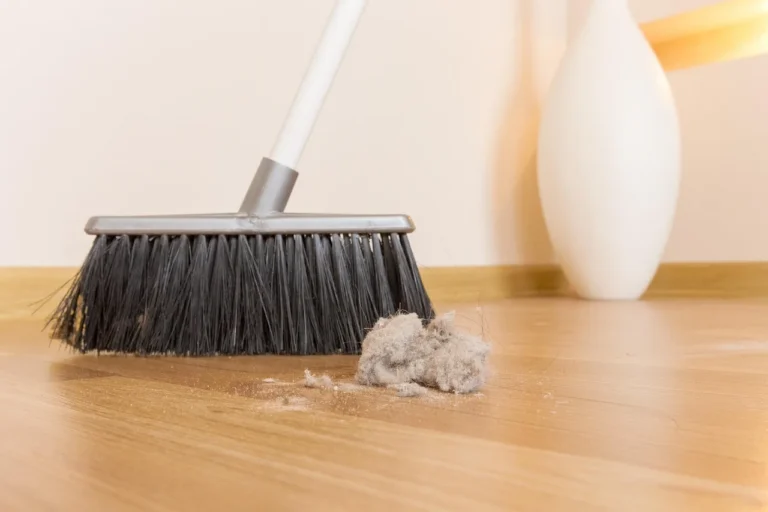
Construction dust can look harmless and still act like sandpaper. If you wet it too early, loose dust turns into a paste that drags across the floor and settles in seams.
Why grit matters more than visible dust
Visible dust is only part of the job. The heavier particles around transition strips, vents, furniture legs, and baseboards cause most of the scratch risk, so those zones need targeted cleanup before any damp wipe.
What you’ll need
- HEPA vacuum with a floor-brush attachment
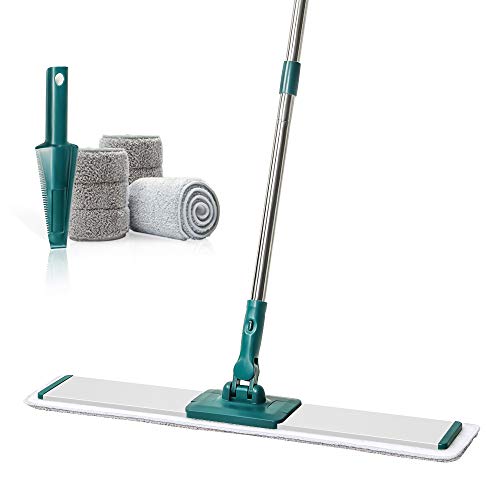
- Flat microfiber mop with clean pads
- pH-neutral hardwood floor cleaner made for finished wood
- Soft cloths for edges and baseboards
- Vacuum crevice tool for joints and trim lines
- Fan for faster drying if needed
Check the floor finish first
Before you clean, confirm whether the floor has a surface finish, a penetrating finish, or a wax-coated finish. The finish determines how much moisture and what kind of cleaner are safe, and it changes the cleanup path more than the species of wood does.
Surface-finished floors
These are the easiest to clean after remodeling. If the finish is intact, use a hardwood cleaner that is pH-neutral, quick-drying, and made for finished floors, then dry the floor right after the damp pass.
Penetrating finishes
These floors need more caution because the wood itself is more exposed. Keep moisture minimal, check the product label before using any cleaner, and stop if the floor darkens unevenly or looks dull after a test area.
Wax-coated floors and when to stop
Wax-coated floors are the most limited. Strong cleaners, excess water, and heavy rubbing can damage the coating or leave a cloudy patch. If you are not sure the floor is waxed, test in a hidden spot before you continue.
How do you clean renovation dust off hardwood floors without scratching them?
A common three-pass sequence is to vacuum first with a floor brush, then lift the remaining dust with a dry microfiber pad, then use a lightly damp cleaner pass only on finished hardwood. That order removes grit before it can be dragged around and keeps residue from building up.
- Attach the floor brush and vacuum the whole room.
- Switch to a dry microfiber pad and dust the floor again.
- Apply hardwood cleaner in a controlled damp pass only where needed.
- Dry the floor right away with a clean cloth or dry pad.
Step 1: Vacuum loose dust and grit
Use the floor-brush attachment, not a beater bar. Bob Vila recommends avoiding the beater bar on hardwood, and that matters more after remodeling because loose grit can get flung across the floor or pressed into seams.
Work slowly along the grain, then along corners and transition strips. A crevice tool helps where dust collects at baseboards, vents, and under furniture legs.
Step 2: Lift fine dust with microfiber
Use a clean, dry microfiber pad before you add any moisture. Homes & Gardens recommends a dry microfiber dusting pad first, and that extra pass helps collect the fine film that vacuuming can leave behind.
Change pads when they look gray. A loaded pad can leave lines of dust instead of removing them.
Say your 200-square-foot hallway still shows a pale film after vacuuming. One dry microfiber pass can clear the haze at the board joints without adding water, which is usually safer than rushing to a mop.
Can you use water on hardwood floors?
Yes, but only on finished hardwood and only with controlled moisture. Use a hardwood cleaner made for finished floors, apply it as directed, and keep the mop damp, not drenched. Standing water, steam, and repeated wet passes can leave damage or a dull film.
Mix or apply cleaner only as directed
Choose a pH-neutral formula with a quick-drying, no-streak label. Weiman says its cleaner is for finished hardwood only, describes the formula as neutral pH, and says the floor is safe for kids and pets after drying.
Weiman also says to let floors dry 10-15 minutes, and one bottle covers about 500-600 square feet. That coverage helps you plan the amount you need for a post-renovation cleanup.
Damp mop in sections and dry right away
Homes & Gardens says the mop should be damp, not drenched. Work in small sections so you do not leave cleaner sitting in grooves or at the edges, then dry the section before moving on.
Do not let cleaner puddle around baseboards, under appliance edges, or in board seams. Those spots dry slowly and are the first places to show haze.
When a fan helps, and when to stop
A fan helps after a controlled damp clean because it speeds drying and reduces the chance of streaks. Stop if the surface stays tacky, darkens unevenly, or starts to look cloudy after drying.
Suppose a dining room floor still feels slightly damp after 10 minutes because the air is still. Pointing a fan across the room, not directly under a puddled edge, helps dry the surface without pushing dust back onto it.
Hardwood cleanup checklist
| Pass | Tool | Goal | Finish check |
|---|---|---|---|
| 1 | HEPA vacuum with floor brush | Remove grit, sawdust, and drywall dust | No loose debris in open areas or along trim |
| 2 | Dry microfiber pad | Pick up the remaining fine dust film | No gray haze on boards or at joints |
| 3 | Damp microfiber pad with hardwood cleaner | Clear residue without soaking the floor | Floor dries clear, not streaked or tacky |
| Edge check | Soft cloth and crevice tool | Detail baseboards, vents, and grooves | No dust line at perimeter or transition strips |
Edge and groove checks before you finish
Run your hand lightly along baseboards, floor joints, and transition strips after the main passes. If you feel powder or grit, repeat the vacuum and microfiber steps there before you use any damp cleaner.
How often should hardwood floors be cleaned after a remodel?
Do a full post-renovation cleanup once the dust source is gone, then repeat dry cleaning as needed until the floor stays clear. The same source notes that weekly dry mopping, sweeping, or vacuuming is best for light dust, which is a useful maintenance pace after the heavy debris is removed.
During the first few days after remodeling, check high-traffic zones, vents, and edges more often than the rest of the floor. That is where dust usually keeps reappearing.
Common mistakes
Most cleanup failures come from using the wrong tool at the wrong time. The order matters: remove grit first, lift fine dust next, then use a controlled damp clean only on a floor finish that can handle it.
What causes haze, scratches, sticky residue, and dust lines
- Haze: too much cleaner, or cleaner left to dry on the floor.
- Scratches: grit not removed before the damp pass, or a beater bar used on loose debris.
- Sticky residue: too much product, especially in grooves and at board edges.
- Dust lines: skipping the baseboards, vents, and transition strips.
How to fix dust in grooves and along baseboards
Use the crevice tool first, then a microfiber cloth wrapped around a flat edge for the joints and trim line. If dust keeps showing up in the same groove, vacuum it dry again before any cleaner goes near it.
A common first-timer mistake is to mop the center of the room and call it done. The dust that remains around baseboards and furniture legs is the part most likely to smear into a visible line after the floor dries.
If that didn’t work, try this next
If haze remains after drying, wipe the area again with a lightly damp microfiber pad and plain water only if the floor’s finish allows it. If streaking still shows up, reduce the amount of cleaner on the pad and re-dry the section immediately with a clean cloth.
If scratches are appearing after vacuuming, stop using the current attachment and inspect the brush head for trapped grit or worn bristles. If sticky residue keeps returning, the floor may still have dust in the joints, which means the dry passes were not thorough enough.
What should you avoid using on hardwood floors after renovation?
Avoid steam, acidic cleaners like vinegar, abrasive pads, and soaking-wet mops. HomeServe warns against steam on hardwood floors and against vinegar and other acidic cleaners, both of which can leave the finish vulnerable or cloudy.
Also avoid any cleaner not meant for your finish type. A product that works on one hardwood finish can be a bad fit for another, especially on wax-coated floors.
Frequently asked questions
How do you clean hardwood floors around edges and baseboards?
Vacuum the perimeter with a crevice tool first, then wipe the trim line with a dry microfiber cloth before any damp pass. If dust is packed into the corner, use a second dry cloth rather than adding more liquid, since edges are where residue tends to build up.
Should you vacuum or sweep hardwood floors after remodeling?
Vacuum first. A vacuum with a floor-brush attachment pulls up fine drywall dust and sawdust better than a broom, which can push debris into joints. If you sweep at all, treat it as a backup step after the vacuum, not the main cleanup.
What mop is safest for hardwood floors after renovation?
A flat microfiber mop with a clean pad is the safest choice. Keep it damp, not drenched, and use it only after the dry passes are done. A saturated mop leaves too much water behind for finished wood, especially near grooves and edges.
How do you get dust out of hardwood floor grooves?
Use the vacuum crevice tool first, then a dry microfiber pad pressed lightly across the groove line. If the dust stays put, repeat the dry pass before you use any cleaner. Wet cleaning too early often turns groove dust into a paste.
How do you clean hardwood floors without leaving streaks?
Use a pH-neutral, quick-drying hardwood cleaner and apply only enough to dampen the microfiber pad. Work in sections and dry each section right away. Streaks usually come from too much product, dirty pads, or letting cleaner sit too long.
Do you need a special cleaner for finished hardwood floors?
Yes, the safest choice is a cleaner made for finished hardwood floors. The same source says its cleaner is for finished hardwood only and describes it as neutral pH. That kind of formula is a better fit than vinegar, steam, or a generic all-purpose cleaner.
Sponsored / affiliate links. As an Amazon Associate I earn from qualifying purchases. I may earn additional commission from eligible campaigns.