Why Measuring A Door Hinge Matters
I’ll never forget my first DIY door project. I bought a shiny new hinge, only to find it didn’t fit my bedroom door—total flop! Learning how to measure a door hinge saved me time, money, and a lot of frustration. This guide will walk you through measuring door hinges step-by-step, whether you’re fixing a creaky cabinet or upgrading your front door. You’ll get simple tips, tools, and tricks to make it a breeze, even if you’re new to DIY. Let’s dive in and make your next hinge project a win!
What Is a Door Hinge and Why Measure It?
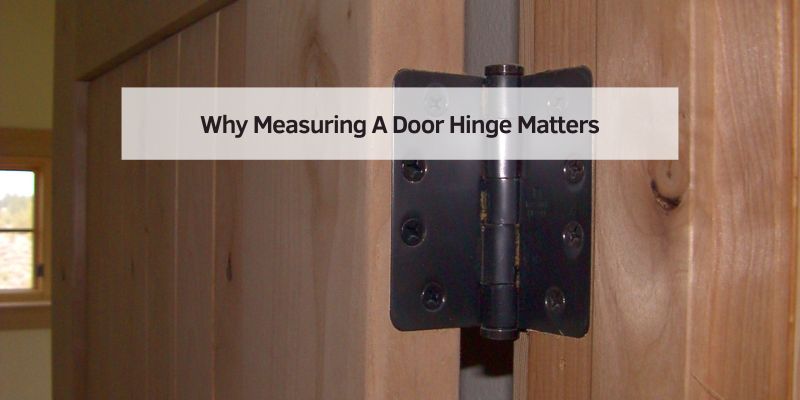
A door hinge is a metal piece that lets your door swing open and shut. Think of it as the door’s elbow—it bends so the door moves smoothly. Measuring a hinge ensures it fits your door and frame perfectly. A wrong size means a wobbly door or one that won’t close. Whether it’s for a home repair or a new look, getting the size right is key.
Parts of a Door Hinge
Hinges have a few simple parts:
- Hinge Leaf: The flat parts that screw into the door and frame.
- Hinge Knuckle or Barrel: The round part where the leaves connect.
-
Hinge Pin: The rod that holds the leaves together.
Knowing these helps you measure accurately.
Why Measuring Hinges Is a Big Deal
A hinge that’s too small can’t hold a heavy door. Too big, and it won’t fit the frame. Measuring how to measure a door hinge saves you trips to the store and keeps your door working smoothly. Plus, it’s a fun way to feel like a DIY pro!
Tools You’ll Need to Measure a Door Hinge
You don’t need fancy gear to measure a hinge. Here’s what I use:
- Tape measure: A basic one works fine. Get one with clear numbers.
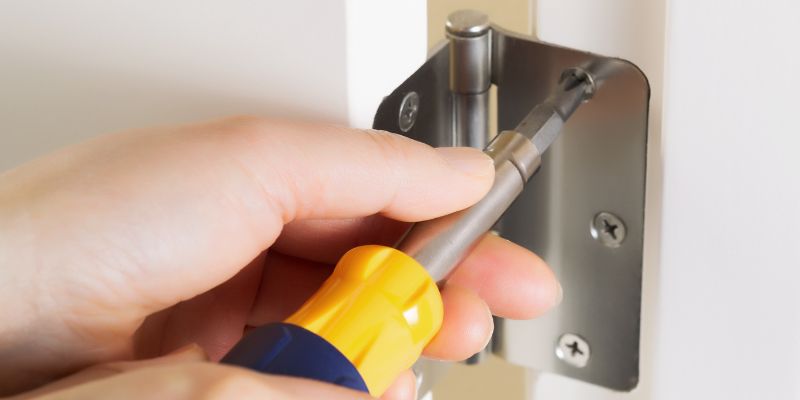
- Screwdriver: Phillips or flathead to remove the hinge.
- Coins: A dime and quarter help check corner radius (more on that later).
- Notepad and pencil: Write down your measurements to avoid mix-ups.
I recommend a $5 tape measure from Home Depot—it’s sturdy and easy to read. Keep a screwdriver handy for quick hinge removal.
Visual Idea
A simple diagram showing a hinge’s leaf, knuckle, and pin would help beginners see the parts. Another diagram could show how to measure width and height with a tape measure.
Step-by-Step Guide: How to Measure a Door Hinge
Measuring a hinge is easier than it sounds. Follow these steps, and you’ll be done in no time. I learned this the hard way after buying the wrong size twice!
Step 1: Remove the Hinge
- Grab your screwdriver and unscrew the hinge from the door or frame.
- If it’s stuck, gently pry it off with a flathead screwdriver.
Pro Tip: If paint sticks the hinge, scrape it off with a utility knife to avoid damage.
Step 2: Measure the Hinge Width
- Lay the hinge flat and fully open on a table.
- Stretch your tape measure from one edge of the leaf to the other, across the knuckle.
This gives you the open leaf width. Most hinges are 3 to 6 inches wide. Write it down!
Step 3: Measure the Hinge Height
- With the hinge flat, measure from the top of one leaf to the bottom.
- For standard hinges, height often matches width (e.g., 3.5 x 3.5 inches).
Step 4: Check the Corner Radius
- Look at the hinge’s corners. Are they square or rounded?
- For rounded corners, place a dime (¼-inch radius) or quarter (⅝-inch radius) on the corner to check which fits.
This step is crucial if you’re replacing an existing hinge—it must match the door’s cutout.
Step 5: Measure the Hinge Thickness
- Use your tape measure to check the thickness of one leaf.
- Thicker hinges (higher gauge) are stronger for heavy doors.
Visual Idea
A labeled diagram of a hinge with measurements (width, height, radius) would make these steps crystal clear.
Common Hinge Sizes for Different Doors
Hinge sizes depend on your door’s size and weight. Here’s a quick guide:
| Door Type | Thickness | Width | Hinge Size |
|---|---|---|---|
| Interior (light) | 1 ⅜ inches | Up to 32 inches | 3.5 x 3.5 inches |
| Interior (standard) | 1 ⅜ inches | 32-36 inches | 4 x 4 inches |
| Exterior (heavy) | 1 ¾ inches | Up to 36 inches | 4.5 x 4.5 inches |
| Exterior (wide) | 1 ¾ inches | 36-48 inches | 5 x 5 inches |
| Table 1: Common Hinge Sizes for Doors |
This table helps you pick the right hinge size without guesswork. For example, my front door needed 4.5-inch hinges because it’s heavy and wide.
Benefits and Drawbacks of Measuring Hinges
Measuring hinges has big perks:
- Saves Money: Get the right hinge the first time—no returns needed.
- Smooth Operation: A proper fit means your door swings like a dream.
- Looks Great: Matching hinges keep your door looking sharp.
But there are a few drawbacks:
- It takes a few minutes to measure carefully.
- Old hinges might be rusty, making removal tricky.
- You might need a second pair of hands for heavy doors.
Alternative Approaches to Measuring Hinges
If removing the hinge feels like a hassle, try these tricks:
- Measure in Place: If the hinge is still attached, measure the visible leaf’s height and estimate width.
- Trace It: Lay the hinge on paper, trace it, and measure the outline.
- Check the Door: Measure the mortise (cutout) in the door or frame for size clues.
These work in a pinch but aren’t as accurate. I once traced a hinge wrong and ended up with a mismatched set—oops!
My Top Tips for Measuring Door Hinges
After years of DIY projects, here are my go-to tips:
- Double-Check Everything: Measure twice to avoid buying the wrong size.
- Clean Hinges First: Scrape off paint or rust for accurate measurements.
- Match the Radius: A mismatched corner radius ruins the fit.
- Use a Buddy: For heavy doors, have a friend hold the door steady.
These tips saved me when I replaced hinges on my creaky kitchen cabinets.
Safety Advice
Always unscrew hinges carefully to avoid stripping screws. Wear gloves if the hinge is rusty to prevent cuts. If the door is heavy, prop it up to avoid it falling. Safety first makes DIY fun!
Comparing Hinge Types for Your Project
Not all hinges are the same. Here’s a quick look at common types:
| Hinge Type | Best For | Pros | Cons |
|---|---|---|---|
| Butt Hinge | Most doors | Strong, versatile | Needs mortise cutout |
| Spring Hinge | Self-closing doors | Closes automatically | More expensive |
| Pivot Hinge | Heavy or wide doors | Supports heavy weight | Tricky to install |
| Table 2: Common Hinge Types and Uses |
For most home projects, butt hinges are the way to go. I used them for my bedroom door, and they’re a piece of cake to install.
Common Mistakes to Avoid
Here’s what I learned from my DIY blunders:
- Skipping Measurements: Guessing sizes leads to wrong hinges.
- Ignoring Radius: A square hinge won’t fit a rounded cutout.
- Forgetting Door Weight: Light hinges can’t handle heavy doors.
- Rushing Removal: Stripped screws make replacement harder.
Take your time, and you’ll avoid my rookie mistakes!
Cost-Saving Ideas
- Reuse Old Hinges: Clean and repaint them for a fresh look.
- Shop Online: Sites like Home Depot often have deals on hinges.
- Buy in Bulk: If you’re replacing multiple hinges, bulk packs save cash.
I saved $20 by repainting my old hinges instead of buying new ones.
Visual Idea
A side-by-side comparison image of square vs. radius corner hinges would help readers spot the difference instantly.
Frequently Asked Questions
What Size Hinge Do I Need for My Door?
Measure your door’s thickness and width. For a 1 ⅜-inch thick door up to 32 inches wide, use 3.5-inch hinges. Thicker or wider doors need 4-inch or larger hinges. Check Table 1 for details.
How Do I Know If My Hinge Has a Radius Corner?
Lay a dime (¼-inch radius) or quarter (⅝-inch radius) on the hinge’s corner. If it fits the curve, that’s your radius. Square corners are sharp, not rounded.
Can I Measure a Hinge Without Removing It?
Yes, but it’s less accurate. Measure the visible leaf’s height and estimate width. For best results, remove the hinge to measure fully open.
What Tools Do I Need to Measure a Door Hinge?
You need a tape measure, screwdriver, and coins (dime and quarter) for radius. A notepad helps track measurements. Basic tools work fine!
How Many Hinges Does My Door Need?
Doors up to 5 feet need two hinges. Doors 5-7.5 feet need three. Over 7.5 feet or heavy doors need four for stability.
What If My Hinge Doesn’t Fit the Cutout?
Check the corner radius and size. If it’s wrong, you may need to chisel the mortise to fit or buy a matching hinge. Always measure first!
Are All Door Hinges the Same Thickness?
No, hinge thickness (gauge) varies. Thicker hinges support heavier doors. Measure the leaf thickness to match your door’s needs.
Conclusion
Measuring a door hinge is no sweat once you know the steps. Grab a tape measure, check the width, height, and radius, and you’re set for a perfect fit. Whether it’s a creaky cabinet or a heavy front door, you’ll save time and money with the right hinge. Try measuring a hinge this weekend—it’s easier than you think! Share your DIY wins or questions in the comments on This Old House or Bob Vila’s site. Happy fixing!