How to Winterize Windows in a Rental Apartment
Winterize rental windows by sealing the easiest gaps first with removable film or weatherstripping, then add insulating layers as needed. If a fix calls for screws, drilling, or permanent adhesive, stop and ask your landlord first. Drafts can raise heating bills, leave rooms cold, and add moisture that stains trim or supports mold. This guide shows the safest order of repairs, what renters can do without lease trouble, and when the landlord should handle it.
What you’ll need


- Interior window insulation kit with clear plastic film, double-sided tape, and a hair dryer for shrink installation
- Weatherstripping for movable parts: felt, foam, vinyl, or metal
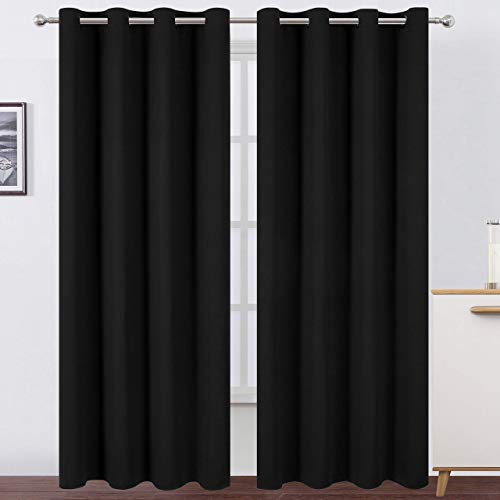
- Thermal curtains and, if needed, basic curtain hardware that does not require drilling into restricted surfaces
- Caulk, a utility knife, a putty knife, cleaner, and rags for stationary joints only
- Draft stopper for the base of an exterior door near the same room
- Scissors, measuring tape, and painter’s tape for temporary layout only
Window winterization decision table

Start with the least risky fix that fits the problem. For renters, the best choice is usually the one that stops the leak without touching paint, varnish, or landlord-owned hardware.
| Problem type | Best fix | Estimated cost band | Reversibility | Paint-damage risk | When to involve the landlord |
|---|---|---|---|---|---|
| Cold glass, single-pane window, no obvious gap | Interior window insulation kit | $1.50–$3.00 for an average 3-foot by 5-foot window | High | Low to moderate from tape removal | Ask first if the finish is fragile or already peeling |
| Air leak at a movable sash or latch | Weatherstripping on the moving edge | Low to moderate | High | Low | Call if the sash will not close squarely or hardware is loose |
| Gap at a stationary frame joint | Caulk, after old material is removed if allowed | Low | Medium | Low to moderate | Call if the trim is warped, cracked, or painted surfaces are lifting |
| Draft plus cold radiant surface | Thermal curtains hung close to the glass | Low to high | High | Low | Only if hardware changes need drilling or the lease restricts mounting |
| Older single-pane window with persistent loss | Interior storm window or exterior storm window | Moderate to high | Medium | Moderate | Yes, before any install that changes the exterior side |
| Cold floor near the window wall | Draft stopper at the door base | Low | High | Low | Usually not needed |
Speed, insulation gain, and removal difficulty
| Method | Speed | Insulation gain | Removal difficulty |
|---|---|---|---|
| Interior window insulation kit | Fast; about 15 minutes per window | High on leaky glass | Easy if tape comes off cleanly |
| Weatherstripping | Fast to moderate | High on movable parts | Easy to moderate |
| Thermal curtains | Fast | Moderate | Easy |
| Caulk on stationary gaps | Moderate | High for small fixed seams | Moderate |
| Interior storm window | Moderate to slow | High | Moderate |
How do you find the main leak?
Check the window frame, sash, and surrounding trim first, because most apartment drafts show up there. Then test the movable parts, since weatherstripping is meant for openings that move. If the glass is cold but the frame is tight, film or curtains may help more than caulk.
Inspect the trim and frame
Look for daylight at the corners, cracked old caulk, gaps where the frame meets the wall, and paint or varnish that is already lifting. Clean, dry surfaces matter before any tape, film, or sealant goes on. If the trim is warped or the joint keeps opening after you press it closed, report it.
Test the sash and latch
Open and close the window fully, then feel around the moving edges with your hand. A draft at the sash usually points to worn seals, which is where weatherstripping fits best. Felt is the least expensive and easiest to apply, but it wears sooner than vinyl or metal-backed options.
Watch for single-pane trouble
Single-pane windows usually lose more heat than insulated units, so they often need film or a storm window before anything else. If a bedroom window still feels cold after you seal the sash, the glass itself is usually the problem, not only the frame.
Which fixes can you do yourself?
Most renters can handle removable fixes first, especially when the lease limits adhesive or hardware changes. Start with the glass, then the moving parts, then the room around the window. That order gives the most benefit with the least risk.
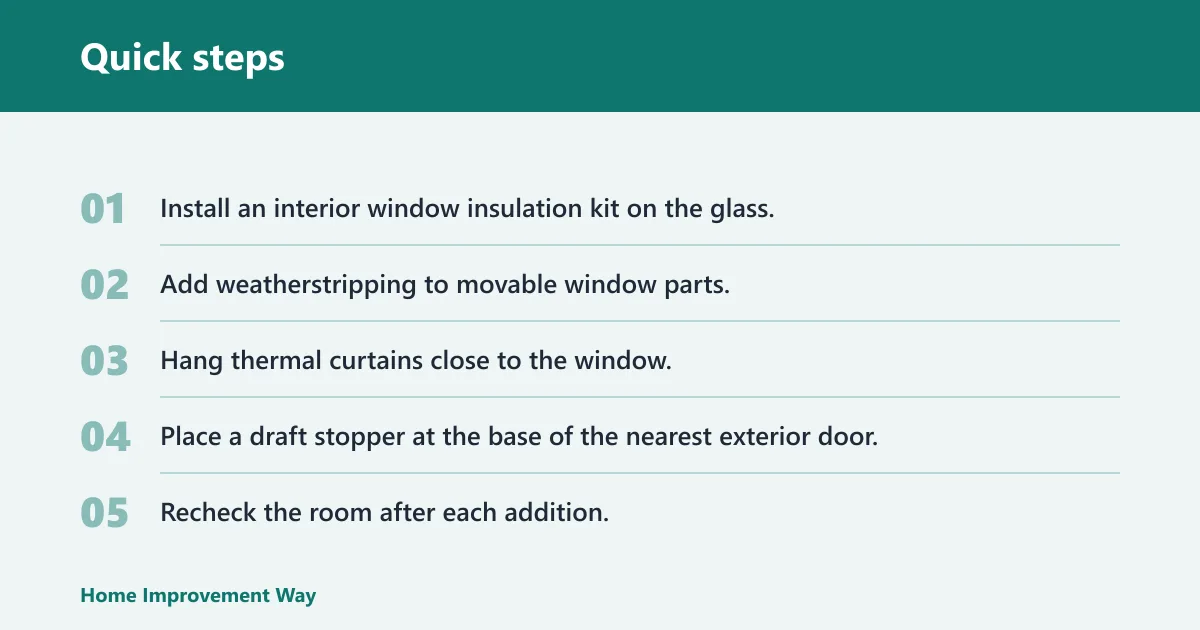
- Install an interior window insulation kit on the glass. Clean and dry the trim and frame, apply the double-sided tape, fit the clear plastic film, and use a hair dryer to shrink it taut. Shrink film kits from Duck and 3M are commonly mentioned options.
- Add weatherstripping to movable window parts. Choose felt for the lowest cost, foam for easy packing, vinyl for a middle ground, or metal for longer wear where the sash design allows it. Replace worn or missing seals only on parts that move.
- Hang thermal curtains close to the window. Let the panel cover the frame edges, and if possible, use layered panels or Velcro sealing at the sides to cut down air movement. Thermal curtains add insulation at the window, but they usually work best as a supplement rather than the only fix.
- Place a draft stopper at the base of the nearest exterior door. This does not fix the window itself, but it helps reduce the cold air cycle in the room and supports the other weatherproofing steps.
- Recheck the room after each addition. If the draft weakens but does not disappear, add one more layer before moving to a more permanent fix.
Window insulation kits can be installed in about 15 minutes per window, and covering an average 3-foot by 5-foot window can cost between $1.50 and $3.00. That makes film the cheapest first step for many renters, especially on older single-pane windows. (Familyhandyman) (Familyhandyman)
Say the living room has a roughly 3-foot by 5-foot single-pane window with no visible frame gap. Film is the right first move. If the sash still leaks after that, add weatherstripping rather than skipping straight to caulk.
Should you caulk or call the landlord?
Use caulk only on stationary joints and frame gaps that are meant to stay fixed. If the old caulk is cracked or missing, remove what is loose before resealing, but only if the lease permits that kind of touch-up. Warped trim, broken hardware, and paint damage belong to the landlord.
When caulk makes sense
Stationary seams around the frame can take caulk, and polyurethane caulk can be painted after it cures. That makes it useful where the landlord has asked for a tidy finish and the surface is stable. Do not use it on moving sash parts, where the seal needs to flex.
When to stop and report it
If a window will not latch, the sash is loose, or the frame has a gap large enough to see light through, the problem may be structural rather than cosmetic. A condensation-heavy window that keeps soaking the trim can also mean a deeper issue. Those cases need landlord attention, not a renter patch.
Escalation ladder for stubborn drafts
- Seal the glass with film.
- Add weatherstripping to the sash.
- Cover with thermal curtains.
- Ask for a landlord repair if the same draft remains after all removable fixes.
Common mistakes
Most rental-window problems get worse when the wrong material is used in the wrong place. The goal is a reversible fix that does not trade winter comfort for spring paint damage.
- Applying tape to dirty or damp surfaces. Clean and dry first, or the adhesive can fail and peel finish when removed.
- Using film where the sash needs movement. Film belongs on the glass, not over hardware that must open and close.
- Using permanent products for a removable problem. If the lease or the finish is sensitive, start with weatherstripping or curtains.
- Ignoring tape residue and paint protection. Family Handyman warns that removing insulation-kit tape can damage paint or varnish.
- Treating condensation as the same as outside air leaks. Moisture on the inside of the pane may call for better ventilation or landlord repair, not more sealant.
Picture a bathroom-adjacent bedroom window that fogs every morning. Film may help with cold glass, but if the trim stays wet, the room also needs airflow and a landlord check for water intrusion.
For cleanup, peel removable film slowly and warm the tape with gentle air if it resists. If residue remains, stop before scraping hard on painted trim. A careful removal takes longer, but it lowers the chance of finish damage.
Frequently asked questions
How do I winterize an apartment window without damaging paint?
Choose removable film, weatherstripping, and thermal curtains before anything that bonds hard to the trim. Clean and dry the surface first, and keep tape off peeling paint or soft varnish. If the finish is fragile, stop and ask the landlord before applying adhesive.
What is the cheapest way to insulate apartment windows for winter?
For most renters, clear interior film is the cheapest first step, especially on a standard 3-foot by 5-foot window. Felt weatherstripping is also low cost for movable parts. If the issue is a door gap near the same room, a draft stopper is another inexpensive add-on.
Can I use window insulation film in a rental apartment?
Yes, if the lease allows temporary adhesive and the paint or varnish is sound. Film is generally designed for temporary renter-friendly use and is installed with double-sided tape and tightened with a hair dryer. Avoid it on dirty, damp, or already peeling surfaces.
Should I caulk apartment windows or ask my landlord?
Caulk only stationary joints and small frame gaps when the lease allows that kind of maintenance. If the window has warped trim, loose hardware, or a finish that could be damaged by removal, ask the landlord. Caulk is not the right fix for moving parts.
How do I seal drafts around old apartment windows?
Start with weatherstripping on movable parts, then add film to the glass if the window is single-pane or still feels cold. If you can see old, failed caulk at fixed seams, that may need replacement. Do not cover a mechanical problem with extra sealant.
Do thermal curtains really help in a rental apartment?
Yes, but they work best as a second layer, not the only fix. Hang them close to the glass and let them overlap the frame edges if possible. They reduce cold radiation from the window, especially after you have already sealed obvious leaks.
What can I do if my apartment windows are single-pane?
Single-pane windows usually need extra attention because they lose more heat. Start with interior film, then consider interior storm windows if the lease and landlord allow them. In older rentals, that combination is often more effective than curtains alone.
How do I remove window insulation film without damaging paint?
Peel the film back slowly and soften the tape with gentle heat from a hair dryer before lifting it off. Pull at a shallow angle instead of jerking upward. If the tape grips old paint or varnish, stop and warm it again rather than scraping.
Sponsored / affiliate links. As an Amazon Associate I earn from qualifying purchases. I may earn additional commission from eligible campaigns.