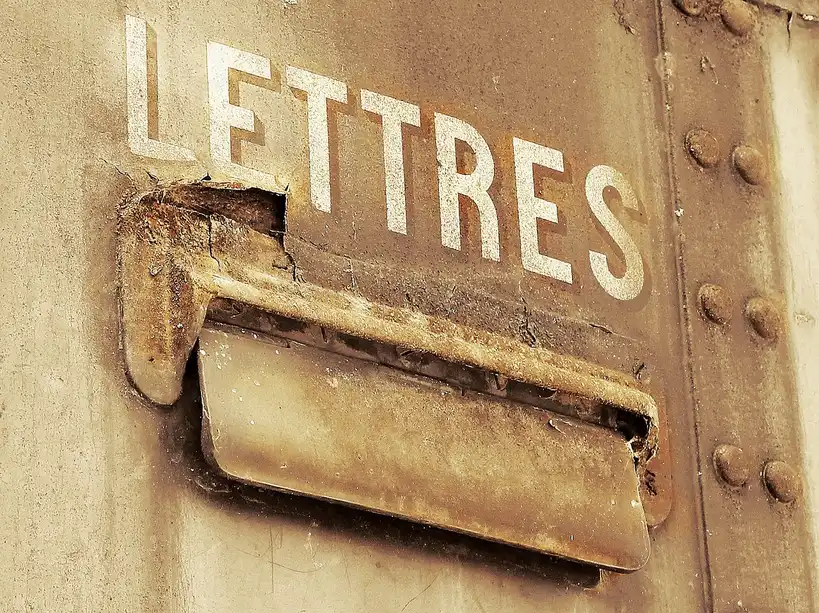
How to Stop Cold Air Coming Through a Mail Slot
Stop cold air through a mail slot by sealing the interior flap, adding a brush or magnetic draft cover, or replacing worn hardware; if the door is warped or the unit leaks around the frame, replace the slot. Left open, that gap can raise heating costs, chill nearby rooms, and let dust and moisture through. This guide shows how to find the leak source, choose a temporary or permanent fix, and match the repair to your door type.
This guide is part of our Winter Weatherproofing: How to Draft-Proof Your Home series.
What you’ll need


- Draft test materials: tissue strip, incense stick, or a thin strip of paper to spot airflow.
- Replacement hardware or cover: interior mail-slot cover, brush cover, magnetic cover, or a new slot assembly sized to the existing cutout.
- Sealants and patch materials: exterior-grade silicone or polyurethane caulk for perimeter gaps; minimal-expansion spray foam for hidden cavities around the frame; backer plate or patch panel for a permanent close-off.
- Basic hand tools: screwdriver, putty knife, utility knife, tape measure, drill, and caulk gun.
- Cleaning supplies: rag, mild cleaner, and a dry cloth so the surface is clean before any sealant goes on.
- Paint and brush: only if the patch or cover will be finished after cure.
How do you find the leak?
Start with a draft test so you can tell whether air is coming through the slot itself or around the door, trim, or housing. A tissue that moves, or incense smoke that pulls inward, points to the leak path. Check the flap first, then the perimeter, then the door thickness before you buy parts.
Use the leak path to choose the fix: flap problems need hardware attention, edge leaks need sealing, and a failed or unwanted opening may need a patch. For related repair paths, see sealing door drafts, weatherstripping an exterior door, replacing door hardware, and patching openings in wood/steel/fiberglass doors.
-
Hold tissue or incense at the slot and edges.
Move the test along the flap, frame, and nearby trim. If air pulls only at the opening, the flap or cover is the weak point. -
Inspect the flap closure.
Open and close it several times. A flap that hangs open, rattles, or sits crooked often may have lost spring tension or be warped. -
Measure the door and cutout.
Record door thickness, the cutout size, and whether the door is wood, steel, or fiberglass. Replacement covers and assemblies should match the door thickness and cutout size as closely as possible.
Say your steel exterior door has a slot that leaks only when the wind picks up. That usually points to a weak flap seal, not a problem with the whole door slab. Suppose the smoke test also shows a slight pull at the frame. Then you may need both a cover and a perimeter seal.
Mail slot repair table
This table compares the four most useful repair paths. Use it to choose the cheapest short-term fix, the better mid-term fix, or the permanent option if the opening should be closed for good.
| Symptom | Best fix | Materials | Time | Approximate cost range | When to choose it |
|---|---|---|---|---|---|
| Flap swings open too easily, rattles, or does not close flat | Adjust flap | Screwdriver, replacement spring or flap hardware if available | 15-30 minutes | $0-$25 | Use when the slot is intact and the problem is poor closure, not a broken frame |
| Cold air comes through the opening, but the slot still needs to stay usable | Add an interior mail-slot cover | Interior cover, screws or adhesive mount, gasket or weatherstripping | 20-45 minutes | $15-$60 | Choose this for the cheapest practical winter fix without changing the door |
| Air leaks around the edge of the housing or trim | Seal perimeter gaps | Exterior-grade silicone or polyurethane caulk; minimal-expansion foam for hidden cavities | 30-60 minutes plus cure time | $8-$30 | Use when the frame is sound and the leak is around the perimeter, not through a missing flap |
| Slot is no longer wanted, or the door is damaged, warped, or poorly matched to a replacement | Permanently patch the opening | Backer plate or patch panel sized to door thickness, fasteners, filler, paint | 1-3 hours plus cure time | $25-$150+ | Choose this when the opening will be closed for good and the door type allows a solid patch |
Can you seal it without replacing the door?
Yes, if the door and cutout are sound. Add an interior mail-slot cover first, then seal only small perimeter gaps if the draft still shows up at the edges. Weatherstripping is used where two surfaces compress together, caulk is used for narrow seams, and foam is generally used only in hidden cavities around the frame.
-
Install an interior mail-slot cover.
Choose a cover that matches the existing cutout and door thickness. Screw-mounted covers are usually more secure; adhesive mounts are better only for light-duty use. -
Add weatherstripping where the cover meets the door.
Use compressible foam, rubber, or felt only at contact points. Keep it thin enough that the cover still opens and closes cleanly. -
Seal narrow perimeter gaps with caulk.
Run exterior-grade silicone or polyurethane along clean, dry edges. Do not use caulk as a substitute for a broken flap. -
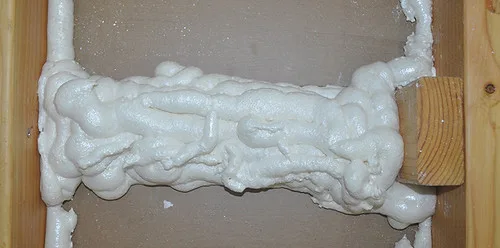
Use minimal-expansion foam only in hidden cavities.
If there is an open void around the frame, apply a light bead behind trim or inside the cavity. Keep foam away from moving parts, and do not overfill. -
Retest with tissue or incense.
Check the slot, then the edges again. If airflow still shows through the center, the flap or assembly needs replacement.
What kind of mail slot draft stopper works best? The best choice is usually an interior cover with a gasket or brush seal, because it blocks airflow without changing the outside appearance much. A magnetic cover can work well on metal doors if the fit is snug. Avoid thick weatherstripping that prevents the slot from opening.
Should you repair or replace the slot?
Repair the flap when the rest of the assembly is sound and the cutout still fits the existing hardware. Replace the full slot when the flap is warped, the spring tension is gone, the housing is damaged, or the door thickness does not match a replacement cover. Permanently patch only when you want the opening closed for good.
-
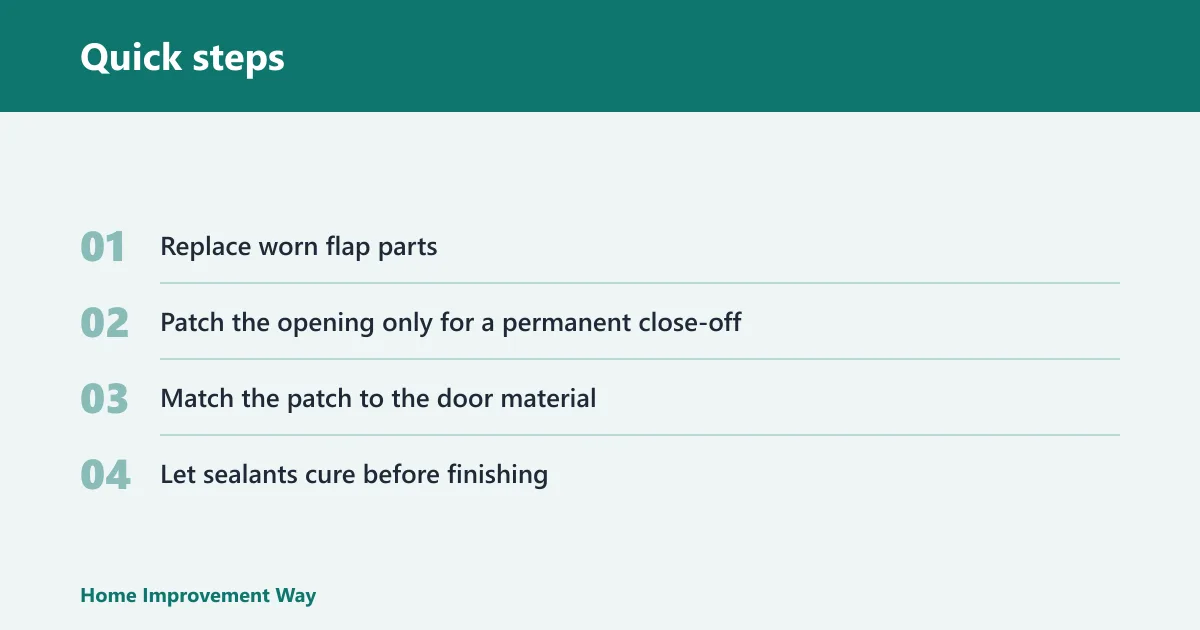
Replace worn flap parts.
If the flap is bent or missing tension, swap the spring, hinge, or flap assembly if the model allows it. A new flap can stop a draft faster than sealing around a damaged one. -
Patch the opening only for a permanent close-off.
Fit a backer plate or patch panel to the door thickness, fasten it securely, seal the perimeter, and finish it to match the door. This is the right move when the mail slot is no longer needed. -
Match the patch to the door material.
Wood, steel, and fiberglass doors need different fasteners and finishing methods. On hollow-core or insulated doors, avoid cutting into the core unless the replacement part is designed for it. -
Let sealants cure before finishing.
Clean and dry surfaces matter. In cold weather, cure time slows, and paintable products should fully cure before you sand or paint them.
Picture an old wood front door with a large slot that no longer has a tight flap. If the cutout is square and the door is thick enough, a replacement assembly may fit cleanly. If the door is thin or the opening is irregular, a patch panel is often the cleaner permanent option.
Common mistakes
The biggest error is using the wrong material for the wrong leak path. Caulk does not replace a missing flap, and spray foam should not bow the door skin or trim. Another mistake is ignoring door thickness, which can leave a cover loose or impossible to mount.
- Sealing the flap instead of fixing it: If the flap is warped or missing spring tension, replace the part first.
- Using too much foam: Minimal-expansion foam is the only safe choice around hidden cavities, and it must not deform the door.
- Blocking the slot with thick weatherstripping: The cover still needs to move freely.
- Skipping the draft test after repair: Check again with tissue or incense so you know the leak path is gone.
- Working on dirty or damp surfaces: Caulk and adhesive mounts stick poorly to dust, ice, or moisture.
Frequently asked questions
How do I stop cold air coming through my mail slot?
Start with a draft test, then seal the leak path you find. If the flap is the problem, replace or adjust it. If the leak is around the frame, use exterior-grade caulk on small gaps and an interior mail-slot cover for the opening itself.
How do I seal a mail slot in the wall?
Only seal it permanently if the opening will never be used again. Remove the trim if needed, install a backer plate or patch sized to the wall thickness, seal the perimeter, then finish the surface with paint or matching material after the patch cures.
Can I insulate a mail slot without replacing the door?
Yes. A cover with a gasket or brush seal can add insulation without changing the door slab. For edge leaks, use weatherstripping at contact points and caulk at narrow seams. Do not use thick foam where the flap or cover needs to move.
What kind of mail slot draft stopper works best?
An interior cover with a compressible gasket is usually the best fit for winter draft control. Magnetic covers work well on steel doors, while screw-mounted covers are often better on wood or fiberglass doors. Match the cover to the existing cutout and door thickness.
Should I caulk around a mail slot or use foam?
Use caulk for small exterior perimeter gaps. Use minimal-expansion foam only inside hidden cavities around the frame, not at the moving flap or exposed opening. If the flap is missing or warped, neither product is a substitute for replacement.
Can I replace a broken mail slot flap myself?
Often, yes, if the model uses replaceable hardware and the door cutout matches the new part. Measure the opening first, then remove the old hardware and install the new flap or assembly. If the door is warped or the fit is wrong, replace the full unit instead.
What should you know about foam, weather, and compatibility?
Use minimal-expansion foam only in hidden cavities, not at moving parts. Most sealants and foams need dry surfaces and moderate temperatures to cure properly, and windy conditions can make placement messy. Door material matters too: wood can usually be patched more flexibly than steel or fiberglass, which often need matched hardware and careful fastening.
-
Avoid foam on the moving flap.
Minimal-expansion foam is for concealed voids only; it can bind hardware or deform the opening if used in the wrong place. -
Check temperature limits before applying sealants.
Follow the product label for the lowest application temperature and allow extra time for cure in cold weather. -
Do not patch if the door skin is unstable.
If the door is warped, cracked, or delaminated, a permanent patch may not hold well enough for long-term use. -
Stop if wind is carrying debris into the opening.
Loose dust and moisture can weaken adhesion and make the repair harder to finish cleanly.
Sources
- Air Sealing Your Home
- Insulation
- How to Caulk
- How to Use Spray Foam Insulation
- Insulation Resources
- Installation Resources
- Door Installation Resources
- How to Weatherstrip a Door
- Weatherstripping Installation
Sponsored / affiliate links. As an Amazon Associate I earn from qualifying purchases. I may earn additional commission from eligible campaigns.