Do Area Rugs Make a Room Warmer in Winter?
Area rugs can make a room feel warmer, but they usually do not raise room temperature by much; on a cold floor, a thick rug with a dense pad helps most, while a thin rug over an insulated subfloor changes little. That is consistent with basic heat-transfer physics: insulating layers slow conductive heat flow, but they do not create heat. If you buy the wrong rug or skip air-sealing, you can pay for comfort that barely cuts heat loss. This guide explains when rugs help, when they do not, and what to choose for cold floors in winter.
This guide is part of our Winter Weatherproofing: How to Draft-Proof Your Home series.
Before choosing a rug, separate the problem into three outcomes: warmer feet, a warmer floor surface, and a warmer room air temperature. Rugs help the first two most. If the room still feels cold after the floor is covered, the likely fix is air-sealing, insulation below the floor, or both. For related basics, see how rug pads change comfort, wool vs. synthetic rugs, and draft proofing for winter.
How rugs insulate underfoot without heating the air
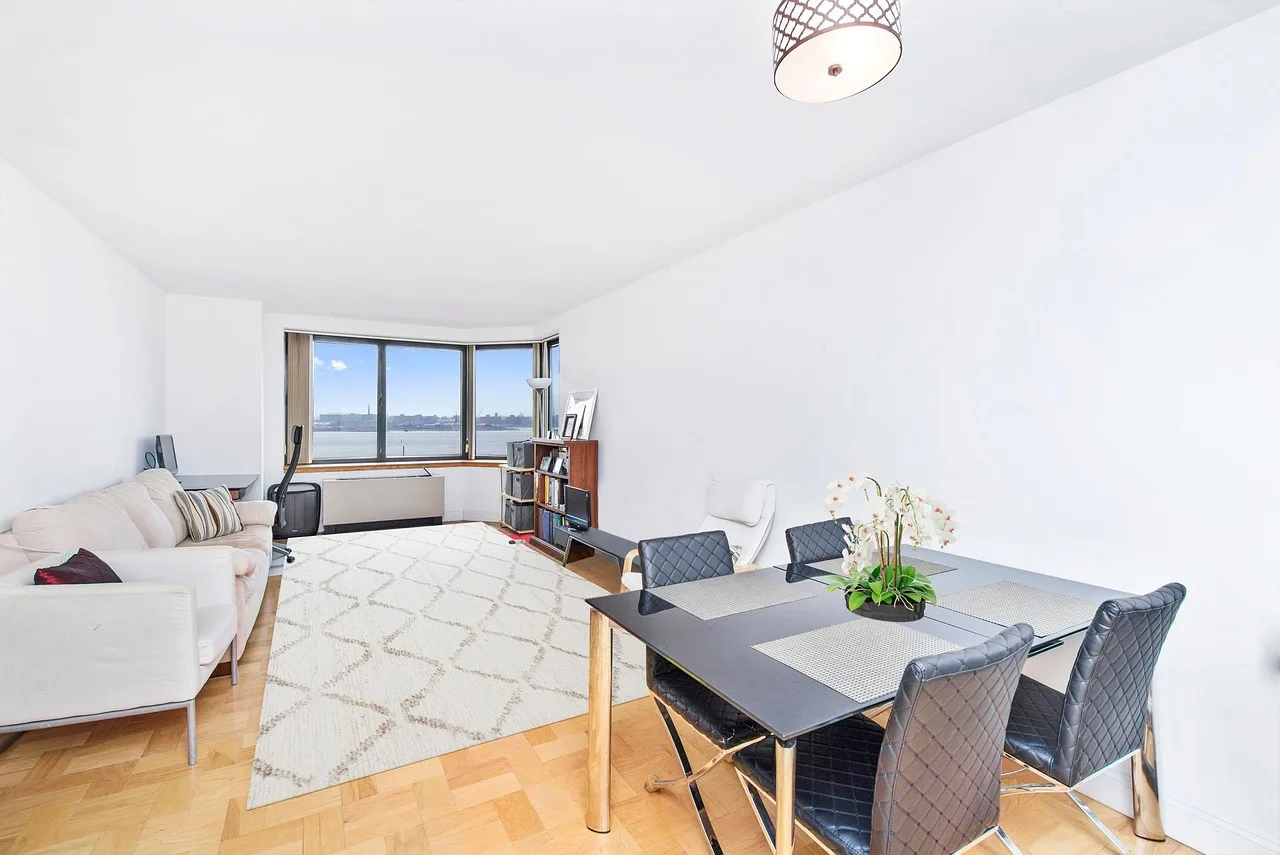


Yes, but mostly at floor level. An area rug adds insulation between your feet and a cold surface, so the room feels warmer underfoot. It does not generate heat, and it usually will not significantly increase the room temperature. That is the core distinction between comfort and air heating.
Floor coverings work by slowing heat transfer. ASHRAE explains that materials with higher thermal resistance slow conductive heat flow, which is why a rug feels warmer than bare tile or concrete. The effect is strongest when the floor itself is cold and the rug has meaningful thickness plus a supportive pad.
Warm feet, not warm air
Hard flooring pulls heat away from your body faster than carpet or a rug-backed surface. That is why a room with tile or concrete can feel chilly even when the air is set to the same temperature as another room. The temperature difference is often in the surface, not the thermostat.
A rug slows that heat transfer. The thicker and denser the rug system, the better it resists heat flow. In simple terms, higher thermal resistance means better insulation.
Why coverage matters more than size alone
Large rugs usually help more than small accent rugs because they cover more cold floor. A 5′ x 7′ rug under a coffee table can improve one spot, but it will not change the feel of the whole room as much as a larger rug that reaches the main walking path.
That does not mean every room needs wall-to-wall coverage. It means the parts of the floor where you stand, sit, or walk barefoot should get priority.
Why hard floors feel colder
Hard flooring feels colder because it transfers heat away faster than a rug-covered surface. Tile, hardwood, laminate, concrete, and stone all tend to feel cool in winter, especially when the subfloor or crawlspace below them is cold. The issue is often conduction through the floor assembly, not the room air.
That is why floor insulation and subfloor conditions matter. Building Science Corporation and the U.S. Department of Energy both note that insulation reduces heat flow, and the more directly a floor is exposed to cold below, the more useful added resistance becomes.
Coverage helps most on tile and concrete
Rugs matter most where the floor has little built-in insulation. Ceramic tile and linoleum are both poor insulators compared with a rug-plus-pad system; even modest added resistance can noticeably improve underfoot comfort. A dense felt pad helps most because it adds more thermal resistance than a very thin layer.
In practice, the coldest-feeling floors tend to benefit the most from the largest possible rug area. Laminate and hardwood can also feel cold, but concrete and tile usually give the strongest comfort payoff from rug coverage.
What rug type feels warmest?
Wool rugs are often one of the warmest common rug materials because their dense fibers can trap air and help resist heat loss. High-pile rugs also tend to feel warmer than flatweaves because they hold more air. Flatweaves are easier to clean, but they insulate less and can feel cooler in winter.
Material choice matters, but it is not the whole story. Thickness, density, pile height, and pad choice all affect how the rug feels in a cold room. A thinner wool rug may still feel warmer than a thicker synthetic rug if the synthetic is loose and airy.
Wool versus synthetic
Wool is a strong winter choice on hard floors because it combines density with natural loft. The warmest synthetic rugs usually rely on construction, not fiber alone, so the label by itself does not tell the full story. Density and pad choice can matter as much as the fiber content.
Synthetic rugs vary more widely. Some are durable and easy to maintain, but the material label alone does not tell you how warm a rug will feel. Density, thickness, and pad choice matter just as much as fiber type.
High-pile versus flatweave
High-pile rugs usually feel warmer underfoot because they contain more trapped air. Flatweave rugs sit thinner on the floor, so they add less insulation. They can still work well in winter if you want a lighter look or easier cleaning, but they are rarely the warmest choice.
Suppose you place a flatweave runner over laminate in a hallway that gets bare feet every morning. It may soften the feel a little, but it will not match the comfort of a denser rug with more pile and a better pad.
Do rug pads make a room warmer?
Yes. A rug pad adds a second insulating layer, and felt pads generally add more warmth than thinner rubber pads. Pads also help prevent slipping and wrinkling, which matters more as rugs get larger and heavier. For winter comfort, the pad often changes the feel as much as the rug itself.
That is why pad selection matters on cold floors. The U.S. Department of Energy emphasizes sealing and insulating cold building surfaces to reduce heat loss; a rug pad is not structural insulation, but it does add resistance at the point where your feet meet the floor.
How to size a pad correctly
A pad should be sized slightly smaller than the rug so the edges stay hidden. That keeps the rug flatter and reduces visible bunching at the perimeter. A good pad also helps the rug stay put, which matters on smooth hard flooring.
Thin rubber pads are useful when slip resistance matters most. Felt pads usually add more insulation. If warmth is the goal, felt is usually the better starting point.
How pads change thermal resistance
Thermal resistance, or R-value, is a measure of resistance to heat flow. Higher values mean better insulation. A rug by itself adds some resistance, but a dense pad can improve the result enough that the floor feels noticeably less cold. For floor insulation basics, see the floor insulation and R-value guide.
That matters most on hard flooring with little natural insulation below it. On an already insulated floor, the difference may be much smaller.
Winter rug decision table
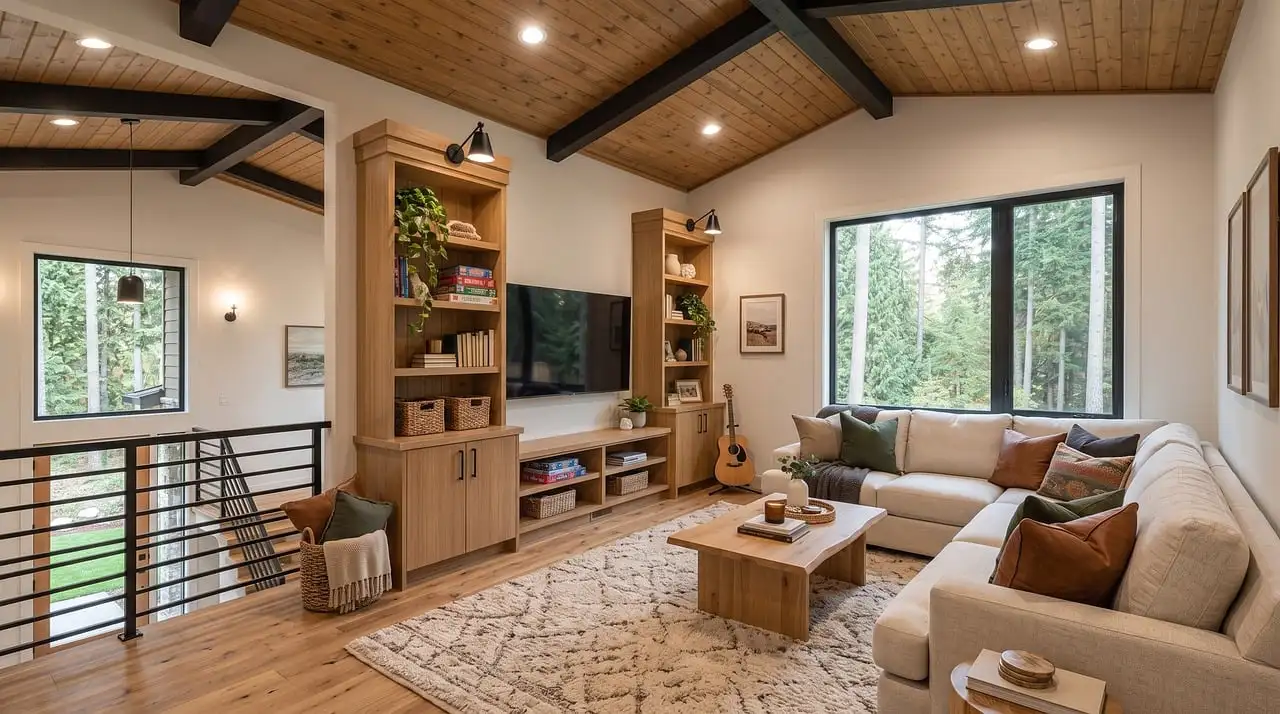
Use this table as a quick selection guide. The ratings use a simple 1-to-5 scale: 1 = little comfort gain, 3 = moderate gain, 5 = strongest winter comfort improvement. It ties floor type, rug style, and pad choice to the kind of comfort you can expect, plus the limits to keep in mind and the best next step if a rug will not solve the problem.
| Floor type | Rug type | Pad type | Rating (1-5) | Expected comfort impact | Best use case | Floor-specific failure case | Best next step if rug will not help |
|---|---|---|---|---|---|---|---|
| Tile | Wool or high-pile | Felt | 5 | High underfoot warmth | Living rooms, bedrooms, or sitting areas with bare feet | Unsealed gaps, drafts, or cold air leaking from below | Air-seal the room and inspect insulation below the floor |
| Tile | Flatweave | Thin rubber | 2 | Low to moderate | Areas where easy cleaning matters more than warmth | Rooms that already feel cold from floor conduction | Upgrade to a denser rug and felt pad, or insulate below |
| Hardwood | Wool or low-pile | Felt | 4 | Moderate to high | Bedrooms, family rooms, and other medium-traffic spaces | Baseboard drafts or leaky windows | Draft proof windows, doors, and baseboards |
| Laminate | High-pile or wool | Felt | 4 | Moderate to high | Spaces with a cool surface and regular barefoot use | Cold crawlspace conditions below the floor | Insulate below the floor or improve crawlspace air sealing |
| Concrete | Wool or high-pile | Felt | 5 | High | Basements and slab-on-grade rooms | If moisture or structural cold is the main problem | Address slab moisture and add insulation where construction allows |
| Concrete | Flatweave | None or thin rubber | 1 | Low | Temporary coverage where you want less bulk | Cold rooms where floor insulation is the goal | Use a thicker rug system or add insulation below the slab if possible |
| Wood or laminate | Large area rug | Felt | 4 | Moderate to high | Open-plan rooms with the coldest walking paths covered | Small accent use under a coffee table only | Increase rug coverage and consider air-sealing the room envelope |
| Radiant-heated floor | Thin rug or flatweave | Thin pad or none | 3 | Lower comfort gain, less heat blockage | Rooms where floor heat needs to pass through the rug | Thick rugs that trap heat below the surface | Choose a thinner rug and check the system guidance for rug insulation limits |
When a rug will not fix the cold
A rug helps with floor-level comfort, but it does not solve every cold-room problem. If the room feels cold because of air leaks, a rug may make the floor nicer without changing the cause of the discomfort. In that case, the right fix is usually outside the rug category.
Baseboard drafts, unsealed thresholds, leaky windows, door gaps, and cold crawlspaces are separate problems. Rugs cannot stop those losses. For more on room-envelope fixes, see draft proofing and radiant-heated floors.
Drafts and air leaks
If cold air is moving through windows or doors, the room will still feel chilly even with a thick rug. A rug may cut the shock of a cold floor, but it will not replace caulk, weatherstripping, or threshold repair. If the air is leaky, treat the leak first.
A common first-timer mistake is buying a thicker rug for a dining room with a visible gap under the patio door. The floor may feel a little better, but the room still loses heat through the opening.
Radiant heat floors need a different approach
Radiant-heated floors typically need lower combined rug and pad resistance than a standard floor. Thick rugs can trap heat below the surface, which reduces how well the radiant system delivers warmth. Thin rugs are often the better choice there, and the rug should not cover more of the heated area than the system guidance allows.
For radiant heat, the goal is not maximum insulation. It is enough coverage to soften the surface without blocking the heat source underneath.
Does carpet make a room warmer in winter?
Carpeted rooms are often warmer underfoot than rooms with bare hard flooring, but that depends on the carpet, pad, and subfloor assembly. Carpet does not magically heat a room. It mainly slows heat loss through the floor, much like an area rug does, though it usually covers more surface area.
Broadloom carpet can feel warmer because it usually covers the whole room and includes a pad. That full coverage often gives it an edge over a small rug placed on top of hard flooring.
How carpet compares with an area rug
Carpet and an area rug work on the same basic principle: they add insulation and reduce direct contact with a cold floor. Carpet often has the edge because it covers the whole room, while an area rug only covers part of it.
That said, a well-chosen area rug with a dense felt pad can still make a strong difference in the spots where people stand the most.
Why the floor assembly matters
The construction under the surface matters as much as the textile on top. A carpet over a cold slab will still feel different from carpet over an insulated floor. The same is true for an area rug: the better the floor assembly, the less you need the rug to compensate.
If the subfloor is already insulated, the rug mainly improves touch comfort. If the floor below is cold, the rug has more work to do.
Frequently asked questions
Does an area rug make a room warmer?
An area rug makes a room feel warmer, especially underfoot, but it usually does not raise the room temperature much. It works by adding floor-level insulation and slowing heat loss through hard flooring. The biggest gains come from thicker rugs, denser pads, and larger coverage.
Do rugs make rooms warmer?
Yes, but mostly in comfort terms rather than thermostat terms. Rugs help rooms feel warmer by reducing how quickly heat leaves your feet and the floor surface. They are most useful on tile, concrete, laminate, and hardwood, where surface temperature is often the main complaint.
What kind of rug is warmest in winter?
Wool rugs are commonly the warmest common choice because dense fibers trap air and have high thermal resistance. High-pile rugs also feel warmer than flatweaves. For the best winter comfort, pair the rug with a felt pad and use enough coverage to reach the coldest walking area.
Do small rugs warm a room as much as large rugs?
No. Small rugs can improve comfort where they sit, but they do not affect as much floor area. Large rugs usually work better because they cover more cold surface. For a room that feels cold overall, prioritize the main barefoot paths rather than a small accent piece.
Does a thick rug work better than a thin rug in winter?
Usually yes. Thicker rugs provide better insulation by creating more space between your feet and the cold floor. That said, thickness is not the only factor. Density, pile height, rug pad type, and floor material all influence how warm the rug feels in actual use.
Sponsored / affiliate links. As an Amazon Associate I earn from qualifying purchases. I may earn additional commission from eligible campaigns.