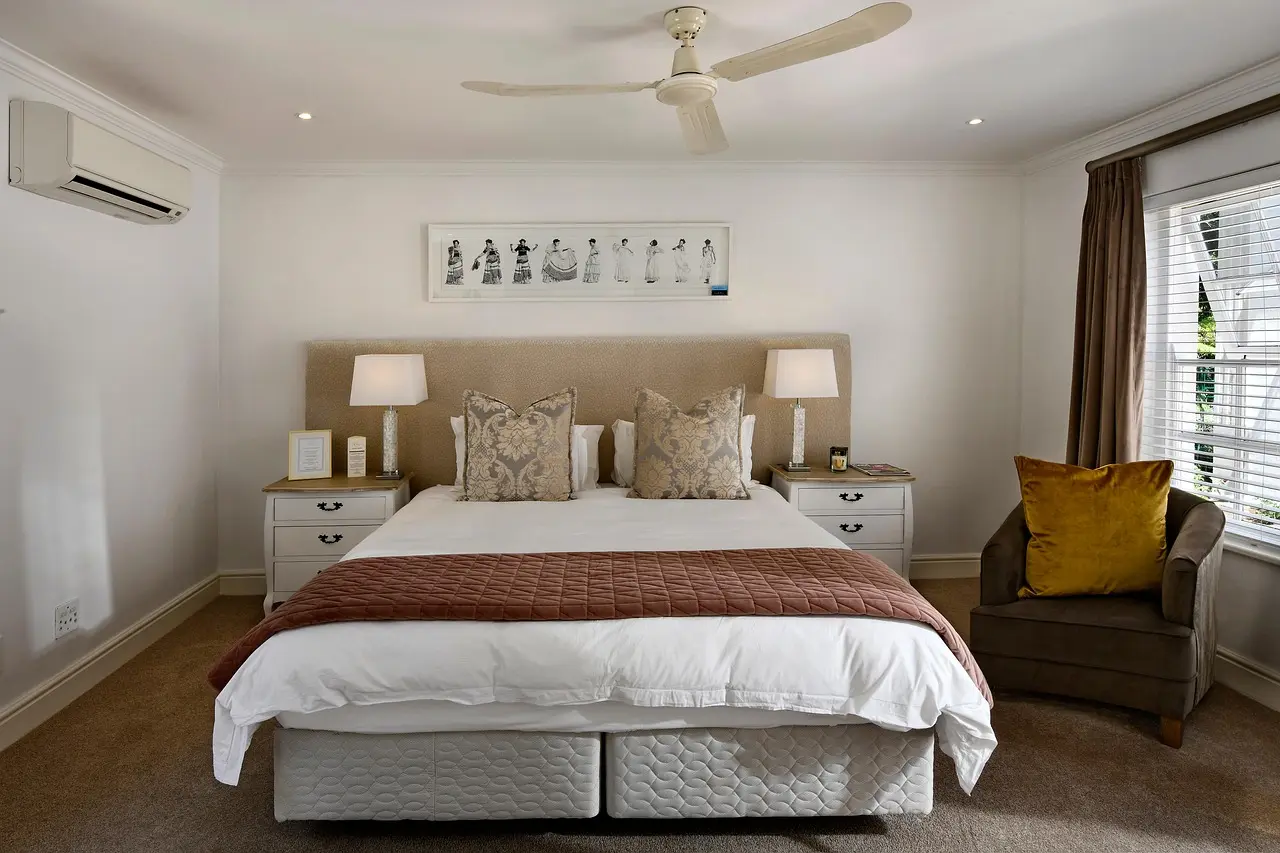
Why Is My Bedroom Always Cold in Winter?
A bedroom can get colder in winter for a few common reasons: cold air may leak in, heat delivery may be weak, or the room may lose heat faster than the rest of the house. Start with drafts, then check supply, then insulation. If you miss the cause, you can pay for the wrong repair and keep living with a room that never feels right. This guide gives a quick diagnosis tree and the right repair for each cause.
This guide is part of our Winter Weatherproofing: How to Draft-Proof Your Home series.
Why your bedroom feels colder


A room can feel cold even when the thermostat reads normal because air temperature is only part of comfort. Drafts cool your skin, cold wall and window surfaces pull heat from you by radiation and contact, and weak airflow lets the room lag behind the rest of the house. Begin with what you can feel, then check what the room is missing.
Air leaks versus radiant chill
Air leaks create moving cold air. Radiant chill comes from surfaces that stay cold enough to make the room feel uncomfortable at a normal air temperature. A window that does not leak much can still feel cold if the glass and frame are cold, and an exterior wall can do the same.
Why one room can be cold while the thermostat reads normal
The furnace can satisfy the thermostat in a hallway or living room and still leave one bedroom short. Bedrooms are often farthest from the furnace, and builder ductwork is often undersized for the second floor. Rooms with poor sealing, outside exposure, or a long duct run lose out first.
The three main cause groups
Keep the diagnosis simple. First, rule out drafts at windows, doors, and baseboards. Second, check HVAC delivery: register flow, blocked vents, duct sizing, and returns. Third, look at the room itself: exterior wall insulation, attic loss, room location, and cold surfaces that make the room feel colder than the air temperature alone.
Bedroom cold diagnostic table

Use this table to narrow the cause before you call for repairs. Start with the symptom that matches the room best, then do the low-cost test listed in the last column.
| Symptom | Most likely cause | Best next test |
|---|---|---|
| Cold outer wall | Missing or settled insulation, thermal bridge at framing, or damp wall surface | Place your hand on the wall and compare it with an interior wall on the same floor |
| Window draft | Worn weatherstripping, gaps at trim, or failed caulk | Stand near the window on a windy day and feel for leaks with the back of your hand |
| Whistling near the window | Air leak at sash, frame, or trim joint | Slowly trace around the frame with your hand and listen for the exact spot |
| Weak register airflow | Blocked vent, closed damper, or clogged grille | Remove the curtain or furniture blocking the register and feel for flow at the grille |
| Room stays cold far from the furnace | Long duct run, undersized duct, or poor balancing | Compare airflow at this room with a closer supply register on the same floor |
| No heat vent in the room | Missing supply branch or disconnected duct | Check whether the room has any supply grille or return path at all |
| Cold only in one corner | Thermal bridge at corner framing or lintel | Feel the corner and the adjacent wall surface, then compare with the center of the wall |
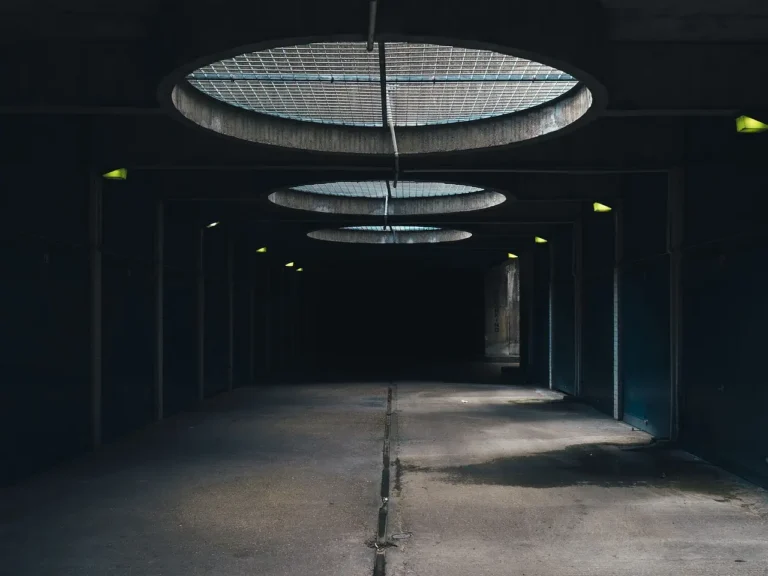
| Bedroom over garage feels especially cold | Cold garage ceiling below, floor insulation gap, or air leakage at the rim | Check the garage ceiling for gaps, lights, and penetrations under the room |
| Top-floor bedroom is hot in summer and cold in winter | Attic loss, bypasses, or poor upper-floor duct delivery | Inspect the attic hatch for leaks and look for insulation coverage around the hatch |
| Condensation on windows | Indoor humidity too high for the cold glass surface, or poor ventilation | Wipe the glass dry and watch whether moisture returns overnight |
| Room feels chilly but the air register is warm | Cold wall or glass surface, furniture placement, or radiant discomfort | Move furniture away from the exterior wall and check whether comfort improves |
| Only one side of the bed feels cold | Cold exterior wall, draft path, or window radiation beside the bed | Sleep one night with the bed pulled away from the wall and compare the feel |
| Cold after a windy day | Exterior leakage through tiny gaps and cracks | Check baseboards, outlets on exterior walls, and trim joints with your hand |
Is the problem air leaks?
Air leaks are the fastest thing to check because they are cheap to find and often easy to fix. Look first at windows, door gaps, trim, and baseboards. If you feel moving air or hear whistling, treat that as a strong sign of leakage before you assume the room needs major insulation work.
Windows, caulk, and weatherstripping
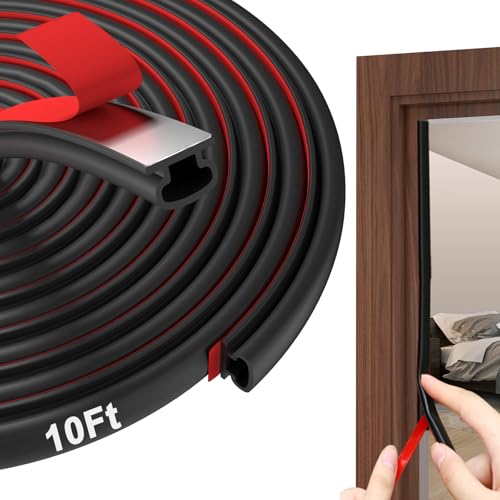
Windows can leak through worn weatherstripping, failed caulk, loose sash joints, and gaps between the frame and the wall. Single-pane windows usually lose more heat than insulated windows, and even a good window can feel cold if the seal around it has failed. Clear plastic film can reduce heat loss by up to 25 percent when it is installed over the window surface.
Door gaps and baseboards
Do not stop at the glass. Cold air can enter through tiny gaps and cracks in a home’s exterior, including gaps at the door sweep, baseboard, electrical outlet, and trim. If the room feels colder near the floor or along one wall, a small exterior gap may be enough to explain it.
Quick tests you can do by hand
- Stand near the window on a windy day.
- Move the back of your hand slowly around the frame, sash, and trim.
- Listen for whistling at the same spots.
- Check the door sweep and latch side for light or air movement.
- Feel exterior-wall outlets, baseboards, and corner joints for moving air.
Say your bedroom has a north-facing window, and the curtain covers the top half but not the sides. If the room still feels cold after you seal the side gaps with weatherstripping and caulk, the next suspect is usually the wall or the window surface itself, not the thermostat setting.
Could HVAC airflow be the issue?
Yes. A bedroom can be cold because the system is not delivering enough warm air to that room, even when the rest of the house feels fine. Open registers are not enough if the room is far from the furnace, the duct is undersized, or the return path is weak or missing.
Open registers and blocked vents
Start with the simple checks. Make sure the supply register is open, not buried behind a dresser, and not covered by curtains, bedding, or a rug. A blocked vent can make the room feel underheated even when the furnace is running normally.
Weak supply, missing returns, and long duct runs
Bedrooms are often farthest from the furnace, and builder ductwork is often undersized for the second floor. That combination can leave one room short of warm air. Rooms with no heat vent may need additional ductwork or a mini-split system, especially when the room has no practical way to get more supply air from the main system.
Balancing dampers and zoning
Balancing dampers can redirect more flow to a weak room if the duct system allows adjustment. Zoning can help when one area of the house needs different treatment than the rest. A bigger furnace is rarely the right fix for one cold bedroom, because the problem is usually distribution, not total capacity.
Suppose an upstairs bedroom is cold while the hallway is comfortable. If the supply register is open but the room is still short on heat, a balancing issue or undersized duct is more likely than a whole-house heating failure.
Wall and attic losses
Some bedrooms lose heat faster because of where they sit in the house shell. Exterior walls, attic boundaries, and roof intersections matter. Heat can escape through the attic while cold air seeps in through walls, crawl space, and rim joist, so the room may need envelope work rather than more thermostat changes.
Exterior wall insulation and thermal bridges
Exterior wall insulation matters more when the wall is solid, partially insulated, or settled over time. Thermal bridges at corners and lintels can create cold spots even if the center of the wall seems acceptable. North-facing walls often feel worse because they get less solar warming, and damp walls lose heat faster than dry ones.
Attic insulation depth and coverage
Top-floor bedrooms often swing hot in summer and cold in winter because warm air moves upward and because attic losses matter more there. Insulation depth and coverage affect upper-floor comfort, but gaps around can lights, chases, and the attic hatch can undermine the result. Check the hatch seal before adding more insulation.
Air sealing before adding insulation
Air sealing should come before adding more insulation. If attic bypasses or wall gaps are still open, insulation alone may leave the draft path in place. Seal the leaks, then add insulation where it belongs. That order usually gives a better result than burying the problem under more material.
Room location and comfort
Room location changes the failure mode. An upstairs bedroom, a corner room, a room above a garage, and a north- or northwest-facing room can all be cold for different reasons. Treat those rooms differently, because the fix for one may not help the others.
Upstairs, corner, and above-garage bedrooms
Upstairs bedrooms often swing hot in summer and cold in winter because warm air movement and duct losses affect them differently through the seasons. Corner rooms lose more through two exterior walls. A bedroom above a garage has a colder floor boundary and often needs attention to the garage ceiling, rim joist, or floor assembly below the room.
North-facing exposure and detached edges
North- or northwest-facing rooms can stay colder because they may get less sun and may be more exposed to colder outdoor conditions. End-of-terrace and detached rooms also have more exterior surface area, so they lose heat faster than rooms surrounded by other heated spaces. That does not always mean bad insulation, but it often means more heat loss area.
Furniture placement and cold surfaces
Cold wall surfaces feel chilly even at a normal air temperature. A bed pushed tight against an exterior wall can make that effect worse, especially beside a window or a cold corner. Pull furniture a bit away from the wall so air can move behind it and so your body is not next to the coldest surface in the room.
Humidity and condensation
Bedroom humidity changes how cold the room feels. Dry air can make a room feel less comfortable, while excess moisture can condense on cold windows and signal a ventilation problem. Keep indoor humidity between 40 and 50 percent if you can do that without causing condensation or mold risk.
Why dry air feels colder
Low humidity does not lower the thermostat, but it can make a room feel harsher in winter. Dry air, drafts, and cold surfaces combine to make the same room feel less comfortable than it does in milder conditions. If one bedroom is drier than the rest of the house, it may also feel more uncomfortable than the numbers suggest.
Window condensation and mould risk
Condensation on windows means the glass is cold enough to pull moisture from indoor air. In a cool bedroom, that moisture can increase mould risk around the frame, sill, and nearby wall materials. If condensation appears often, check both the humidity level and the window’s ability to stay warmer.
Ventilation targets for winter comfort
Use ventilation carefully. You want enough fresh air to control moisture, but not so much leakage that the bedroom becomes drafty. If the room has a persistent condensation problem, fix the leakage and insulation first, then review bathroom exhaust, whole-house ventilation, and bedroom humidity control.
Frequently asked questions
Why is my bedroom so cold in winter?
Most cold bedrooms trace back to one of three problems: air leaks, weak HVAC delivery, or a room that loses heat faster than the rest of the house. Start with the window and door edges, then check the register, then look at the wall, attic, and room location if the first checks do not explain it.
Why is my room so cold in winter?
If one room is colder than the others, that usually means the room is leaking more air or receiving less heated air than the rest of the house. A cold wall, window draft, blocked register, or long duct run can all do it. A quick hand check near the window often separates drafts from radiant chill.
Why is my upstairs bedroom so cold in winter?
Upstairs bedrooms often swing hot in summer and cold in winter because warm air movement and duct delivery are less forgiving on the upper floor. Builder ductwork is often undersized for the second floor, and attic loss can matter more there. Check supply airflow, attic air sealing, and the hatch first.
Why is my bedroom so cold?
A bedroom can feel cold because the air is moving through leaks, the heat supply is weak, or the walls and windows are staying cold. The room may also be over a garage, on an outside corner, or far from the furnace. The right fix depends on which of those shows up first.
Why is my room so cold in winter and so hot in summer?
That pattern usually points to location and envelope weakness. Upstairs rooms, corner rooms, and rooms with attic or roof exposure often heat up in summer and lose comfort in winter. A duct system that underfeeds the room can make the seasonal swing worse, especially if the room is far from the furnace.
How do I fix a cold bedroom?
Start with a simple sequence: check for drafts at windows and doors, confirm the register is open and not blocked, then inspect attic, wall, and floor boundaries for obvious loss. If the room still runs cold, look at balancing dampers, missing returns, or a room-specific solution such as added ductwork or a mini-split.
Why are some winters colder than others?
Some winters expose weak rooms more than others because the outdoor temperature, wind, and humidity change the load on the room. A bedroom that was tolerable in a mild winter may feel much colder in a windier or colder one. That does not always mean the house changed; the weather may have exposed the weakness.
Sponsored / affiliate links. As an Amazon Associate I earn from qualifying purchases. I may earn additional commission from eligible campaigns.