HVAC: Heating or Cooling? Know Which Controls Your Space
Knowing whether heating or cooling governs your space is crucial for maintaining comfort and optimizing energy efficiency. This understanding helps you troubleshoot issues, make informed decisions about your HVAC system, and ultimately control your indoor environment effectively. This guide will break down how to identify which system is currently active and dominant in your home or office.
Simply put, determining whether heating or cooling dominates your space involves observing your thermostat’s current setting, feeling the air from vents, listening for system sounds, and checking for visible signs like condensation or frost. This insight empowers you to manage comfort and energy use more effectively.
Key Takeaways
- The thermostat’s mode setting (Heat, Cool, Auto, Off) is the primary indicator of which system is intended to be active.
- Feeling the air temperature coming from vents provides direct evidence of whether the system is delivering warm or cool air.
- Listening for distinct operational sounds of your heating or cooling system can help differentiate their activity.
- Checking for condensation on pipes or outside units offers clues about the cooling system’s operation, while exhaust vents indicate heating.
- Understanding these signs helps in efficient HVAC system management and troubleshooting.
What is Your Thermostat Telling You?
Your thermostat is the command center for your HVAC system, and its display is the most direct way to understand what it’s trying to do. Most modern thermostats have distinct modes: Heat, Cool, Auto, and Off. If your thermostat is set to “Heat,” it’s programmed to activate your furnace or heat pump to raise the indoor temperature when it drops below the set point.
Conversely, a “Cool” setting instructs the air conditioner or heat pump to lower the temperature when it exceeds the desired level.
The “Auto” mode is a bit more sophisticated, allowing the system to switch between heating and cooling as needed to maintain a target temperature range. If you see “Auto” and the system is actively blowing air, it means the thermostat has detected a need for either heating or cooling to keep you comfortable. The “Off” setting, as its name implies, disables both heating and cooling functions, meaning neither system will activate unless you change the mode.
Pay close attention to the specific labels and icons on your thermostat. Some digital displays might show a flame icon for heating or a snowflake icon for cooling. Others might simply have the words “Heating,” “Cooling,” or “Fan” running.
Understanding these indicators is the first step in diagnosing whether heating or cooling is currently in charge of your indoor climate.
- Heat Mode: System activates to raise indoor temperature.
- Cool Mode: System activates to lower indoor temperature.
- Auto Mode: System automatically switches between heating and cooling.
- Fan Only: Circulates air without heating or cooling.
- Off: System is completely deactivated.
Feeling the Air: A Direct Test
The most immediate and often most convincing way to tell if heating or cooling is governing your space is by feeling the air emanating from your supply vents. When your heating system is active, the air will feel noticeably warmer than the ambient room temperature. The intensity of the heat can vary; on a very cold day, it will be quite warm, while on a milder day, it might feel lukewarm, but it should still be warmer than the air you’re breathing.
On the other hand, when your cooling system is running, the air from the vents will feel cool or cold. You might even feel a slight chill. If the air feels significantly cooler than the room temperature, your air conditioner is actively working to reduce the heat.
If the air feels stagnant or close to room temperature, it’s likely that neither the heating nor the cooling cycle is currently engaged, or the fan is simply circulating existing air.
To perform this test effectively, it’s best to be in a room where the thermostat is located or in a commonly used area. Hold your hand up to a vent for a few moments, allowing your skin to register the temperature difference. Be mindful that sometimes the fan can run independently of the heating or cooling system, so feeling the air temperature is more telling than just noticing airflow.
| Airflow from Vent | Likely System Active | What it Means |
|---|---|---|
| Noticeably Warm | Heating | Furnace or heat pump is running to increase temperature. |
| Cool or Cold | Cooling | Air conditioner or heat pump is running to decrease temperature. |
| Room Temperature/Stagnant | Fan Only or Off | Circulating air or system is idle. |
This simple test provides immediate feedback on your HVAC system’s current operational state and confirms what your thermostat is set to do.
Listening for Clues: The Sound of HVAC Activity
Your HVAC system makes distinct sounds when it’s actively heating or cooling. The most obvious sound is the fan, which is present in both heating and cooling modes. However, there are other noises that can help you differentiate.
When the air conditioner kicks in, you’ll typically hear the compressor and fan running outside, accompanied by a consistent hum or whirring sound. Inside, you might hear the indoor blower fan, and sometimes a faint hiss as cool air is distributed.
For heating, the sounds are often different. If you have a furnace, you might hear the ignition process – a brief whoosh or clicking sound – followed by the rumble of the burner and the blower fan. Older furnaces might make a distinct thud when they start up.
If you have a heat pump, it will sound similar to an air conditioner when in cooling mode, but when in heating mode, the outdoor unit’s fan might sound slightly different, and you may hear the reversing valve switch over, which can sometimes produce a soft clicking or popping sound.
Beyond the main operational sounds, listen for any unusual noises. Clanking, grinding, or squealing sounds could indicate a problem with either the heating or cooling components. However, focusing on the consistent hum of the outdoor unit (cooling) versus the potential rumble and ignition sounds of a furnace (heating) is key to identifying the dominant system.
- Compressor/Fan Hum (Outside): Typically indicates the air conditioner or heat pump in cooling mode is running.
- Furnace Ignition (Whoosh/Click): Signals the furnace is starting its heating cycle.
- Burner Rumble (Inside/Furnace): The sound of gas being burned to produce heat.
- Blower Fan Whir (Inside): Circulates air in both heating and cooling modes.
- Heat Pump Reversing Valve Click: A soft click or pop as the heat pump switches between heating and cooling.
- Unusual Noises (Grinding, Squealing): Indicate potential system malfunctions.
Checking the Outdoor Unit: A Visual Indicator
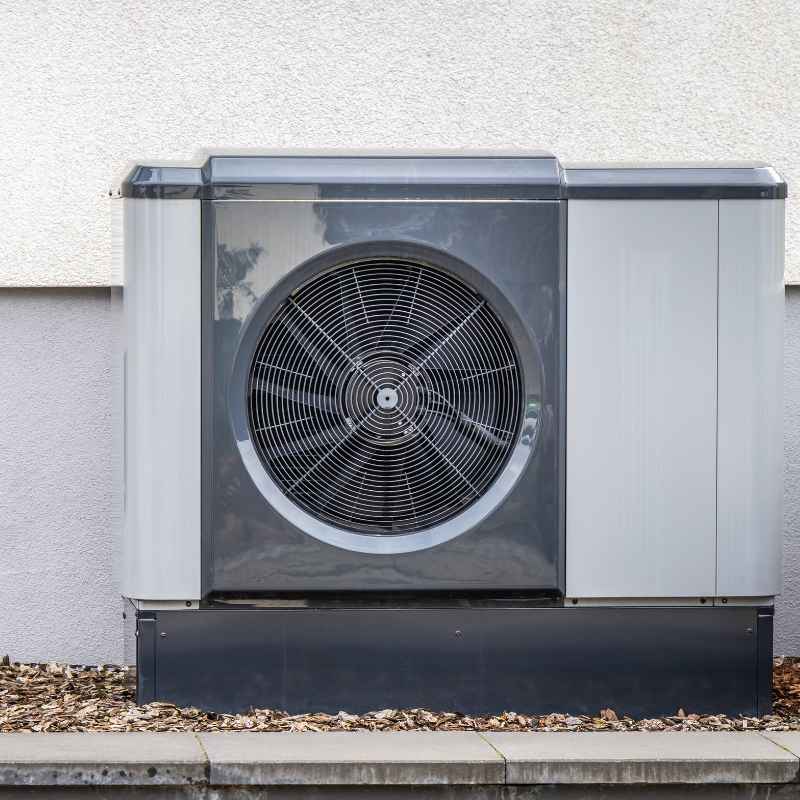
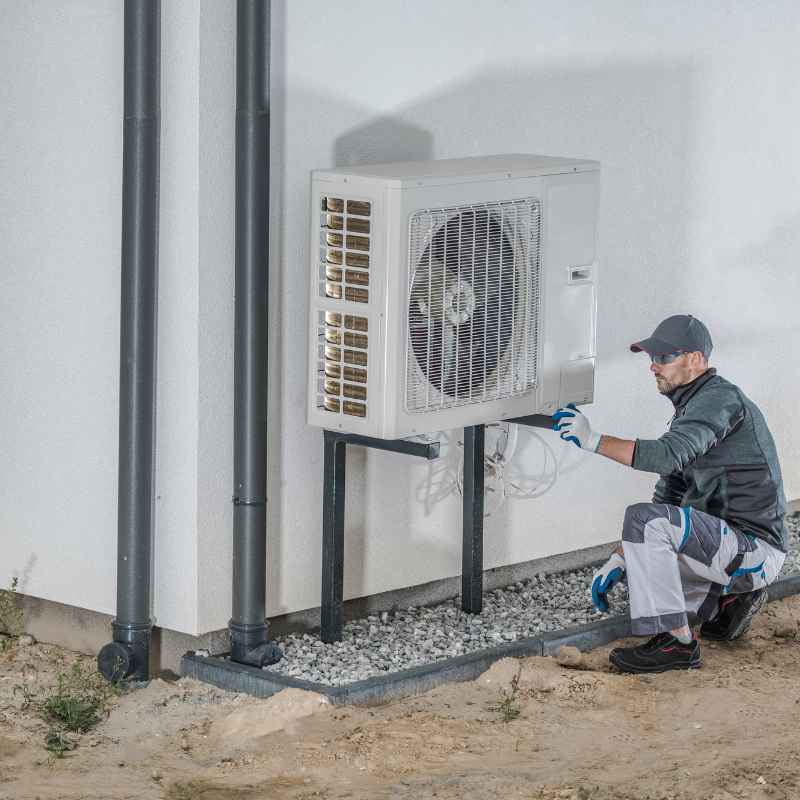
The outdoor unit of your HVAC system, often an air conditioner or a heat pump, provides strong visual cues about its current state. If the cooling system is actively running, you’ll likely see the fan on top of the unit spinning. You might also notice condensation or even frost forming on the refrigerant lines connected to the unit, especially on humid days.
This happens because the cooling coil is getting very cold to absorb heat from your home.
If you have a heat pump, the outdoor unit serves both heating and cooling functions. In cooling mode, it expels heat outdoors, and you might see frost or condensation. In heating mode, it absorbs heat from the outside air (even cold air contains some heat!) and transfers it indoors.
When a heat pump is in heating mode and the outside temperature is very cold and humid, frost can build up on the outdoor coil. The unit then periodically goes into a “defrost cycle” to melt this frost. You might hear a brief “whoosh” sound, and sometimes the unit will temporarily reverse its cycle, blowing cooler air for a few minutes to melt the ice before resuming heating.
The presence of ice or significant condensation on the outdoor unit’s refrigerant lines is a strong indicator that the cooling cycle is engaged. If the unit is completely quiet and dry with no fan activity, it’s likely idle or in standby mode.
| Observation | Likely System Active | Notes |
|---|---|---|
| Fan Spinning | Cooling or Heating (Heat Pump) | Indicates general operation. |
| Condensation on Lines | Cooling | Common during humid conditions when cooling. |
| Frost/Ice on Coil (in cold weather) | Heating (Heat Pump – Defrost Cycle) | Indicates the unit is working to melt ice. |
| No Activity / Dry | Idle / Off | System is not actively heating or cooling. |
Observing the outdoor unit can provide strong visual cues, especially for heat pumps and air conditioners, confirming whether cooling is in operation.
What About the Indoor Air Handler Unit?
The indoor unit, often called the air handler, is where the magic of distributing conditioned air happens. It houses the blower fan that pushes air through your ductwork. If your system is actively heating or cooling, you’ll feel air being pushed out of the vents.
The air handler unit itself also provides some clues.
For furnace systems, the air handler is integrated with the furnace. You’ll see the furnace unit, often a tall metal cabinet, with ductwork connected to it. If the heating is on, you might hear the furnace ignite and then the blower motor kick in.
For heat pumps and electric furnaces, the air handler might be a separate indoor cabinet, often containing the indoor coil for the heat pump or electric heating elements. You may see a dedicated indoor unit that is distinct from the furnace.
One key indicator related to the indoor unit is the presence of condensation on the refrigerant lines entering it (for AC/heat pump) or on the drain pan beneath it. This is a clear sign that the cooling system is actively removing moisture from the air, which is a byproduct of its cooling process. If you see water dripping from the condensate drain line, it almost certainly means the cooling system is engaged.
- Blower Fan Operation: Essential for circulating air in both heating and cooling.
- Furnace Ignition Sounds: Specific to gas or oil furnaces starting their heating cycle.
- Condensate Drain Line Activity: A steady drip of water indicates the cooling system is removing humidity.
- Indoor Coil Temperature: For AC/heat pump systems, the indoor coil will be cold when cooling.
- Visible Heating Elements: Electric furnaces or heat strips will visibly glow orange/red when active.
Important: If you hear unusual noises from your indoor unit, such as grinding or banging, it’s advisable to turn the system off and consult a qualified HVAC technician to prevent further damage.
Understanding HVAC System Differences: Furnaces vs. Heat Pumps
The type of HVAC system you have significantly influences how you can determine whether heating or cooling is dominant. A traditional split system often involves a furnace (usually fueled by natural gas, propane, or oil) for heating and a separate air conditioner (AC) unit for cooling. In this setup, the furnace and AC typically operate independently.
A heat pump, however, is a more versatile system that can provide both heating and cooling. It works like an air conditioner in reverse during the winter. While it’s efficient in moderate climates, its heating capacity can diminish in very cold temperatures, often requiring a supplemental heat source, such as electric resistance heat strips or a dual-fuel setup with a furnace.
Knowing whether you have a furnace/AC split system or a heat pump is foundational to interpreting the signs your system provides.
| System Type | Heating Method | Cooling Method | Key Indicators |
|---|---|---|---|
| Furnace/AC Split System | Furnace (gas, oil, propane) | Air Conditioner (outdoor unit) | Furnace sounds, AC outdoor unit hum, warm vent air (heat), cool vent air (cool). |
| Heat Pump (all-electric) | Outdoor unit absorbs heat from air | Outdoor unit expels heat to air | Outdoor unit fan, potential frost/defrost cycle, vent air temp, thermostat mode. |
| Dual Fuel System (Heat Pump + Furnace) | Heat pump (moderate temps), Furnace (cold temps) | Heat pump | Combination of heat pump and furnace indicators; thermostat logic is key. |
Understanding these system differences helps you interpret the specific sounds, visual cues, and air temperature changes characteristic of each type of operation.
When is the Fan Running Alone?
It’s important to distinguish between the fan circulating air and the actual heating or cooling process. Many modern thermostats have a “Fan” setting that allows the blower to run continuously or intermittently without activating the heating or cooling components. This is often done to improve air circulation, help even out temperatures throughout the house, or run an air purifier.
If you hear the fan running but the air coming from the vents is neither significantly warm nor cold – essentially room temperature – it’s likely that only the fan is active. This can sometimes be mistaken for a system that’s “trying” to heat or cool but failing. However, if your thermostat is set to “Heat” or “Cool” and you feel room-temperature air, it suggests a problem with the heating or cooling mechanism itself, rather than just the fan running independently.
To confirm if the fan is running alone, check your thermostat. If it’s set to “Heat” or “Cool,” and the air is room temperature, the system may be malfunctioning. If it’s set to “Fan Only” or a similar setting, then the fan is intentionally running without heating or cooling.
This is a normal operation for air circulation purposes.
Warning: If your thermostat is set to Heat or Cool, and you only feel room-temperature air, do not assume the system is functioning correctly. This could indicate a serious issue, like a tripped safety switch or a failed component, requiring professional diagnosis.
What to Do When You’re Unsure
If you’ve tried these methods and are still unsure whether heating or cooling is governing your space, or if you suspect a malfunction, the best course of action is to consult your HVAC system’s manual or contact a qualified HVAC technician. Your system’s manual can often provide specific details about its operation and how to interpret its status indicators.
A professional technician can perform a thorough diagnostic assessment of your entire HVAC system, including the thermostat, indoor unit, and outdoor unit. They can accurately identify which system is active, diagnose any problems, and provide solutions to ensure your comfort and system efficiency. Don’t hesitate to call for professional help if you’re experiencing discomfort, unusual noises, or unexplained high energy bills.
Here are steps to take if you are unsure:
- Check Thermostat Settings: Re-verify the mode (Heat, Cool, Auto, Off) and the set temperature.
- Feel Vent Air: Place your hand directly in front of a vent for 30 seconds.
- Listen for Sounds: Differentiate between furnace ignition/rumble and AC compressor hum.
- Inspect Outdoor Unit: Look for fan activity, condensation, or frost.
- Consult Manual: Refer to your specific HVAC system’s documentation.
- Call a Professional: If still uncertain or suspect an issue, schedule an inspection.
Frequently Asked Questions
What is the difference between heating and cooling?
Heating is the process of increasing the indoor air temperature to provide warmth, typically using a furnace or heat pump in its heating mode. Cooling is the process of decreasing the indoor air temperature to provide relief from heat, usually done by an air conditioner or a heat pump in its cooling mode.
How can I tell if my heat pump is heating or cooling?
You can tell if a heat pump is heating or cooling by checking the thermostat’s mode setting. Visually inspect the outdoor unit for condensation or frost (common in cooling or during defrost cycle in heating). Feel the air from the vents – it will be warm for heating and cool for cooling.
Listen for the distinct sounds of the compressor and fan, which are present in both modes but can sometimes have subtle differences.
Why is my thermostat set to cool, but the air is warm?
If your thermostat is set to cool but the air from the vents is warm, it indicates a problem. This could be due to a malfunctioning outdoor unit (like a failed compressor), a refrigerant leak, or a blockage in the system preventing it from dissipating heat effectively. It’s essential to have this checked by an HVAC professional.
Can a thermostat be in “Auto” mode and still not heat or cool?
Yes, if your thermostat is in “Auto” mode and the current indoor temperature is already within the desired range set on the thermostat, it will not activate heating or cooling. The “Auto” mode only engages the system when the temperature deviates from your set point by a certain margin.
What does it mean if the fan is running, but I feel no air from the vents?
If the fan is running but you feel no air from the vents, it suggests a significant airflow issue. This could be caused by completely blocked air filters, collapsed ductwork, a faulty blower motor, or issues with the fan itself. This requires immediate attention from an HVAC technician, as it can lead to system damage and poor indoor air quality.
Final Thoughts
Accurately identifying whether heating or cooling governs your space is fundamental to managing your home’s comfort and energy consumption. By carefully observing your thermostat’s settings, feeling the air from vents, listening to system sounds, and inspecting your outdoor unit, you can confidently determine your HVAC system’s current operation. This knowledge empowers you to troubleshoot effectively, ensure optimal performance, and maintain a comfortable indoor environment year-round.
Sponsored / affiliate links. As an Amazon Associate I earn from qualifying purchases. I may earn additional commission from eligible campaigns.