Best Window Insulation for Old Houses (2026): Research Shows
For drafty old windows, match the fix to the leak path: use rope caulk for sash gaps, weatherstripping for moving parts, and interior window film for glass-to-frame drafts. Miss the leak location and you waste money, trap moisture, or make the window harder to operate. This guide ties each insulation method to the draft source and to preservation goals, so you can choose the least invasive fix that works.
Quick comparison
| Product | Badge | Best for | Price | ||
|---|---|---|---|---|---|
 |
3M Indoor Window Insulation, Insulator Kit for 1 Window3M | Our pick | 1 window · film kit · indoor | $14.98
Price as of 28 Oct 2026
|
View |
 |
Duck Brand Max Strength Silicone Weatherstrip Seal forDuck | Also great | 17 ft · silicone seal · white | $13.23
Price as of 28 Oct 2026
|
View |
 |
Frost King R338H Self-Stick Rubber Foam Weatherseal, 3/8"W,Frost King | Budget pick | 3/8" x 3/16" · foam tape · black | $2.93
Price as of 28 Oct 2026
|
View |
The right fix changes with the leak path. A window can lose heat through the glass, through a loose sash, through failed glazing, or through cracked frame joints, and each one calls for a different material.
Use this section to narrow the problem before you buy anything. Old windows often need layered fixes, not one universal product.
📊 This Old House recommends smoothing glazing compound at a 45-degree angle. Source: Thisoldhouse.
How we chose
The ranking here follows four practical checks: where the air leak starts, how visible the fix will be, whether the window still opens and closes normally, and whether the treatment is reversible or permanent.
Preservation matters in old houses. So does maintenance. A good fix should solve the draft without locking a sash shut, hiding damage you need to repair, or forcing you into a replacement you do not need yet.
Best window insulation for drafty old houses

For a drafty old house, pick the material that matches the leak location. Weatherstripping is the first choice for moving parts. For heat loss through the glass, interior film or a layered curtain-and-shade setup works best. For loose panes or fixed gaps, caulk or glazing repair is the right path.
That split matters because old windows fail in different ways. A double-hung sash with worn rails is not the same problem as a cracked frame corner or a loose pane in putty.
Best overall choice for most old houses
For many drafty winter windows, a layered approach works best: weatherstripping at the sash and jambs, then window film or thermal curtains at the glass. That combination addresses both air movement and heat loss without treating every window as if it has the same defect.
Plastic over the window is often the strongest answer for many drafty winter windows, but only when the main loss is through the glass. If the frame leaks, film alone will underperform.
When a layered approach beats one product
Say your 36-inch-wide double-hung window feels cold at the top rail and you can also feel a faint draft at the frame corner. In that case, film may help the glass, but weatherstripping and a small amount of caulk may still be needed where the leak actually starts.
That is common in old houses. One window can need two repairs at once, and each repair solves a different part of the problem.
Window film: best for glass heat loss

Window insulation film works best when the problem is heat loss through the glass itself. It creates an airtight or shrink-wrap-style barrier on the interior frame, and shrink film seals off drafts while trapping a buffer of air.
It is temporary and removable. That makes it a strong renter-friendly option, especially when you want winter protection without changing the window permanently.
Interior film vs shrink-style plastic film
Interior window film and shrink-style plastic film do the same broad job: they add an interior barrier against cold surface loss and drafts near the glass. The key difference is in installation and appearance. Both use tape on the interior frame, and the shrink version is tightened with a hair dryer.
For old windows, the better choice is usually the one that suits the frame condition. If the paint is fragile or the trim is uneven, tape adhesion may be the limiting factor, not the film itself.
How to apply it to an interior frame
- Clean the interior frame so the tape sticks.
- Apply double-sided tape to the trim, not to moving sash parts.
- Attach the film and keep it even around the frame.
- Use a hair dryer to shrink the film tight.
- Trim excess material only after the film is taut.
The goal is a tight interior barrier, not a seal across every crack in the window. If the sash or frame is the main leak source, film will not solve that by itself.
When film is the wrong fix
Film is the wrong fix when the draft comes from a loose sash, a worn parting bead, or a warped frame that will keep leaking around the perimeter. It also does little for a loose pane that needs reglazing.
That is why film should not be treated as a cure-all. It works best for reducing heat loss through glass, not for correcting a defective window assembly.
Weatherstripping: best for moving parts
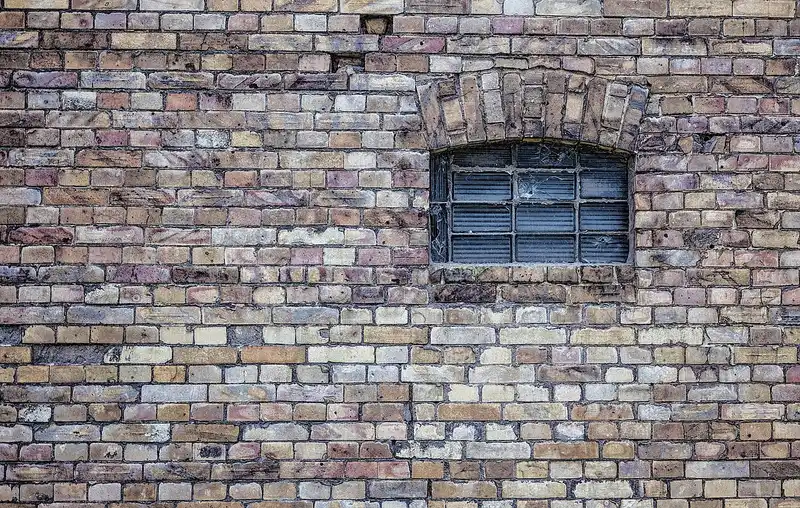
Weatherstripping belongs on moving parts: jambs, sashes, meeting rails, and stops. On a double-hung window, it often does the most work because the top and bottom rails are common leak points, and the locks pull the sashes together only as well as the seal allows.
For air leaks at moving parts, weatherstripping is usually the first repair. This Old House says draft fixes can keep windows operational in winter.
Best uses on double-hung windows
Double-hung windows often leak at the meeting rail and along the top edge of the sash. Weatherstripping at those contact points can reduce drafts without changing the basic operation of the window.
Q-lon weatherstripping is recommended for double-hung windows. A plastic V-strip can be press-fitted into a two-millimeter-wide groove, which gives you another option when the sash has a narrow channel for it.
Q-lon, foam tape, vinyl strip, and rubber gaskets
Q-lon, foam tape, vinyl strip, and rubber gaskets all serve the same general purpose, but they behave differently. Foam tape is easy to install. Silicone and rubber options tend to hold up better in spots that get frequent movement or compression. Vinyl strip can work well where the channel size matches it.
The right material depends on the gap size and how often the sash moves. If a seal compresses too hard, the window gets stiff. If it is too light, the draft remains.
Where weatherstripping fails
Weatherstripping fails when the window is too warped for the sash to meet evenly, or when the parting bead and stops are damaged enough that the seal cannot stay compressed. It also needs annual inspection and replacement.
That maintenance burden matters. A weatherstrip that looks fine in fall can be loose, flattened, or torn by the next heating season.
Caulk and glazing compound: best for fixed gaps
Caulk is for fixed cracks and gaps around the frame, not for moving parts. It does not solve defective glass by itself, and it should not be forced into joints that need to open and close.
Glazing compound is different. It is the repair for loose panes in older wood windows, where the pane-to-frame seal has failed and the glass needs to be reset in place.
Loose panes in old wood windows
Loose windowpanes should be reglazed after removing old glazing. That is the right repair when the pane rattles, the putty has cracked away, or the glass no longer sits firmly in the rabbet.
After the new glazing is applied, it needs cure time before painting. This Old House recommends smoothing glazing compound at a 45-degree angle.
Frame cracks versus sash movement
Use caulk on cracks and stationary gaps around the frame, especially where trim meets casing or where wood has opened up at a fixed joint. Do not use it on a moving sash or at a joint that must slide.
If the leak moves when you open the window, caulk is usually the wrong material. If the leak stays put, caulk may be the correct low-cost fix.
When glazing repair beats insulation film
If a pane is loose, film will only cover the symptom. It will not restore the seal between the glass and the wood. Reglazing repairs the failure at the source.
That is the difference between a temporary winter cover and a real repair. Use film for surface heat loss. Use glazing compound when the glass itself has lost its bond to the sash.
Thermal curtains and cellular shades: best add-ons
Thermal curtains and cellular shades work best as add-ons. They help reduce heat loss through the window surface, but they rarely solve a major draft on their own if the sash or frame is leaking air.
Thermal curtains and cellular shades can reduce heat loss by 40%. That makes them useful, but they are still secondary to fixing the leak source. (Thisoldhouse)
How much they add beyond the window surface
Thermal curtains act like a blanket over the glass. Cellular shades use a honeycomb structure that traps air, which helps slow heat flow through the window area.
Used together, they can be a solid winter layer. Used alone, they may leave a noticeable draft at the edges if the window is leaking air from the moving parts or the frame.
When to pair them with film or weatherstripping
Pair curtains or cellular shades with film when the glass is cold but the sash seals reasonably well. Pair them with weatherstripping when the draft comes from the rail or jamb and you want a second barrier at night.
That layered approach often makes the biggest comfort difference without touching the window structure itself.
Which one should you buy?
Choose by budget, leak location, and how much change you can tolerate. For a renter or a seasonal fix, interior film is the easiest reversible option. For a double-hung window with air movement at the sash, weatherstripping is usually the better first buy.
If the pane is loose, buy glazing compound instead of more film. If the frame is cracked but fixed in place, caulk belongs there before you spend on add-ons.
Best by budget
For the lowest upfront cost, start with foam weatherstripping or a small caulk tube if the gap is fixed. If the problem is clearly at the glass, a film kit is usually the better spend than layering on multiple low-impact fixes.
Best by leak location
Glass leak: interior film. Sash leak: weatherstripping. Loose pane: glazing compound. Fixed frame gap: caulk. That simple mapping avoids the most common waste, which is buying the wrong material for the wrong failure mode.
Best by preservation goal
If you want to preserve the window and keep it operable, favor reversible fixes first. Film, removable weatherstripping, and curtains are the least invasive. Reglazing is the better choice when the old wood sash itself needs repair, because it restores function instead of masking the problem.
Best seasonal fix for renters
For renters, interior window film is the most effective renter-friendly option. It is removable, works well for winter, and does not require permanent changes to the frame. Thermal curtains are a good second layer if you want more night-time insulation.
Window insulation decision table
| Leak location | Best material | Permanence | Visibility | Operability impact | When it fails |
|---|---|---|---|---|---|
| Single-pane glass | Interior window film | Temporary | Low to moderate | Usually none if applied to the trim only | Fails when the main leak is at the sash or frame, not the glass |
| Loose glazing | Glazing compound after removing old glazing | Permanent repair | Moderate | None once cured and painted | Fails if the sash wood is rotten or the pane-to-frame joint is too damaged to hold |
| Sash gaps | Weatherstripping at jambs, sashes, meeting rails, and stops | Moderate; inspect yearly | Low | Can make the sash harder to open if oversize or over-compressed | Fails when rails are warped, beads are worn, or the gap is too uneven |
| Warped frames | Caulk for fixed cracks; repair or rebuild if the frame is failing | Caulk is moderate; structural repair is permanent | Low | None for fixed joints; no cure for moving distortion | Fails when the frame moves, twists, or no longer holds the sash square |
| Seasonal renter-style fixes | Interior film plus thermal curtains | Temporary and removable | Low to moderate | Usually none, though curtains affect access to the sill | Fails when the draft is coming from moving parts or the frame edge instead of the glass |
Frequently asked questions
What is the best window insulation for drafty old houses?
The best insulation changes with the leak source, but most old houses do best with weatherstripping on moving parts and interior film on the glass. If the pane is loose, reglazing matters more than more surface insulation. One product rarely solves every part of an old window.
How do I insulate a drafty window without replacing it?
Start by finding the leak with tissue, smoke, or a candle, then use the matching fix. Film helps glass loss, weatherstripping helps moving parts, and caulk helps fixed gaps. If the pane is loose, reglazing is the repair. Layer fixes only where the window needs them.
Is window film better than plastic shrink film for old windows?
Both are versions of interior film for winter. The main issue is not the label but the fit, the seal to the interior frame, and whether the leak is actually at the glass. Film is temporary and removable, and it works best where glass heat loss is the main issue.
Should I use weatherstripping, caulk, or window film first?
Use the one that matches the leak. Weatherstripping comes first for moving joints, caulk for fixed cracks and frame gaps, and film for glass-related heat loss. If the window has more than one failure mode, combine them in that order so you do not block movement or miss the real draft source.
How do I tell whether the draft is at the glass, sash, or frame?
Use a 1-ply tissue to see where it waves near the window, or use a lit candle or smoke plume to spot air movement. An infrared thermometer or probe thermometer can help confirm cold spots. Start with the symptom location, then choose the fix that matches that part of the window.
When should I repair an old window instead of insulating it?
Repair the window when the pane-to-frame seal is failing, the pane is loose, or the frame is distorted enough that weatherstripping cannot work evenly. Insulation is for heat loss and mild air leaks. Structural failure needs repair first, or every added layer will remain partly ineffective.
Sponsored / affiliate links. As an Amazon Associate I earn from qualifying purchases. I may earn additional commission from eligible campaigns.