
Why Is There Frost on the Roof Boards in My Attic?
Frost on attic roof boards usually means indoor air is leaking into a cold roof deck and freezing there. If it appears only near eaves or after a thaw, look first for an ice dam or a leak instead. Ignoring it can rot sheathing, stain ceilings, and trigger mold. This guide shows how to use location, timing, and moisture clues to tell a condensation problem from a roof leak or ice-dam leak before you fix anything.
What attic frost means


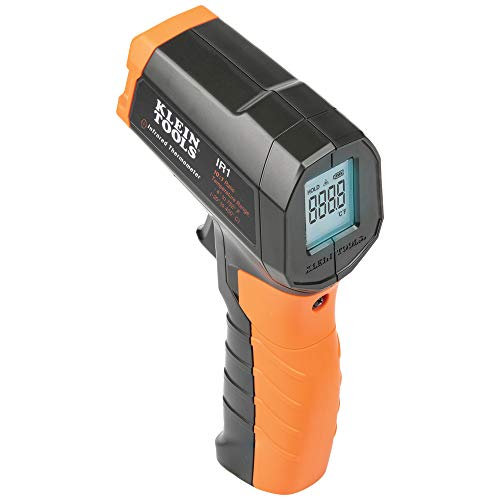
Attic frost means water vapor has turned into ice on cold attic surfaces, usually the underside of the roof deck or the tips of roofing nails. That happens when the attic has moisture in the air and the wood or metal is cold enough for condensation to freeze instead of stay liquid. Roof sheathing, roof deck nail tips, and ridge-area framing are common places to see it first.
How frost forms on roof sheathing and nail tips
Condensation needs water vapor in the air and a surface cold enough for that vapor to leave the air. In winter, the roof deck and framing get cold, and moisture in attic air can freeze on contact. Nail tips are often the first visible clue because the metal is colder than the surrounding wood and the nail tips sit exposed to attic air.
Frost on the underside of the roof deck is often a sign of moisture in the attic, not a problem with the shingles alone. That distinction matters because the repair may be inside the house envelope, not on the roof surface.
Why thaw cycles can create drips and stains
Frost can melt and become the water that later drips from the ceiling. That is why a warm day after a cold stretch can produce drips even when there was no active rain. The meltwater may run along roof boards, land on insulation, or fall from nail tips in rows aligned with rafters.
Suppose a bedroom ceiling stain appears on a sunny afternoon after several hard freeze nights. If the attic frost is melting, the drip pattern may point to condensation rather than a storm leak. The timing is a clue, not proof, so location and surface condition still matter.
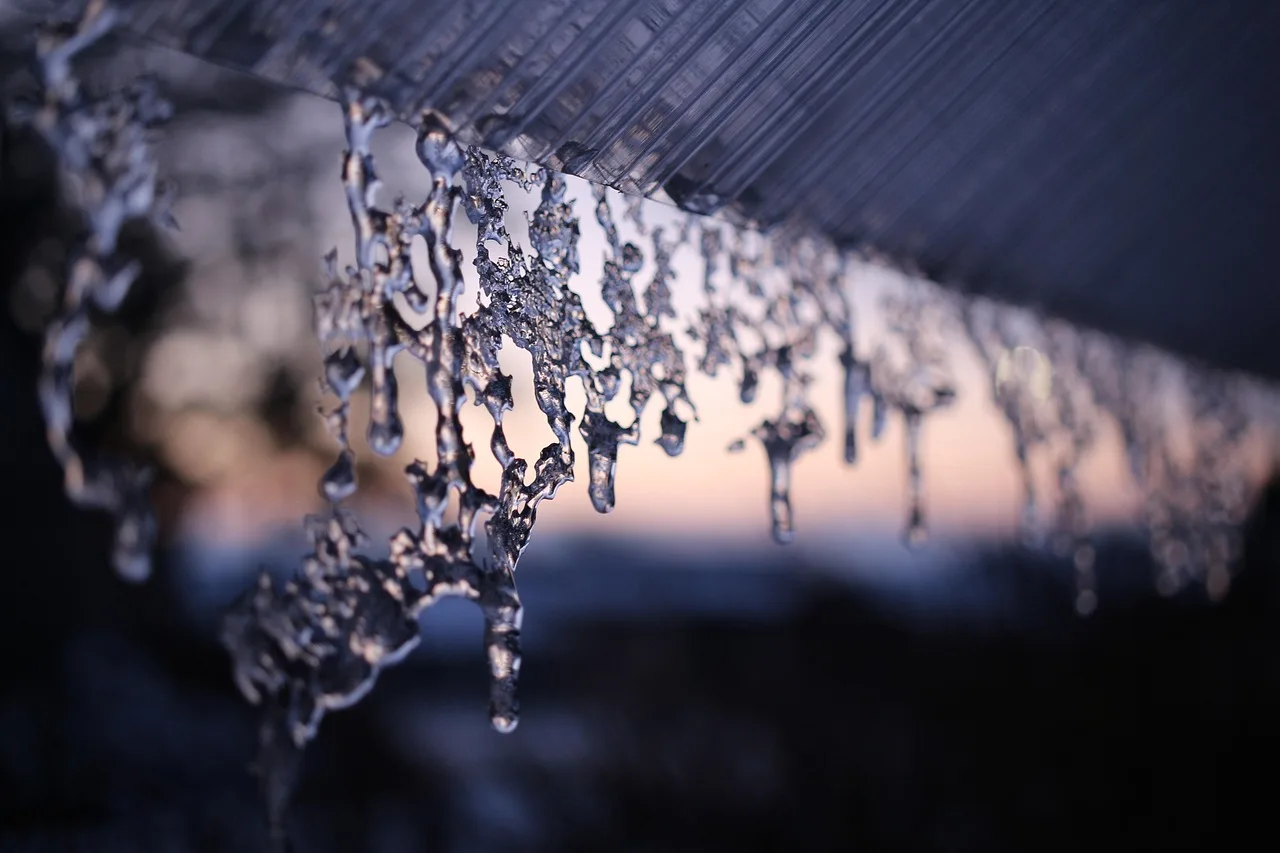
Frost usually spreads across cold attic surfaces or nail tips, while a roof leak often leaves a more localized wet trail that starts at a shingle opening, flashing joint, or damaged area. The best clue is where the moisture starts, when it appears, and whether it follows thawing after cold weather or rain during a storm.
Location clues: ridge, field, eaves, and penetrations
Frost on the roof deck, especially on nail tips in the attic, often points toward indoor air leakage and condensation. Frost near the ridge can still be a condensation problem if warm air is reaching the highest, coldest surfaces. Frost or wetness concentrated at eaves may point to ice damming or a leak path at the edge.
Moisture around vent pipes, ducts, or light fixtures suggests an attic bypass or a failed seal at a penetration. Stained sheathing around a single opening is more suspicious for a roof or flashing leak than for a whole-attic condensation issue.
Timing clues: cold snaps, thaw days, and storm events
A thaw-day drip after a cold stretch is one of the clearest clues that frost is melting in the attic. If the water shows up after several freezing nights and a daytime warmup, condensation is likely part of the problem. If the drip starts during rain or only during storms, look harder at the roof covering, flashing, and penetrations.
Ice dams can blur the picture because they often involve both heat loss into the attic and a leak at the eaves during thaw cycles. That is why a roof-edge drip after a freeze does not automatically mean a bad shingle field.
What stained sheathing and wet insulation usually suggest
Widespread stained sheathing, damp insulation, and frost on multiple roof boards usually point to repeated attic moisture, not a single roof defect. Wet insulation loses performance, so the attic gets warmer in some spots and colder in others, which can keep the cycle going. Repeated thawing can also damage sheathing and ceilings.
Localized staining at a vent, valley, pipe boot, or flashing detail still deserves a roof inspection. The shape of the stain matters as much as the stain itself.
Why is there frost on the roof boards in my attic?
Indoor air moving into the attic is the main reason. It leaks through air gaps, carries humidity from showers, cooking, breathing, and laundry, and then freezes on cold attic surfaces. Bathroom fans, kitchen exhaust, dryer ducts, humidifiers, and heat loss through a weak attic air barrier all increase the chance of frost.
Warm moist indoor air leaking into the attic
Indoor air leaking into the attic raises the dew point temperature of attic air. That makes it easier for water vapor to leave the air and freeze on the roof deck or nail tips. The usual path is not a giant hole; it is many small openings in the ceiling plane.
Air sealing is the main fix for moisture moving into the attic. It targets penetrations, hatches, recessed lights, and duct chases, and it often needs to happen before or alongside insulation work.
Bathroom fans, kitchen vents, dryer vents, and humidifiers
Bathroom fans and other exhausts should vent outdoors, not into the attic. If a fan dumps moist air into the attic, it can make frost worse very quickly. Humidifiers can add even more moisture to already cold attic air, especially when indoor humidity stays high through a long freeze.
A common first-timer mistake is assuming the attic is only a temperature problem. A 70-square-foot bathroom with a fan venting into the attic can push a lot of moisture into cold roof framing, then leave frost on the nails and sheathing a few days later.
Heat loss, ice dams, and cold roof surfaces
Heat loss from the house can warm the roof deck unevenly and contribute to ice dams at the eaves. Those same heat-loss paths often share causes with attic frost, including missing air sealing and thin or uneven insulation. The roof deck still needs to stay cold in winter, but it should stay cold because the attic is dry, not because the house is leaking warm air into it.
Insulation level matters when it is adequate and evenly installed. A minimum target of R-50 is often recommended where space allows, and wet insulation performs worse than dry insulation.
Attic frost triage checklist
Use this checklist before you decide whether the problem is condensation, a roof leak, or ice damming. Document what you see, where you see it, and when it changes. Photos taken before the frost melts can save a second attic visit later.
| Observation | Likely cause | Next step |
|---|---|---|
| Thaw-day drip after a hard freeze | Melting attic frost or ice dam leak | Check the roof edge, note the weather, and inspect for frost on the deck before it melts |
| Frost on nail tips | Cold metal condensation point from indoor air leakage | Trace nearby ceiling penetrations, hatches, and light fixtures for air leaks |
| Frost near eaves | Ice dam influence or cold-air movement at the roof edge | Inspect soffits, insulation coverage, and any signs of backing water at the edge |
| Wet insulation | Repeated frost melt or roof leak | Lift a small section, check for staining below, and dry or replace damaged material promptly |
| Bath fan discharge | Moist exhaust dumped into the attic | Verify the duct exits outdoors and is sealed at the housing and joints |
| Humidifier use | Indoor humidity too high for winter attic conditions | Lower output and check indoor humidity settings before the next cold snap |
| Stained sheathing | Repeated moisture exposure from condensation, leak, or ice damming | Map the stain shape, photograph it, and inspect above the stain for the source |
Top attic bypasses
Start with the openings that are both common and easy to miss. The most likely bypasses are often in the ceiling plane rather than the roof covering.
| Bypass | Likelihood | Repair difficulty |
|---|---|---|
| Recessed lights | High | Moderate |
| Attic hatch | High | Low |
| Pull-down stairs | High | Moderate |
| Plumbing stacks | High | Low |
| Wire penetrations | Medium | Low |
| Duct chases | High | Moderate |
| Bath fan housings | High | Moderate |
| Misdirected exhaust ducts | High | Moderate |
| Top plate gaps | High | Low |
| Open soffit-to-attic air leaks | Medium | Moderate |
What to fix first
Start with air sealing, then check insulation, then confirm ventilation. That order matters because ventilation cannot substitute for a leaky attic floor, and insulation cannot stop moist indoor air from entering the attic if the bypasses stay open.
Air sealing priority order
-
Seal the biggest bypasses.
Close the attic hatch, pull-down stairs, and any obvious gaps at duct chases or plumbing stacks first. These openings move the most air and are often the fastest way to lower attic moisture.
-
Seal electrical and lighting penetrations.
Air-sealing recessed can lights is a frost-prevention step, along with sealing wire holes and fixture openings. Use caulk or expanding spray foam where appropriate, and keep fixture clearances and fire ratings in mind.
-
Seal the top plate line.
Seal the gap between the top plate and ceiling drywall. The Minnesota Department of Commerce recommends sealing leaks with caulk or expanding spray foam, and this line is one of the most common leakage paths in the attic floor.
-
Verify exhaust terminations.
Make sure bathroom, kitchen, and dryer exhausts leave the house outdoors. If a duct ends in the attic, fix that before chasing surface frost elsewhere.
When insulation work belongs with air sealing
Insulation helps most after the air leaks are controlled. Evenly installed insulation reduces heat loss and helps keep the roof deck cold in winter, which lowers the chance that warm indoor air will condense and freeze there. If insulation is compressed, missing, or wet, its performance drops and the frost problem can persist.
Where attic ventilation helps and where it does not
Attic ventilation helps remove trapped moisture when soffit intake and ridge or peak exhaust are working together. It does not replace air sealing. If the attic is full of warm, moist house air from leaks, more ventilation can move that moisture around without solving the source.
Picture a small attic with clear soffit vents and a ridge vent, but also several unsealed can lights and a bath fan that vents into the space. The ventilation may dry some areas while the fan keeps feeding moisture into the attic. The roof deck can still frost.
When frost points to ice dams
Ice dams and attic frost often share the same root causes: heat loss into the attic, uneven insulation, and air leakage from the house. If the moisture appears first at the eaves and the leak shows up during thaw, an ice dam or edge leak becomes more likely. The roof edge, soffits, and lower roof deck deserve special attention in that case.
Both problems tend to show up when indoor heat escapes upward, warms the roof assembly, and creates a pattern of melt and refreeze. The attic may show frost on the deck while the eaves show dripping or staining from backed-up meltwater. Fixing one without the other can leave the moisture path in place.
What to inspect before calling a roofer
-
Photograph the frost pattern.
Take wide shots and close-ups of nail tips, sheathing, ridge areas, and eaves before anything melts. Photos help show whether the pattern is widespread or limited to one edge or penetration.
-
Check the weather timing.
Write down whether the issue appeared after a freeze, during a storm, or on a thaw day. That timing helps separate condensation from active rain leakage.
-
Inspect insulation coverage.
Look for bare spots, compression, or wet insulation. Note whether the insulation is even at the eaves and whether it has settled away from the top plate line.
-
Confirm exhaust routing.
Trace bathroom, kitchen, and dryer ducts to their termination point. If any of them end in the attic, mark them for immediate correction.
-
Record ceiling stains.
Map where staining appears inside the house and whether it lines up with a vent, pipe, or roof edge. That pattern helps narrow the source before a roof repair begins.
Frequently asked questions
What is attic frost?
Attic frost is frozen moisture on cold attic surfaces, usually the underside of roof sheathing or the tips of roofing nails. It forms when water vapor in attic air reaches a surface cold enough for condensation and then freezing. It is often a sign of indoor air leakage into the attic.
How do I know if attic frost is a roof leak or condensation?
Look at where the moisture begins and when it appears. Frost across the roof deck and on nail tips points toward condensation, while a single wet path, flashing stain, or rain-linked leak points toward a roof defect. Thaw-day dripping after cold weather often means melting frost or ice damming.
Can attic frost cause water dripping on a warm day?
Yes. Frost can melt on a warm day and become the water that later drips from the ceiling. If the drip follows a cold stretch and then a thaw, the attic frost itself may be the source. That timing can look like a roof leak unless you check the attic first.
What should I check first if I see frost in my attic?
Check the frost location, the weather timing, and the likely air leaks. Start with the attic hatch, recessed lights, plumbing stacks, duct chases, and bath fan ducts. Then look at insulation coverage, especially near the eaves, and confirm that exhaust fans vent outdoors.
Does sealing attic air leaks stop frost in the attic?
Often, yes. Air sealing is the main fix because it reduces the moist indoor air reaching the cold roof deck. Seal penetrations, hatches, recessed lights, and top plate gaps first, then confirm the insulation is even and dry. Ventilation can help, but it does not replace air sealing.
Can poor attic ventilation make attic frost worse?
Yes, but usually as part of a larger problem. Ventilation with soffit intake and ridge or peak exhaust can remove moisture, yet it cannot stop warm, moist indoor air from entering the attic. If the air barrier is leaky, added ventilation may not solve the frost and may move air in unhelpful ways.
Sponsored / affiliate links. As an Amazon Associate I earn from qualifying purchases. I may earn additional commission from eligible campaigns.