Why Is There Frost on the Inside of My Windows?
Frost forms on the inside of windows when indoor air has enough moisture and the pane gets cold enough for that moisture to freeze, so the fix is usually to cut indoor moisture, keep the glass warmer, or both. If you ignore it, you can get recurring moisture, stained trim, peeling paint, mold, and hidden damage around the frame. This guide explains the cause, then walks room by room through the checks and fixes that tell you what to change first.
This guide is part of our Winter Weatherproofing: How to Draft-Proof Your Home series.
How frost forms on interior windows
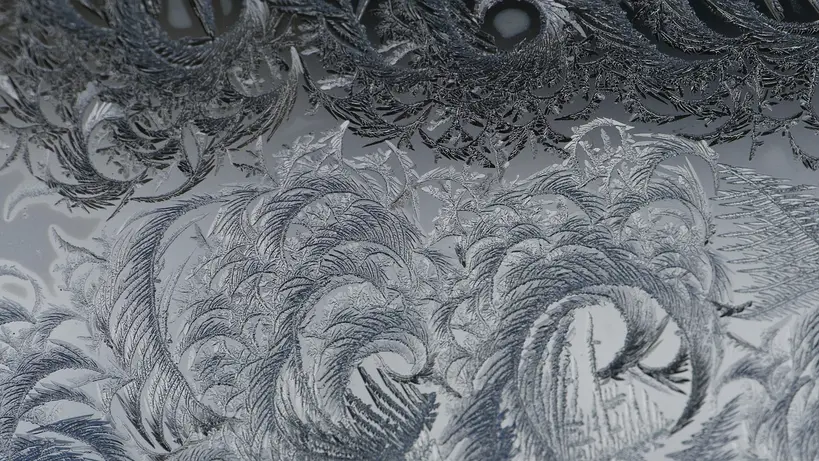


Interior frost starts as water vapor in the air. When that vapor reaches a cold enough glass surface, it condenses into liquid water. If the pane is cold enough, that condensation freezes instead of staying wet. That is why frost is usually the same moisture problem as condensation, just farther along.
Winter makes the problem worse because indoor air is warmer than the outdoors while window glass can cool sharply overnight. Single-pane glass loses heat fast. Better-insulated assemblies hold the interior surface warmer, so they are less likely to drop below the dew point and turn moisture into frost.
Condensation or frost: what the glass is telling you
Clear beads of water usually mean the glass is cold and indoor humidity is high, but not yet cold enough to freeze. White frost or ice means the same moisture has kept building after the surface temperature dropped further. Heavy buildup is the stronger warning sign.
Seasonal condensation can happen on cold mornings, especially in older homes or during a cold snap. Repeated frost on the same windows, or frost that returns after you wipe it away, points to a humidity source, poor ventilation, drafty frames, or all three.
How cold glass turns condensation into frost
Glass temperature is the key variable. If the interior surface drops below the air’s dew point, moisture leaves the air and lands on the pane. If the glass then falls below freezing, that water becomes ice. Nighttime is often when the surface temperature drops far enough for frost to appear first.
That is why a bedroom window can frost while a living room window stays only damp. The room with more trapped moisture, less airflow, or a colder pane reaches the problem point first.
There frost troubleshooting matrix
This table helps you match the symptom to the likely source before you decide whether ventilation, dehumidification, air sealing, or a window upgrade makes the most sense.
| Room type | Likely moisture source | Visible symptom | Probable cause | Fastest fix | When to suspect a window or air-sealing upgrade |
|---|---|---|---|---|---|
| Bedroom | Sleeping breath, closed door, damp air trapped overnight | Frost on one window after a cold night | Humidity builds while the glass cools below dew point | Crack the door, keep heat reaching the window, lower indoor humidity | Frost keeps returning on the same older single-pane window |
| Bathroom | Showers, bathing, wet towels | Water beads or frost soon after use | Steam spikes indoor humidity faster than ventilation clears it | Run the exhaust fan during showers and keep it running after the room dries | Fan runs but moisture still lingers in the room |
| Kitchen | Cooking, boiling water, dishwasher steam | Condensation on nearby glass after meal prep | Steam and splatter raise local humidity near cold windows | Use the range hood and open an exhaust path | Condensation persists even with active kitchen exhaust |
| Basement or utility room | Damp foundation air, laundry drying, utility moisture | Fogging, frost, or damp trim near the sill | Cooler surfaces and chronically high humidity | Use a dehumidifier and check for air leaks | Humidity stays high despite dehumidification and sealing |
Why is there frost on the inside of my bedroom window?
Bedroom frost usually comes from humidity that builds while the room is closed up overnight. Your breath adds moisture, the door may stay shut, and the window surface cools for hours. If the glass gets cold enough, that moisture condenses and freezes before morning.
Start with the window nearest the bed. Curtains that stay closed tight against the glass can trap cold air and keep the pane colder. Furniture pushed hard against the window can block warm room air from reaching the glass, which makes frost more likely.
Say your sunroom has heavy curtains, the vents are blocked, and a cold snap drives the indoor glass temperature below the dew point. If the same corner of the window frosts first, the likely issue is not a leak. It is usually trapped moisture plus a cold surface.
What to check first in a bedroom
- Look for repeated frost on the same pane or corner.
- Check whether curtains or blinds sit tight against the glass.
- Move furniture away from the window a few inches so air can reach it.
- Measure indoor humidity with a hygrometer.
- Check whether the problem appears mainly after cold nights.
How do I stop frost on the inside of my windows?

The fastest fix is to cut indoor moisture and keep the glass warmer. That usually means using bathroom and kitchen exhaust correctly, running a dehumidifier in damp rooms, and reducing the cold air leaks that chill the window frame. Treat frost as a moisture-management problem first.
A portable dehumidifier is often the quickest fix in a chronically damp bedroom, basement, or utility room. Match the unit size and moisture removal capacity to the room, then let it run long enough to pull the humidity down before frost forms overnight.
Use bathroom and kitchen exhaust the right way
Bathroom fans should run during showers and keep running until mirrors clear and the tile is dry. Kitchen exhaust should run while cooking that makes steam, then stay on long enough to clear the moisture plume. Short fan bursts often leave humidity behind.
Ventilation works best when it removes moist air instead of simply stirring it around. If the fan is weak, noisy, or disconnected, it may not be moving enough air to matter.
Open airflow paths and reduce trapped moisture
Keep air moving toward the cold window surface. Open interior doors when possible, leave a gap around curtains, and avoid sealing warm air away from the pane. Houseplants, laundry drying indoors, and humidifiers all add water vapor to the air and can push a borderline room into frost.
Humidity targets matter. A hygrometer gives you a checkable number instead of guessing. If frost appears after showers, cooking, or overnight sleeping, that is a clue that the room is getting moisture faster than it can be removed.
When to check weatherstripping and windows

Drafts around sashes and frames can make the inside surface colder, even when indoor humidity is only moderate. Weatherstripping and air sealing help cut those cold-air leaks and can keep the glass warmer. That does not remove moisture, but it can move the glass back above the frost point.
Check for gaps around moving sashes, trim, and frame joints. If you feel cold air near the window or see frost lining the edges first, the problem may be partly airflow around the assembly, not just room humidity.
How air sealing can help keep glass warmer
Air leaks bring in cold outdoor air and pull heat away from the glass and frame. Sealing around sash edges, frame joints, and trim can cut that heat loss. In many homes, that change is enough to turn frost into light condensation or eliminate it on milder nights.
Older single-pane windows are often more prone to frost because they lose heat quickly. Better-insulated windows hold the interior surface warmer, which reduces the chance that moisture condenses and freezes.
When should you consider better windows?
Consider a window upgrade when frost keeps returning after you have already lowered humidity, improved ventilation, and sealed obvious drafts. Double-pane units, Low-E coatings, and gas fill all help slow heat loss from the interior glass, so the surface stays warmer and less likely to fall below the dew point.
That does not mean every frosty window needs replacement. But if the same old window still frosts while other rooms stay clear, the glass itself may be the weak point. In that case, replacement is a long-term fix, not the first fix.
Signs a replacement is worth considering
Look for recurring frost on older single-pane windows, condensation that returns even after humidity control, failed seals between panes on insulated glass, and frames that stay cold despite air sealing. Those are signs that the assembly is losing too much heat to stay above the frost point.
A common first-timer mistake is to blame every icy pane on bad habits in the house. Sometimes the house is humid. Sometimes the window is simply too cold for the room it is in.
What causes frost buildup on window glass overnight?
Overnight frost usually happens because the window cools for hours while indoor humidity stays steady. Bedrooms are a common example because doors stay closed and people add moisture to the air while sleeping. If the pane drops below the dew point long enough, condensation forms, then freezes before sunrise.
Suppose a basement window stays clear all day but frosts after midnight. That pattern points to nighttime cooling, not a daytime leak. The fix may be as simple as lowering humidity and reducing the cold air leaking around the frame.
Should there be ice on the inside of my windows?
No. Light condensation can be normal during a cold snap, but ice on the inside of windows means the glass is cold enough to freeze indoor moisture. That is a sign that humidity, ventilation, or insulation is out of balance enough to push the pane below freezing.
If the frost is thin and occasional, the problem may be manageable with ventilation or dehumidification. If it is thick, repeats often, or stains trim and paint, treat it as a warning that the room or window needs more than a wipe-down.
Frequently asked questions
Why is there frost on the inside of my windows?
Frost forms when indoor water vapor condenses on a glass surface that has fallen below the dew point, then freezes because the pane is cold enough. The usual fix is to lower indoor humidity, improve ventilation, or keep the glass warmer with air sealing or better windows.
Why is there ice forming on the inside of my windows?
Ice means the same moisture problem has gone one step farther than condensation. The air near the window is humid, the glass is very cold, and the surface temperature has dropped below freezing. That usually happens overnight in winter, especially on older windows or in rooms with poor airflow.
When is frost on windows a sign of a bigger moisture problem?
Frost becomes a bigger issue when it repeats in several rooms, leaves water behind after melting, stains trim, peels paint, or appears even when humidity is being managed. That pattern can point to chronic excess moisture, a failed seal, persistent drafts, or a window that is too cold to stay above the dew point.
Sponsored / affiliate links. As an Amazon Associate I earn from qualifying purchases. I may earn additional commission from eligible campaigns.