Does Bubble Wrap on Windows Insulate?
Bubble wrap can trim heat loss a little on drafty, single-pane, or poorly sealed windows, but it is a short-term fix, not real insulation. DOE/Energy Saver guidance still puts air sealing, storm windows, and better glazing ahead of makeshift coverings, and ASHRAE-style glazing basics point to glass type, frame leakage, and interior surface temperature as the main drivers of comfort. Put bubble wrap on the wrong window or skip gap sealing, and you still lose comfort and money through drafts.
This guide is part of our Winter Weatherproofing: How to Draft-Proof Your Home series.
What bubble wrap can and cannot do
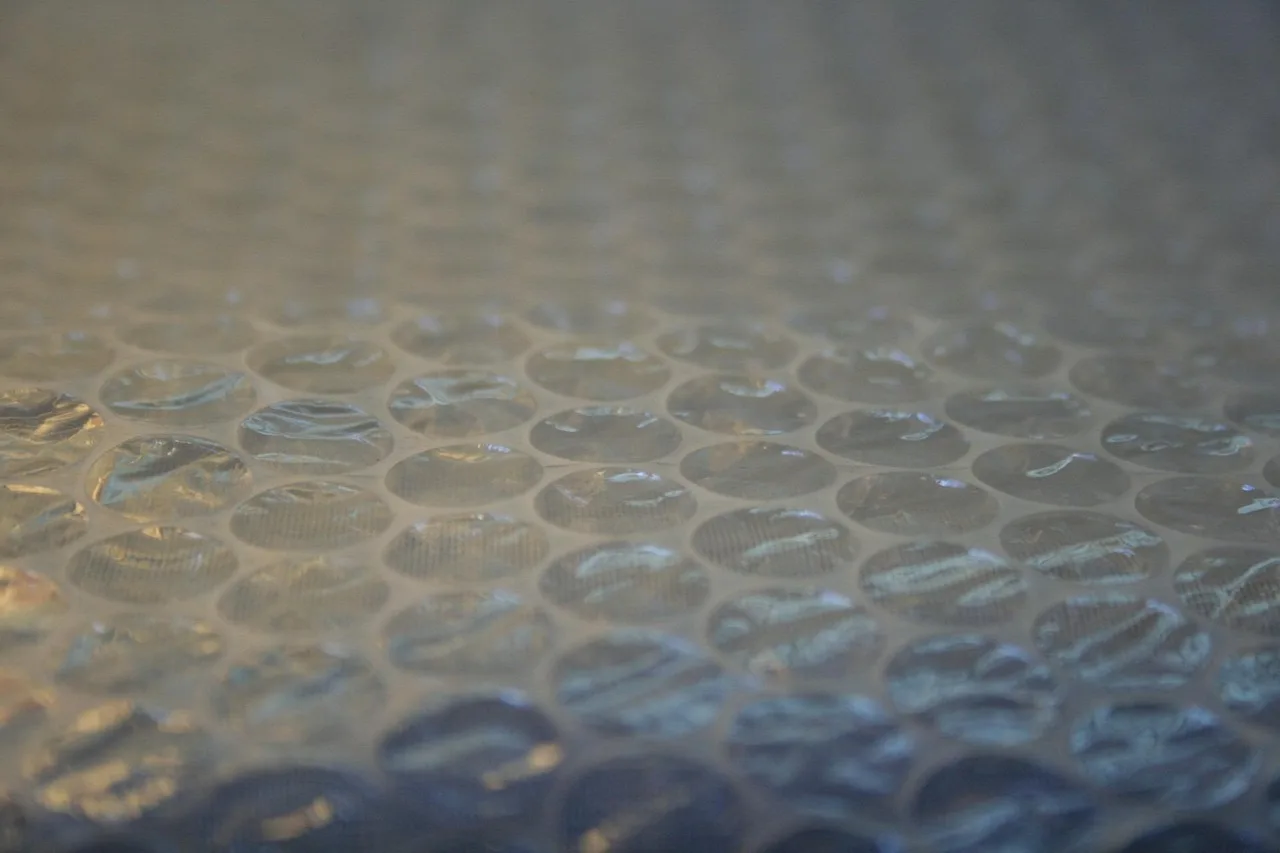


Yes, to a limited degree. Bubble wrap can act as a cheap temporary insulating layer because the trapped air in the bubbles slows heat movement through the glass. The effect is modest, but it is real enough to matter most on single-pane windows, older sash windows, and other weak glazing where surface temperatures fall quickly in winter.
For a cleaner decision: the best use cases are drafty single-pane windows, basement windows, rentals, and bedrooms that stay closed at night. The worst use cases are emergency-exit windows, good double-pane windows, and any window where clear visibility or frequent operation matters more than a small seasonal gain.
What it can and cannot do
Bubble wrap works as a thin buffer between the room and the cold glass. It can cut some heat loss through the pane and may reduce light condensation on the room side by warming the interior surface a bit. It does not seal frame gaps, stop all drafts, or replace window film, secondary glazing, or proper air sealing.
It also blurs the view. Bubble wrap can let plenty of light through while obscuring the view, which is why it tends to fit spare rooms, basements, and other low-appearance areas better than front-facing windows.
Why trapped air matters
The bubbles hold still air, and still air resists heat movement better than bare glass. That is the basic reason it works at all. The same idea explains why quilts, curtains, and other insulating layers help: they slow the path from warm room air to cold window glass, especially when the room-side surface is otherwise exposed.
The useful point is not bubble size, but the air layer itself. Claims that one bubble size always insulates better are not well supported in the consumer guidance that matters here, so the safer takeaway is simple: any intact bubble sheet is only a modest, temporary insulator.
When the answer is yes, a little
Bubble wrap makes the most sense when the window is a weak point and the cost must stay low. Single-pane windows are the clearest use case because they lose more heat than upgraded glazing. Drafty sash windows and basement windows also tend to benefit more than newer, tighter units.
Say your 1960s single-pane bedroom window feels cold to the touch every night. Bubble wrap may take the edge off that cold surface. It will not make the room feel new, but it can reduce the chill from the glass enough to be worth the small effort.
How bubble wrap works on glass
Bubble wrap works on windows by adding a thin air layer right against the glass. To install it, clean the glass, spray it with water, press the wrap onto the wet surface, and keep the bubble side facing the glass. That simple setup is why it is popular for renters and short-term winter use, even though it is not a substitute for a real storm panel.
Clean glass matters because dirt, grease, and dust keep the wrap from contacting the pane evenly. Uneven contact leaves gaps, and gaps reduce the insulating effect. They also make the wrap more likely to peel, especially on sunlit windows or on panes that swing through large day-night temperature changes.
Why the bubble side faces the glass
The bubble side should face the glass because the bubbles are the insulating layer. Pressing that side against the pane creates the trapped-air barrier where it can do the most good. The flat side then faces the room and looks a little neater than the reverse.
That orientation also helps the sheet sit more closely against the window. A loose fit leaves more pockets of moving air, which weakens the result.
Why a spray bottle of water helps it stick
The installation described uses a spray of water on the glass. A light mist gives the wrap temporary grip, which is why the method is popular for renters and short-term winter use. It is simple, inexpensive, and easy to remove later.
A spray bottle is enough for most installations. You do not need a thick adhesive layer for the basic method, and using too much glue makes removal messier than it needs to be. This is also one reason bubble wrap is often treated as a temporary attachment rather than a long-term window treatment.
Why a clean surface matters
A clean window surface helps the wrap stay flat. If the glass has dust or residue, the wrap may peel off sooner, especially in warm sun or on windows that get daily temperature swings. That is a common failure point on south-facing windows.
Moisture can also get trapped behind the wrap if the glass is already damp or if condensation forms later. In that case, the wrap can do its job for insulation while still creating a maintenance problem underneath, which is why condensation checks matter before and after installation.
Bubble wrap window decision table
Use this table to judge fit by window type. The main question is not whether bubble wrap works at all, but whether the tradeoffs make sense for that window.
| Window scenario | Good fit? | Expected benefit | Visibility tradeoff | Better alternative if not |
|---|---|---|---|---|
| Single-pane sash | Yes | Highest potential among common windows | Moderate to high | Secondary glazing or window film |
| Double-pane | Usually no | Small stopgap only | Moderate | Weather stripping or interior storm treatment |
| Basement window | Yes, if appearance is low priority | Moderate on cold glass | Moderate | Proper cover panel, film, or insulation board |
| Rental window | Yes, if removable setup is needed | Moderate on drafty glass | Moderate to high | Removable window film |
| Bedroom window | Sometimes | Moderate at night | Moderate | Thermal curtains or blinds |
| Emergency-exit window | No | Not worth the access risk | High | Thermal curtains on nearby windows only |
Single-pane sash windows
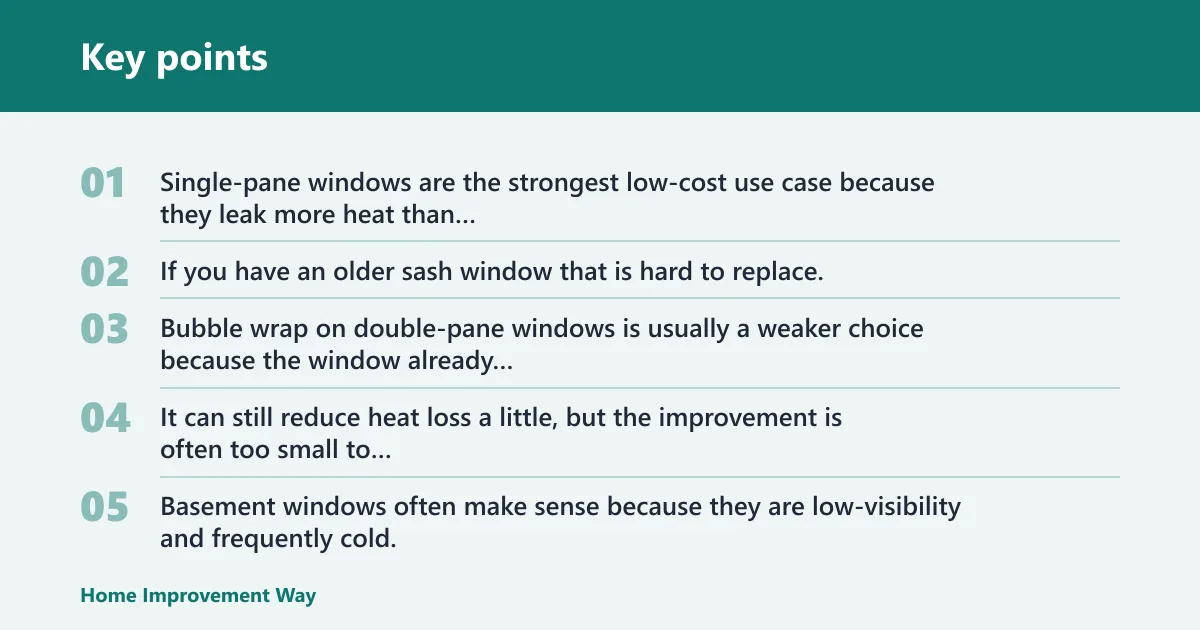
Single-pane windows are the strongest low-cost use case because they leak more heat than upgraded glazing. If you have an older sash window that is hard to replace, bubble wrap can be a reasonable short-term winter layer while you plan a better repair.
Double-pane windows
Bubble wrap on double-pane windows is usually a weaker choice because the window already has an insulating gap. It can still reduce heat loss a little, but the improvement is often too small to justify the lost clarity and the seasonal labor.
Basement windows
Basement windows often make sense because they are low-visibility and frequently cold. If the space is used for storage, laundry, or a low-traffic room, the appearance penalty matters less and the wrap can be a practical stopgap.
Rental windows
Rentals are a common fit because the method is cheap and removable. If you need a no-drama winter fix, bubble wrap can be easier to undo than more aggressive adhesive setups. Still, you should check the lease before adding anything that might leave residue.
Bedroom windows
Bedrooms sit in the middle. If the window is drafty and you keep the shades closed most of the time, bubble wrap may be worth trying. If the room needs daylight or a clean view, thermal curtains or blinds may be the better first move.
Emergency-exit windows
Do not cover emergency-exit windows with bubble wrap. Anything that slows opening, blocks quick access, or adds confusion in a hurry is the wrong tradeoff. Keep those windows clear and use other heat-retention steps elsewhere in the room.
Where bubble wrap makes sense
Bubble wrap makes sense on drafty single-pane windows, in low-visibility areas, and on windows you leave closed all winter. It is most useful where a small gain is enough and where you can tolerate a blurry view for a season.
It can also help in a layered setup. Weather stripping cuts drafts around the frame, while bubble wrap adds a little insulation at the glass. Thermal curtains or blinds add another nighttime barrier, especially when you close them after dark.
Good situations for bubble wrap
- Old single-pane windows that leak heat through the glass
- Basement windows where appearance matters less
- Rental units where you need a temporary, removable fix
- Bedrooms where the window stays closed and covered at night
- Windows that are not part of daily airflow or emergency escape plans
A common first-timer mistake is putting bubble wrap on the glass but ignoring the frame. If cold air still slips in around the sash, the room may feel drafty even though the pane is covered. In that case, weather stripping usually matters more than adding another layer to the glass. DOE/Energy Saver guidance treats air sealing as one of the highest-value upgrades for exactly this reason.
Is bubble wrap better than window film?
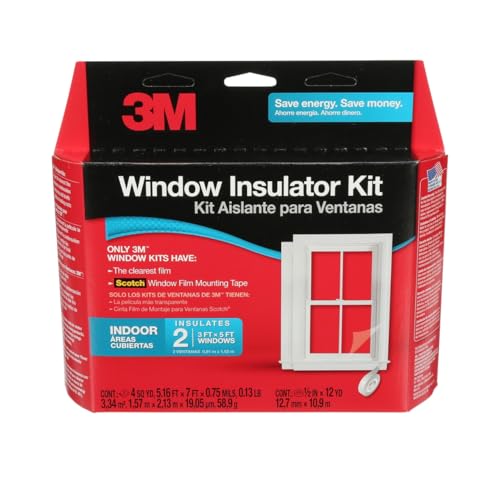
Bubble wrap is cheaper and easier to remove, but window film usually wins on clarity, appearance, and durability. If you want a cleaner result and a more polished winter setup, window film or secondary glazing is the better choice. Bubble wrap is the budget fallback, not the best-performing option.
Clarity and appearance
Bubble wrap reduces visibility more than many people expect. Even though it can let plenty of light through, the view becomes soft and distorted. Window film is usually clearer, which matters on street-facing windows, kitchens, and any room where you want daylight without the blurred look.
Durability and removal
Bubble wrap is seasonal by nature. It can peel in sunlit windows, collect moisture behind it, and lose contact if the glass was not clean to begin with. Window film and secondary glazing are generally more stable through the heating season and are less likely to sag or bubble off.
Removal is another difference. Bubble wrap can come off cleanly when it is water-mounted, but tape or adhesive can leave residue. If moisture or residue appears underneath, remove it sooner rather than letting it sit through the season.
Cost and seasonal effort
Bubble wrap usually costs less and takes less planning. That is why it stays popular as a quick winter fix. The tradeoff is that you may need to redo it each season, while other options take more time up front and last longer.
For long-term use, secondary glazing makes more sense than repeating a bubble wrap setup every winter. For a rental or a temporary situation, bubble wrap can still be the right call if low cost matters more than appearance.
Bubble wrap vs. other common fixes
Here is the practical comparison: bubble wrap is cheapest and blurriest; window film is clearer and usually more durable; secondary glazing performs better but costs more; weather stripping does more for drafts than for the glass itself; and curtains are easiest for nighttime comfort but do not address leaks at the pane or frame. The best choice depends on whether the main problem is cold glass, air leakage, or nighttime comfort.
What it will not fix
Bubble wrap will not fix everything about a cold window. It may reduce the temperature difference at the glass, but it is not a full moisture-control solution, not a draft repair, and not a replacement for proper sealing around the frame.
Condensation behind the wrap
Bubble wrap may reduce condensation problems by making the glass less cold to the room, but it cannot solve every moisture issue. If humid indoor air is leaking into a cold cavity or the room already has high humidity, moisture can still form behind the wrap. That is why condensation guidance from building-enclosure best practices always starts with moisture source control, ventilation, and air sealing before surface treatments.
Drafts from gaps around the frame
Drafts from gaps around the frame need air sealing, not extra glass coverage. Weather stripping, caulk, and other draught proofing steps do more for moving air than bubble wrap does. If the window sash rattles or you feel air at the edges, start there.
Heat loss from poor weather stripping
Poor weather stripping can waste more heat than the glass itself. That is why bubble wrap and weather stripping are not the same fix. Bubble wrap slows heat loss through the pane, while weather stripping blocks air leakage around the window assembly.
Suppose a basement window has bubble wrap on the glass but the sash still has a half-inch gap on one side. The room will still feel cold near the frame, because the air leak is doing its own damage. The wrap helps a little; the gap needs its own repair.
How long bubble wrap insulation lasts on windows
Bubble wrap insulation is meant for winter use, not year-round service. How long it lasts depends on sunlight, humidity, how clean the glass was, and whether you used tape or adhesive. On easy windows, it can stay in place for the season; on sunlit or damp windows, it may fail much sooner.
In real-world winter use, the most common failure modes are peeling at the edges, moisture getting trapped behind the sheet, and adhesive residue at removal time. If the wrap starts lifting or the glass behind it looks damp, remove it and reset the surface before the problem spreads.
If the wrap starts peeling, trapping moisture, or leaving residue, remove it and reset the surface. Seasonal removal also gives you a chance to inspect the glass, clean buildup, and decide whether a better option is worth the money.
Frequently asked questions
Does bubble wrap on windows insulate?
Yes, but only a little. Bubble wrap can reduce heat loss through glass by trapping air in the bubbles, which makes it useful as a cheap temporary insulating layer. It works best on single-pane or otherwise weak windows and is not a substitute for proper glazing or air sealing. DOE/Energy Saver still recommends more durable upgrades first when the budget allows.
Does bubble wrap really insulate windows?
It really can, in the limited sense that it slows heat movement through the pane. The gain is modest, and the view becomes blurred. That makes it a practical winter stopgap for drafty windows, not a permanent comfort upgrade.
How do you put bubble wrap on windows?
Clean the glass, mist it with water from a spray bottle, then press the wrap onto the wet pane with the bubble side facing the glass. Trim the edges to fit. The water helps it stick, and a clean surface helps it stay put longer.
Which way do the bubbles face on windows?
The bubbles should face the glass. That puts the trapped air layer directly against the cold surface, where it can do the most to slow heat loss. The flat side faces the room and usually looks a little tidier.
Will bubble wrap stop condensation on windows?
It may reduce condensation by making the glass less cold, but it is not a full moisture fix. If indoor humidity is high or the frame is leaky, condensation can still form behind the wrap. Use ventilation and air sealing if moisture is the real problem.
Can you use bubble wrap on double-pane windows?
Yes, but it is usually a stopgap with limited payoff. Double-pane windows already insulate better than single-pane glass, so bubble wrap has less room to help. In many homes, weather stripping, curtains, or secondary glazing is a better use of time and money.
What windows should not be covered with bubble wrap?
Do not cover emergency-exit windows, windows that must open quickly, or windows where clear visibility matters. Avoid it where access is important or where the wrap would interfere with regular use. Safety and egress come first.
Sponsored / affiliate links. As an Amazon Associate I earn from qualifying purchases. I may earn additional commission from eligible campaigns.