How to Find Air Leaks in Your House with Incense or a Candle
Use incense or a candle on a still day to help find air leaks. A steady sideways smoke bend or flame flicker can point to a draft, while a slow, even rise usually does not. Missed leaks can waste heating and cooling dollars every month, and sealing the wrong spot can hide the real problem. This guide shows how to test, mark, and rank leaks before you seal them.
What you’ll need


- Incense sticks or a candle
- Flashlight
- Painter’s tape or removable labels
- Notepad or phone notes app
- Optional: toilet paper, a dollar bill, or an air leak detector
- Optional: thin cardboard to shield a candle from drafts while you move room to room
Use incense whenever you want the clearest view of airflow direction. Use a candle only where open flame is safe, away from curtains, paper markers, insulation, solvents, and any suspected gas leak or gas appliance pilot light.
When should you test for air leaks?
Test on a cold, still day when indoor air and outdoor air differ enough to move through gaps. That makes small leaks easier to spot, especially around window frames, door edges, and attic hatches. Close all exterior doors and windows first, and keep conditions as steady as possible while you work.
Why HVAC, bath fans, and kitchen fans should be off
Turn off the furnace, air conditioner, bath fans, and kitchen exhaust fans before flame or smoke testing. Those systems can create airflow that looks like a leak even when the gap is elsewhere. Sealed recommends the hand test in wintertime for the same reason: natural temperature differences make drafts easier to feel. If a fan is the thing you want to test, turn it on only for that one check.
Suppose a bathroom fan is running while you test the hallway door. Smoke may pull toward the fan grille and make a good door seal look leaky. Stop the fan, wait for the air to settle, then test again at the same spot.
When to skip a candle and use incense instead
Skip the candle if you are near fabric, paper, insulation, solvents, or any gas appliance. Incense is usually the safer choice because it shows airflow direction without an open flame. A candle can show very small movement, but it needs stricter fire caution and should stay well away from anything combustible.
Incense is also the better choice on windy days, because visible smoke is easier to read than a tiny flame twitch. When the house is very still and the area is safe, a candle can help spot small leaks that barely move the smoke.
How do you test with incense or a candle?
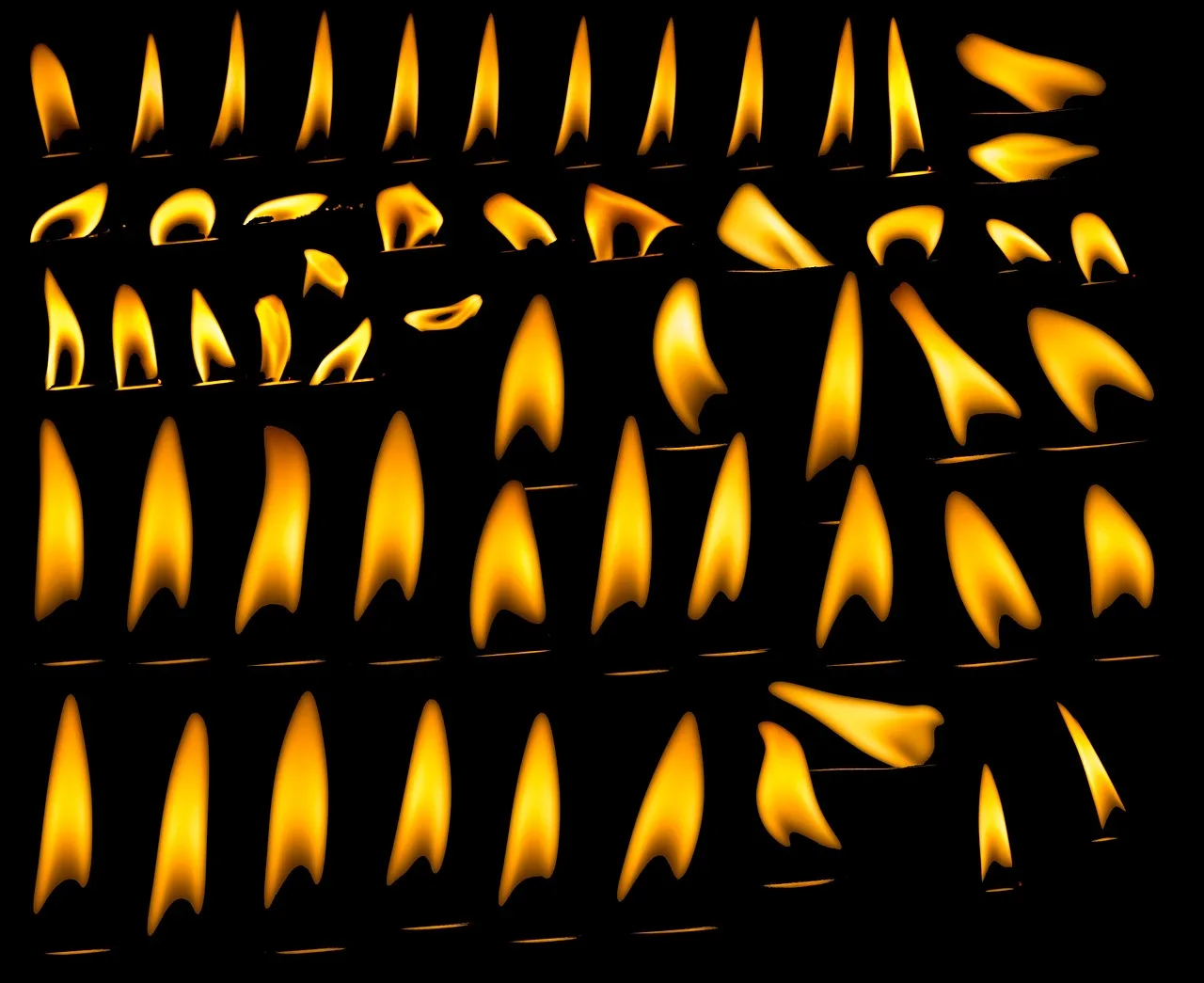
Move slowly and keep the smoke or flame close to the surface you are checking. A sideways bend, a steady deflection, or a strong pull shows airflow at a leak point. A slow, even rise with no change usually points to normal room air, not a useful leak.
- Close every exterior door and window.
- Turn off heating, cooling, bath fans, and kitchen exhaust fans.
- Light the incense or candle and hold it about a few inches from the surface you are checking.
- Move in short passes along seams, gaps, and penetrations.
- Mark any spot with painter’s tape and note the leak strength.
- Repeat the test from the other side of the surface when access allows.
For a candle, keep the flame away from your breathing space and do not bring it close to curtains, paper markers, or insulation. For incense, keep the ash contained and use a stable holder. If a spot looks suspicious but the airflow is weak, repeat the test after the house has been closed up longer.
A common first-timer mistake is stopping at the first obvious draft. If one outlet on an exterior wall shows a strong pull, that does not mean the rest of the room is tight. Continue the full circuit so you can rank the leaks instead of chasing only the loudest one.
Where should I look first?
Start with the places Sealed lists most often: doors, window frames, baseboards, electrical outlets, plumbing fixtures, and attic hatches. Then move to the hidden paths that carry air through wall cavities, such as crown molding, rim joists, duct penetrations, and fan housings. Hidden leaks often feel small at the surface but connect to larger cavities behind the wall.
Exterior doors and weather-stripping gaps
Check all four sides of every exterior door. Use your hand, incense, a candle, and a dollar-bill test at the latch side, the hinge side, the top, and the threshold. Weather-stripping can still leave gaps, especially at corners and at the bottom where the threshold wears unevenly.
Window frames and sash edges
Test the full perimeter of each window frame and the meeting edges of the sash. Leaks here are often small and intermittent, so a candle or toilet paper may reveal movement that your hand misses. The best time to check is when the indoor-outdoor temperature difference is high, because even minor gaps show up more clearly.
Outlets, phone jacks, baseboards, and crown molding
Use incense or a candle on exterior walls where outlets and phone jacks sit. Air can move inside wall cavities and escape at these cutouts, baseboards, or crown molding seams. If the flame or smoke moves here, the leak may be tied to attic air above or basement air below, not the trim itself.
Attic hatches, rim joists, and duct penetrations
Check attic hatches first if the top floor feels stuffy or uneven. Then inspect rim joists in basements or crawl spaces and any duct penetrations that pass through the floor or ceiling. Duct leakage can account for up to 30% air loss, so even a modest opening near a supply or return line is worth marking.
Bathroom and kitchen fan housings
Fan housings can leak air around the grille, the housing box, or the duct connection. Keep the fans off during general smoke testing, then turn them on only if you are intentionally checking exhaust flow. A running fan can distort nearby readings and send smoke in the wrong direction.
Leak detection worksheet
This checklist helps you separate weak movement from a real draft and rank each spot by comfort impact, ease of sealing, and likely source. Use one row per location, then sort the highest-priority leaks first. Air leakage can account for up to 40% of energy loss, so the best returns usually come from the easiest visible gaps and the places that affect rooms you use every day.
| Room / location | What to check | Severity | Priority | Likely source |
|---|---|---|---|---|
| Front entry | Door edges, threshold, latch side | Steady deflection | High | Weather-stripping or threshold gap |
| Living room exterior wall | Window sash, outlet, baseboard | Weak flutter | Medium | Window seal or wall-cavity leak |
| Upstairs hall | Attic hatch, crown molding | Obvious pull | High | Attic air movement |
| Kitchen exterior wall | Outlet, vent, fan housing | Steady deflection | Medium | Penetration or exhaust leakage |
| Basement rim joist | Seams, ducts, pipe penetrations | Obvious pull | High | Rim joist or duct leakage |
Three-level severity scale
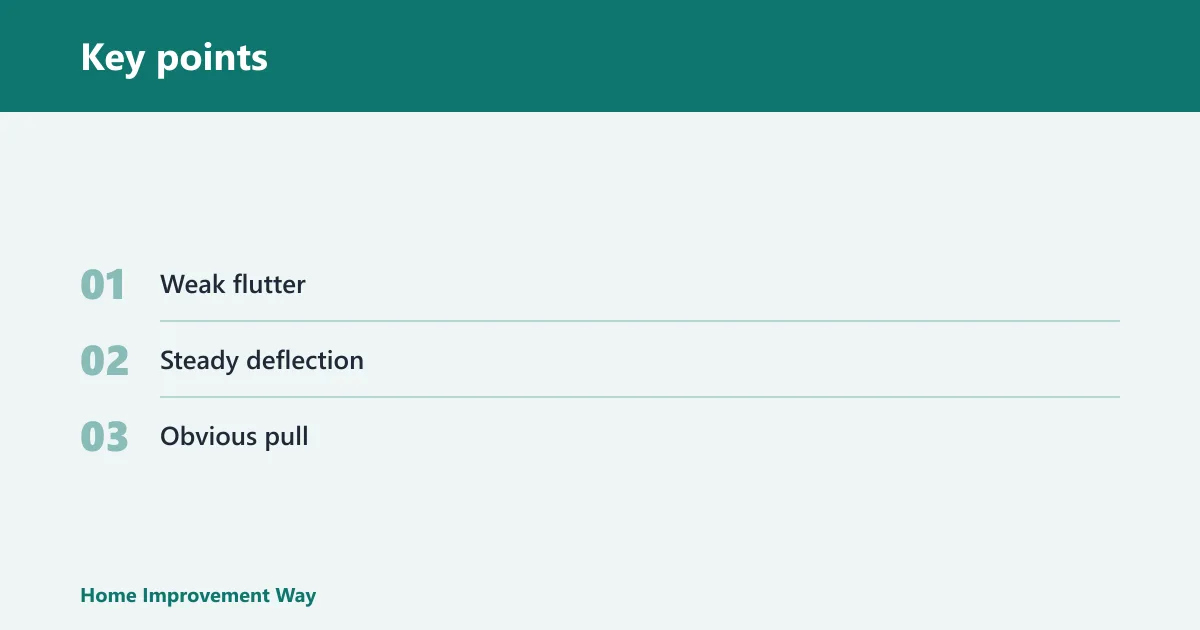
- Weak flutter: The smoke wavers or the flame nudges once in a while. This often points to a small leak, an intermittent pressure change, or normal house airflow.
- Steady deflection: The smoke bends the same way every time you hold it in place. This usually deserves a higher seal priority.
- Obvious pull: The smoke or flame moves sharply and continuously. Treat this as a strong leak candidate, especially if it sits in an occupied room.
How to rank sealing order
Start with leaks that affect comfort in rooms you use often, then move to easy fixes like weather-stripping, caulkable gaps, and visible trim seams. A leak near a bedroom door or kitchen wall usually outranks a similar leak in a rarely used storage area. If two spots look equal, fix the one with the clearest source first.
Common mistakes
Testing with fans running can create false positives. So can windy conditions that push air through a partly open window or under a loose door sweep. Wait for the house to settle, then retest the same spot before you tape it as a leak.
Another mistake is reading stack effect as a single leak. Warm air rises, so upper floors and attic hatches often show stronger outward movement, while lower leaks can draw in. If smoke moves in one direction at the top of the house and the opposite direction at the bottom, that pattern may reflect house pressure, not one giant hole.
Do not use a candle near curtains, paper markers, insulation, solvents, or any suspected gas leak. If an area is cramped or crowded with combustible material, switch to incense or a flashlight and use an air leak detector instead. wikiHow notes that a candle test is for smaller leaks, but it should be done with heating or cooling turned off.
Do not stop after the first strong draft. A doorway may be obvious, but the real load may be coming from a second gap nearby, such as an outlet on the same wall or a leak in the attic hatch above it.
Should I use a blower door test instead of DIY smoke tests?
Use a blower door test when the DIY scan points to many leaks, the house still feels drafty after obvious sealing, or you suspect hidden leakage in ducts, joints, or penetrations. A blower door depressurizes the house and can expose leaks that smoke alone will miss. If the problem is limited to a few visible gaps, DIY testing is usually enough to start sealing.
Suppose the upstairs bedroom has smoke movement at three window edges, an attic hatch, and a recessed light cavity. That pattern suggests wider leakage, so a blower door or energy audit is the better next step. If the only finding is one loose door sweep, DIY sealing may be all you need for now.
If that did not narrow the problem, move up one level: seal the marked openings, then retest the room. If the same areas still pull strongly, schedule a blower door test or a full energy audit so hidden leaks do not stay buried behind trim or drywall.
Frequently asked questions
How do you find air leaks in your house with incense or a candle?
Close the house, turn off fans and HVAC, then move the smoke or flame slowly along seams, edges, and penetrations. A sideways bend, steady deflection, or strong pull marks a likely leak. Start with exterior doors, window frames, outlets, and attic hatches, then record each spot as weak, medium, or strong.
Where should I look for drafts around windows and doors?
Check all four sides of each exterior door and the full perimeter of each window, including sash edges, latch sides, and the bottom threshold. Use a dollar bill, toilet paper, or smoke to catch small gaps that your hand misses. Weather-stripping can still leak at corners and worn thresholds.
When is the best time of day or weather to test for air leaks?
Choose a cold day with little wind and a clear indoor-outdoor temperature difference. That makes the smoke pattern easier to read and helps smaller leaks stand out. Early morning or another quiet time works well because doors stay closed and fans are less likely to interrupt the test.
Do I need to turn off my furnace or air conditioner before testing for leaks?
Yes. Turn off heating, cooling, bath fans, and kitchen exhaust fans so the airflow you see comes from the leak, not the system. If you want to test a fan housing, switch that one fan on by itself after you finish the rest of the house. Follow the manufacturer’s manual for any equipment you need to access.
How can I tell the difference between a big leak and a small leak?
A weak flutter usually means a small or intermittent leak, while a steady deflection points to a more meaningful opening. An obvious pull is worth higher priority, especially in rooms you use often. Rank leaks by comfort impact, ease of sealing, and likely source so you fix the best targets first.
Is incense better than a candle for finding air leaks?
Incense is usually better for showing airflow direction because the smoke stream is easier to read and it avoids open-flame risk. A candle can reveal very small movement, but it needs more caution and should never be used near combustibles or gas appliances. Use the safer option unless the area clearly allows a flame.
What parts of the house commonly leak air besides windows and doors?
Outlets, phone jacks, baseboards, crown molding, attic hatches, rim joists, duct penetrations, and fan housings are common leak paths. Recessed lighting cavities also deserve a look. Air can move through wall and ceiling cavities, so the leak you see at the trim may be fed from somewhere else.
Sponsored / affiliate links. As an Amazon Associate I earn from qualifying purchases. I may earn additional commission from eligible campaigns.