How to Stop Cold Air Coming Through the Dryer Vent
Cold air through a dryer vent usually means the exterior damper is stuck open, the hood is blocked, or the duct leaks. Fix the cause first, then seal only after the vent opens and closes freely. Left alone, it can waste heat, invite pests, and add moisture or lint issues. This guide shows how to diagnose the vent from inside and outside, then tells you what you can repair at each access point.
This guide is part of our Winter Weatherproofing: How to Draft-Proof Your Home series.
What you’ll need


- Flashlight
- Gloves
- Vacuum or lint brush
- Screwdriver or nut driver
- Foil HVAC tape
- Replacement rigid metal dryer duct or damper parts, if needed
- Duct insulation, such as R-8 fiberglass duct wrap, for cold-space runs
- Minimal expanding foam for small wall gaps around penetrations
Dryer vent troubleshooting matrix
| Symptom | Likely cause | Fastest DIY check | Best fix |
|---|---|---|---|
| Cold air with the dryer off | Backdraft through a damper that is stuck open or missing | Check whether the flap at the exterior hood closes fully and moves freely by hand | Repair or replace the dryer vent backdraft damper |
| Flap stuck open | Broken hinge, lint, or ice at the hood | Inspect the outside termination point for lint, snow, or ice | Clear the hood and replace the failed flap or damper |
| Flap frozen shut | Ice buildup at the exterior hood | Look for frost, snow packing, or a stiff flap after a cold snap | Clear the hood, then check for poor slope, long cold runs, or a damper that sticks |
| Lint visible at the hood | Lint buildup restricting flow | Inspect the hood opening and nearby screen or grille | Remove lint, then clean the full duct run if airflow still feels weak |
| Dryer runs longer | Blocked hood, crushed duct, or heavy lint buildup | Compare cycle time before and after cleaning the hood and lint trap | Clean the vent path and replace damaged duct sections with rigid metal duct |
| Laundry room feels drafty | Air leakage around vent joints or wall penetration | Feel for moving air around the duct and wall opening while the dryer is off | Seal visible metal joints with foil HVAC tape; use minimal foam only at small wall gaps |
| Exterior hood whistles | Narrow opening, partial blockage, or pressure imbalance | Check for lint, snow, ice, or a hood cover that does not open cleanly | Clear the hood and inspect the run for restrictions or a long, leaky path |
| Vent run through an unheated space | Cold-zone routing in an attic, crawlspace, or garage | Trace the run for bare metal, loose joints, and signs of condensation | Insulate the run, seal leaks, and correct routing where possible |
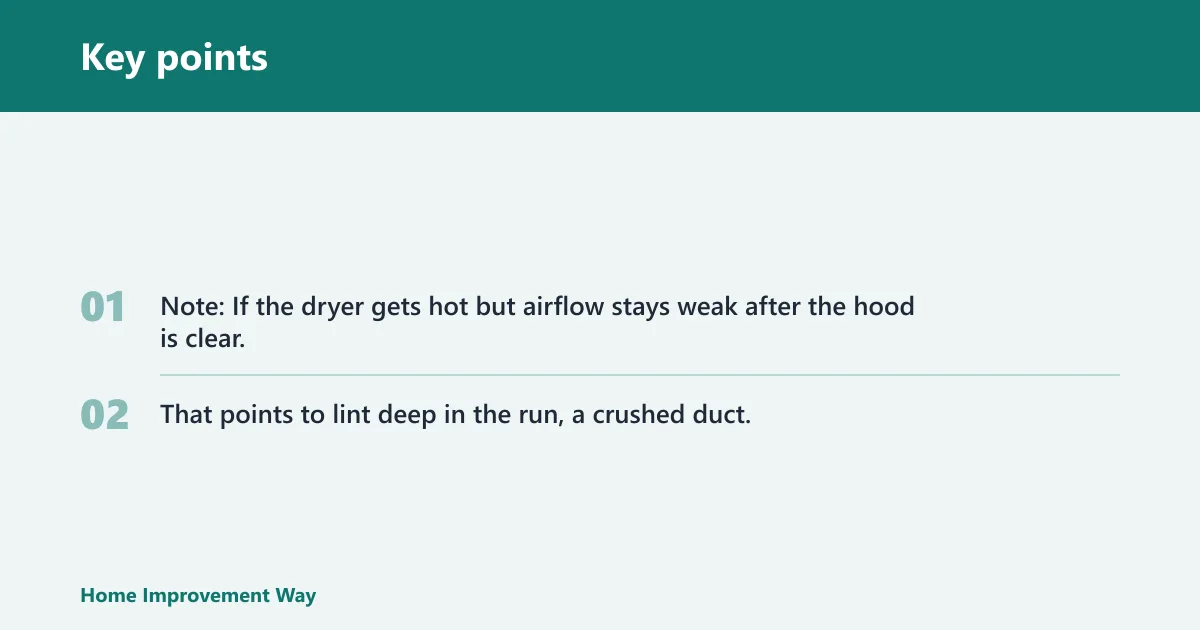
Note: If the dryer gets hot but airflow stays weak after the hood is clear, treat it as a larger restriction. That points to lint deep in the run, a crushed duct, or a damper that does not move freely.
Why is cold air blowing out of my dryer vent?
Cold air blowing from the vent usually means reverse airflow is moving through the system when the dryer is off. A gravity-operated backdraft damper should close and open easily with little effort, but it can stick open, freeze shut, or get jammed by lint, ice, or snow. Pressure differences in the house can also pull outside air inward through a leaky run.
Cold-weather condensation makes the problem worse. The scientific article published on November 1, 2011 describes a “condensation clog,” recommends metal tape for vent openings, and calls for fiberglass insulation around vent areas. It also says to check the gravity operated back draft damper.
Common causes to separate first
- Damper failure: The flap should close when the dryer is off. If it stays open, reverse airflow can push cold air inside.
- Exterior hood blockage: Snow, ice, or lint at the termination point outdoors can send air back indoors or create back-pressure.
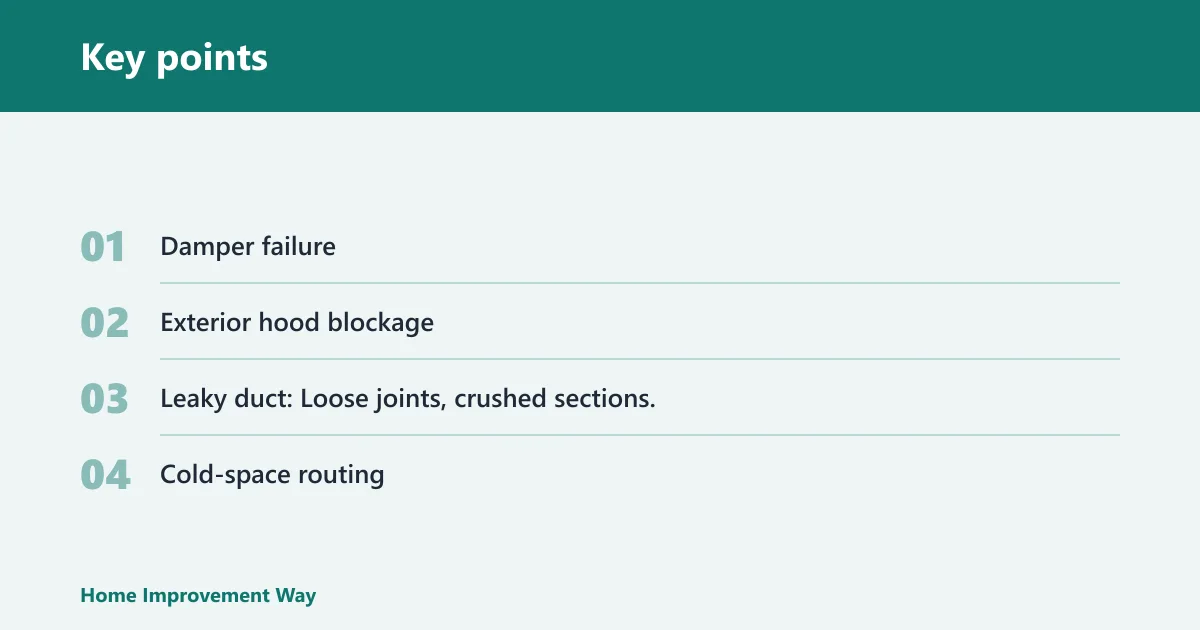
- Leaky duct: Loose joints, crushed sections, or flexible runs can let air leak and reduce exhaust flow.
- Cold-space routing: A vent through an attic, crawlspace, or unheated garage is more prone to condensation and heat loss.
Say the laundry room is suddenly 10 degrees colder near the wall vent, but the hood flap is closed. That points more toward duct leakage or a gap around the penetration than a failed damper.
Start at the exterior hood, then work back toward the laundry room. Clear the outdoor termination point first, because a blocked or frozen hood makes any inside seal worthless. After that, seal only visible metal joints, insulate cold-space runs, and replace damaged duct sections that trap lint or collapse under airflow.
Do this in order
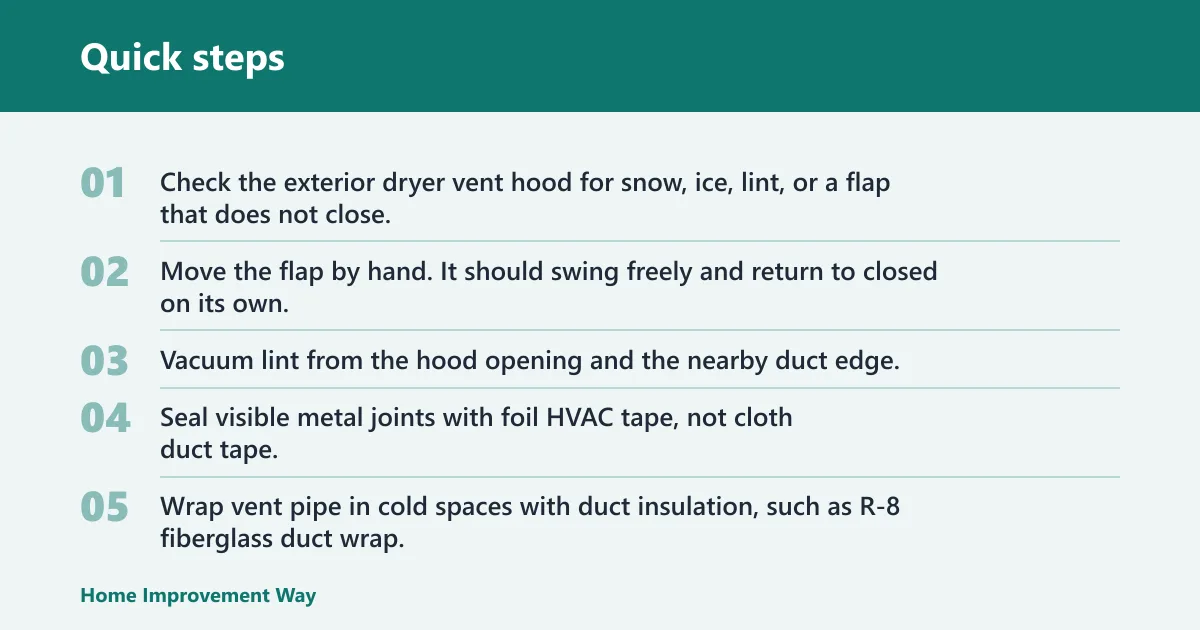
- Check the exterior dryer vent hood for snow, ice, lint, or a flap that does not close.
- Move the flap by hand. It should swing freely and return to closed on its own.
- Vacuum lint from the hood opening and the nearby duct edge.
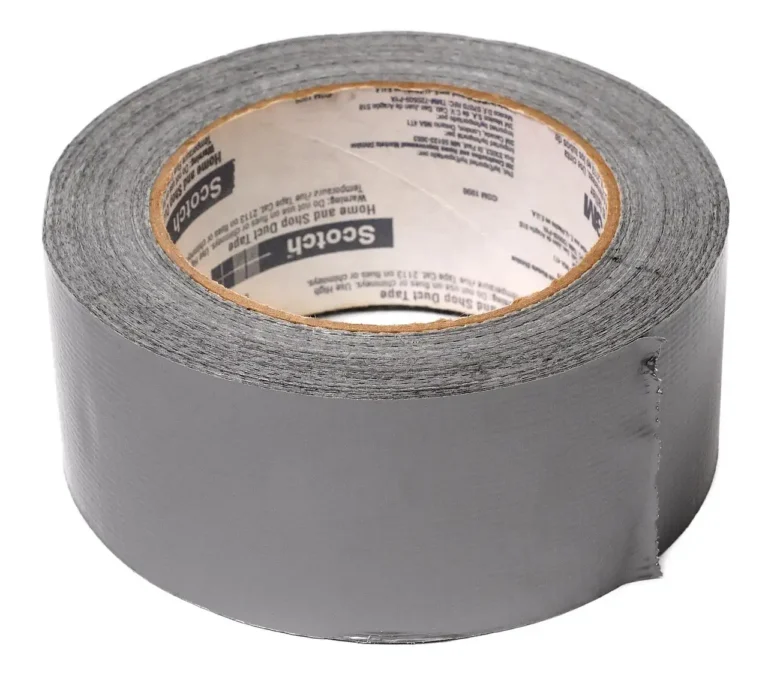
- Seal visible metal joints with foil HVAC tape, not cloth duct tape.
- Wrap vent pipe in cold spaces with duct insulation, such as R-8 fiberglass duct wrap.
- Replace vinyl or flexible foil sections with rigid metal dryer duct where access allows.
- Use minimal expanding foam only around small wall gaps at the penetration, and only after the duct itself is sealed.
The five-step approach in the 2011 article lines up with this order: check the damper, seal openings with metal tape, and add fiberglass insulation to the vent area. It even gives specific coverage targets of 24 inches of fiberglass insulation around the vent pipe and at least 12 inches around the exhaust fan box in the related vent area.
If that didn’t work, try this next
- Inspect the full duct run for crushed sections, loose couplings, and sharp bends.
- Check the run through an attic, crawlspace, or garage for missing insulation.
- Open the exterior hood and confirm the flap is not warped or stuck on lint.
- Replace a failed backdraft damper if the flap will not move freely.
A common first-timer mistake is sealing the wall opening before checking the hood. That can hide the draft for a while, but it leaves a blocked or frozen termination point untouched.
Inside the laundry room or outside the hood?
Some fixes can be done from inside the laundry room. You can seal accessible metal joints, feel for leaks around the wall penetration, and inspect the visible duct connection behind the dryer. Anything involving the exterior hood, a stuck flap, snow, or ice needs outside access. A run through an attic or crawlspace usually needs a separate inspection path.
What you can do from inside
From the laundry room, check visible joints for air leaks and secure them with foil HVAC tape. Inspect the short connector behind the dryer. If there is a small gap around the wall penetration, use minimal expanding foam only at the gap, not over the duct opening.
What needs outside access
The outdoor hood is the termination point, so the flap, grille, and opening need direct inspection. A hood that whistles, freezes, or stays open often points to a problem you cannot solve from inside alone. Clear lint, snow, and ice at the outside cap before sealing anything indoors.
What attic or crawlspace access adds
An attic or crawlspace vent run is colder and more prone to condensation. Check for bare metal, loose tape, sagging sections, and insulation gaps. If the duct passes through an unheated space, duct insulation can reduce heat loss and condensation, but it will not fix a blocked hood or crushed duct.
Suppose a 12-foot run passes through a cold crawlspace and the dryer suddenly needs a second cycle. That combination suggests a restriction or condensation buildup, not just a draft at the wall plate.
Common mistakes
- Sealing before checking airflow: Clear the hood and confirm the damper moves first.
- Using duct tape: Use foil HVAC tape on metal vent joints.
- Ignoring a frozen damper: A flap can freeze shut or jam by ice and snow.
- Leaving lint in place: Lint buildup gets heavier and stickier in cold weather and can harden into sludge.
- Using flexible duct as the long-term answer: Rigid metal dryer duct traps less lint and handles winter airflow better.
- Treating insulation as a cure-all: Insulation helps in unheated spaces, but it does not open a blocked hood.
When is a dryer vent draft a sign of a bigger vent problem?
A draft is more than a comfort issue when it comes with weak exhaust, recurring freezing, visible lint at the hood, or a flap that will not move freely. That usually points to a larger restriction, a crushed duct, or a bad routing choice through a cold space. Repeated ice at the hood is another warning sign.
Watch for these escalation signs
- Dryer cycles take longer after the vent was “cleaned.”
- The hood flap stays partly open or partly shut.
- Lint keeps reappearing at the exterior hood.
- Cold air returns after every freeze-thaw cycle.
- The vent run goes through an attic, crawlspace, or garage with no insulation.
If the hood is inaccessible, the duct is concealed, or the home is a rental, document the symptom with photos and notes. Ask maintenance or the landlord to inspect the hood and the full duct path, because hidden damage or an unheated run can be outside a tenant’s reach.
Frequently asked questions
How do I stop cold air coming through the dryer vent?
Check the exterior hood first, then confirm the backdraft damper closes freely. Clear lint, snow, and ice, seal visible metal joints with foil HVAC tape, and insulate vent sections in unheated spaces. If the flap is stuck or missing, replace the part before sealing anything else.
How do I keep cold air from coming in the dryer vent?
Keep the exterior hood clear and make sure the damper swings open and shut without resistance. A rigid metal duct with sealed joints reduces leakage better than flexible duct. In cold spaces, add duct insulation so condensation does not build up and make the vent sticky or restricted.
How do I stop cold air from the dryer vent when the dryer is off?
Make sure the gravity-operated backdraft damper closes freely and is not jammed by lint, ice, or a warped flap. Clear the outside hood, then seal only the visible metal joints with foil HVAC tape. If the damper is broken, replace it rather than covering the opening from inside.
Do I need to insulate a dryer vent in an unheated space?
Yes, insulation helps when the duct runs through a garage, attic, or crawlspace. Use duct insulation such as R-8 fiberglass duct wrap to cut heat loss and condensation. Do not use insulation as a substitute for a blocked hood, a stuck damper, or a crushed duct.
Sponsored / affiliate links. As an Amazon Associate I earn from qualifying purchases. I may earn additional commission from eligible campaigns.