Why Is the Room Above My Garage So Cold?
A room above a garage is usually cold because heat escapes from the garage, air leaks through the floor assembly, or the HVAC supply and return are out of balance. Start with garage insulation and air sealing, then check floor leakage, then the ductwork. Left alone, the room can stay uncomfortable, drive up heating costs, and put the HVAC system under strain. This guide shows how to diagnose each cause in order and what fixes matter most.
This guide is part of our Winter Weatherproofing: How to Draft-Proof Your Home series.
Why is the room above my garage so cold?

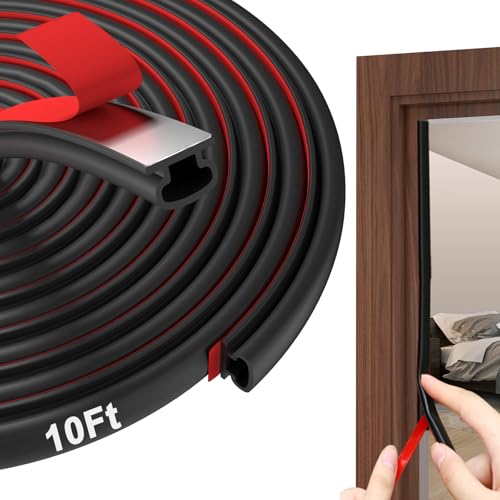
- Easy to cut and fit between joists.
- One pack covers 80 square feet.
- Resists moisture absorption to help keep performance.
A room directly above a garage is a common cold-room problem. Garages usually stay much cooler than living spaces, so the floor above them can lose heat fast, especially when the garage ceiling is underinsulated or air leaks through framing gaps, wiring holes, and duct penetrations. HVAC imbalance can add to the problem.
Why this room is colder
Start with the garage side first. That is often the easiest place to find the main heat loss. If the garage ceiling insulation is thin, missing, or damaged, the room above it can cool quickly from below. If the garage is unconditioned, the temperature gap grows and the floor assembly works against comfort all day.
Next, check the floor assembly itself. Air can move through cracks around light fixtures, plumbing, duct boots, and framing joints, then carry heat away from the room. A finished bedroom or bonus room above a garage can also have weak floor insulation in one section while the rest of the house is better protected.
Finally, look at room balance. A forced-air system needs air to circulate easily from room to room. If supply air reaches the room poorly, or return air cannot get back to the system, the room can stay cold even when the thermostat says the house is warm enough.
Garage heat loss below the room
Inspect the garage ceiling first. Look for insulation that has fallen, gaps at joists, or areas where renovations left the ceiling assembly thinner than the rest of the house. Thin insulation can lead to fast heat loss, and that effect is strongest over an attached garage that is left unheated.
Pay close attention to penetrations. Recessed lights, pipes, duct openings, and electrical boxes often leave small paths for air to move. Those paths matter because the floor above the garage is not just a surface, it is part of the thermal boundary between conditioned and unconditioned space.
Floor assembly leakage above the garage
Air sealing matters as much as insulation. Gaps around framing and mechanical openings can pull cold garage air toward the floor cavity and reduce the effective value of the insulation that is already there. That is why a ceiling with insulation present can still underperform if the assembly leaks.
Picture a 12-by-14-foot bedroom over an attached garage with one cold corner near the exterior wall. If the garage ceiling below that corner has a gap around a duct boot, the room may feel cold there first, even if the rest of the house feels fine.
HVAC imbalance in the room itself
If the room has weak supply airflow or a poor return path, the heating system may not move enough warm air into and out of the room. Furniture in front of a heating vent can block circulation, and a closed door can also reduce heat circulation. A blocked return vent can block airflow too.
Dust buildup on ventilation grilles can reduce airflow. That is a simple check, and it belongs near the top of the list because it is easy to miss. If the room still runs cold after the grilles are clear, move on to duct layout and balance.
Garage ceiling and floor checks
Check the garage side before changing thermostat settings. The most common failures are in the ceiling insulation above the garage, air leaks at penetrations, and weak insulation in the floor assembly above the garage. Those are also the easiest places to inspect without guessing at the rest of the house.
- Look for missing, thin, or displaced insulation in the garage ceiling.
- Inspect around lights, pipes, ducts, wiring, and framing joints for air leaks.
- Check whether the room above has cold spots near the floor or exterior wall.
- Compare the garage room with nearby rooms that are not above the garage.
- If the room was added or remodeled, ask whether the floor cavity was insulated to the same level as the original house.
Signs the finished room above has weak floor insulation
A floor that feels cold near the perimeter, a room that warms slowly after the heat starts, and a strong temperature gap between one side of the room and another can point to weak floor insulation. Renovated or expanded sections are worth extra attention because those areas are more likely to have different insulation than the original house.
Suppose the garage ceiling looks insulated, but the bedroom above it still has cold floors near the baseboards. That pattern can mean the floor cavity leaks air or has weaker insulation near the outer edge, not that the entire heating system has failed.
Could insulation be the problem?
Yes. Weak insulation in the walls, ceiling, or floor can make a room above a garage cold, and the garage-side floor assembly is usually the first place to inspect. A room added over a garage may also have weaker insulation than the rest of the house, especially if the space was finished later.
Walls, ceiling, and floor areas to inspect
Check the exterior walls first, then the ceiling if the room sits under a roof area, and then the floor above the garage. A cold room can have more than one weak spot. If the insulation is uneven, the room can feel fine near one wall and cold near another.
Do not assume the issue is only in the attic or only in the garage. A room above a garage can lose heat through the floor, through the exterior walls, and through the ceiling if the roof framing meets the room above in a finished bonus-room layout.
What weak insulation looks like in a cold room
Weak insulation often shows up as fast heat loss, uneven surface temperatures, and a room that never seems to catch up with the rest of the house. That pattern matters more in winter, when the garage stays colder than the living area below it would ever be in a conditioned space.
A common first-timer mistake is to keep raising the thermostat because the room feels cold, while the actual issue is a thin floor assembly over the garage. That approach can warm the rest of the house without fixing the room that feels coldest.
Blocked vents and weak airflow
A forced-air system needs air to circulate easily from room to room. If supply vents are blocked by furniture, rugs, or closed doors, the room above the garage may not get enough warm air. The same is true if the return path is restricted or the duct layout is weak.
Supply vents covered by furniture or rugs
Check each supply register in the cold room. A piece of furniture in front of a heating vent can block circulation, and heavy rugs can do the same if they sit over floor registers. Dust buildup on the grille can also reduce airflow, so clean the register before you rule it out.
Move furniture a few inches and see whether air delivery improves at the register. Keep in mind that even a small blockage matters when the room is already losing heat through the garage floor assembly.
Return vent blockage and poor room circulation
A blocked return vent can block airflow. If the room has a closed door and no clear path back to the return, warm air may not circulate through the space well enough to maintain even temperature. The room can then feel colder than the thermostat suggests.
Look for doors that stay closed for long stretches, return grilles covered by decor, and vent paths that are too small for the room. If the room improves when the door is open, the problem is often circulation rather than heat output.
When duct sizing or duct layout needs inspection
Some heating problems may involve ducts that are too small or poorly routed. If the room above the garage always gets less supply air than nearby rooms, or if the duct run is much longer and more restrictive, a professional inspection is often the next step. Duct balance problems are not easy to fix by guessing.
When the vent is clear, the return is clear, and the room is still underheated, the supply and return layout may not fit the room. That is especially common in additions, finished bonus rooms, or homes where the garage room was built after the original duct design.
Thermostat and room balance
The thermostat only measures the room where it is installed. If that room is warmer than the bedroom over the garage, the system may shut off before the cold room catches up. That is why thermostat location can misread comfort and hide a room-specific problem.
Why thermostat location can misread comfort
A thermostat in a sunny hall, near a supply register, or in a naturally warmer part of the house can report a temperature that does not match the cold room. The heating system then responds to the warmer area, not the room above the garage that still feels cold.
That does not always mean the thermostat is bad. It may mean the house has uneven temperature patterns, and the room above the garage is the weak spot that exposes them.
Signs the system needs balancing, not a higher setpoint
If some rooms are comfortable while the garage room is cold, the system may need balancing rather than a higher setting. Look for uneven supply air, return issues, or a duct layout that sends too much heat to one part of the home and too little to another.
Turning the heat up is usually not the best fix. It can overheat the warmer rooms while the cold room above the garage still lags behind because the real issue is airflow or insulation, not the setpoint.
Are windows leaking cold air?

Yes. A room may feel cold because of old or poorly sealed windows, and a window may be the source of a draft. In a room above a garage, that problem can stack on top of floor heat loss and make the room feel much colder than other spaces.
Draft checks at the sash and frame
Check the sash, frame, and trim for moving air. Hold your hand near the edges on a windy day or on a colder morning, and look for temperature differences near the glass and frame. Drafts often show up at joints rather than in the center of the pane.
Weatherstripping and caulking to inspect first
Weatherstripping and caulking should be checked for drafts. If the seal around the window is weak, start there before replacing the window. Weatherstripping helps at moving parts, while caulking helps at fixed joints and trim edges.
Use both where they belong. A tight sash still needs caulk around the frame if air is slipping through the perimeter. A loose sash still needs weatherstripping even if the trim looks neat.
When window leakage matters more than the heating system
If the room is cold mainly near one window or one outside wall, leakage at the window may matter more than the heating system. If the room is cold everywhere, and especially if the floor over the garage feels cold too, the garage-side assembly is more likely to be the main cause.
Think of windows as a separate check, not a replacement for the rest of the diagnosis. They can make the room worse, but they rarely explain every symptom by themselves.
Cold room troubleshooting matrix
Use this matrix to rank the most common failures by symptom. Start with the easiest checks, then move to insulation and HVAC inspection if the room still feels cold after the simple fixes.
| Symptom | Most likely cause | Next check |
|---|---|---|
| Cold floor above the garage | Weak insulation or air leakage in the garage ceiling/floor assembly | Inspect garage ceiling insulation and seal penetrations |
| Drafty baseboards or a cold perimeter wall | Air leakage at floor edges, framing gaps, or windows | Check caulking, weatherstripping, and trim joints |
| Uneven room temperature | Poor circulation, blocked return vent, or unbalanced ducts | Clear vents, open the door, and compare supply airflow |
| Weak supply airflow from the register | Furniture blockage, dust buildup, or duct restriction | Move obstructions and inspect the grille and duct run |
| The room is cold while the rest of the house is fine | Thermostat in a warmer area or room-specific imbalance | Check thermostat placement and room-to-room circulation |
| Cold room after recent remodeling | Underinsulated addition or changed duct layout | Review insulation levels and have ducts inspected |
DIY checks usually focus on the visible parts of the problem, including insulation access, blocked registers, dirty grilles, closed doors, and window drafts. Call an insulation pro or HVAC technician when the room stays cold after those checks, when ducts may be mis-sized, or when the garage ceiling assembly needs a deeper inspection.
Frequently asked questions
Why is my bedroom above the garage so cold?
A bedroom above the garage often feels colder because the garage is unconditioned and the floor above it can lose heat quickly. If the room is a finished addition or bonus room, insulation and duct work may differ from the rest of the house, which can make the problem worse.
What makes a room above a garage colder than the rest of the house?
The main reasons are garage heat loss, air leakage through the floor assembly, and weak room airflow. A colder garage below the room creates a larger temperature gap, and a forced-air system can struggle if the supply, return, or duct layout does not move air evenly.
Can weak insulation make the room above the garage cold?
Yes. Weak insulation can contribute to fast heat loss in the walls, ceiling, or floor, and the garage ceiling is often the first place to inspect. Renovated or expanded sections can be underinsulated compared with the original house, which makes the cold spot more obvious.
Can blocked vents make a room above the garage cold?
Yes. A piece of furniture in front of a heating vent can block circulation, a closed door can also reduce heat circulation, and a blocked return vent can block airflow. Dust buildup on ventilation grilles can reduce airflow too, so those are worth checking early.
When is a cold room above the garage a heating system problem?
It points to a heating system problem when the vent is clear, the return is clear, the windows are sealed, and the room still receives weak airflow. Mis-sized ducts, poor balance, or a restrictive duct run may need professional inspection at that point.
Sponsored / affiliate links. As an Amazon Associate I earn from qualifying purchases. I may earn additional commission from eligible campaigns.