Do Thermal Curtains Really Keep Heat in?
Yes, but only if the window is already fairly airtight and the curtain covers it wide, tall, and without side gaps; otherwise the heat loss keeps going. Poor fit can leave you paying to warm the glass and the air leaking around it. Here’s when thermal curtains help, when they fall short, and what to fix first.
How thermal curtains block heat transfer


Thermal curtains can cut winter heat loss through windows, but they are not magic. Their thicker, layered build slows heat transfer through the glass area, and they work best when the window itself is already reasonably sealed. On a drafty opening, the curtain may cover the glass while air still moves around the edges.
That is the failure mode most guides skip. Heat does not disappear because the fabric is thick. It still escapes through leaks, thin spots, and gaps at the top, sides, and bottom. If the curtain is mounted too narrow or too short, a lot of the benefit never reaches the room.
How thermal curtains work
Thermal curtains are thicker and more insulating than standard curtains. They are built with multiple insulating layers, and many are lined or laminated to slow heat transfer. Some products use a reflective or white plastic backing, which can improve performance in both winter and summer.
The main idea is dead-air space. A still-air pocket between the curtain and the window adds resistance to heat flow. That pocket helps only if it stays relatively still, which is why edge coverage matters so much. Air moving around the curtain breaks the insulating effect.
R-value is the common insulation metric. Higher numbers mean better resistance to heat flow. Today’s Homeowner says thermal drapes have an R-value of R-3 to R-5, while UNICURT says conventional curtains have an R-value of approximately R-1 and insulated linings can reach R-6.
A vapor barrier can also help prevent moisture absorption from condensation. That matters on cold glass, where damp fabric can reduce performance and create maintenance problems over time.
When thermal curtains work best
They work best on already sealed double-pane windows, bedrooms that need night insulation and light control, and rooms with moderate heat loss rather than active drafts. UNICURT says closing curtains at night can reduce heat loss by up to 17 percent, and Today’s Homeowner says thermal curtains can reduce heat loss by up to 25%.
Suppose a bedroom has a double-pane window that feels cold but does not whistle. A wide, long thermal curtain can reduce that chill and help the room hold comfort through the night. Now change one variable: if the same window leaks air at the sash, sealing the sash will usually matter more than the curtain.
A common first-timer mistake is treating the curtain as the first repair. On a drafty frame, you are still losing heat through the leak itself. The curtain may reduce radiant chill near the glass, but it cannot replace caulk or weatherstripping.
Thermal curtains decision table
This table gives the shortest useful rule: match the window condition to the likely result, then fix the leak source first when needed. The better first fix is the step that will usually produce the biggest improvement before you spend on fabric.
| Window type | Leak severity | Curtain fit | Likely benefit | Better first fix |
|---|---|---|---|---|
| Single-pane window | Active drafts | Loose, narrow, short | Low; much heat still escapes around the edges | Caulk gaps, add weatherstripping, then consider curtains |
| Single-pane window | Minor leakage | Wide, tall, wall-to-trim coverage | Moderate; less window chill and better night comfort | Seal minor leaks first, then add insulated curtains |
| Already sealed double-pane | Low | Wide, tall, close to the wall | High for comfort; good chance to reduce heat loss | Use thermal curtains, especially at night |
| Bedroom with blackout needs | Low to moderate | Full overlap and side coverage | High for darkness and useful insulation | Choose a lined or insulated blackout curtain, or add a liner |
| Living room with sun exposure | Low | Full coverage, reflective backing | Moderate in winter; strong summer solar gain control | Prioritize reflective backing and fit |
| Any window with major drafts | High | Any | Low until the leak is fixed | Weatherstrip, caulk, or repair the window first |
Do blackout curtains keep heat in or out?
Blackout curtains can help with heat control, but blackout performance is about light blocking, not insulation. Some blackout curtains are also thermal or insulated, but many are not. If the product only promises darkness, it may do very little for winter heat loss or summer heat gain.
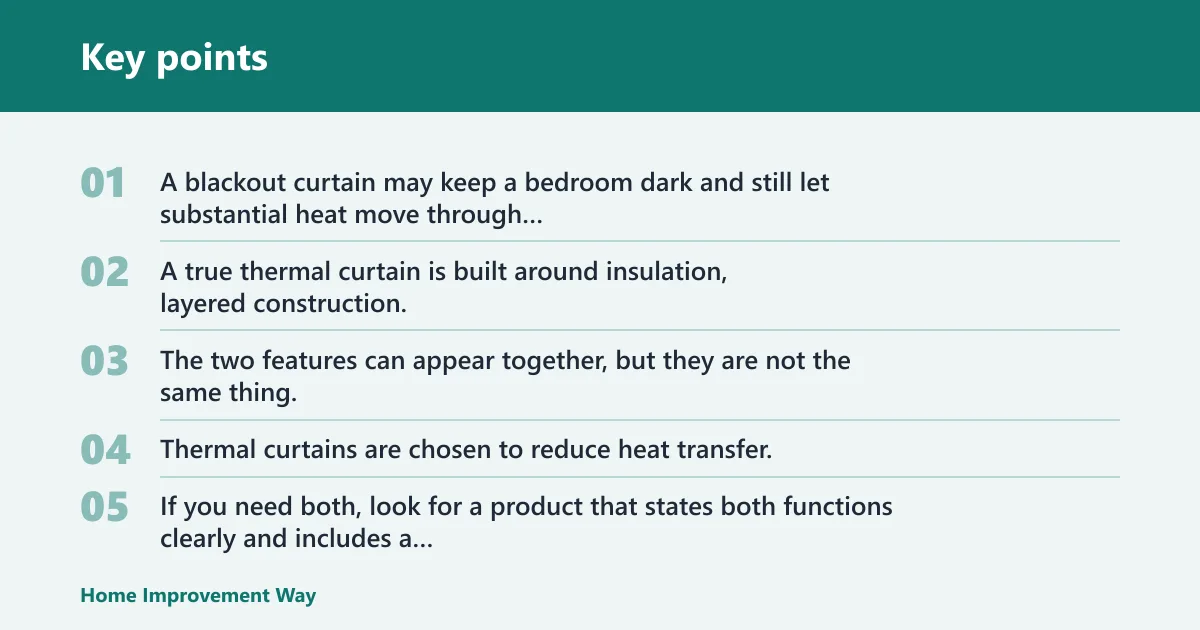
That overlap causes a lot of confusion. A blackout curtain may keep a bedroom dark and still let substantial heat move through the fabric. A true thermal curtain is built around insulation, layered construction, or a lining that slows heat flow. The two features can appear together, but they are not the same thing.
Blackout versus thermal
Blackout curtains are chosen to block light. Thermal curtains are chosen to reduce heat transfer. If you need both, look for a product that states both functions clearly and includes a lined or multi-layer construction. If it only says blackout, assume the thermal value may be limited.
Blackout curtains can still help keep heat in if they are also insulated and mounted well. The curtain’s fit still matters more than the label. A blackout panel with gaps around the edges will let room heat leak toward the cold glass just as a standard curtain would.
When blackout and thermal overlap
Bedrooms are the clearest case. A room that needs darkness at night and modest winter insulation benefits from a lined blackout curtain or a separate thermal liner. That combination can reduce light, soften noise, and help buffer the window against heat loss.
Today’s Homeowner says thermal curtains can block noise from a busy road or park, which is a secondary benefit. That is useful, but it should not distract from the main job: controlling window heat loss.
Do thermal curtains keep heat out in summer?
Yes, they can, but the result depends on fabric, lining, and especially reflective backing. Thermal curtains can reduce solar gain by about 33%, and Curtarra says reflective backing can block 60 to 80% of solar heat in summer. White plastic backing can also reduce heat gain by up to 33%.
Summer performance works differently from winter performance. In winter, the goal is to slow heat loss. In summer, the goal is to block solar gain before sunlight turns the room hot. A darker fabric alone may not do enough if the window gets strong direct sun.
Solar gain and reflective backing
White plastic backing is one of the strongest clues that a curtain is meant to do more than block light. Curtarra says medium-colored draperies with white plastic backing can reduce winter heat loss by up to 33%, and that same kind of backing can improve summer performance by reflecting incoming heat.
That means a summer curtain should be chosen for both face fabric and backing. If a room overheats in the afternoon, a reflective-lined curtain can be more effective than a heavier decorative panel with no backing. Fit still matters, because sunlight can sneak around the edges and warm the room anyway.
What to fix before you buy curtains

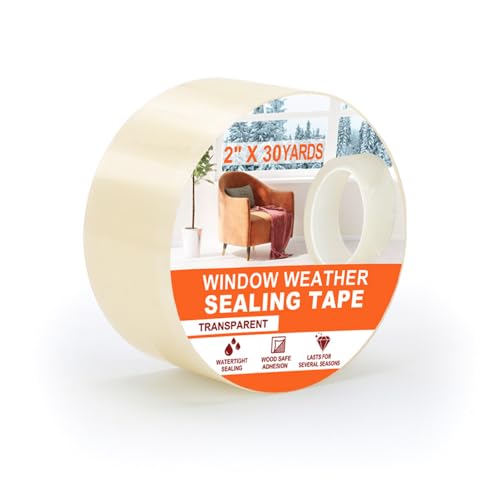
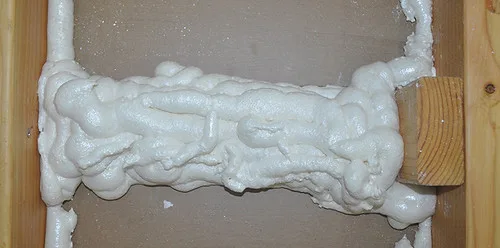
Fix the window first if it leaks air. Thermal curtains work better on a reasonably sealed window than on one with active drafts, because they depend on dead-air space and edge coverage. Caulk small gaps and add weatherstripping before expecting fabric to solve the problem.
That order matters because curtains are a control layer, not a repair. If the sash, frame, or meeting rails leak, the curtain may reduce comfort near the glass while the room still loses heat to uncontrolled airflow. On those windows, sealing the leak is the better first fix.
Mounting width, length, and edge coverage
Mount the curtain wide, tall, and close to the wall or trim. You want coverage beyond the glass on all sides so the curtain can hold a still-air pocket against the window. Short panels, narrow rods, and big side gaps all reduce performance.
- Measure the full window area, not just the glass.
- Choose a curtain wide enough to overlap the trim on both sides.
- Hang it high enough to cover the top edge.
- Let it extend low enough to reduce bottom leakage.
- Keep the panel close to the wall or trim so air stays still behind it.
Picture a 36-by-48-inch kitchen window with a curtain that stops at the glass edges. It may look fine, yet the exposed trim and side gaps keep bleeding heat. Change only the mount height and width, and the same curtain can perform much better without changing the fabric.
Thermal curtains versus other options
- Weatherstripping and caulk: best first fix for active drafts.
- Thermal curtains: best for reducing window heat loss after sealing leaks.
- Cellular shades: often stronger for insulation when you want a tighter window treatment.
- Blackout curtains: best for light control unless they are also insulated.
If the goal is pure heat control on a leaky window, cellular shades or basic window sealing may beat curtains. If the goal includes darkness, softness, and a winter buffer, thermal curtains make more sense. For some rooms, the best answer is both: seal the window, then add a good insulated drape.
Frequently asked questions
Do thermal curtains keep heat in?
Yes, but only when the window is already fairly airtight and the curtain covers the opening with minimal gaps. Their layered construction, lining, and dead-air space slow heat flow. On drafty windows, the heat loss often continues around the curtain instead of through the fabric.
Do thermal curtains keep heat in or out?
They can do both. In winter, they help keep indoor heat in by reducing window heat loss. In summer, they can keep solar heat out, especially when the curtain has a reflective or white plastic backing. Fit and installation decide how much of that benefit you actually get.
Do blackout curtains keep heat in?
Sometimes, but only if they are also insulated or lined. Blackout means light-blocking, not heat-blocking. A blackout curtain with thin fabric may darken a room well and still do very little against winter heat loss. Check for thermal lining, layered construction, or an insulated backing.
What is the difference between thermal and insulated curtains?
In most product listings, there is no meaningful difference. Insulated curtains is another term for thermal curtains, usually meaning multi-layered or lined construction that creates dead-air space. The important detail is not the label but whether the curtain has enough mass, lining, and edge coverage to reduce heat transfer.
Do thermal blinds keep heat in?
Some do, but the principle is similar: insulation depends on trapped air and coverage. Cellular shades often perform better than basic blinds because they create more insulating pockets. If you need stronger winter control, a sealed cellular shade or insulated curtain usually beats standard blinds.
Sponsored / affiliate links. As an Amazon Associate I earn from qualifying purchases. I may earn additional commission from eligible campaigns.