Best Methods for Old Wood Windows (2026): we compared
The best weatherproofing for old wood windows usually uses layers: repair sash and glazing first, then add spring bronze or another sash-fit weatherstripping for moving parts, and use caulk only at fixed gaps. Use the wrong seal and you can trap moisture, bind the sash, and damage historic wood. This guide matches weatherstripping, glazing repair, caulk, films, storm windows, and restoration to the failure type so the window keeps working.
Quick comparison
| Product | Badge | Best for | Price | ||
|---|---|---|---|---|---|
 |
V-Shaped Weather Stripping for Doors and Windows,Large GapESUFEIR | Budget pick | V-Shaped for 3/16"-3/8" Gaps | $9.99
Price as of 13 Oct 2026
|
View |
 |
DIY Magnetic Window Insulation Kit 59"x61" Indoor ClearRODENET | Also great | 59"x61" Magnetic Clear Film Kit | $35.90
Price as of 13 Oct 2026
|
View |
 |
Bantie 20FT Weather Stripping Door Seal, Self-AdhesiveBantie | Pair with it | 20FT Self-Adhesive Silicone D-Shaped | $9.99
Price as of 13 Oct 2026
|
View |
 |
Sarco Window Glazing Set – LARGE Type M Glaze – RestoreSarco Putty Co. | Upgrade pick | Type M Glazing Kit & Tools | $134.95
Price as of 13 Oct 2026
|
View |
 |
3M Indoor Window Insulation, Insulator Kit for 5 Windows3M | Budget pick | 5-Window Clear Film & Mounting Tape | $18.56
Price as of 13 Oct 2026
|
View |
The right fix depends on where the leak is. A draft at the sash edge calls for weatherstripping, a trim or frame joint leak calls for caulk, loose panes need glazing repair, and damaged wood must be repaired before any sealing.
For old double-hung windows, the goal is not to seal every gap. It is to stop air leaks while keeping movement, drainage, and future repair access.
📊 WoodRio estimates the work typically takes 1–3 hours per window. Source: Weatherproofing Old Wooden Windows: A Step-By-Step Preservation Guide.
How we chose the best methods
We compared each method by leak location, effect on sash movement, maintenance needs, and whether it protects historic wood or makes later repair harder.
We also weighed practical issues for older windows: lead-safe prep, paint condition, and whether a fix can be removed later without damaging original material.
What matters most in old wood windows
- Leak location: moving sash edges, fixed frame-to-wall joints, loose panes, or rotted wood.
- Operation: the sash should still open, close, and lock smoothly.
- Durability: some fixes are seasonal, while others last longer with maintenance.
- Historic risk: avoid anything that seals moving parts shut or blocks drainage.
Weatherstripping: best for movable sash edges
Weatherstripping is usually the right fix for drafts at the meeting rails, side channels, and the bottom of a double-hung sash. WoodRio says it is ideal for movable parts like sashes, and the material should match the gap size so the sash does not bind. For many historic windows, bronze spring, silicone or rubber bulb gaskets, and felt strips are the safest starting points.
Bronze spring and metal strips
Bronze spring weatherstripping is a strong choice for many old double-hung windows because it seals the sash edge without permanently closing the window. That is why it is often a good choice when the draft comes from a moving sash rather than a fixed joint.
Metal strips can last well, but they need careful installation and a reasonably straight sash. If the sash is racked or swollen, metal may create drag instead of a clean seal.
Silicone or rubber bulb gaskets
Austin Historical says silicone or rubber bulb gaskets are flexible and low-profile, which helps when you need a softer contact point on historic wood. They work best when the gap is consistent and the sash still moves freely.
Use them only when the bulb size suits the gap. If the strip is too thick, the sash will feel tight. Too thin, and the draft remains.
Felt, vinyl, and foam strips
WoodRio lists vinyl, foam, and metal among common weatherstripping materials, and felt is also used on historic windows. These products can help, but they are usually less durable or less precise than bronze spring on frequently used sash.
Foam and adhesive-only strips are better as light-duty or temporary solutions. On a window you open often, they can compress poorly, peel early, or make the sash sticky.
How to match the gap without binding the sash
The fit matters more than the label. Measure the gap, choose a material sized to that gap, and confirm the sash still moves with normal hand pressure. WoodRio says matching thickness to the gap size is typically important, and replacement is commonly needed every 5–7 years.
Picture a painted 1930s double-hung window that drifts open on a cold day but still slides smoothly. Bronze spring at the meeting rail and side channels may solve the draft without changing the window’s operation. A thick foam strip would likely do the opposite.
Caulk: best for fixed frame and trim gaps
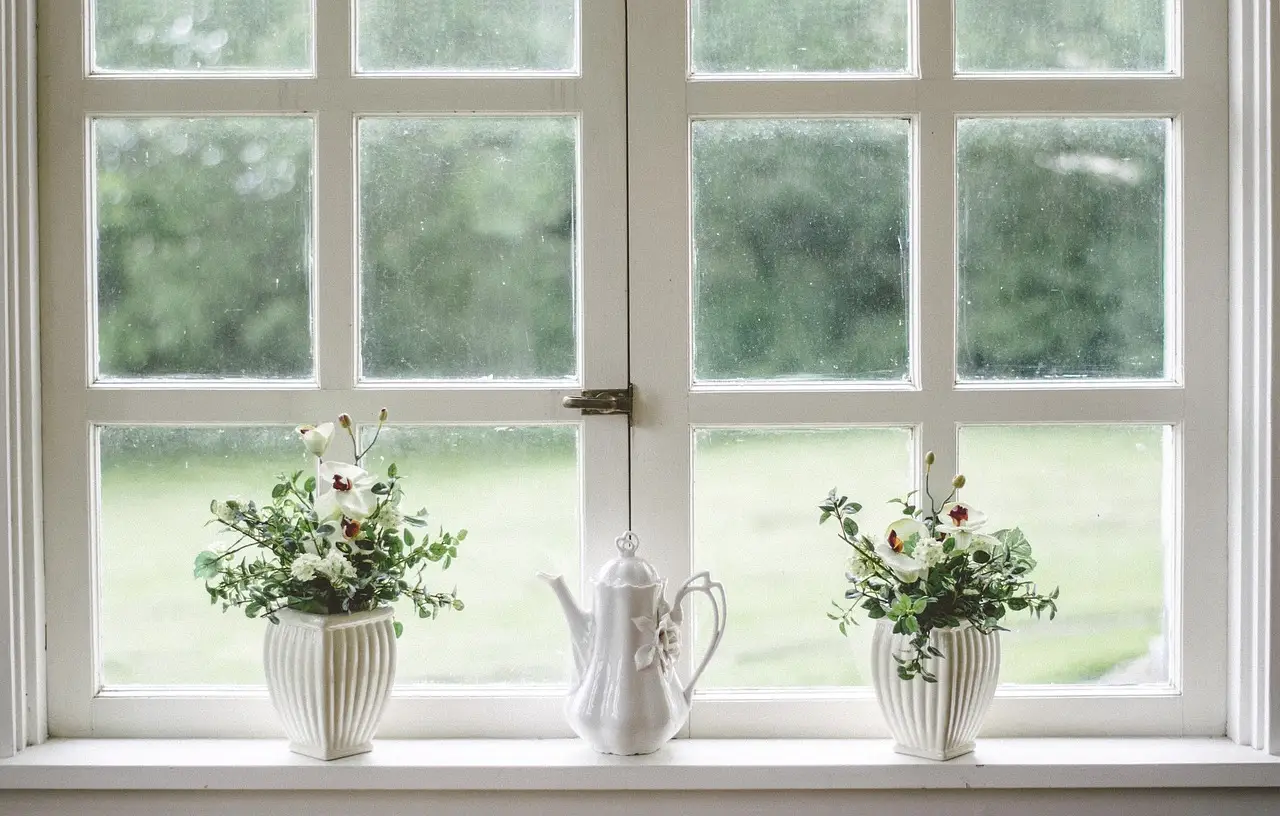
Caulk belongs at stationary joints, not at moving sash edges. Use it where the frame meets the wall, around exterior casing, and at interior trim joints. Austin Historical recommends paintable caulk for old-house gaps, but it also warns not to caulk weep holes.
Where caulk belongs
Use caulk where the gap should stay closed all year. That includes frame-to-wall joints, trim seams, and other fixed cracks that do not need to move when the window opens.
Do not use caulk to seal the meeting rail, side channels, or the bottom edge of a sash if that would interfere with movement.
Paintable interior and exterior options
Choose paintable interior or exterior caulk where the joint will be painted and where the surrounding wood is stable. The key issue is flexibility at a fixed seam, not force at a moving one.
Caulk is useful when the leak is around the window, not through the window. If the sash itself is the problem, start elsewhere.
What not to seal
Never block weep holes or drainage paths. Water has to get out. If you seal every edge, you may trap moisture in the assembly and create rot behind the paint line.
Do not treat caulk as a fix for rotten wood, warped sash parts, or failing glazing. It only seals stable joints.
Storm windows: best for maximum seasonal protection
Storm windows add insulation and rain-and-wind protection while preserving the original sash. They make sense when you want more comfort without replacing the old window or loading the sash with heavy sealing materials. They are often the best upgrade when the main goal is seasonal performance and reversibility.
Interior versus exterior storm windows
Interior storms are useful when exterior work is limited or when you want a seasonal add-on that is easy to remove. Exterior storms add another layer against rain and wind, which can matter more on exposed walls.
Austin Historical notes that exterior storms can use low-profile aluminum or wood. That matters for historic homes where appearance and profile still count.
When storms make more sense than heavy sealing
Choose storms when the sash is serviceable but still leaky, or when you want better comfort without aggressive alteration. They are especially useful when the window needs to stay operable and repairable over time.
Storm windows are not a substitute for rotted wood repair or loose glazing, but they are one of the best add-ons once the basics are sound.
Glazing putty and sash repair: best for loose panes and racked sashes
Loose or missing glazing putty and out-of-square sash frames should be addressed before you seal anything. Austin Historical says linseed oil-based putty is used to re-glaze historic windows. If the sash is loose, reglued, or racked, the window may never seal correctly until the frame is repaired and clamped square.
Loose or missing glazing putty
Cracked, missing, or loose putty lets air and water reach the glass edge. That leaves the pane unsupported and the sash vulnerable to more movement and deterioration.
Re-glazing is a repair, not a cosmetic touch-up. It restores the seal around the glass and helps support the pane in the sash.
Linseed oil-based putty
Linseed oil-based putty is a common historic option because it fits the way older wood sash were originally built and maintained. It is meant to seal the glass and support the pane, not to replace rotten wood or fix warped joinery.
Regluing and clamping out-of-square sashes
WoodRio says to check for rotting wood and loose panes; that same inspection should catch loose joints. If the sash is out of square, regluing and clamping may be needed before any weatherstripping will work well.
A common first-timer mistake is adding weatherstripping to a sash that is already racked. The strip then rubs hard on one side and barely touches on the other.
Window insulation film: best for temporary winter sealing
Interior shrink film is a temporary seasonal air-sealing layer. It can improve comfort, especially on windows that will not be fully repaired before winter, but it works best as a supplement rather than the main fix. It should not block operation or trap you inside a window that needs to open.
When film is a useful supplement
Use film when you need an inexpensive, reversible winter measure and the window is otherwise stable. It can reduce drafts across the glass area and buy time until you can repair the sash, glazing, or paint.
It is especially useful on windows that are not opened during the cold season.
Where film falls short
Film does not fix loose panes, rotted wood, or frame leaks. It also does not replace storm windows when you want longer-term protection from wind and rain.
Do not treat film as a permanent substitute for weatherstripping, caulk, or repair.
How to avoid interference with operation
Keep film clear of hardware and moving parts. If the sash needs regular use, film can become annoying fast, especially on a double-hung window that still needs to open for ventilation or emergency access.
Decision matrix for common old-wood-window problems
This matrix maps the most common problems to the right first fix. It also shows the tool level, durability, and the main risk to operation or historic fabric.
| Problem | Best first fix | Typical tools | Durability | Risk if done wrong |
|---|---|---|---|---|
| Draft at moving sash edges | Bronze spring or silicone/rubber bulb weatherstripping | Measuring tool, snips, fasteners or adhesive depending on product | Medium to long, with upkeep | Binding sash, higher friction, poor closing |
| Gap at frame-to-wall or trim joint | Paintable caulk | Caulk gun, backer rod if needed, putty knife | Medium | Blocking drainage or sealing the wrong joint |
| Loose or missing pane seal | Glazing repair with linseed oil-based putty | Glazing tools, putty knife, points, cleaner | Medium to long | Glass movement, water entry, damaged sash |
| Racked or loose sash joints | Reglue and clamp before sealing | Wood glue, clamps, square, scraper | Depends on repair quality | Seals fail if the sash stays out of square |
| Winter comfort upgrade with stable window | Interior or exterior storm window | Fasteners, measuring tool, trim tools | Medium to long | Added weight, altered appearance, trapped moisture if poorly fit |
| Temporary seasonal draft control | Interior shrink film | Film kit, tape or magnets, scissors | Seasonal | Blocks operation, peels, or looks temporary |
| Rot, soft wood, or failed paint | Repair first, then seal | Probe, scraper, epoxy filler or replacement parts, primer, paint | Depends on moisture control | Trapping decay behind a new seal |
What should I do first if my old wood windows are drafty?
Start by finding the leak, not by buying a generic seal. Check sash edges, frame-to-wall joints, loose panes, the bottom of the sash, and any soft or swollen wood. WoodRio recommends checking for gaps, cracks, rotting wood, loose panes, and deteriorating putty before choosing a fix.
- Open and close the window to feel where resistance and airflow change.
- Inspect the sash edges for movement-related drafts.
- Inspect the trim and wall joints for fixed gaps.
- Look closely at the glazing and pane edges for cracks or missing putty.
- Probe any suspicious wood for softness before sealing.
- Choose weatherstripping, caulk, glazing repair, or restoration based on the failure type.
Lead-safe prep and old paint concerns
Older wood windows often have old paint layers, and disturbance can raise lead-safety concerns. That means scraping, sanding, and repainting should be handled carefully, with containment and safe cleanup practices appropriate to the age of the home.
Which one should you buy?
For drafty double-hung windows, the best first choice is usually bronze spring weatherstripping because it handles sash-edge drafts without permanently closing the window. For a fixed leak at the frame or trim, use paintable caulk. For maximum comfort with minimal alteration, add a storm window. When the sash or glazing is failing, repair first.
For many homeowners, a simple rule works: moving part, use weatherstripping; fixed joint, use caulk; loose glass, use glazing repair; damaged wood, repair first; seasonal comfort only, add film or storms as a supplement.
Best choice for drafty double-hung windows
Bronze spring is the strongest all-around choice when the air leak comes from the meeting rail or sash edges. It gives a better historic fit than bulky foam in many older windows and keeps the sash serviceable.
Best choice for a fixed leak at the frame or trim
Paintable caulk is the right tool when the gap does not move. It belongs at stable joints, not in a sash track or over drainage details.
Best choice for maximum comfort with minimal alteration
Storm windows are often the cleanest upgrade when you want a meaningful insulation boost and still want to keep the original sash visible and usable. Exterior storms with low-profile aluminum or wood are worth considering on historic homes.
Best choice when repair comes first
If the sash is loose, the wood is soft, or the pane is moving, repair the structure first. Glazing putty, regluing, clamping, or wood replacement should happen before any final sealing.
What should I avoid when weatherproofing historic wood windows?
Avoid sealing moving parts, blocking drainage, trapping water, and using materials that make the sash hard to open or service. Weatherproofing should preserve function. If a fix creates drag, hides rot, or prevents future repair, it is the wrong fix for a historic wood window.
Common mistakes to avoid
- Do not caulk moving sash edges.
- Do not block weep holes or other drainage paths.
- Do not use foam or thick adhesive strips where they bind the sash.
- Do not seal over rot, soft wood, or loose joints.
- Do not treat film as a permanent repair.
Say your 36-inch-wide double-hung window still opens but whistles at the meeting rail and the lower sash sticks near the bottom. That usually points to sash-edge weatherstripping plus a sash check, not caulk across the moving parts.
Suppose a corner of the exterior casing has a small gap and the window looks sound otherwise. That is a caulk job, not a weatherstripping job, as long as the gap is fixed and the drainage details stay open.
Frequently asked questions
What is the best weatherproofing method for old wood windows?
The best method depends on the failure type, not on one universal product. Use weatherstripping for movable sash edges, caulk for fixed frame and trim joints, glazing repair for loose panes, and structural repair first if the wood is damaged. That sequence protects function and reduces the chance of trapped moisture.
Should I use weatherstripping or caulk on old wood windows?
Use weatherstripping on moving parts like sash edges, and use caulk on stationary joints such as frame-to-wall seams and trim. If you caulk a moving sash, the window may bind or become hard to service. If you weatherstrip a fixed gap, you may not seal the leak well.
How do I weatherproof old wood windows without damaging them?
Start with inspection, then repair loose panes, soft wood, or out-of-square sashes before adding seals. Choose low-profile, removable or serviceable materials that match the gap size. Avoid blocking drainage, and keep the sash able to open and close normally. Historic windows fail fastest when water gets trapped.
Can I use window film on old wood windows?
Yes, as a temporary seasonal measure. Interior shrink film can reduce winter drafts and improve comfort, especially when the window will stay closed for the season. It works best as a supplement, not a substitute for weatherstripping, caulk, glazing repair, or storm windows.
What type of weatherstripping works best on historic wood windows?
Bronze spring weatherstripping is often the best all-around choice for many historic double-hung windows because it seals moving sash edges without permanently closing the window. Austin Historical also points to silicone or rubber bulb gaskets and felt strips as suitable options when the gap size and sash movement fit the material.
When should old wood windows be repaired instead of sealed?
Repair first when the sash is out of square, the joints are loose, the glazing is failing, or the wood is soft or rotten. Sealing over those problems usually leads to poor operation and moisture problems. Weatherproofing is a finishing step after the structure is sound.
Sponsored / affiliate links. As an Amazon Associate I earn from qualifying purchases. I may earn additional commission from eligible campaigns.