Why Is My Window Cold to the Touch in Winter?
A window feels cold in winter because the glass is losing heat, but a steady draft or visible condensation points to air leakage or humidity, not normal surface chill. Miss that distinction, and you can spend more on heat, keep rooms uncomfortable, and let moisture damage trim or drywall. This guide shows how to tell surface cold from leakage or condensation and what fix to try first.
Cold window diagnosis
Start with three separate questions: Is the glass simply cold, is outside air leaking in, or is moisture condensing on the inside surface? Those are different problems. The right fix depends on which one you have, and a cold pane by itself does not prove a bad window.
Cold glass versus air leaks
Interior glass temperature can sit well below room temperature even when the frame is tight. That is heat transfer, not a draft. Air leakage feels different: you may notice moving air at the sash, trim, or lock points, and the room can feel colder than the thermostat suggests.
Condensation versus normal heat loss
Condensation appears when indoor air hits glass colder than its dew point. Lower indoor moisture and a warmer glass surface lower that risk. A sealed window can still feel cold, while a leaky window can stay dry if indoor air is very dry; that is why you need measurements, not guesswork.
What an infrared thermometer and hygrometer tell you
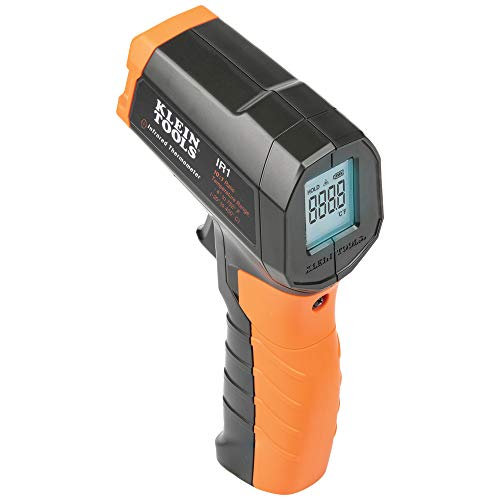
A $40 infrared thermometer can measure surface temperature on glass, and a $20 digital hygrometer can measure indoor RH. Together, they let you compare room air, glass temperature, and moisture level. That combination is the fastest way to tell whether to dehumidify, seal gaps, or replace a failed unit.
Why is my window cold to the touch in winter?

A window feels cold because the inside glass surface is usually colder than the room air near it. If the glass is cold enough, it can pull heat from your skin fast enough to feel chilly even when no air is leaking around the frame. That is common in winter.
How glass surface temperature drops below room air
Glass loses heat to the outdoors more quickly than insulated wall assembly. The interior surface can end up far below the room temperature, especially on the windward side of the house or on a north-facing wall. The colder the surface, the closer it gets to the dew point.
Why single-pane units feel colder
Single-pane windows have higher heat loss and colder interior surfaces than insulated units. Double-pane low-E windows are often reported to feel less cold because low-E coatings help reflect indoor warmth back into the home. Older aluminum-framed double-pane windows can still run cold; at -20 C outside, the interior glass may sit at 2 to 6 C.
When a cold window is normal and when it is not
A cold pane is normal in sustained winter weather, especially on exposed elevations. It is not normal if you also feel moving air, see condensation at the lower sash, or notice damp trim. Those signs point to leakage or excess indoor moisture, not just surface chill.
Why do windows sweat in cold weather?
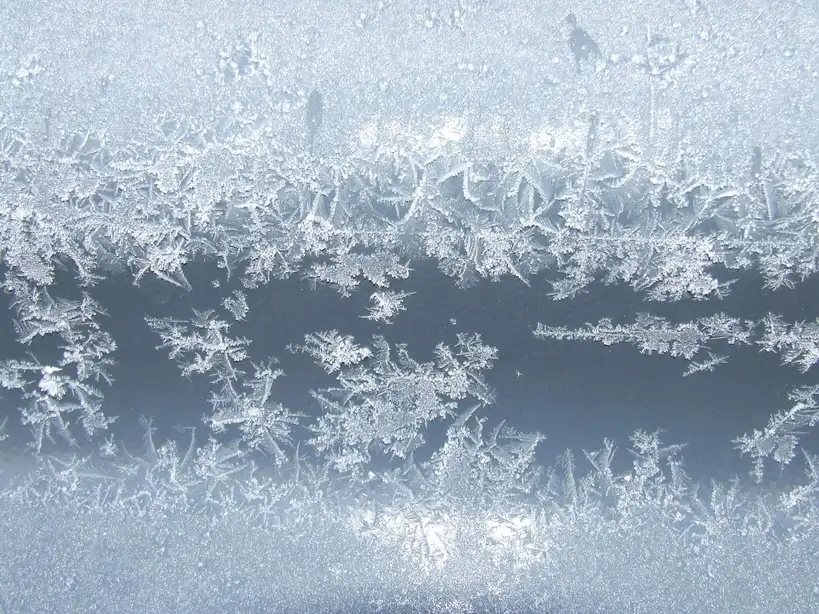
Windows sweat when indoor moisture meets glass that is cold enough to fall below the air’s dew point. That is a humidity and temperature match problem. If you lower indoor RH or warm the glass surface, the risk of fogging and droplets drops with it.
How dew point forms on cold glass
Dew point is the temperature at which moisture condenses. At 21 C and 40 percent RH, dew point is about 7 C. At 21 C and 50 percent RH, it is about 11 C. Every 10 percent humidity increase raises dew point by roughly 2 C, so a small RH change matters.
Winter relative humidity targets
Target indoor relative humidity in winter is 30% to 50%. In very cold weather, indoor RH should drift toward 30%. That lower end matters because colder outdoor temperatures make the inside glass surface colder too, so the margin before condensation gets smaller.
Why lower RH helps in very cold weather
Lower RH lowers dew point, so the glass must get much colder before water forms. In practice, dry winter air can keep a window dry even if it still feels cold to the touch. If humidity is high, the same glass may sweat even without a draft.
Window diagnosis matrix
This matrix helps you separate cold glass, air leakage, and condensation. Use the symptom, then verify it with a hygrometer and, when needed, an infrared thermometer. The best first fix changes by symptom, so do not skip the quick test.
| Symptom | Likely cause | Quick test | Best first fix |
|---|---|---|---|
| Cold glass but no draft | Normal heat loss through the pane, often worse on single-pane or older aluminum-framed units | Measure indoor RH and glass surface temperature; if RH is 30% to 50% and the glass is simply much colder than room air, the window may be performing poorly but not leaking | Reduce RH toward 30% in very cold weather; add an interior storm or plan upgrade if the room still feels cold |
| Draft at trim | Air leak at sash, lock, or frame joints | Move a thin tissue near the perimeter on a windy day; if it flutters, air is entering | Replace worn weather stripping or adjust it to fit, then seal trim and frame gaps |
| Fog between panes | Failed sealed insulated glass unit | Fog stays between the panes and does not wipe off | Replace the IGU, not necessarily the whole frame |
| Water on sill | Condensation from high indoor RH or very cold glass surface | Check if indoor RH is above 50% and whether the lower sash is the wettest spot | Lower RH, run exhaust fans, and dry the sill promptly |
| Mould near lower sash | Repeated condensation and lingering moisture | Look for dark staining, soft paint, or musty odor around the sill and jamb | Fix the moisture source first, then clean and repair damaged wood |
| Wood sill rot | Long-term wetting from condensation or leakage | Probe soft spots with a screwdriver tip; if the wood crumbles, decay has started | Stop water entry, dry the area, and repair or replace rotten wood |
| North-facing room comfort loss | Lower solar gain plus colder exterior exposure | Compare that room to a south-facing room during the same weather | Seal leaks, reduce RH, and consider an interior storm or better-performing window |
| Windy-side window feels cold even with no visible leak | Wind washing and low insulating value | Check surface temperature on the exposed side versus a sheltered side | Add an interior storm, improve weather stripping, or upgrade the window if the unit is old |
What causes moisture on windows in winter?
Moisture on windows in winter usually comes from indoor humidity, a cold glass surface, or both. Bathrooms, kitchens, laundry rooms, and crowded living spaces add vapor. If the air cannot shed that moisture, it lands on the coldest surface nearby, which is often the window.
Humidity sources inside the home
Showers, cooking, drying clothes indoors, and unvented appliances add water vapor. Running bathroom fans for 20 minutes after showers is recommended. Kitchen ventilation matters too, especially when boiling or simmering for long periods. If RH climbs above the winter target, condensation risk rises fast.
Room-by-room exposure and wind effects
North-facing rooms and windward elevations usually have colder glass. Wind washing across the outside of the window can strip away heat faster than sheltered walls do. Suppose two identical bedrooms share the same thermostat, but one faces north and one faces south; the north room can still sweat first because the glass runs colder.
Heat-source placement near windows
Heavy drapes, furniture, or a closed-off supply vent can keep warm air from reaching the glass. That lets the pane stay colder. A common first-timer mistake is moving a couch in front of a window, then assuming the window failed when the real issue is poor air circulation at the glass.
How do I know if cold windows need repair or replacement?
Look for the type of problem before you spend money. Weather stripping and caulk can fix gaps. A failed insulated glass unit may need only the IGU. A very old or badly performing window may justify full replacement if repairs no longer control drafts, condensation, or comfort loss.
Weather stripping and sash gaps
Weather stripping fills gaps at the sash and frame and is often the first-line repair for drafts. If the sash does not close tightly, adjust the lock or replace worn material before moving to bigger fixes. Small air leaks are often cheaper to stop than to live with.
Caulk and sealant at trim joints
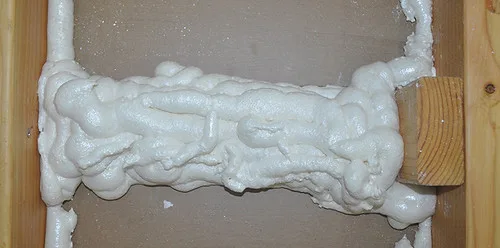
Caulk and sealant close small air leaks at trim and frame joints. They help where the window meets the wall, not where the sash moves. Some products have cold-weather application limits, so check the label before you try to seal an exterior joint in freezing conditions.
Failed IGUs and replacement choices
Fog between panes means the sealed window has failed. The recommended fix for failed insulated glass units is often replacing the IGU, not the whole frame. If the frame is sound and the sash still operates properly, that route can restore performance without a full window replacement.
- Measure indoor RH with a digital hygrometer.
- Measure glass surface temperature with an infrared thermometer.
- Check for moving air at the sash, trim, and lock points.
- Look for fog between panes, not just on the room side of the glass.
- Choose the first fix that matches the symptom.
How do I keep cold out of windows?
Start by reducing indoor moisture, then stop air leaks, then add temporary upgrades if the room still feels cold. Cold glass alone may only need humidity control. Drafts need sealing. Very cold or older windows may need an interior storm panel or a more efficient replacement.
Reduce indoor moisture first
Stay near the 30% to 50% winter RH range, and aim closer to 30% in very cold weather. That can reduce condensation before you touch the window. Use bath and kitchen fans, cover pots when cooking, and vent moisture-heavy activities when possible.
Stop air leaks at the frame
Replace worn weather stripping, then seal trim and frame joints where air can move through fixed gaps. Check the latch and sash fit too. If the room still leaks after those fixes, the problem may be in the frame, the rough opening, or the wall assembly around it.
Add temporary interior upgrades when needed
Interior storm panels, clear shrink film, and tight-fitting inserts can warm the interior glass surface and cut drafts. They are especially useful for old single-pane windows or north-facing rooms. If the sash is sound but the glass is underperforming, a temporary interior layer can buy time.
Picture a 1960s bedroom with a single-pane window on a north wall. The room stays at 21 C, but the pane reads much colder, and the lower sill gets damp on most mornings. In that case, lower RH plus an interior storm is a more logical first move than replacing trim.
In severe winter conditions, condensation at the sill can lead to mould and wood rot if it keeps returning. Dry the surface, correct the humidity, and inspect the painted wood often. Once decay starts, cosmetic paint repairs will not solve the moisture path.
Frequently asked questions
Why are my windows so cold in winter?
Windows are usually colder than walls because glass insulates less than a wall cavity. Older single-pane units and some aluminum-framed double-pane windows lose heat faster, so their inside surfaces feel colder and are more likely to collect condensation.
Sponsored / affiliate links. As an Amazon Associate I earn from qualifying purchases. I may earn additional commission from eligible campaigns.