Insulation vs. Air Sealing: Which Comes First in a House?
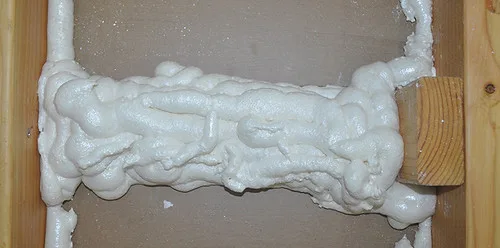
Air sealing should usually come first. It is generally a good idea to stop attic, crawl space, or basement leaks before adding more insulation. If insulation is already in place, seal the accessible leaks first. Skipping that step wastes energy and can leave moisture and comfort problems. This guide shows when to seal first, when insulation can wait, and when to bundle both.
Insulation vs. air sealing: which should you do first?


Air sealing is the first move in most retrofit projects because it stops uncontrolled air movement. Insulation slows heat transfer. If air can still pass through attic bypasses, rim joists, or penetrations, the insulation’s rated R-value will not deliver its full performance.
| Factor | Insulation | air sealing: which should you do first | Winner |
|---|---|---|---|
| Main job | Slows heat transfer; resists conductive heat flow. | Stops uncontrolled air movement; closes holes that let conditioned air escape and outside air enter. | air sealing: which should you do first |
| Best first move in a retrofit | Should come later, after leaks are controlled, unless access blocks sealing right now. | Usually comes first in most homes and retrofit projects. | air sealing: which should you do first |
| Effect on existing leaks | Does not close bypasses; can cover gaps but does not stop airflow through them. | Addresses gaps, penetrations, and leak paths. | air sealing: which should you do first |
| Performance impact | Can underperform if air still moves through the assembly; insulation over unsealed bypasses can perform 30 to 50 percent below rated R-value. | Improves real-world performance by reducing air movement that lowers insulation value. | air sealing: which should you do first |
| When it works best | Works best after sealing, when the thermal layer can do its job without air moving through or around it. | Works best before new insulation goes in, while leak points are still reachable. | air sealing: which should you do first |
| Best fit for one project phase | Best when insulation is already open to add now. | Best when the attic is open and accessible so sealing can happen before insulation. | Tie |
| Access and rework | If done first, later sealing may require pulling back or removing insulation to reach hidden bypasses. | If done first, avoids burying leaks and makes later work easier. | air sealing: which should you do first |
| Budget implications | Doing insulation first can raise labor if insulation must be removed or replaced to reach buried leak points. | Sealing first can avoid a second round of setup and cleanup and avoid rework. | air sealing: which should you do first |
| Best-fit use / project sequencing | Use after the air barrier is addressed; in mixed projects, insulation follows sealing in that same space. | Use first for attic plane leaks; for basement or crawl space projects, rim joists belong in the air-sealing-first strategy for that space. | air sealing: which should you do first |
| Diagnostic clues | Thin coverage or low attic depth points more toward insulation needs. | Drafts, dust movement, and uneven temperatures point more toward leakage and the need to seal first. | Tie |
Main job
Insulation resists conductive heat flow. Air sealing closes the holes that let conditioned air escape and outside air enter. A thick blanket of insulation cannot stop leakage paths on its own.
Best first move in a retrofit
The Nealon page says air sealing should come first in most homes, and that rule fits the physics. Add insulation before sealing, and you can bury the leaks that still need attention. Later work becomes slower, messier, and sometimes more expensive.
Effect on existing leaks
Insulation can cover gaps, but it does not stop airflow through them. In a leaky attic, air bypasses can keep moving through top plates, chases, and recessed light openings even while the insulation looks complete from above.
When it works best
Air sealing works best before new insulation goes in because the leak points are still reachable. Insulation works best after sealing because the thermal layer can do its job without air moving through or around it.
Best fit for one project phase
If the attic is already open and accessible, bundle the two tasks. That gives you one setup, one cleanup, and one insulation pass after the leak points are sealed.
Why air sealing usually comes before insulation
Air sealing usually comes first because air movement lowers the real-world value of insulation. A home can have enough R-value on paper and still lose heat quickly if bypasses, penetrations, and leaks keep moving air through the assembly.
How air leaks reduce effective R-value
Insulation slows heat flow through the material itself, but moving air cuts through its effectiveness. The source notes that insulation installed over unsealed bypasses can perform 30 to 50 percent below rated R-value. That is a large penalty for a problem insulation alone cannot fix.
Stack effect and the attic as a pressure boundary
Stack effect drives warm indoor air upward and out of the top of the house. That escaping air pulls replacement air in from lower levels. Because the attic sits at the top of the pressure boundary, it is often the first place to seal in a whole-house plan. (en.wikipedia.org)
Once attic insulation is blown in or batts are laid down, bypasses can disappear from view. The leak path may still be active under the insulation layer, and later sealing may require pulling back material or removing it altogether.
Where should you air seal before insulating?
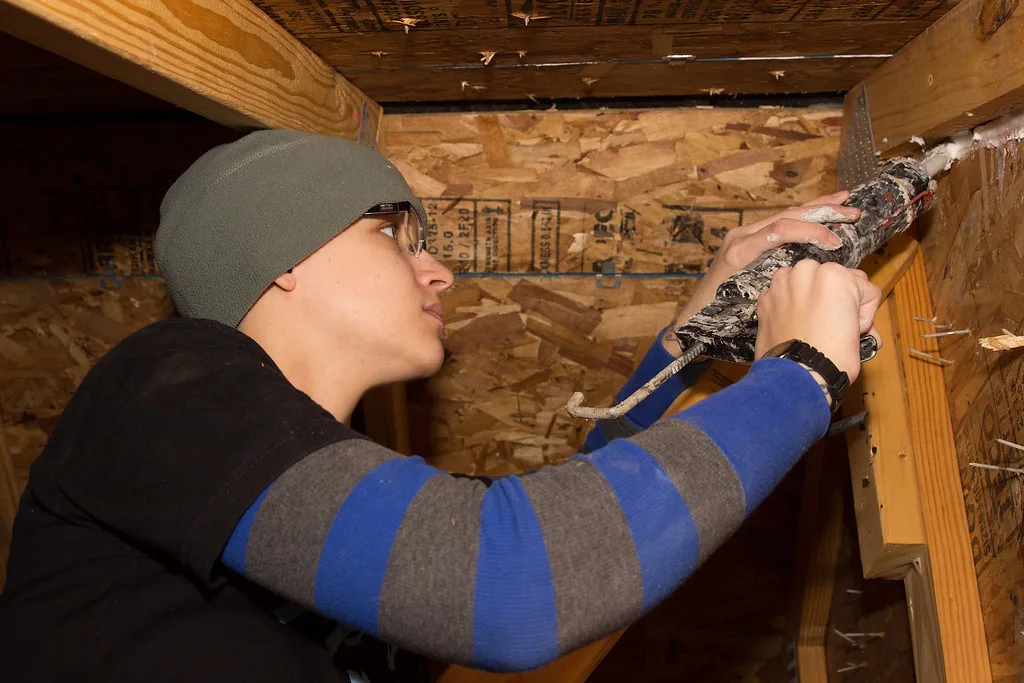
Before you insulate an attic, seal the highest-leverage leak paths in the attic plane first: bypasses, top plates, penetrations, and fixtures that connect conditioned rooms to the attic. In whole-house work, basement and crawl space rim joists matter too, but they are a separate target from the attic plane.
Attic bypasses and top plates
Attic bypasses are gaps and penetrations in the attic plane. Start with open chases, plumbing stacks, wiring holes, drywall intersections at top plates, and any unsealed framing gaps that connect the living area to the attic. These are the places most likely to move a lot of air.
Recessed lights, chases, plumbing, wiring, and flues
Recessed lights can be an attic leakage point and may need special treatment before attic insulation covers them. Chases, plumbing penetrations, wiring holes, and flue clearances also deserve attention because they often create direct pathways from conditioned space to the attic.
Rim joists in basements and crawl spaces
Rim joists belong in the same air-sealing-first strategy, but only for basement or crawl space projects. The Attainable Home page lists crawl space, basement, windows, doors, and ducts as leakage areas, yet the sequencing still depends on the space you are working in. Do not mix attic rules with basement rules.
What happens if you insulate first?
If you insulate first, the leak paths can stay open under or behind the new insulation. That often means the house still leaks air, the insulation underperforms, and later sealing may require disturbing new material to reach the hidden bypasses.
Leak paths can remain open under or behind insulation
Insulation can hide problems without fixing them. In an attic, that means bypasses at top plates, wiring holes, and recessed fixtures may still connect the house to the attic even after the cavity looks filled.
Later sealing may require pulling back or removing insulation
Attic insulation can sometimes be temporarily moved aside if sealing is done later, but that still adds labor. In some cases, especially with blown-in insulation, sealing work becomes harder because the material must be displaced to reach the air barrier.
Budget implications when access is lost
The budget can rise if insulation has to be removed or replaced to reach buried leak points. A combined attic package is listed at $300 to $1,500, averaging $800, while a standalone blower door test is listed at $300 to $500 and a full audit with thermal imaging at $600 to $900. Those numbers show why project order matters.
Say your attic has 10 inches of loose-fill insulation already in place, but can lights and wire chases are still leaking. Sealing first would have been simpler. If you insulate first, the later air-sealing pass may require raking back the insulation around each opening.
How do you know whether your home needs air sealing or insulation?
Look for the symptom pattern, not just the thermostat setting. Drafts, dust movement, and uneven temperatures often point to air leakage, while thin coverage or low attic depth points more toward insulation. A blower door test and energy audit can sort out the order when the diagnosis is not obvious.
Signs from comfort, dust, and uneven temperatures
Rooms that feel drafty near floors, outlets, recessed lights, or knee walls often point to leakage. Dust streaks near ceiling penetrations, uneven room temperatures, and rooms that swing warmer or colder than the rest of the house also suggest air movement rather than simple heat loss through the assembly.
What a blower door test shows
A blower door test creates a pressure difference that can help reveal crack and leak locations. It is often part of an energy audit and can show whether the priority is attic bypasses, basement leaks, duct leakage, or a mix of problems. The test is listed at $300 to $500 as a standalone service.
How an energy audit helps set priority
An audit with thermal imaging can help separate insulation gaps from leakage paths. That matters because a home with enough insulation in some areas may still need sealing first, while another home may need targeted insulation after the worst bypasses are closed.
One-page sequencing checklist: three project paths
Use this checklist to decide whether to seal first, insulate first, or bundle both. The right answer depends on access, what is already installed, and whether the same area can be reached once without rework.
| Project path | Priority leak locations | Seal now vs. schedule later | Budget note |
|---|---|---|---|
| Attic open and accessible | Top plates, attic bypasses, recessed lights, chases, plumbing and wiring penetrations, flues | Seal now, then insulate the same visit or same project phase | Best case for bundling; avoids a second round of setup and cleanup |
| Attic already insulated | Same attic-plane leaks, but start with the most accessible openings | Seal accessible leaks now; schedule deeper sealing before adding more insulation | Allow for moving or removing insulation if buried bypasses must be reached |
| Mixed-project home | Attic plane first, then rim joists in basement or crawl space, then other leakage areas | Seal each space before insulating that space; do not mix sequencing between areas | Budget separately for attic work and for basement or crawl space access |
- Confirm which space is open.
- Rank leak points in that space.
- Seal the most important bypasses first.
- Insulate only after the leakage paths are controlled.
- Plan removal or replacement if insulation blocks access.
Choose air sealing first if… / choose insulation first if…
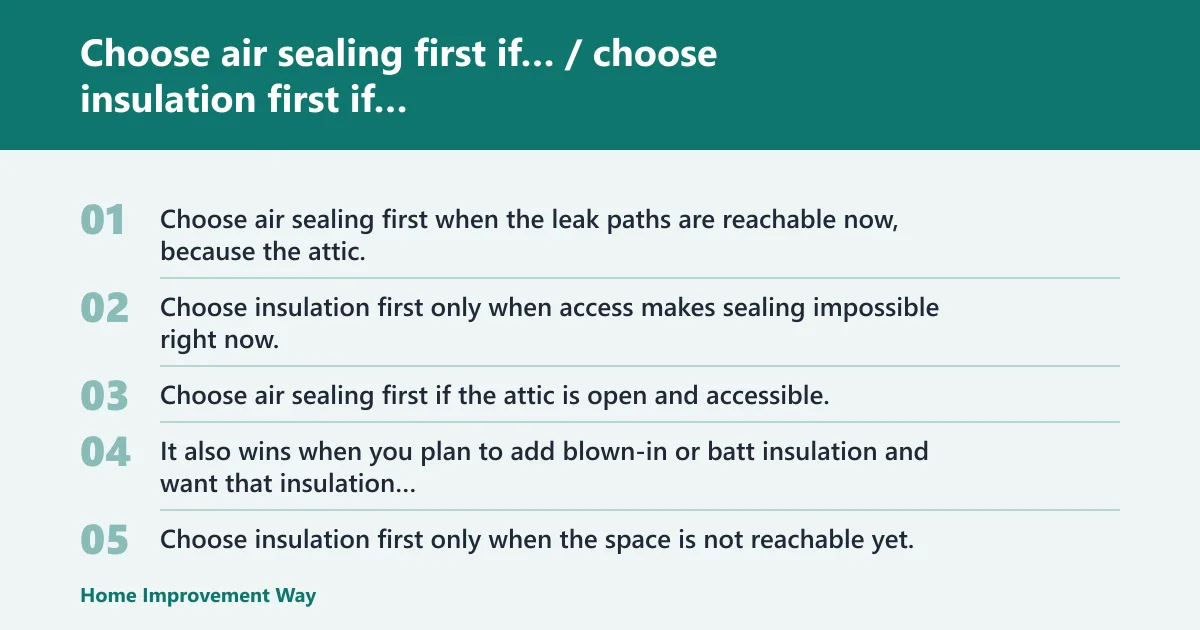
Choose air sealing first when the leak paths are reachable now, because the attic, rim joist, or other assembly will perform better only after the uncontrolled air movement is reduced. Choose insulation first only when access makes sealing impossible right now, or when existing insulation must stay in place until a later phase.
Choose air sealing first if…
Choose air sealing first if the attic is open and accessible, if you see bypasses around recessed lights or chases, or if a blower door test shows major leakage. It also wins when you plan to add blown-in or batt insulation and want that insulation to do its full job.
Choose insulation first if…
Choose insulation first only when the space is not reachable yet, or when the current insulation must remain until a later contractor visit. In that case, insulation is a temporary or partial step, not the final sequence for the area.
Choose both in the same project phase if…
Choose both together if the attic is already open and you can seal and insulate before closing the work area. That is the cleanest sequencing for most homeowners because the same labor setup handles both tasks once.
When to schedule insulation removal or replacement
Schedule removal or replacement when buried bypasses cannot be sealed from below or around existing insulation. That is most likely when the attic already has thick blown-in fill, when recessed lights need special treatment, or when the cost of later access would erase the savings from doing insulation first.
Do air sealing and insulation work better together?
Yes. Air sealing and insulation work best as a pair because sealing reduces air movement and insulation then slows heat transfer more effectively. The combined attic package is often the most efficient project format when the attic is already open and accessible.
Why the pair outperforms either upgrade alone
Air sealing stops the leaks that rob insulation of performance. Insulation then lowers heat flow through the assembly instead of sitting over active bypasses. That order is why the combination usually outperforms an insulation-only upgrade.
When bundling is the smart choice
Bundle both when one contractor visit or one DIY phase can reach the same attic area only once. That is especially true for open attics, where sealing top plates, penetrations, and fixtures before adding new insulation avoids later teardown.
Frequently asked questions
Should you air seal before adding insulation?
Yes, in most homes you should air seal before adding insulation. Sealing first closes the leak paths that let air bypass the insulation layer. That order helps the insulation work closer to its rated R-value and reduces the chance that you will need to disturb new material later.
Can you insulate without air sealing first?
You can, but only when access forces that choice or when the insulation must stay in place for now. It is a weaker sequence because hidden bypasses remain open. If you skip sealing, the new insulation may still underperform and drafts may continue.
Where should you air seal before insulating an attic?
Start at the attic plane: top plates, attic bypasses, recessed lights, plumbing penetrations, wiring holes, chases, and flues. These are the highest-priority leak points because they connect conditioned space directly to the attic. Then insulate after those openings are sealed.
How do you know if your home needs air sealing or insulation?
Look at the symptoms and the inspection results together. Drafts, dust, and uneven temperatures point to air sealing. Thin or missing coverage points to insulation. A blower door test and an energy audit help separate the two and decide which comes first.
Is it worth doing air sealing and insulation in the same project?
Usually yes, if the attic or other target area is already open and accessible. That lets you seal the leak points and then insulate without a second round of access work. It is especially sensible when the same space would be hard to reopen later.
Sponsored / affiliate links. As an Amazon Associate I earn from qualifying purchases. I may earn additional commission from eligible campaigns.