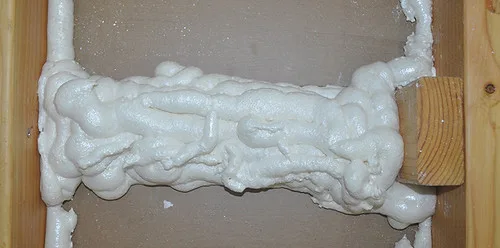
Dense-Pack Cellulose vs. Foam Injection for Closed Walls
Dense-pack cellulose is usually the lower-cost choice for closed-wall retrofits when you want more insulation and better sound control; foam injection for closed walls costs more, but it is the stronger option when air leakage is the main problem and the cavity suits foam. Poor fill leaves voids, moisture problems, and little comfort gain. This guide compares cost, air sealing, R-values, wall conditions, and red flags that change the choice.
| Decision factor | Dense-pack cellulose | foam injection for closed walls | Winner |
|---|---|---|---|
| Upfront installed cost | Commonly about $1.50 to $2.50 per square foot for wall jobs. | Usually higher than cellulose because material and setup costs are greater. | Dense-pack cellulose |
| Air sealing | Improves comfort when packed tightly, but it is still mainly an insulation fill. | Better fit when the main goal is stronger air sealing at the cavity level. | foam injection for closed walls |
| Moisture tolerance | Needs dry, hollow cavities and is not for wet framing. | Also needs a sound, dry wall; it does not fix bulk water intrusion. | Tie |
| Retrofit access | Works through small drilled holes, then patched afterward. | Also uses drilled access, but fill behavior and compatibility must match the assembly. | Tie |
| Thermal fill in a standard 2×4 wall | Can reach near R-13 in a 3.5-inch cavity when installed at the right density. | Can provide similar cavity fill, but the final result depends on the foam type and cavity conditions. | Tie |
Cost
Dense-pack cellulose usually costs less because the material is cheap and the method is straightforward. Foam injection for closed walls usually costs more because the product itself is costlier and the job often needs tighter access and more careful fill control.
Labor and patching change the total on both options. A wall with many small bays, hard plaster, or several blocked sections takes longer no matter which material you choose.
Air sealing
Foam injection for closed walls wins when leakage control is the main target. Its expansion behavior is why people pay more for it, especially in assemblies where bypasses around the cavity matter more than simple R-value.
Dense-pack cellulose can still cut drafts, especially when it is installed at the correct density. But it should be treated as a packed insulation fill, not a cure for major air leaks, rim bypasses, or other openings that should be sealed separately.
Moisture and cavity condition
Neither method belongs in a wet wall. Dense-pack cellulose needs dry, hollow cavities, and foam injection for closed walls also needs a sound assembly that is free of active leaks and bulk water.
Suppose a plaster wall feels cold and drafty, but a ceiling stain shows an active roof leak above that bay. The insulation choice comes second; the leak has to be fixed first or the retrofit can trap a problem in the wall.
How dense-pack cellulose performs in walls
Dense-pack cellulose is borate-treated recycled paper fiber installed in closed wall cavities through small holes. It is typically installed at about 3.25 to 4.0 pounds per cubic foot, and dense-pack wall work is commonly described at about 3.5 pounds per cubic foot.
That density matters because a wall cavity packed hard resists internal air movement. Cellulose is typically rated near R-3.5 to R-3.8 per inch, and a 3.5-inch 2×4 cavity can end up near R-13 when the cavity is fully filled.
What underfill changes
An underfilled bay is not just a little weaker. Voids leave channels for air movement inside the wall, which lowers comfort and cuts the expected thermal result. That is why bag count, cavity volume, and refusal pressure matter on the job.
Horizontal blocking makes this more complicated. A blocked stud bay becomes two pockets, so the crew may need separate holes above and below the block to reach full fill.
How foam injection differs in closed cavities
Foam injection for closed walls is chosen when the air-sealing result matters more than a simple packed fill. Its expansion behavior can help close smaller bypasses inside the cavity better than loose or underpacked material.
That does not make foam a fix for wet framing or active water entry. It still needs the right cavity, the right access, and a wall that is compatible with the material being injected.
Why fill verification still matters
Closed cavities hide mistakes. A foam job that does not fill a blocked or irregular bay completely can leave hidden gaps, just as an underfilled cellulose bay can. The access method must let the installer confirm fill, not guess at it.
A common first-timer mistake is assuming foam automatically solves every older-wall problem. It does not. If the wall has moisture damage, hidden leakage, or broken masonry joints, those conditions need separate repair.
When is dense-pack cellulose the better pick?
Dense-pack cellulose is the better pick for dry, hollow cavities where dependable thermal fill matters more than maximum air sealing. It also makes sense when the job needs a simpler retrofit through small holes and a lower installed cost.
It is a strong choice for many finished walls in older homes, especially when the cavity is open enough to fill cleanly and the owner wants a good performance gain without paying for a more specialized material.
When is foam injection worth the extra cost?
Foam injection for closed walls is worth the extra cost when air leakage is the main problem and the wall assembly is a good candidate for the material. It is also the better choice when the cavity geometry calls for a different fill behavior than packed fiber can provide.
Use it for a wall that has persistent draft complaints and a known need for tighter air control, but only after confirming that the cavity is dry and sound. Foam is not a drying strategy and it does not correct bulk water intrusion.
Painted surfaces from before 1978 generally call for lead-safe work practices before a drilled wall insulation job. Drilling into painted walls is commonly treated as renovation, so containment and HEPA cleanup may be required whether the cavity is filled with cellulose or foam.
Horizontal blocking can be another hidden condition that changes the plan. It can split a stud bay into separate pockets, increase the number of holes, raise labor time, and create a bigger chance of incomplete fill if the crew does not map the cavity first.
Drill-and-fill basics
- Map the wall and look for blocking or other cavity breaks.
- Drill small holes through drywall, plaster, or mortar joints as the assembly allows.
- Insert the fill tube to the bottom of the bay.
- Fill the cavity to the specified density or expansion target.
- Plug the holes and patch the finish surface afterward.
Closed-wall decision checklist
Use this quick check before you choose either material. If any answer is no, pause the job and solve the wall problem first.
| Check | Yes or no |
|---|---|
| Is the wall dry with no active leak, stain growth, or soft framing? | Yes |
| Has the cavity been mapped for blocking, fire stops, or split bays? | Yes |
| Is the wall accessible for drilled holes and later patching? | Yes |
| Were pre-1978 painted surfaces handled with lead-safe work practices? | Yes |
| Is the goal thermal fill, air sealing, or both? | Yes |
If the wall is damp, leaking, or unknown inside, neither option is ready yet. If the cavity is dry and mapped, the choice comes down to budget, air sealing priority, and how the wall is built.
Choose Dense-pack cellulose if… / Choose foam injection for closed walls if…
Choose Dense-pack cellulose if the wall is dry, the bays are open enough to pack fully, the budget matters, and the main goal is dependable added R-value with some draft reduction. It also fits many standard plaster or drywall retrofits where small holes and easy patching are part of the plan.
Choose foam injection for closed walls if air leakage is the main complaint, the cavity is compatible with foam, and the extra cost is justified by the air-sealing goal. It is also the better pick when the wall geometry makes foam the more practical fill method.
Say your home has a finished 2×4 plaster wall on an upper floor, the cavities are dry, and the complaint is winter chill rather than obvious leaks. Dense-pack cellulose is usually the cleaner fit because the wall gets a solid thermal upgrade without paying for a more expensive air-sealing material you may not need.
Suppose a block-filled bay sits behind a cold exterior wall and the cavity is split by horizontal blocking. Foam injection for closed walls may be the better fit if the installer can confirm complete fill and the air-sealing goal justifies the higher cost. If the bay cannot be verified, the job should be reconsidered before any holes are drilled.

Frequently asked questions
Dense-pack cellulose vs spray foam: which is better for closed walls?
Dense-pack cellulose is often a good choice when lower cost, good cavity fill, and a simpler retrofit are the main goals. Foam injection for closed walls is better when air sealing is the main goal and the wall assembly is suitable for foam. The right answer depends on the wall, not the label.
Can dense-pack cellulose be installed without opening drywall?
Yes. Dense-pack cellulose can be installed with drill-and-fill methods through small holes in drywall or plaster, and the holes are typically plugged and patched afterward. Full demolition is not usually needed, but the cavity still has to be mapped so the fill reaches the whole bay.
How much R-value does dense-pack cellulose provide in a 2×4 wall?
Cellulose is typically rated near R-3.5 to R-3.8 per inch. In a 3.5-inch 2×4 cavity, a dense-pack wall can end up near R-13 when it is fully packed to the target density. Underfill lowers that result.
When is foam injection the wrong choice for an existing wall cavity?
It is the wrong choice when the wall is damp, has active bulk water intrusion, or has unknown hidden damage that has not been corrected. It is also a poor fit when the cavity cannot be verified for complete fill or when the wall needs moisture repair first.
Do closed-wall insulation jobs need lead-safe practices in older homes?
Yes. If the painted surface is pre-1978, drilling into it counts as renovation and lead-safe work practices may be required. That applies to both dense-pack cellulose and foam injection for closed walls, because the risk comes from the drilled painted surface, not the insulation material.
What happens if there is horizontal blocking inside the wall?
Horizontal blocking splits a stud bay into separate pockets. The installer may need extra drill points above and below the block, which adds labor and increases the chance of leaving a hidden void if the cavity is not mapped first.
Sponsored / affiliate links. As an Amazon Associate I earn from qualifying purchases. I may earn additional commission from eligible campaigns.