How to Open a Window That Is Frozen Shut
This guide is part of our Winter Weatherproofing: How to Draft-Proof Your Home series.
First, identify why the sash will not move: it may be ice, paint, swollen wood, or a broken part. Then use the least forceful fix, beginning with gentle thawing or heat and stopping if the sash resists. Forcing the sash can crack glass, tear weather stripping, bend the frame, or break balances and locks. This guide shows how to diagnose the cause, thaw a frozen sash, free a painted-shut window, and handle mechanical jams without damaging the window. For related maintenance, see weather stripping replacement, condensation reduction, window balance repair, lead paint safety, and when to replace a window.
What you’ll need


- Gloves with a firm grip
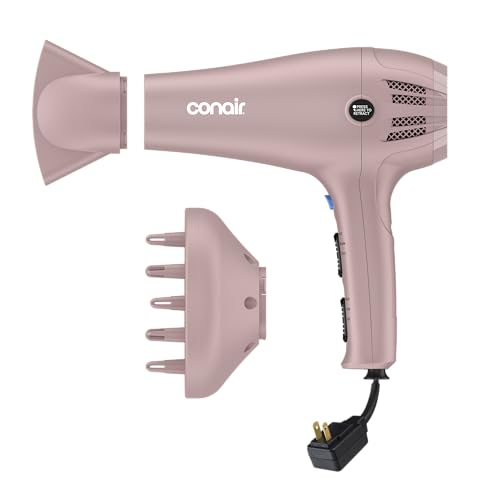
- Hair dryer with low and medium heat settings
- Putty knife with a stiff blade
- Utility knife with a fresh, sharp blade
- Rubbing alcohol solution mixed with water
- Silicone spray lubricant
- Clean towel or absorbent cloth
- Eye protection if paint is brittle or the window has damaged edges
📊 wikiHow frames the topic as "3 Ways to Open a Stuck Window.". Source: 3 Ways to Open a Stuck Window.
Frozen window troubleshooting table
| Window type | Symptom | Likely cause | Safest first fix | When to stop and call a pro |
|---|---|---|---|---|
| Double-hung | Paint bridges the sash and frame | Paint seal, common in older homes | Score the full perimeter with a utility knife, then separate with a putty knife | If the home may have lead paint, or the sash still will not move after cutting all four sides |
| Sliding | White frost or hard ice at the sill, corners, or tracks | Frozen moisture from condensation or melt-refreeze cycles | Dry the area, then warm it with a hair dryer on low or medium heat | If glass is cracked, the pane is single-pane and brittle, or the window is high off the ground |
| Wood | Sash feels stuck in one spot and the frame looks tight or swollen | Swollen wood, warped frame, or weather stripping that is binding | Thaw and dry first, then try dry silicone lubricant after the ice loosens | If the frame is visibly warped or the sash still binds hard after lubrication |
| Casement | Handle turns, but the sash will not budge | Failed hardware, jammed balance, broken lock, or seized shootbolts or hinges | Inspect the locks, hinges, and tracks, then test for obstruction without forcing the sash | If a balance is broken, a lock is damaged, the sash drops, or the crank strips under light pressure |
| Vinyl/uPVC | Handle turns, but the sash will not budge | Failed hardware, jammed balance, broken lock, or seized uPVC gearbox or shootbolts | Inspect the locks and tracks, then test for obstruction without forcing the sash | If the gearbox slips, the shootbolts do not retract, or the sash tilts unevenly after release |
How do you open a window that is frozen shut?

Start by thawing the joint, not prying it open. Frozen moisture and ice usually bind the sash at the seam, corners, or tracks, so dry the area and loosen the bond before you touch the joint. Gentle pressure is fine after thawing; hard force is not. EPA guidance on lead-based paint also advises using caution around painted surfaces in homes built before 1978 and avoiding dry scraping and sanding that can create dust; if you suspect lead paint, stop and follow lead-safe work practices before cutting or separating the joint. EPA
- Clear loose snow, condensation, and standing water from the sill and tracks with a towel.
- Warm the frozen edge with a hair dryer on low or medium heat, keeping it moving so one spot does not overheat.
- Spray a rubbing alcohol solution on the seam or track if the ice stays locked.
- Slide a putty knife or utility knife into the joint only after the ice softens.
- Test the sash with gentle pressure, then stop if it binds hard again.
Say your double-hung window is iced at the lower sash corners. A 10-minute thaw at the perimeter is better than a hard shove at the center rail, because the center rail often moves only after the corners release. When ice is the problem, the resistance usually feels hard but springy and crunches slightly as it starts to give; paint feels more like a rigid glue line that does not flex; swollen wood feels tight and fibrous, with drag along the full edge rather than a single frozen point.
What should I use to thaw a frozen window safely?
A hair dryer on low or medium heat is often the safest first tool for many frozen windows, followed by a rubbing alcohol solution for stubborn ice. Keep the dryer moving and away from standing water. Do not aim high heat at cracked glass or use any electric tool where meltwater can pool.
If the ice is gone but the sash still sticks, a silicone spray lubricant can help on tracks, edges, and channels. This Old House recommends silicone spray or dry lubricant rather than oil-based products for sticky window parts because oils can attract grit and make the problem worse over time. Dry silicone is also the better choice for swollen wood windows. This Old House also notes that lubrication can help only after the binding surface is clean and free of ice. (Thisoldhouse)
How do you open a painted-shut window?
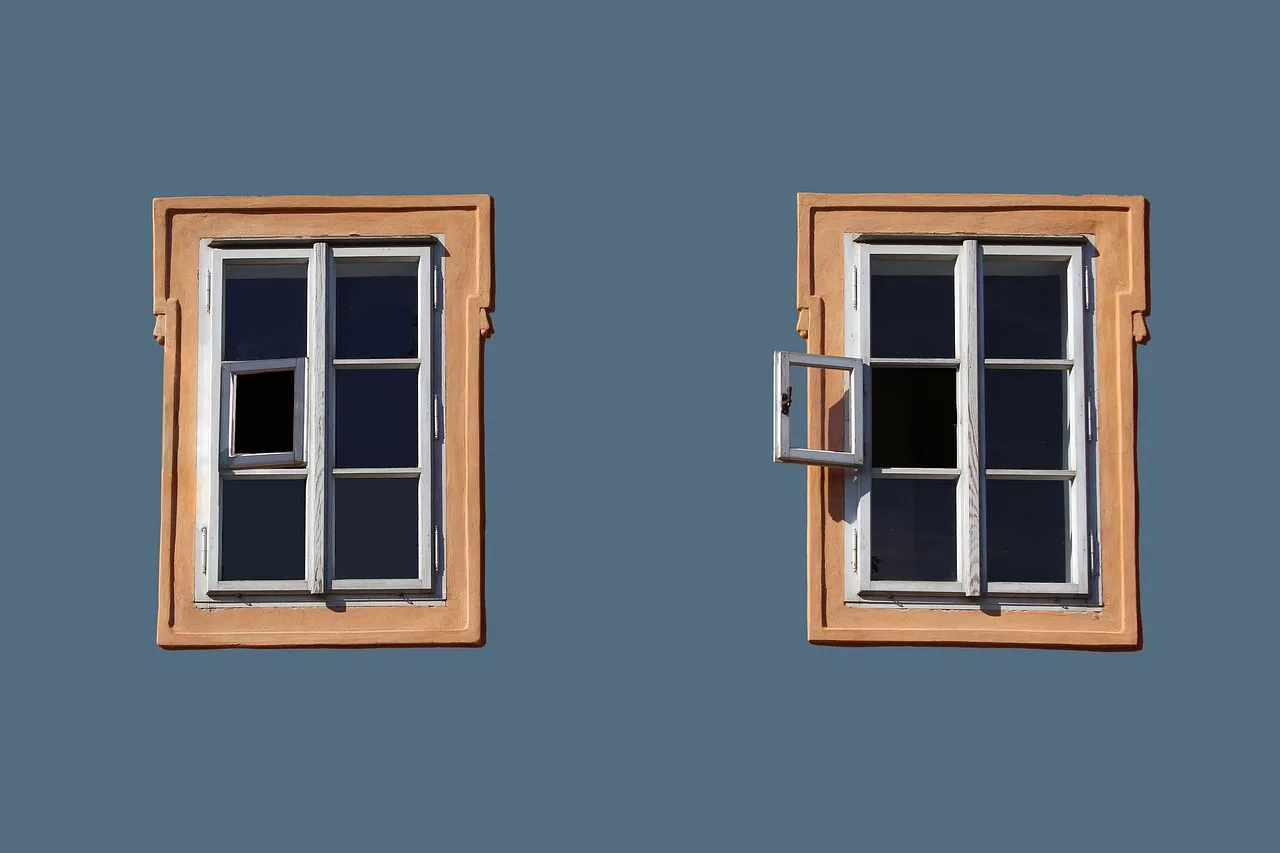
Cut the paint before you try to move the sash. Painted joints fail differently from ice: the sash is glued to the frame by dried paint, so heat alone usually will not free it. If the home may have lead paint, treat the surface with extra caution and avoid aggressive scraping. EPA lead guidance recommends using lead-safe methods, containing dust, and not dry-sanding or dry-scraping painted surfaces that may contain lead. EPA
- Run a utility knife with a fresh, sharp blade along the full perimeter of the sash.
- Use a putty knife to separate the paint bridge without digging into the glass.
- Work in small increments and test the sash after each cut.
- Inspect weather stripping once the sash moves, because old paint often hides damaged or missing strips.
WikiHow recommends cutting paint along all four sides of the window. This Old House also identifies paint buildup as a common culprit in older homes, and warns that a pry bar can damage the sash or glass. Use the knife and putty knife first. If the blade stops abruptly on all edges and the sash will not move after the paint line is fully cut, that is a sign of a deeper hardware or swelling issue rather than a paint-only bond.
How do you open a wooden window that is stuck closed?
Wood windows often stick because paint, moisture, and seasonal swelling all act at once. Start with the seam, not the frame edge. If the sash is swollen from humidity, a dry silicone lubricant can help after the joint is freed; if the blockage is paint, cut that seal first. A swollen wood sash usually feels uniformly tight along the stile or rail, while ice tends to lock the corners or sill more sharply.
For older wood windows, keep the blade flat and work the full perimeter. A stiff 4- or 6-inch-wide putty knife is the right size for most seams, and a utility knife should cut the paint line before the putty knife goes in. If the sash still will not move, stop and inspect the balance or hardware.
How do you close a window that is frozen open?
Thaw the frozen edge before you push the sash shut. A window stuck open usually binds at the tracks, corners, or weather stripping, and forcing it closed can bend hardware or tear the seal. Dry the contact points first, then close with even pressure once the ice releases. If the window is a casement or uPVC unit and the handle turns without movement, stop if the lock or gearbox feels gritty, skips, or suddenly loosens; those are hardware failure signs, not thawing problems.
- Remove frost and meltwater from the sill, tracks, and lower edge.
- Apply low or medium heat to the frozen area while keeping the dryer moving.
- Use a rubbing alcohol solution on stubborn ice around the corners or channels.
- Press the sash closed evenly, then latch it without slamming.
Picture a sliding window with ice in the lower channel and a loose weather strip at one end. The strip may keep the sash from seating squarely, so the first fix is thawing and drying, not forcing the lock.
Why do windows freeze shut in winter?
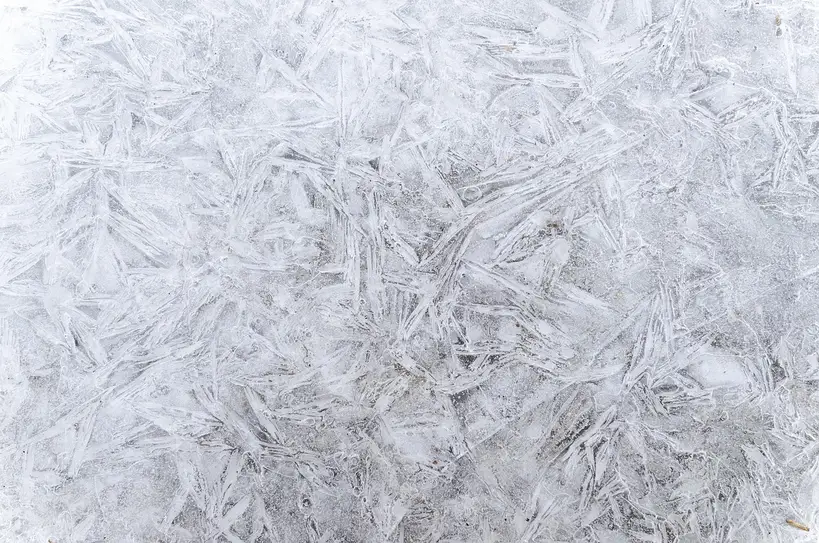
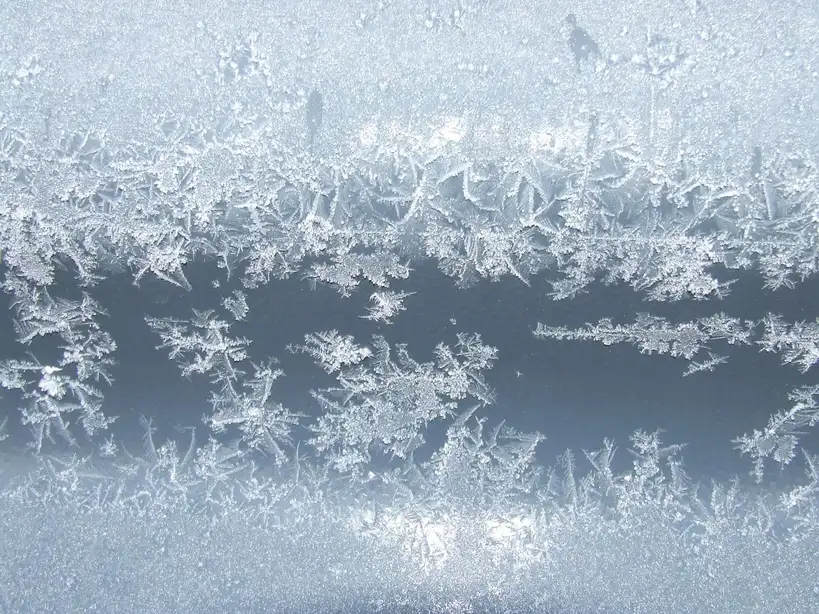
Windows can freeze shut when moisture gets into cold seams and then refreezes at the sash, frame, corners, or tracks. Condensation inside the home, meltwater from snow, and air leaks all feed that cycle. Wood can swell, weather stripping can hold water, and metal tracks can trap ice. EPA energy guidance also notes that reducing air leaks and managing indoor moisture helps limit condensation on cold surfaces, which reduces the freeze cycle that can lock a window in place. Energy Saver
Different window types fail in different ways. Double-hung windows often bind at the sash rails and meeting rail. Casement windows can seize at the hinges or locking points. Sliding windows freeze in the tracks. uPVC windows can also seize when the gearbox or shootbolts jam.
When should I call a pro for a frozen window?
Call a pro when the glass is cracked, the frame is badly warped, the sash is high off the ground, or the window will not move after thawing and careful cutting. Broken balances, damaged locks, and jammed uPVC gearboxes also need repair, not more force. Every habitable room needs at least one operable window for emergency egress, so if the unit is part of your required escape route and it will not open, do not keep working it harder.
If the window is single-pane or the glazing feels loose, stop before applying more heat. If the sash drops unevenly or tilts after release, the balance or hardware may be failing. That is a repair job, not a thawing job. Bent arms, stripped gears, snapped cords, or a sudden drop when the sash is released are all classic failure scenarios that point to mechanical repair rather than a simple freeze.
How do you fix a window that keeps freezing?
Dry the frame and tracks after the window opens, then apply silicone spray lubricant after the ice is gone. Check weather stripping for damage, gaps, or missing sections, because air leaks and worn seals let moist indoor air reach cold surfaces and freeze again. Reduce condensation so the cycle does not repeat. For related maintenance, see weather stripping replacement and condensation reduction.
- Wipe the sash, frame, and tracks completely dry.
- Apply a light silicone spray to the tracks, edges, and channels.
- Replace damaged weather stripping or missing sections.
- Reduce indoor humidity and seal obvious air leaks near the window.
A practical prevention step is to keep condensation from building up in the first place. If bedroom or bathroom humidity is high, vent it out before it reaches the cold glass and trim.
Common mistakes
Do not pry against the glass or frame with a bar or screwdriver. Do not use high heat or leave a hair dryer aimed at one spot. Do not work on standing water near an electric tool. Do not keep forcing the sash after it starts to resist again.
Do not skip the paint test on older windows. Lead paint changes the removal approach, and a rough scrape can spread dust where it should not go. If the joint still will not open after cutting all four sides, stop and reassess the hardware instead of increasing force.
Frequently asked questions
How do I open a window that is stuck shut?
Identify the cause first: paint, ice, swollen wood, or broken hardware. Cut paint along the sash perimeter with a utility knife, or thaw ice with low heat and rubbing alcohol before you touch the seam. If the sash still binds hard, stop and check the locks, tracks, and balance.
How do I unfreeze a window without breaking it?
Use low or medium heat, keep the dryer moving, and dry standing water before you begin. Add a rubbing alcohol solution if the ice stays firm, then test with gentle pressure after thawing. Skip pry bars and stop if the glass is cracked or the sash resists again.
Sources
- EPA: Protect Your Family from Exposures to Lead
- Energy Saver: Condensation
- This Old House: Opening Jammed Windows
- wikiHow: 3 Ways to Open a Stuck Window
Sponsored / affiliate links. As an Amazon Associate I earn from qualifying purchases. I may earn additional commission from eligible campaigns.