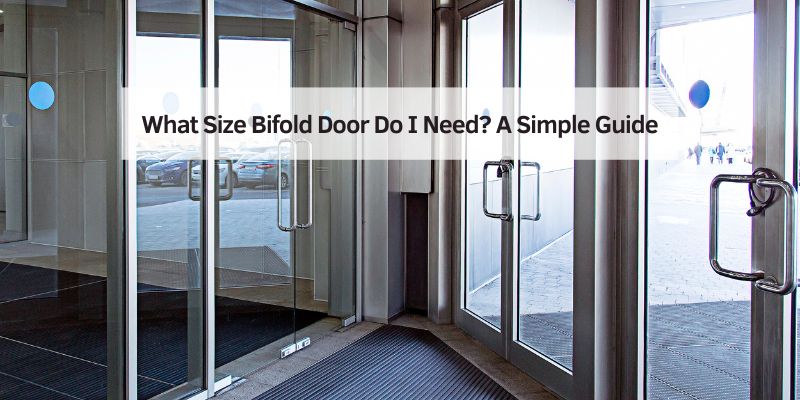
What Size Bifold Door Do I Need? A Simple Guide
I’ll never forget my first bifold door project. I was so excited to spruce up my closet with a sleek bifold door, but I measured wrong and ended up with a door that didn’t fit. Talk about a rookie mistake! Don’t worry, I’ve learned a lot since then, and I’m here to help you figure out what size bifold door do you need without any hiccups. This guide is for everyone—beginners, home improvement buffs, or even pros looking for a refresher. We’ll cover what bifold doors are, how to measure your space, standard and custom sizes, and some handy tips from my own projects. By the end, you’ll be ready to pick the perfect bifold door for your home, whether it’s for a closet, pantry, or patio. Let’s make this fun and easy!
What Are Bifold Doors?
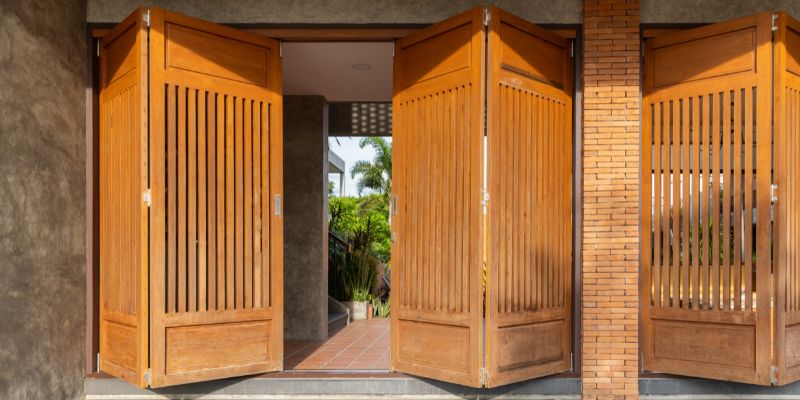
Bifold doors are cool because they fold in half when you open them, like an accordion. They’re great for tight spaces where a regular door would get in the way. You’ll see them in closets, pantries, or even as patio doors to let in tons of light. They slide along a track and have panels that fold together, saving space and looking stylish. I love how they make small rooms feel bigger!
Why Bifold Doors Are Awesome
Bifold doors aren’t just practical; they’re a game-changer for your home. Here’s why:
- Space savers: They don’t swing out, so they’re perfect for small rooms.
- Let in light: Glass-panel bifolds make rooms feel bright and open.
- Easy to use: Just pull, and they fold up smoothly.
But there’s a catch—getting the size right is super important. A door that’s too big or too small can be a headache to install. Let’s dive into how to measure properly.
How to Measure for Bifold Doors
Measuring for bifold doors is easier than it sounds. My first attempt was a mess because I didn’t measure three times, but now it’s a piece of cake! Follow these steps to get it right.
Step-by-Step Measuring Guide
Here’s how to measure your door opening like a pro:
- Grab your tools: You’ll need a tape measure, pencil, paper, and a spirit level.
- Measure the width: Measure the opening at the top, middle, and bottom. Write down the smallest number.
- Measure the height: Check the height on the left, right, and middle. Use the smallest number.
- Check the depth: Measure how much space you have for the door to fold back. This affects panel size.
- Subtract for fit: Take off ½ inch from the width and 1 inch from the height for fitting tolerance.
This “fitting tolerance” just means the door is a bit smaller than the opening so it moves smoothly. For example, if your opening is 36 inches wide by 80 inches tall, aim for a door around 35½ inches wide by 79 inches tall.
Tools You’ll Need
You don’t need fancy gear to measure for bifold doors. Here’s what I use:
- Tape measure: A basic one works fine. I got mine at Home Depot for $10.
- Spirit level: To check if the opening is even.
- Notebook and pencil: To jot down measurements.
Pro tip: Double-check your numbers! I once misread my tape measure and ordered a door 2 inches too wide. What a hassle!
Visual Ideas for Clarity
To make measuring even easier, here are some visuals you could sketch (not included here):
- Diagram of measuring points: Show top, middle, and bottom for width, plus left, right, and middle for height.
- Fitting tolerance guide: A simple drawing of a door frame with ½-inch gaps on the sides and 1-inch gap at the top.
- Panel folding diagram: Illustrate how bifold panels stack when open to show depth needs.
Standard Bifold Door Sizes
Most bifold doors come in standard sizes, which makes shopping easier. I learned this the hard way after trying to fit a custom door into a standard closet—oops! Here’s a quick rundown of common sizes.
Common Sizes for Interior Bifold Doors
Interior bifold doors, like for closets or pantries, usually follow these sizes:
| Nominal Size | Actual Size | Best For |
|---|---|---|
| 24″ x 80″ | 23½” x 79″ | Small closets |
| 30″ x 80″ | 29½” x 79″ | Standard closets |
| 36″ x 80″ | 35½” x 79″ | Large closets |
| 48″ x 80″ | 47½” x 79″ | Walk-in closets (4DR) |
Caption: This table shows common interior bifold door sizes. Always check with the manufacturer, as sizes can vary slightly.
Common Sizes for Exterior Bifold Doors
Exterior bifolds, like for patios, are a bit taller and wider:
| Nominal Size | Actual Size | Best For |
|---|---|---|
| 48″ x 82″ | 47½” x 81″ | Small patios |
| 72″ x 82″ | 71½” x 81″ | Medium patios |
| 96″ x 82″ | 95½” x 81″ | Large patios |
Caption: Exterior bifold door sizes are slightly larger to fit outdoor openings. Check your frame for exact measurements.
When to Go Custom
If your opening doesn’t match standard sizes, custom bifold doors are the way to go. They’re pricier—expect $500-$2,000 compared to $100-$600 for standard ones—but they fit perfectly. I once had a weird 27-inch-wide closet opening, and a custom door saved the day.
Benefits and Drawbacks of Bifold Doors
Bifold doors are awesome, but they’re not perfect. Here’s a quick look at the pros and cons.
Why I Love Bifold Doors
- Space-saving magic: They fold, so no need for extra room to swing open.
- Stylish vibes: They add a modern touch to any space.
- Flexible sizes: From small closets to huge patios, there’s a bifold for you.
Things to Watch Out For
- Installation can be tricky: Tracks and hinges need precise setup.
- Cost creep: Fancy materials like hardwood or glass can get expensive.
- Maintenance needs: Tracks can get dirty, so clean them regularly.
I learned this last one the hard way when my closet bifold started sticking after a year. A quick vacuum and some lubricant fixed it right up!
My Top Tips for Choosing Bifold Doors
After a few bifold door projects, I’ve picked up some tricks that make the process smoother. Here’s what I wish I knew from the start:
- Measure twice, buy once: Always confirm your measurements before ordering.
- Check the material: MDF is cheap but light; hardwood is sturdy but costly.
- Think about panels: More panels mean a bigger stack when open, so plan your space.
- Ask about tracks: High-quality tracks, like those from Johnson Hardware, make doors glide smoothly.
Cost-Saving Ideas
Bifold doors can fit any budget. Here’s how to save some cash:
- Stick to standard sizes to avoid custom costs.
- Choose MDF or vinyl over pricier hardwood or aluminum.
- Shop sales at places like This Old House recommends for deals.
Common Mistakes to Avoid
Don’t make these beginner blunders:
- Skipping the spirit level: An uneven frame can mess up your door’s fit.
- Ignoring depth: Make sure there’s room for the folded panels.
- Buying cheap hardware: Low-quality tracks break easily, as I learned with a wobbly closet door.
Comparing Bifold Door Options
Not sure which bifold door is right for you? This table breaks it down:
| Type | Cost | Pros | Cons |
|---|---|---|---|
| MDF | $100-$300 | Affordable, lightweight | Less durable, not for outdoors |
| Hardwood | $300-$1,000 | Sturdy, classic look | Heavy, needs maintenance |
| Aluminum | $500-$2,000 | Durable, modern, weatherproof | Expensive, heavier |
| Vinyl | $200-$600 | Budget-friendly, low-maintenance | Limited styles |
Caption: Compare bifold door materials to find the best fit for your budget and style.
My Bifold Door Story
A couple of years ago, I wanted to open up my tiny patio with a bifold door. I measured the opening (72 inches wide by 82 inches tall) and picked a standard aluminum bifold. It was a bit of a splurge, but the extra light and space made my backyard feel like part of the house! The trickiest part was aligning the track—my first try was a total flop. I had to redo it with a spirit level to get it smooth. Now, it’s my favorite spot to sip coffee. Trust me, getting the size right makes all the difference!
Frequently Asked Questions
What Size Bifold Door Do I Need for a Closet?
Measure the width and height of your closet opening at three points (top, middle, bottom for width; left, right, middle for height). Use the smallest measurements and subtract ½ inch from width and 1 inch from height. Common sizes are 24″ x 80″ or 30″ x 80″ for standard closets.
Can I Use a Bifold Door for a Patio?
Yes! Exterior bifold doors are great for patios. They’re slightly taller (around 82 inches) and wider (48-96 inches). Measure your opening carefully and check for space to fold the panels back. Aluminum or vinyl works best for weather resistance.
What’s the Smallest Bifold Door Size?
The smallest bifold doors start at 18 inches wide (two 9-inch panels) for interior spaces like pantries. For exterior doors, the minimum is around 48 inches wide. Always measure your opening to confirm the fit.
Do I Need a Custom Bifold Door?
If your opening doesn’t match standard sizes (like 24″, 30″, or 36″ wide by 80″ tall), a custom door ensures a perfect fit. They cost more ($500-$2,000) but are worth it for odd-sized spaces.
How Much Space Do Bifold Doors Need to Fold?
Measure the depth of your opening to ensure there’s room for panels to stack when open. A 36-inch-wide door with two panels might need 6-8 inches of depth, depending on panel thickness.
What’s the Difference Between Nominal and Actual Size?
Nominal size is the labeled size (e.g., 36″ x 80″), while actual size is slightly smaller (e.g., 35½” x 79″) to allow for smooth fitting. Always use actual size when measuring your opening.
How Do I Know If My Frame Is Level?
Use a spirit level to check the opening’s corners. Measure diagonally from corner to corner; both measurements should match. If not, adjust the frame or consult a pro before installing.
Conclusion
Figuring out what size bifold door you need is all about measuring carefully and knowing your options. Whether it’s a cozy closet or a sunny patio, bifold doors can make your space feel bigger and brighter. Start by grabbing a tape measure, checking3 checking your opening, and picking a standard or custom size that fits. Don’t skip the spirit level—it’s a lifesaver! Try measuring your space this weekend, and share your project ideas in the comments. I’d love to hear how it goes! Let’s make your home awesome together!