Wood Putty vs Wood Filler: Which One Should You Use?
Use wood filler for paintable, sanded repairs that need a hard, shapeable patch. Use wood putty on finished wood, where the stain or paint already sets the look, and on shallow gaps in wood that will keep moving. Pick the wrong one and the repair can crack, show through paint, or refuse stain. This guide gives a yes/no path for trim, furniture, floors, and exterior woodwork by finish type, repair depth, location, stain or paint plan, and movement.
This guide is part of our Wood repair and care guide series.
Wood putty vs wood filler: the core trade-off


Wood filler hardens, so you can sand it flush and then paint or, with the right formula, stain it. Wood putty stays pliable, so it suits finished wood where color match matters more than sanding. The right choice depends on whether the wood is bare or sealed, how deep the defect is, and whether the patch must move with the wood.
| Decision factor | Wood putty | wood filler: which one should you use | Winner |
|---|---|---|---|
| Best surface | Finished wood; stained, varnished, or painted surfaces | Unfinished woodwork | Depends on the finish |
| Repair behavior | Pliable; does not harden like filler | Hardens as it cures | Wood filler for shaping; putty for movement |
| Sanding | Not sandable | Sandable | Wood filler |
| Staining | Usually not stainable | Stainable in some formulas | Wood filler |
| Exterior movement | Flexible in humidity-prone areas; available in wood-tone colors | Prone to shrinking and cracking outdoors | Wood putty |
| Structural patching | Cosmetic only | Two-part versions can be drilled and hold screws | Wood filler |
Best surface
The finish tells you most of what you need to know. Wood putty works best on finished wood, where the surrounding stain or varnish already sets the look. Wood filler fits unfinished woodwork because you can sand it flush and then paint it, or stain it if the formula allows.
Repair behavior
Wood filler cures hard, which is why you can shape it and sand it after it sets. Wood putty stays pliable and does not harden like filler. That difference matters when the wood will keep moving, but it also limits putty to cosmetic work.
Sanding and staining
Filler wins on prep because it is sandable and stainable in some formulas. Putty loses both tasks because it is not sandable and usually is not made for stain absorption. If the repair must disappear under a clear coat or stain, the product chemistry matters more than the label.
Exterior movement and structural strength
Outdoors, temperature and humidity changes push wood in several directions. Wood filler can shrink or crack in those conditions, while putty is more flexible and can be used on exterior woodwork depending on the product, though it usually has to be painted. If the repair area may need drilling or screw-holding, a two-part filler is the better match.
📊 Bob Vila says wood putty may take as long as 72 hours to dry. Source: Wood Putty vs. Wood Filler: What’s the Difference?.
What is wood filler?
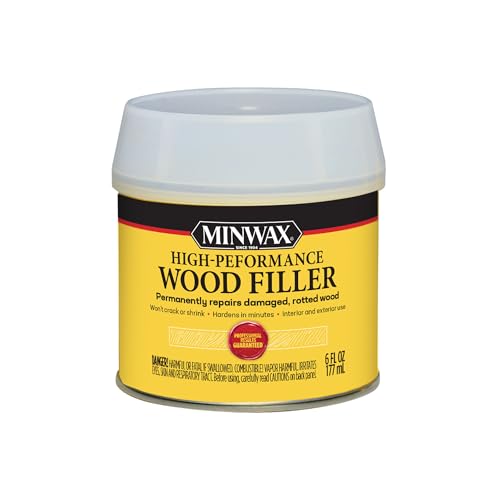
Wood filler is a hardening repair compound used to rebuild small defects in wood. It is best used on unfinished woodwork, where you can sand it flush after it cures. Some formulas are stainable, but stain results vary by product and by the amount of wood fiber in the mix.
How it cures and why it sands flush
Wood filler dries hard. Bob Vila notes that wood filler can harden within just a few minutes, which helps when you need a repair that can be leveled soon after application. Once cured, it can be sanded flush, which is why it is a common choice for bare trim, furniture, and patching work before paint.
When stainable formulas work, and when they do not
Wood filler is stainable in some formulas, but not all of them accept stain evenly. Filler that is heavy in mineral content may take stain poorly, and the repair can read lighter or flatter than the surrounding wood. That is why stainable filler works best on unfinished surfaces where the end goal is a close visual blend, not an invisible grain match under a deep clear coat.
Where two-part filler fits for drilling and screw-holding
Two-part wood filler includes a hardener and sets rock-hard. It can be drilled and hold screws, so it belongs in spots where the repair is more than cosmetic. If a damaged area needs fastener support, a regular single-step filler is usually the wrong tool.
What is wood putty?
Wood putty is a pliable repair material made for finished woodwork. It is best for repairing cracks and small holes on finished woodwork, where the surrounding stain or paint already sets the final appearance. It does not harden like wood filler, and that flexibility helps in places that still move.
Why it stays pliable
Putty is made to stay flexible after application. That helps in humidity-prone areas because the wood can expand and contract without forcing the patch to split right away. That same flexibility is also why putty is a cosmetic repair, not a structural one.
Why it is not sandable or stainable
Wood putty is not sandable, so you cannot rely on sanding to make it level after it sets. It also is not a stain-first product, which is why it works best when the finish already exists and the patch just needs to blend. If you sand or stain the area, filler usually gives you more control. (familyhandyman.com)
Putty sticks and other color-matched options
Wood putty comes in a range of wood colors, and putty sticks add a crayon-like format for small cosmetic repairs. Those formats help when the problem is a nail hole, scratch, or tiny chip on stained trim or furniture. For visible finished surfaces, color matching matters more than shaping power.
Should you use wood putty on finished wood?
Yes, wood putty is usually the better choice on finished wood because it is made for stained, varnished, or painted surfaces where sanding the area would damage the surrounding finish. It works best for small cosmetic repairs on trim, furniture, and flooring when color matching matters more than building a hard patch.
Painted, stained, and varnished surfaces
Finished wood already has a visual layer, so the repair should blend into that layer instead of replacing it. Wood putty is the common choice because it is color-matched and does not require sanding the surrounding finish. That makes it useful for small gaps, pinholes, and edge touch-ups.
Small cosmetic repairs on trim and furniture
For a nail hole in painted trim or a small gouge in a stained cabinet face, putty keeps the job simple. This Old House recommends wood putty for small holes in finished wood furniture, flooring, or trim. The patch is cosmetic, not structural, so flexibility is a feature rather than a flaw.
When color matching matters more than sanding
If the surface already has a strong stain or a clear coat, the repair usually stands or falls on color match. Putty sticks and wood-tone putties help here because they are made for finished surfaces. The tradeoff is clear: you gain blend, but you give up sanding and stain control.
Can wood filler be stained and sanded?
Yes, wood filler can be sanded and some formulas can be stained, but it works best on unfinished wood. Stain results depend on the product mix, especially the amount of wood fiber versus mineral-heavy ingredients. If the repair must disappear under stain or clear finish, choose a filler rated for that use and expect some color variation.
Unfinished wood as the main use case
Unfinished wood gives filler the cleanest path. You can apply it, let it cure, sand it flush, and then finish over it. This is why filler is the better default for raw trim, unfinished furniture, and bare interior wood patches.
Why wood-fiber content affects stain results
Not all stainable filler behaves the same way. Filler with more wood-fiber content tends to blend better, while formulas with more mineral content may accept stain poorly. That is why a patch can look fine before stain and still stand out afterward.
How clear coat or stain changes repair visibility
Clear coat makes any mismatch easier to see because it keeps the wood’s natural look rather than hiding it. Stain can also expose a repair if the filler absorbs color differently from the surrounding grain. If the finish is already on the wood, putty often gives a better visual match than filler on small cosmetic defects.
How do wood filler and putty behave outdoors?
Outdoors, movement matters as much as appearance. Wood filler is prone to shrinking and cracking outdoors, especially where temperature and humidity changes are constant. Wood putty can be used for exterior woodwork depending on the product, and its flexibility makes it the safer choice when the repair must move with the wood.
Temperature and humidity movement
Exterior trim, fascia, and fence parts expand and contract more than interior pieces. This movement puts stress on a hard patch. This Old House says wood filler dries hard and does not flex with expansion and contraction, which is why it fails more easily in those conditions.
Shrinkage and crack-through risks with filler
Bob Vila notes that wood filler is prone to shrinking and cracking outdoors. That does not mean it never works outside, but it does mean the repair faces a higher failure risk. If the patch sits on a joint, edge, or narrow trim board, the odds of crack-through go up.
When flexibility makes putty the safer choice
Wood putty remains flexible in humidity-prone areas, which helps it survive movement better than filler. That flexibility is why it is often the better fit for exterior cosmetic patching that will be painted. If the area needs shaping, sanding, or structural support, though, putty is still the wrong tool.
Choose wood filler if… / Choose wood putty if…
Choose wood filler if the wood is unfinished, you need to sand the patch flush, or the repair must take paint or a compatible stain after curing. Choose wood putty if the wood is already finished, the defect is small, and the surface needs a color-matched cosmetic repair that can flex with movement. The finish and the future use decide the winner.
Choose wood filler if…
Use wood filler when the repair area is bare wood and you want a hard patch you can shape. It is the better choice for dents, gashes, gouges, and other surface damage on unfinished furniture. Choose a two-part filler when the patch needs to be drilled or hold screws.
Choose wood putty if…
Use wood putty when the surface is already stained, varnished, or painted and the defect is small. It is the better choice for nail holes, tiny cracks, and small holes in finished trim, flooring, and furniture. Pick a wood-tone formula or putty stick when the repair is mostly about appearance.
- Check whether the wood is bare or already finished.
- Decide whether the patch must be sanded flush.
- Ask whether the repair must be stained, painted, or left visible.
- Estimate movement: interior static spot or exterior humidity swing.
- Choose two-part filler if the area must hold screws or be drilled.
Decision matrix: pick the right product fast
Use this matrix as a one-page filter. Start with finish type, then look at repair size, exposure, and what happens after the patch. If more than one box points the same way, that is usually the correct answer.
| Condition | Wood putty | Wood filler | Best pick |
|---|---|---|---|
| Finished wood, small nail hole or scratch | Yes | No | Wood putty |
| Unfinished wood, gouge or dent, needs sanding | No | Yes | Wood filler |
| Exterior trim with humidity and temperature movement | Yes, if the product is rated for exterior use and painted | No, higher risk of shrinkage or cracking | Wood putty |
| Repair must be stained after curing | No | Yes, in stainable formulas | Wood filler |
| Repair must be drilled or hold screws | No | Yes, with two-part filler | Two-part wood filler |
| Painted surface, cosmetic only, no sanding around the patch | Yes | Usually no | Wood putty |
Frequently asked questions
What is the difference between wood putty and wood filler?
Wood filler hardens, can be sanded, and is best used on unfinished woodwork. Wood putty stays pliable, is not sandable, and is best for finished woodwork. The practical difference is simple: filler rebuilds a surface; putty blends into one that is already finished.
Should I use wood putty or wood filler on finished wood?
Use wood putty on finished wood in most cases. It is better for small holes, cracks, and cosmetic defects on stained, varnished, or painted surfaces because it comes in wood-tone colors and does not force you to sand the surrounding finish. Filler can stand out on sealed wood.
Can wood filler be stained and sanded?
Yes, wood filler can be sanded, and some formulas can be stained. It works best on unfinished wood, though, and stain results vary by product. If the formula is mineral-heavy, it may accept stain poorly and leave a visible patch.
Is wood putty good for exterior repairs?
Wood putty can be used for exterior woodwork, but the product usually has to be painted and should be selected for outdoor use. Its flexibility is helpful where humidity and temperature change the wood size. It is still a cosmetic repair, not a structural fix.
Can I use wood filler on hardwood floors?
Yes, but only if the situation calls for a hard, sandable patch and the product is suitable for flooring use. For finished hardwood floors, small cosmetic holes often call for putty instead. If the floor still moves a lot or the repair sits in a visible stain field, color match and flexibility matter more.
When should I use two-part wood filler instead of regular filler?
Use two-part wood filler when the repair must be drilled, hold screws, or behave like a stronger structural patch. Regular filler is fine for small cosmetic defects. Two-part formulas are better for deeper damage where hardness and strength matter more than easy spreadability.
Sponsored / affiliate links. As an Amazon Associate I earn from qualifying purchases. I may earn additional commission from eligible campaigns.