Epoxy Wood Filler vs Wood Filler: When to Use Each
Use standard wood filler for shallow, dry, paint-grade defects; choose epoxy wood filler for deeper voids, rot repair, exterior exposure, or areas that still move. The wrong choice can split, shrink, hold water, and force a full redo. This guide compares depth, movement, exposure, and finish needs so you can choose the right repair.
Epoxy wood filler vs wood filler: the core trade-off
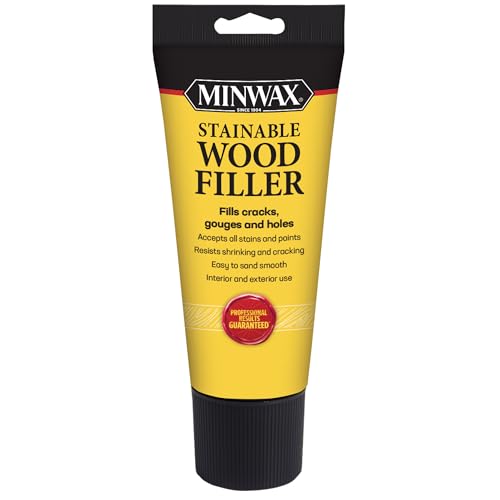

What epoxy wood filler is and how it cures
Epoxy is a two-part resin and hardener system. When the two parts mix, the material cures by cross-linking into a stable solid, which is why epoxy is valued for strong bonding and chemical stability. That curing method also gives it low shrinkage, so it holds shape better in deeper repairs.
What wood filler is and how it dries
Wood filler is a putty-like repair material for holes, dents, and other small defects. It dries as the carrier evaporates, not by a chemical reaction like epoxy. That makes it faster for minor cosmetic fixes, but it also means it can shrink; some wood fillers can shrink 5-15% depending on brand.
The simplest rule for choosing between them
Use epoxy when the repair has depth, movement, moisture exposure, or shape retention needs. Use wood filler when the defect is small, dry, and mainly cosmetic. If the repair must disappear under stain, that choice gets more complicated, because neither material is perfect in every species or finish situation.
| Decision factor | Epoxy wood filler | Wood filler: when each works best | Winner |
|---|---|---|---|
| Depth and gap size | Best for deep cracks, holes, and voids deeper than the wood thickness; one common guide notes cracks up to about 3/4 inch | Best for shallow defects and small cosmetic fills | Epoxy wood filler |
| Movement and exposure | Handles moisture and temperature swings better; better for exterior and movement-prone repairs | Best indoors on stable, dry surfaces | Epoxy wood filler |
| Speed and convenience | Longer cure time and more prep because it must be mixed in the right ratio | Fast drying; some products dry in about 15 minutes | Wood filler |
| Finish and stain matching | Can be shaped well, but stain match is limited unless the repair is hidden or painted | Better for paint-grade touch-ups; stain-grade results still depend on wood species and product color | Tie |
Depth and gap size
Epoxy wins when the void is deeper than the thickness of the wood or when the repair needs to build missing material, not just hide a defect. Wood filler is a surface-level product, so forcing it into a deep split often leads to shrinkage, edge crumble, or a repair line that sinks later.
Movement and exposure
Epoxy is the better choice for repairs that must tolerate seasonal movement, moisture, or exterior weather exposure. Wood filler is better left to stable interior conditions. If the substrate moves and the filler cannot move with it, the repair can crack or telegraph through the finish.
Speed and convenience
Wood filler is faster. That matters for nail holes, small dents, and trim touch-ups where you want a quick sand-and-paint workflow. Epoxy takes longer because the ratio, mixing, fill depth, and cure time all matter; that extra work is part of why it lasts better in demanding repairs.
Finish and stain matching
Neither product is magic under stain. On stained wood, visible repair lines, color mismatch, and sheen differences can matter more than strength. Epoxy can be shaped cleanly, but stain absorption is often different from surrounding wood; wood filler may take stain unevenly or telegraph its repair edge if the patch is shallow or oversized.
📊 Some wood fillers dry in about 15 minutes. Source: Comparing Epoxy vs. Wood Filler: What’s Best for Your Needs? (DIY ….
When epoxy works best
Deep cracks and holes
Epoxy works best when the repair is deeper than a cosmetic fill. It is the better choice for deep cracks, missing chunks, and gaps that need body and bond strength. A common rule of thumb is to move to epoxy when the void gets fairly large or starts to exceed the thickness of the wood.
Exterior or moisture-exposed repairs
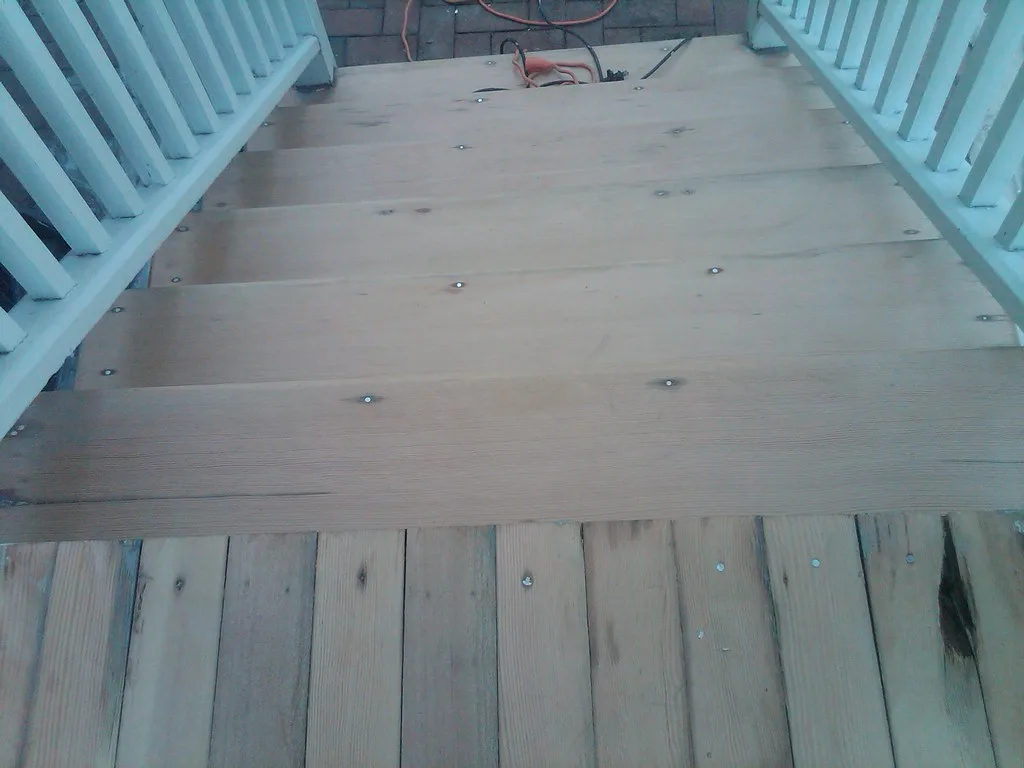
Use epoxy for siding defects, porch trim damage, exterior door edges, and other repairs that face rain, humidity, or temperature swings. Epoxy’s low shrinkage and chemical stability make it a better fit when moisture movement could break a lesser filler. Wood filler is far more likely to fail in those conditions.
Movement-prone and structural-ish repairs
Epoxy is the better choice when the repair area still carries stress, such as a cracked chair leg, a door frame corner, or an end-grain damage zone. It is stronger than standard wood filler because it cures more completely and bonds aggressively. That does not make it a structural member, but it is far better at stabilizing damaged wood.
When wood filler works best
Small nail holes and shallow defects
Wood filler is the better tool for minor cosmetic defects in wood. Nail holes, pin dents, shallow gouges, and tiny edge chips are the right scale for it. Using epoxy here is usually overbuilding the repair and can create more sanding and cleanup than the defect deserves.
Interior cosmetic repairs
For indoor pieces with low movement, wood filler is usually the simplest choice. It dries quickly, sands easily, and is suited to paint-grade work on trim, baseboards, and furniture that will be painted. That is why many guides point it toward indoor pieces rather than exterior use.
Painted or low-movement surfaces
Painted surfaces hide the visual limits of wood filler better than stain does. Flat, stable areas such as shelf faces, cabinet sides, and trim boards often accept a filler patch well if the repair is shallow. On those surfaces, speed matters more than long-term body strength.
How surface type changes the choice
Flat surfaces versus vertical surfaces
Flat surfaces are easier to fill, shape, and sand. Vertical surfaces like doors and frames put more demand on the filler because sagging or pull-out becomes a concern. Epoxy has an edge there because competitor guidance commonly places it on vertical surfaces such as walls, doors, and frames.
Unfinished wood versus stained wood
Unfinished wood gives you more freedom because the final paint or clear finish can hide some repair boundaries. Stained wood is less forgiving. The repair has to disappear in color and sheen, and that is hard when the patch material absorbs finish differently from the surrounding wood.
Porous species versus less porous species
Open-pored woods such as oak may make repair lines easier to see if the filler does not match the surrounding pore structure. Less porous species can make edge transitions stand out instead. In either case, the smaller the repair, the more important the surface prep and final sanding become.
Can you use wood filler outdoors?
Wood filler is generally not the right choice for outdoor repairs. It is best kept for dry interior work, because moisture, temperature swings, and repeated expansion and contraction can cause shrinkage, cracking, or failure at the edges. For exterior repairs, epoxy usually has the edge.
Moisture and temperature exposure
Outdoor surfaces see cycles that wood filler does not handle well. Water intrusion and drying cycles can weaken the repair line, especially in end grain and open joints. Epoxy’s low shrinkage and curing chemistry make it better at resisting those changes.
Why shrinkage matters outside
When filler shrinks, the surface can sink below the surrounding wood. Outside, that depression can hold water or reveal the patch under paint. Since some wood fillers can shrink by a noticeable amount, that risk becomes more than cosmetic on exterior work.
Where epoxy has the edge
Epoxy is better for weather-exposed trim, siding defects, and other exterior repairs that need shape retention. It is also a better pick for deeper-than-surface voids that need to stay filled after curing. If the repair must survive seasons, epoxy is usually the safer call.
Decision matrix: 10 real repair scenarios
This matrix separates the product choice from the repair condition. That matters, because a tiny indoor defect and a deep exterior split are not the same problem, even if both are called “wood repair.”
| Repair scenario | Best choice | Expected cure behavior | Sanding needs | Stainability | Failure risk |
|---|---|---|---|---|---|
| Cosmetic nail holes in trim | Wood filler | Fast drying; minimal body needed | Light sanding after dry | Low for paint, weak for stain | Low indoors if kept shallow |
| Shallow edge chips on painted furniture | Wood filler | Dries quickly and fills surface damage | Moderate sanding to level the edge | Not a stain-grade repair | Low if the chip is shallow |
| Deep split in an interior table leg | Epoxy wood filler | Cross-links into a hard repair with low shrinkage | Sand after full cure | Limited if visible under clear finish | Medium if the leg keeps moving |
| Weathered exterior siding defect | Epoxy wood filler | Better shape retention through moisture cycles | Sand after cure, then prime and paint | Poor for stain, better under paint | Low to medium if prep is poor |
| Wide gap in a door frame | Epoxy wood filler | Stays in place on vertical surfaces | Shape before cure; sand after hardening | Usually paint-grade | Medium if the frame keeps moving |
| Stain-grade repair on oak | Usually epoxy, only if color-matched carefully | Stable fill with low shrinkage | Careful sanding to avoid witness lines | Hard to match under stain | Medium for visible mismatch |
| Small dent on a shelf | Wood filler | Quick dry for a shallow cosmetic fix | Minimal sanding | Poor for clear stain | Low if the shelf is stable |
| Crack near an end grain edge | Epoxy wood filler | Better bonding in a movement-prone zone | Sand after cure; feather the edge | Usually better hidden under paint | Medium if moisture enters the end grain |
| Repair below finish on a tabletop | Depends on depth; epoxy if deeper, filler if shallow | Epoxy cures harder; wood filler dries faster | Epoxy often needs more shaping | Both can show under clear finish | Medium if patch telegraphs |
| Large void that needs shape retention | Epoxy wood filler | Builds body without much shrinkage | More sanding to profile the shape | Usually not a true stain match | Low if mixed and applied correctly |
Say your exterior door has a substantial corner loss where the wood has opened at the edge and flexes when the door closes. That is a case for epoxy, not standard filler. The repair needs body, adhesion, and tolerance for movement, or the patch will break away.
Suppose a painted pine shelf has four pin holes and a 1/16-inch dent from a bracket screw. Wood filler is the cleaner choice. It dries fast, sands quickly, and avoids the extra labor of mixing and shaping epoxy for a tiny cosmetic fix.
Choose epoxy wood filler if… / choose wood filler: when each works best if…
Choose epoxy wood filler if the void is deep, the wood moves, the repair sits outdoors, or the area needs shape retention after cure. Choose wood filler: when each works best if the defect is shallow, dry, interior, and mainly cosmetic. The first is a repair system; the second is a fast surface fix.
Choose epoxy wood filler if…
- The crack or hole is deeper than the wood thickness.
- The repair is on an exterior or moisture-exposed part.
- The area is vertical, stressed, or near end grain.
- You need low shrinkage and better durability.
Choose wood filler: when each works best if…
- The defect is small, shallow, and dry.
- The repair is indoors on a painted, low-movement surface.
- You want a faster dry time for simple touch-up work.
- Stain matching is not the main goal.
Application tips that prevent failure
Surface prep before filling
Clean the area first. Remove loose fibers, dust, paint flakes, and any soft or rotten material that should not stay in the repair. A filler can only bond to what is still sound, so bad substrate is a common cause of failure.
Mixing ratios for two-part epoxy
Epoxy depends on the correct resin-to-hardener ratio. If the mix is off, cure can stay soft or incomplete, which defeats the reason to use epoxy in the first place. Follow the product instructions exactly and mix thoroughly before applying.
Scraping excess before cure
On epoxy repairs, shape the patch before it hardens. Scrape or tool off excess while it is still workable, especially on edges and vertical surfaces. That reduces sanding later and helps avoid a proud patch that catches light after finishing.
Sanding and finishing after cure
Once cured, sand the repair flush and feather the edges into the surrounding wood. Then prime, paint, or finish as needed. For stained wood, check the repaired area in real light before committing to the final finish, because patch lines can become more visible after color goes on.
Frequently asked questions
When should I use epoxy wood filler instead of regular wood filler?
Use epoxy wood filler when the repair is deep, outdoors, moisture-exposed, or subject to movement. Regular wood filler is better for small, dry, interior defects. If the void is deeper than the wood thickness or you need shape retention, epoxy is the safer choice.
Is epoxy stronger than wood filler for deep cracks?
Yes. Epoxy is generally stronger and more durable because it cures by cross-linking into a stable solid. Wood filler is designed for minor cosmetic defects, so it is more likely to shrink, crack, or pull away in a deep split.
Can I use wood filler on outdoor repairs?
Usually no, not for anything exposed to weather. Wood filler is best for indoor cosmetic repairs, and it can shrink or crack as moisture and temperature change. For exterior work, epoxy is the better option because it handles those conditions more reliably.
Will wood filler shrink or crack over time?
It can. Some wood fillers shrink 5-15% depending on brand, and that shrinkage can leave a low spot or hairline crack later. The risk rises when the repair is deep, spans a wide area, or sits where the wood still moves.
What is the best filler for holes deeper than the wood thickness?
Epoxy is the better choice for holes deeper than the wood thickness. It has low shrinkage during curing and is better suited to building a repair that stays full and stable. Standard wood filler is usually too shallow for that kind of defect.
How do I choose between epoxy and wood filler for stained wood?
Choose by visibility and depth, not just by stain color. For shallow, hidden touch-ups, wood filler may work if the match is close. For deeper repairs, epoxy is stronger, but both materials can show under stain, so test the finish plan on a hidden area first.
Sponsored / affiliate links. As an Amazon Associate I earn from qualifying purchases. I may earn additional commission from eligible campaigns.