Best Woods for Fireplace Mantels (2026): Based on Specs and Reviews
White oak is the strongest all-around mantel wood for many homes because it balances durability, movement resistance, and finish quality better than most species. But the safest mantel is still the one matched to the fireplace listing, projection, and code requirements. A poor fit can crack, cup, or discolor, and may force early refinishing. This guide ranks wood options by heat tolerance, seasonal movement, and finished appearance for wood-burning, gas, and electric fireplaces.
Quick comparison
| Product | Badge | Best for | Price | ||
|---|---|---|---|---|---|
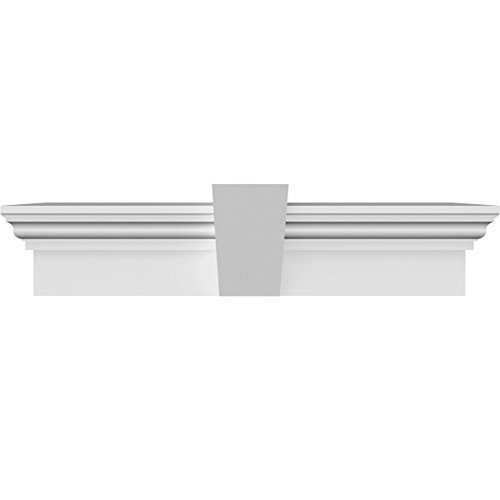 |
Ekena Millwork 4" H x 8" D x 48" W Knotty Pine Faux WoodEkena Millwork | Our pick | 48" · Faux Wood · Ekena | $382.00
Price as of 24 Oct 2026
|
View |
 |
Cherry Wood Fireplace Mantel 48", Rustic Wooden MantelLXWZHK | Budget pick | 48" · Cherry Wood · Rustic | $105.99
Price as of 24 Oct 2026
|
View |
 |
Modern Ember Alfama 60 Inch Fireplace Wood Mantel ShelfModern Ember | Upgrade pick | 60" · White Oak · Alfama | $424.99
Price as of 24 Oct 2026
|
View |
 |
Country Living Lodge 60 Inch Cast Stone Fireplace MantelCountry Living | Also great | 60" · Cast Stone · Lodge | $649.99
Price as of 24 Oct 2026
|
View |
 |
Wood Juice Semi-Dry Wood Stabilizer 1 Gallon byPreservation Solutions | Pair with it | 1 Gallon · Wood Stabilizer · Dry | $84.95
Price as of 24 Oct 2026
|
View |
Use the matrix below to compare species by the factors that matter most in real rooms: heat exposure, seasonal movement, finish quality, and how the wood behaves at the saw and on the wall. The best species depends on fireplace type, especially where clearance and appliance listing control the final placement.
How we chose
Heat clearance comes first, because wood is combustible near a fireplace and the needed spacing above the opening depends on the appliance listing, local code, and how far the mantel projects. Species can help with durability, but they do not override the installation rules.
Seasonal movement matters next. A mantel sees indoor humidity swings, so the safest choices are woods and builds that resist checking, cupping, swelling, and shrinkage.
Finish appearance and grain visibility come third. Some woods hold a clear coat well. Others look better painted or stained with more prep.
Cost and workability finish the list. A cheaper species can be the smarter buy when you plan to paint it, while a premium hardwood earns its place when the grain will stay visible.
| Wood | Heat tolerance | Movement risk | Finish behavior | Workability | Cost | Style fit |
|---|---|---|---|---|---|---|
| White oak | High for a wood species, but still combustible and clearance-limited | Low to moderate | Excellent with clear or stained finishes | Moderate; dense and steady | Mid to high | Traditional, transitional, modern |
| Maple | High for a hardwood, but still clearance-limited | Moderate | Can blotch unless sealed well before staining | Very good; clean machining | Moderate | Painted, clean-lined, contemporary |
| Cherry | Moderate | Moderate | Polishes well and darkens over time | Very good; easy to shape | Higher | Refined, classic, formal |
| Poplar | Moderate to low as a visible finish species | Higher | Best painted; can show streaking under clear coats | Very good | Low | Painted, rustic, budget builds |
| Reclaimed barn beam | Depends on species and moisture condition; still clearance-limited | Low if properly dried, prepared, and installed | Strong character with natural wax or wax-oil finishes | Variable; custom work required | Varies widely | Rustic, historic, statement mantels |
| Faux wood polyurethane mantel | Best near heat when the listing allows it | Very low | Factory finish is consistent | Easy to install, not wood to shape | Mid | Painted, low-maintenance, decorative |
What is the best wood for fireplace mantels?
White oak is the best all-around wood choice for many mantel projects because it pairs strong durability with good grain visibility and low movement risk. That said, the best mantel is the one that fits your fireplace type, required clearance, and finish goal. For painted work, poplar can make more sense.
Why white oak ranks well
White oak has the dense feel and stable grain pattern that many homeowners want in a mantel. It is durable, holds detail well, and takes stain evenly compared with species that blotch more easily. The grain is visible without looking busy, which helps in both traditional and modern rooms.
It also suits a wide range of finishes. A clear coat keeps the grain front and center, while stain can push it warmer or darker without hiding the figure.
When white oak still needs careful clearance
White oak does not make a mantel fireproof. It is still combustible, so spacing above the fire opening must follow the fireplace listing and local code. The mantel’s depth, projection, and mounting location matter just as much as the species.
What wood looks best for a rustic mantel?
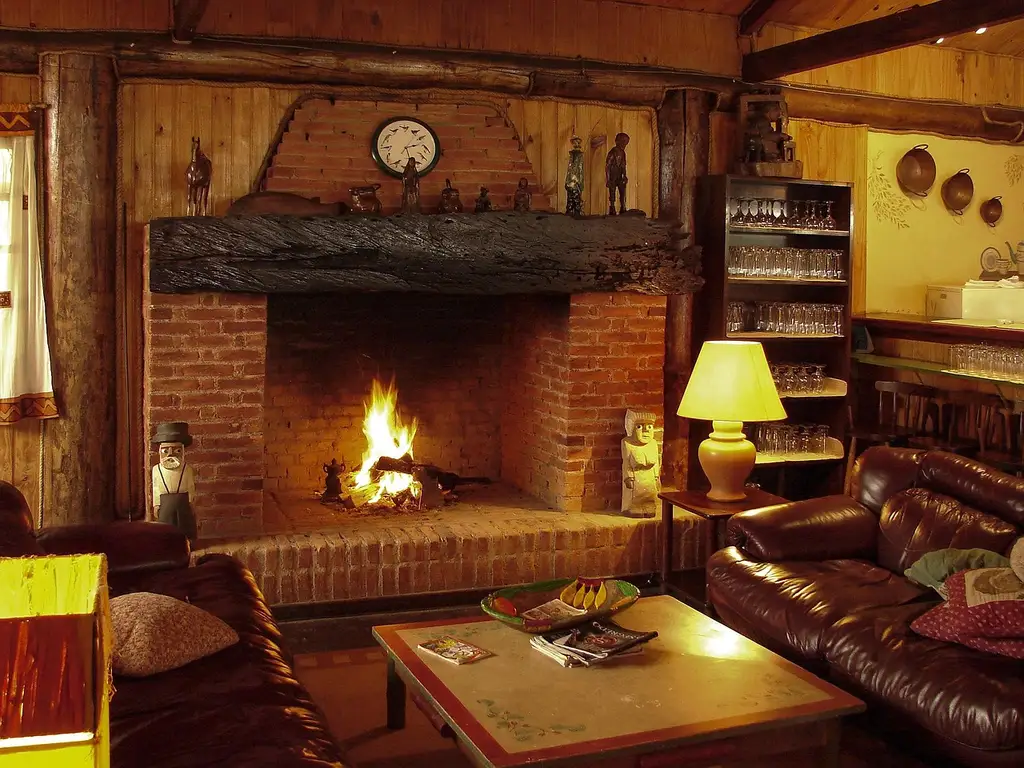
Reclaimed barn beam is usually the strongest rustic choice because the hand-hewn or rough-sawn surface gives you age, texture, and visible history in one piece. If you want a painted rustic look instead of exposed grain, poplar is a cheaper route. Clear-finished oak can work, but it reads more polished than rustic.
Reclaimed barn beam for a rustic focal point
Reclaimed mantel stock is often custom-cut to the buyer’s specified length, and quality prep matters. Olde Wood says reclaimed mantel surfaces are de-nailed before finishing, pressure washed, treated for insects, and kiln-dried for durability. Those steps matter because old fasteners, pests, and excess moisture can all create failures later.
Olde Wood also offers hand-hewn fireplace mantels and rough-sawn fireplace mantels. Those two surface types produce different looks. Hand-hewn reads more handmade and irregular. Rough-sawn looks cleaner but still keeps the saw marks and character.
Poplar for painted rustic trim
Poplar can work when the rustic look depends on paint, not exposed grain. Its green or brown streaks can add interest under opaque finishes, and its lower price makes it useful for larger trim builds. The tradeoff is movement. Poplar is more prone to swelling and shrinking than denser, steadier species.
Clear finishes that keep grain visible
Natural wax finish and wax-oil finishes are useful when you want the wood to look like wood, not plastic. The same source lists a natural wax finish for mantels, and wax-oil finish colors including Tudor Brown and Mahogany. Other warm tones such as Golden Oak and Rustic Pine can suit more traditional rooms, but the finish should still be matched to the room and the species.
Maple: best for a painted or budget mantel
Maple works well when you want a hard, straight-grained wood that stays visually calm under paint or a careful stain. Hard maple and soft maple are both used in millwork, but hard maple is the denser and more durable option. Maple is also usually more affordable than cherry, which helps if you need a wider mantel or matching trim.
Hard maple versus soft maple
Hard maple is very hard wood with a pale, often white tone that can show reddish tinges. Soft maple is lighter in density and easier on tools, though it still offers the clean look many buyers want. Both usually have straight grain, which helps the mantel look tidy and intentional.
How to reduce blotching before finishing
Maple can stain blotchy without proper sealing. That is the main reason it frustrates DIY finish work. A conditioner or sealer before staining can help the color take more evenly, especially on boards with mixed density. If the plan is paint, that issue matters less.
Where maple fits best near a fireplace
Maple is a smart choice for electric fireplaces, gas fireplaces with conservative heat exposure, and wood-burning setups where the mantel sits at a code-compliant distance. It is not the species that makes it safe. The clearance and mounting details do that work.
Cherry: best for a refined natural finish
Cherry is a hardwood with straight, fine grain and a color range that runs from blond to reddish brown. It polishes well, shapes cleanly, and gives a mantel a finished, furniture-like look. The drawback is cost. Cherry is pricier than many other options, and it changes color over time.
Grain, color, and polish quality
Cherry’s fine grain lets it take a smooth finish without looking flat. The wood can read light at first, then deepen into a richer tone as it ages. That change is part of its appeal for buyers who want a mantel that feels more like built-in furniture than a trim board.
Why cherry darkens over time
Cherry naturally darkens with light exposure. That is normal and expected, not a defect. If you want a stable color match for the room, that shift should be part of the decision before you buy.
When the higher price is worth it
Cherry earns its cost when the mantel is a visual centerpiece and the finish will remain natural or lightly stained. It is less compelling when the plan is full paint, because the grain and color depth are then mostly hidden.
Poplar: best for painted or low-cost builds
Poplar is the lower-cost option many buyers reach for when the mantel will be painted. It is easy to work, easy to source, and useful for rustic trim where the goal is shape and color, not premium grain. The downside is movement. Poplar is prone to swelling and shrinking, so the build and finish need to be right.
Green and brown streaking
Poplar often shows green or brown streaks in the board. Some homeowners like that character for rustic paint-grade work. Others prefer to hide it under opaque paint because the streaking can telegraph through lighter stains.
Swelling and shrinking risk
Poplar’s movement makes moisture control important. A mantel built from wet stock or installed before it stabilizes is more likely to show gaps, checks, or finish cracks as indoor humidity changes through the year.
When paint makes poplar the smart choice
Poplar is a good buy when the final surface will be painted and the budget matters more than visible grain. That is especially true for decorative surrounds and electric fireplaces, where the mantel is mostly a visual frame rather than a heat-adjacent focal point.
Reclaimed barn beam: best for a statement mantel
Reclaimed barn beam stock is the right choice when you want a mantel with visible age, tool marks, and a one-of-a-kind surface. The appeal is real, but the prep should be real too. A barn beam that has not been properly cleaned, de-nailed, dried, and inspected can create trouble after installation.
What to verify before buying reclaimed stock
Ask whether the beam is structurally solid and whether it has been custom-cut to the buyer’s specified length. Confirm that it was de-nailed, pressure washed, treated for insects, and kiln-dried. Those details reduce the chance of hidden damage, contamination, and late movement.
Suppose a 72-inch reclaimed beam arrives with hidden old nails and high moisture content. The beam can stain a finish, damage tools, and continue moving after it is mounted. The look may be exactly right, but the prep is what keeps it that way.
Solid timber versus decorative beam wrap
A true reclaimed solid beam is different from a veneered wrap. A solid beam gives you authentic edges and thickness, while a wrap is lighter and often easier to mount. The wrap can suit decorative installations, but it will not have the same presence or aging profile.
Should you buy oak, maple, cherry, or poplar?
Yes, all four can work, but the best choice depends on fireplace type and finish goal. For many homes, oak is the best all-around hardwood. Maple is strong and practical. Cherry is the premium natural-finish pick. Poplar is the value choice when paint will do most of the visual work.
Best pick by fireplace type
For a wood-burning fireplace, oak usually offers the best balance of durability and finish stability, but only if the mantel clears the opening by the amount required by the appliance listing and local code. For gas fireplaces, maple and oak are both good candidates when heat exposure is moderate and the mantel projection is modest. For electric fireplaces, poplar or maple can be enough because the heat load is often lower, though the manufacturer’s instructions still rule.
Best pick by budget
If budget is tight, poplar is the cheapest of the common wood options here. It makes the most sense when painted. If the budget allows a midrange hardwood, maple often gives the best mix of price and performance. If the mantel is a focal point, cherry or white oak may justify the higher cost.
Best pick by finish goal
For a stained or clear natural look, white oak and cherry usually lead the list. Oak gives visible grain and strength. Cherry gives a smoother, more formal look that deepens over time. For paint, maple and poplar are usually the easier and more practical picks.
Best pick if movement risk is the main concern
If movement is your main worry, choose a dry, stable hardwood and a construction method that resists movement, such as well-acclimated solid stock or a properly built glued-up blank. A custom finish matters too. A film finish or wax-oil system can help reduce moisture exchange, but it does not replace dry wood or correct installation.
How to keep a wood mantel from warping or shrinking
Start with kiln-dried wood whenever possible. Match the mantel build to the room’s humidity and let the stock acclimate before installation. Seal all exposed faces, including the back and ends, so the wood does not take on moisture unevenly. A common first-timer mistake is finishing only the front face.
- Choose kiln-dried stock or properly prepared reclaimed timber.
- Verify the mantel clearance against the fireplace listing and local code.
- Use a finish on all sides, not just the visible face.
- Avoid installing before the wood has adjusted to room conditions.
- Keep the room humidity as stable as practical through the seasons.
Say your living room uses a gas fireplace with a shallow projection and a 60-inch mantel. A white oak shelf with a clear finish can be a strong choice if the clearance is correct. Say the same room has a painted surround and a tight budget. Poplar may be the better buy because the finish will do the visual work.
Which wood species handles fireplace heat best?
White oak and maple are usually the strongest all-around wood species for a fireplace mantel because they balance density, durability, and finish stability. Cherry also works well when the look matters more than maximum toughness. Poplar can work, but it is better when painted and used with care. Safety still depends on clearance and installation, not species alone.
Heat clearance is a code and appliance issue, not a wood-species rule. The mantel is combustible. Its safe spacing above the opening depends on the fireplace type, the manufacturer’s listing, how far the shelf projects, and local code. A wider mantel may need different placement than a shallow one.
- For wood-burning fireplaces, start with the appliance manual and local code before choosing a species.
- For gas fireplaces, check whether the mantel is near a hot zone created by the unit’s design.
- For electric fireplaces, verify the heat outlet location and the mantel’s height above it.
Frequently asked questions
Should a fireplace mantel be made from hardwood or softwood?
Hardwood is usually the better choice because it is generally more durable and tends to hold up better to wear and seasonal movement. Softwood can still work for decorative surrounds or painted projects, but it is less forgiving near heat and more likely to dent or move if the wood is not well prepared.
Does a fireplace mantel need kiln-dried wood?
Yes, kiln-dried wood is strongly preferred because it starts with lower moisture content and is less likely to shrink, cup, or check after installation. Reclaimed timber should also be properly dried before use. If the mantel is not dry and stable, the finish can fail and the joints can move.
How high should a wood mantel be above a fireplace opening?
There is no universal height that fits every fireplace. The correct height depends on the fireplace listing, mantel projection, and local code. Check the manufacturer’s installation instructions first. A wood mantel must be placed high enough above the opening to stay within the required clearance for that appliance.
Will oak, maple, cherry, or poplar work for a mantel?
Yes, all four can work if the mantel is designed and installed correctly. Oak and maple are the most practical all-around hardwoods. Cherry is best when the finish will stay visible. Poplar is the budget and paint-grade choice. None of them overrides required clearance from the fireplace opening.
How do you keep a wood mantel from warping or shrinking?
Use dry wood, finish all faces, and let the material acclimate before mounting. Stable joinery and proper support help too. If you are using reclaimed stock, confirm that it has been de-nailed, insect-treated, pressure washed, and kiln-dried. Movement can still happen, but those steps lower the risk.
Sponsored / affiliate links. As an Amazon Associate I earn from qualifying purchases. I may earn additional commission from eligible campaigns.