Best Woods for Garden Beds (2026): We Compared
For food-safe raised beds, choose naturally durable heartwood such as cedar, redwood, or black locust, and judge value by cost per year in soil, not species name alone; sapwood should be avoided. The wrong lumber can rot early, bow under wet soil, and drive up replacement costs. Below, you’ll see how these woods compare for rot resistance, expected soil-contact life, and upfront cost so you can pick the best buy.
Quick comparison
| Product | Badge | Best for | Price | ||
|---|---|---|---|---|---|
 |
VENTRAL Lumber 2 in. x 6 in. (1-1/2" x 5-1/2") ConstructionVENTRAL | Our pick | $26.15
Price as of 7 Nov 2026
|
View | |
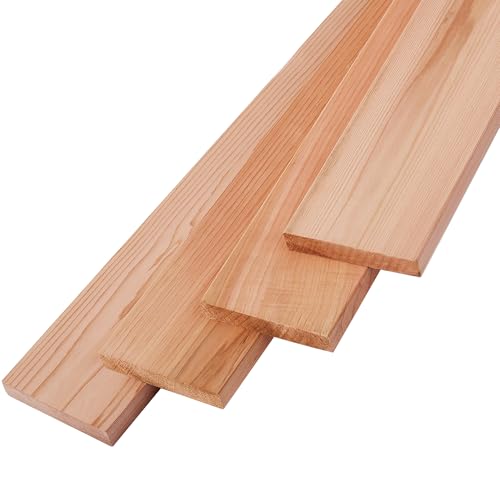 |
bingaai 7ft Western Red Cedar Decking Boards (4-Pack) 1x6x7′bingaai | Also great | $339.99
Price as of 7 Nov 2026
|
View | |
 |
Barrington Hardwoods Red Oak Lumber BoardBarrington Hardwoods | Also great | $34.91
Price as of 7 Nov 2026
|
View | |
 |
Greenes Fence Premium Cedar Raised Garden BedGreenes Fence | Also great | 2′ x 8′ x 14" · cedar · raised bed | $185.99
Price as of 7 Nov 2026
|
View |
This table compares how long each option can last in real soil contact, not how it looks on the rack. Use it with your local board price, because availability and thickness can change the yearly cost a lot.
How we chose
The best raised-bed wood has to hold up in wet soil, not just look good on day one. This comparison weighs soil-contact lifespan, food-safety fit, cost per year, and how easy the lumber is to find and build with.
Drainage, board thickness, and fasteners matter too. A thick board with good drainage can outlast a thin board of the same species, and poor screws or nails can shorten the life of any bed.
- Soil-contact durability: how long the wood can hold up where it stays damp.
- Food-safety fit: whether it suits edible beds and how certification rules may differ by treatment or species.
- Cost per year: upfront price divided by likely service life.
- Availability and workability: how easy it is to buy, cut, fasten, and replace.
Wood decision table
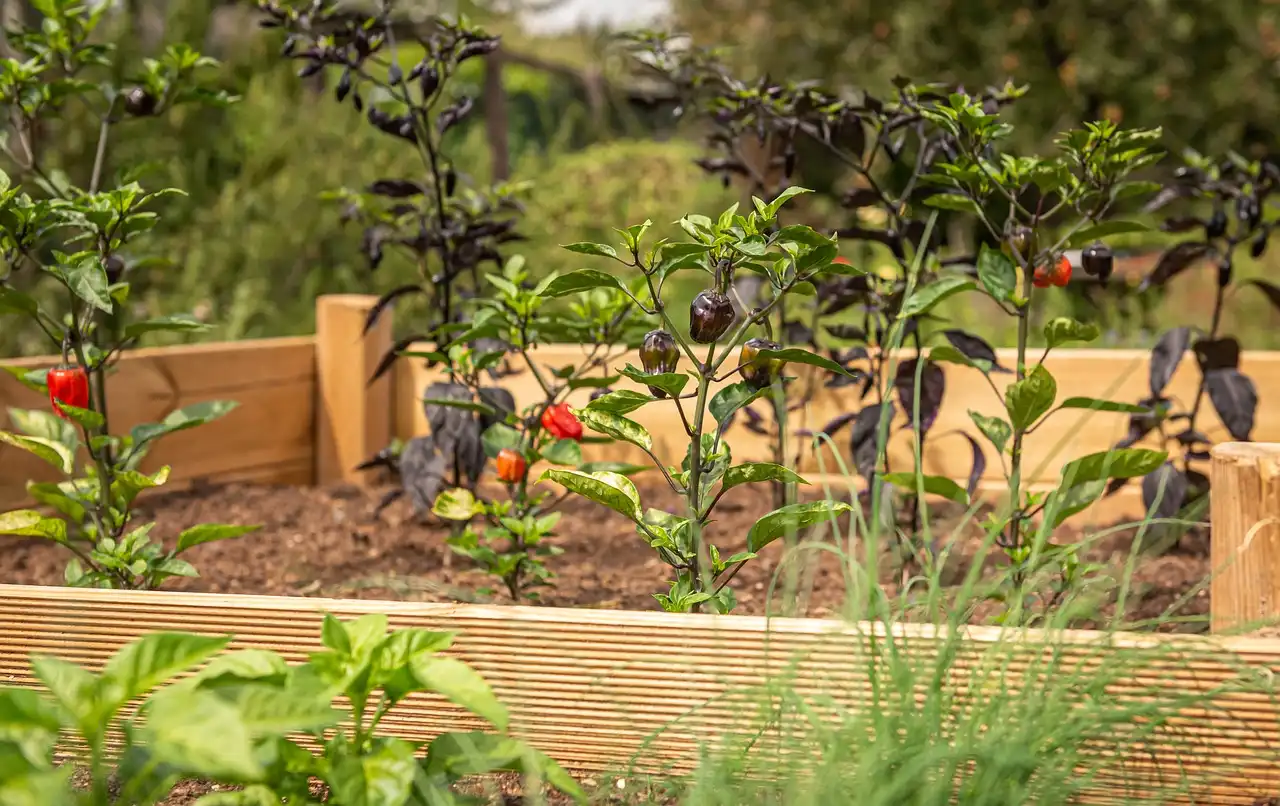
The table below compares heartwood availability, expected soil-contact lifespan, annualized cost, food-safety notes, and climate fit. Where a precise board price is not published in the sourced material, the annualized cost is shown as a relative guide rather than a made-up number.
| Wood option | Heartwood availability | Expected soil-contact lifespan | Estimated annualized cost | Food-safety notes | Best climate fit |
|---|---|---|---|---|---|
| Western red cedar | Heartwood preferred; sapwood should be avoided | 15-20 years | About $1.25-$2.00 per board-year if a $25-30 board lasts 15-20 years | Commonly used for organic vegetable beds when heartwood is specified | Most climates; give it excellent drainage in wet soil |
| Coast redwood | Heartwood grades only | 15-30 years | Usually low to moderate on a per-year basis if local supply is strong | Good for edible beds when you buy heartwood grades, not mixed stock | Dry to moderate climates, and humid sites with very good drainage |
| Black locust | Heartwood is the usable portion for durability | 40-50+ years | Often low per year despite high upfront cost, because the life span is so long | Strong natural decay resistance; still use care with food-bed hardware and sourcing | Wet sites, freeze-thaw areas, and long-term beds where availability is good |
| Pressure-treated lumber | Not a heartwood play; treatment matters more than species | Varies by rating; UC4A is the key ground-contact class | Usually lower than cedar on a per-year basis if the bed is built correctly | Modern ACQ, CA, and MCQ treatments are used; not the same as historic CCA lumber | Wet soil and tough climates, if you accept the food-safety and certification caveats |
| Untreated pine, spruce, or fir | No useful decay-resistant heartwood for this use | 3-5 years; untreated pine may run longer in mild conditions | Lowest upfront, but often higher per year than cedar because it fails sooner | Simple and chemical-free, but best for temporary or low-stakes beds | Dry sites, short-term beds, or starter gardens with good drainage |
| Red oak | Heartwood exists, but this is not a strong raised-bed choice | Short in soil contact compared with cedar, redwood, or locust | Unfavorable for a long-life bed | Not a standard edible-bed lumber; not the best pick for wet soil contact | Indoor or dry joinery, not the first choice for garden beds |
For wet climates, black locust or pressure-treated lumber rated for ground contact usually makes the most sense, because constant moisture is the real enemy. For dry climates, cedar or redwood often gives the best balance of durability and easier building. For tight budgets, untreated pine can work if you accept a short service life.
Western red cedar: best all-around choice
Western red cedar is the most balanced pick for many home gardeners because it is naturally rot resistant, light, and easy to work. The key buying rule is simple: buy heartwood, not a mixed board with a wide sapwood band, because the sapwood edge can fail much sooner in soil contact.
Heartwood versus sapwood
Heartwood is the decay-resistant core of the tree. Sapwood is the newer outer wood, and it rots much faster when buried in damp soil. That difference matters more than the species name on the rack.
Expected lifespan and cost
Raised-bed guidance commonly places western red cedar at roughly 15 to 20 years, and cedar pricing references may put a 2x6x8 board at about $25 to $30. That makes the board look expensive at checkout, but the annual cost can be reasonable once you divide by life span. Cedar is usually pricier than pine up front, yet cheaper to replace less often.
Best climate fit
Cedar works well in many regions, but it still needs drainage, thickness, and proper fasteners. In a damp yard, a thin board or a bed sitting in wet clay may age much faster than the species label suggests.
Coast redwood: best for long life where available
Coast redwood is a premium option with minimal weathering and a strong reputation for long service in raised beds. Buy heartwood grades only. Mixed stock can include sapwood that breaks down much sooner, which defeats the main reason people pay for redwood.
Heartwood grades only
Redwood’s durability comes from the extractives in the heartwood, including tannins that slow decay. That is why grading matters. A board that looks like redwood but carries a lot of sapwood is not the same purchase.
Why redwood lasts well
Coast redwood is prized for dimensional stability, so it tends to move less as humidity changes. Published garden-bed guidance often puts it around 15-30 years, which places it near cedar or above it on the life chart when the right grade is used.
Regional availability
Redwood can be harder to source outside its main growing and milling regions, and that often pushes the price higher than cedar. If local supply is thin, the best wood on paper may stop being the best buy in your market.
Black locust: best for maximum durability
Black locust is the longest-lasting common wood on this list. Published garden-bed tables put it at 40-50+ years, and its Janka hardness of 1,700 lbf shows why it stands up so well. If you want a bed that may outlast several plantings and roof shingles, this is the durability leader.
Why it lasts so long
Black locust has exceptional decay resistance and very high hardness, so soil and fasteners have a harder time chewing it up. That makes it a strong choice for wet sites, cold-soak winters, and beds that you do not want to rebuild any time soon.
Workability and pre-drilling
The trade-off is real. Black locust is harder to find, harder to cut cleanly, and harder on fasteners than cedar or pine. Pre-drilling is smart for screws and lag bolts, or the wood can split at the ends.
Where it makes sense
Choose it when longevity matters more than convenience, and when local supply exists. In some regions it is difficult to source in straight, usable boards, so delivery time and milling quality can become part of the cost.
Is pressure-treated lumber safe for vegetable gardens?
Modern pressure-treated lumber can be acceptable for backyard raised beds when it is rated for ground contact and used with the right expectations. Modern pressure-treated lumber is commonly described as using ACQ, CA, and MCQ treatments, and AWPA Use Category UC4A is a key label for lumber intended for soil contact and wetter exposure. The old CCA material is different and should be avoided for edible beds.
ACQ, CA, and MCQ explained
These modern treatments replace the older chromium-based formulas that raised bigger contamination concerns. Agri Care Hub lists ACQ treated pine as a raised-bed option, but that does not mean it fits every food-growing rule. Certified-organic standards are the sticking point, not backyard safety alone.
Ground-contact rating and UC4A
UC4A means the lumber is intended for ground-contact conditions that are wetter and more aggressive than above-ground framing. That matters in raised beds because the boards spend years in splash, seepage, and damp soil instead of dry air.
When to avoid it
Avoid pressure-treated lumber if you want the simplest path for certified-organic production and do not want to sort through treatment labels. Also avoid old CCA lumber and any creosote-treated wood. Those preservatives are tied to contamination concerns and are poor choices for edible gardens.
Untreated pine: best for the lowest upfront cost
Untreated pine, spruce, or fir is the budget option, and it can make sense for a temporary bed or a first garden project. The trade-off is short life in soil, with published guidance often placing these woods at 3-5 years. In one climate reference, untreated pine beds were said to last about 10 years, which shows how much location changes the result.
Expected service life
Untreated pine is the cheapest upfront option, but it is also the most vulnerable to moisture. If the bed sits on wet ground, the failure clock starts quickly. Board thickness, drainage, and fasteners can stretch life a bit, but they do not change the basic limit.
When a short-term bed is fine
Use it when you need a starter bed, a temporary rental solution, or a quick project that may move later. Say your 4-by-8-foot bed is going in a dry side yard and you only need it for herbs and salad greens for a few seasons. Untreated pine can fit that job if you accept replacement.
Simple ways to slow rot
Keep the bed off saturated soil, use thicker boards, and choose corrosion-resistant fasteners. Good drainage helps more than sealers do, and a board that stays drier will outlast a board that sits in puddled ground.
Which one should you buy?
Pick the wood that matches your climate, your timeline, and your food-safety standard. For wet climates, black locust is the longest-lived natural option, while UC4A-rated pressure-treated lumber is the practical choice if you accept the treatment caveat. For dry climates, cedar or redwood usually offers the best mix of life, workability, and cost per year. For tight budgets, untreated pine is fine for a temporary bed. For organic vegetable beds, heartwood cedar or redwood is the cleaner answer, with black locust as a durable natural alternative when local supply is available.
Picture a 2-foot-deep bed sitting on heavy clay that stays damp after rain. A thin pine board will usually fail far sooner than cedar, while a thick cedar board with good drainage can make the same site much easier to manage. Soil contact changes the math fast.
A common first-timer mistake is buying cedar by species name and not by cut. A cedar board with a wide strip of sapwood on the outside can rot at the edge much sooner than a heartwood board, even though both are sold as cedar.
Frequently asked questions
What is the best wood for raised garden beds?
For most gardeners, heartwood cedar is the best balance of rot resistance, workability, and food-bed suitability. Redwood can match or exceed it where available, and black locust lasts the longest. The best buy is the one with the lowest cost per year in your soil, not the cheapest board at checkout.
Is pressure-treated wood safe for vegetable gardens?
Modern pressure-treated lumber made with ACQ, CA, or MCQ can be used in backyard raised beds when the board is rated for ground contact and you accept the food-safety and certification caveats. Old CCA lumber and creosote-treated wood should stay out of edible beds. If you want certified-organic simplicity, choose heartwood species instead.
How long does cedar last in a raised bed?
Western red cedar is commonly listed at 15-20 years in raised-bed use, and some sources place it at 15-20 years in soil contact as well. That range depends on drainage, board thickness, and the amount of sapwood in the board. Heartwood cedar lasts much longer than a mixed board.
Should I use heartwood or sapwood for garden beds?
Use heartwood. It is the decay-resistant core of the tree, while sapwood rots much faster in damp soil. That rule matters most for cedar and redwood purchases, because a board with visible sapwood can fail far sooner than the species label suggests.
Is redwood better than cedar for raised beds?
Redwood can be better if you can buy heartwood grades and local supply makes the price sensible. It is often more dimensionally stable and can last 15-30 years. Cedar is easier to find in many areas, lighter to work, and usually the more practical all-around choice.
What woods should I avoid for edible garden beds?
Avoid old CCA-treated lumber, creosote-treated wood, railroad ties, and unknown reclaimed wood. Those materials raise contamination and sourcing concerns that do not belong in a food bed. Also avoid mixed cedar or redwood boards that include a lot of sapwood if you want long service life.
Can I use untreated pine for a raised bed?
Yes, if you want the lowest upfront cost and can accept a short service life. Untreated pine, spruce, or fir is best for temporary beds or dry sites, and published guidance often places them around 3-5 years. Better drainage, thicker boards, and corrosion-resistant fasteners can help a little.
What is the longest-lasting wood for raised beds?
Black locust is the longest-lasting common wood on this list, with published claims of 40-50+ years. It is very hard, very durable, and well suited to soil contact. The downside is availability, higher difficulty in cutting, and the need to pre-drill fasteners to avoid splitting.
What wood is safest for organic vegetable gardens?
Heartwood cedar and heartwood redwood are the cleanest mainstream choices for organic vegetable beds. Cedar is often listed as safe for organic vegetable production, but only when the board is the durable heartwood and not a sapwood-heavy cut. Untreated pine is also chemical-free, but it will not last nearly as long.
Sponsored / affiliate links. As an Amazon Associate I earn from qualifying purchases. I may earn additional commission from eligible campaigns.