Best Woods for Window Sills (2026): We Compared
For many window sills, white oak or mahogany are commonly used for exterior applications, poplar or pine for interior painted sills, and cedar or Accoya for damp areas, with a fully sealed finish. Species choice matters, but the wrong board or a thin finish still leads to swelling, paint failure, stains, and rot. This guide gives a use-case matrix for interior vs. exterior sills, painted vs. stained finishes, moisture exposure, and budget.
Quick comparison
| Product | Badge | Best for | Price | ||
|---|---|---|---|---|---|
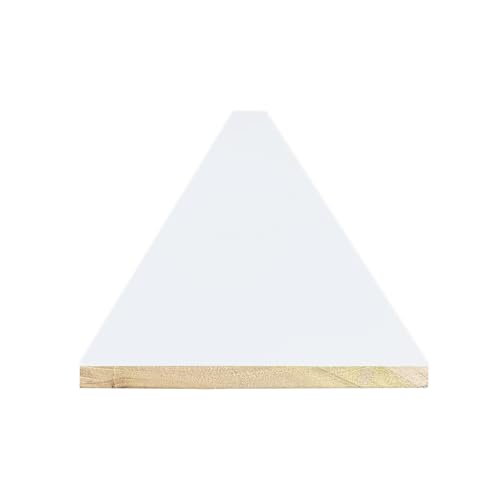 |
1/4" x 3-1/2" x 6′ Primed Solid Poplar Board | Thin SawnThe Millwork Outlet | Our pick | 1/4" x 3-1/2" x 6′ · primed · poplar | $14.05
Price as of 26 Oct 2026
|
View |
 |
1 x 6 x 6 Premium Allwood Pine Board Dealer PackAllwood | Also great | 0.75" x 5.5" x 72" · S4S · pine/spruce | $830.00
Price as of 26 Oct 2026
|
View |
 |
Edge 1 in. x 6 in. x 6 ft. Rustic Shiplap Pine BoardUFP-Edge | Budget pick | 1 in. x 6 in. x 6 ft. · rustic · pine | $85.99
Price as of 26 Oct 2026
|
View |
 |
Generic Pack of 2, African Mahogany Lumber Board – 34 x 6Exotic Wood Zone | Upgrade pick | 3/4" x 6" x 16" · kiln-dried · mahogany | $43.00
Price as of 26 Oct 2026
|
View |
Use this table to match the wood to the job, not the other way around. For exposed exterior sills, the top pick is white oak; for the lowest-cost interior painted sill, pine is the budget choice.
How we chose
This ranking is use-case first. The same species can work well outside and poorly as paint-grade interior trim, or the reverse.
The main criteria are moisture resistance, rot resistance, stability, finish behavior, and cost. Detailing still matters: a sill that slopes outward, has sealed end grain, and sheds water will last longer than a flatter sill made from a better species.
Window sills also fail for predictable reasons. End grain drinks water fastest, condensation can keep the back edge damp, and sun exposure can check or split an unprotected exterior face.
| Wood | Moisture resistance | Rot resistance | Paintability | Stain appearance | Budget tier | Best for |
|---|---|---|---|---|---|---|
| White oak | High | High | Good | Good | Mid | Exposed exterior sills |
| Cedar | High | High | Good | Fair to good | Mid | Damp exterior trim |
| Mahogany | High | High | Good | Excellent | Premium | Exterior sills where appearance matters |
| Maple | Moderate | Moderate | Excellent | Good | Mid | Interior painted or clear-finished sills |
| Pine | Low to moderate | Low to moderate | Very good | Fair | Budget | Low-cost interior sills |
| Oak | Moderate | Moderate to high | Good | Very good | Mid | Classic interior or protected exterior trim |
| Teak | Very high | Very high | Good | Excellent | Premium | High-exposure exterior sills |
| Pressure-treated pine | High | High | Fair | Fair | Budget | Selected exterior uses with careful detailing |
White oak: best for exposed exterior sills

White oak is the strongest all-around choice for exposed exterior sills when you want high rot resistance and a hard face that stands up to weather better than softer trim stock. It is also widely available and affordable compared with premium tropical hardwoods, which makes it a practical exterior pick rather than a specialty one.
Its main advantage is that it holds up outdoors better than many common species. The caveat is simple: white oak still moves with moisture, still benefits from a durable paint or stain system, and still needs good drainage. High rot resistance does not cancel out poor detailing.
Use white oak where the sill is exposed to splashback, wind-driven rain, or strong sun, with an outward slope of roughly 5–10 degrees, carefully sealed end grain, and a finish system suited to exterior exposure. A flatter sill or an unsealed cut end can fail early no matter how good the wood is.
For comparison, white oak belongs above pine and most softwoods for exposed work, but below teak on pure weather resistance and below mahogany on premium appearance. If the project is paint-grade and fully sheltered, it may be more wood than you need.
Cedar: best for damp exterior trim
Cedar is a strong fit where moisture exposure is moderate to high and the sill is detailed to shed water properly. It is highly moisture-resistant, rot-resistant, decay-resistant, and common as exterior trim material. That combination makes it a sensible choice for trim around windows that still gets rain, humidity, or seasonal wetting.
Its weakness is softness. Cedar dents more easily than white oak or mahogany, so it is not the best pick where the sill will get heavy wear, potted plants, or repeated cleaning with rough tools. It also needs maintenance, because weather resistance is not the same as immunity.
For exterior sills, cedar usually pairs best with a paint system or a well-maintained semi-transparent finish if the grain is part of the design. On edges and end grain, sealing matters more than on the broad face. If you skip that work, cedar’s natural advantages shrink fast.
Say your first-floor window faces steady rain and the sill will be painted. Cedar is a better fit than pine because it handles moisture better and gives you more margin if the maintenance schedule slips. The key is still drainage and sealing.
Maple: best for interior sills
Maple is a good interior sill wood when you want a hard, clean-looking surface that resists everyday wear. It is a hardwood, it withstands shrinkage and fading, and it suits painted or clear-finished interior trim better than most softwoods. That makes it a solid choice for bedrooms, hallways, and bathroom-adjacent trim.
Maple is not the first pick for exposed exterior work. Indoors, though, it does a good job where you want a crisp profile and a smoother visual finish than open-grain species can provide. It also fits well when the sill needs to look deliberate rather than rustic.
For a painted interior sill, maple gives you a stable substrate and fewer dents than pine. For a clear finish, expect a lighter, cleaner look than oak. If the room runs humid, such as a bath or laundry area, maple is more suitable than a lower-grade softwood, but it still benefits from sealed faces and edges.
Pine: best for budget interior sills
Pine is the low-cost option for interior sills, especially when the sill will be painted. It is easy to cut, easy to shape, and straightforward to stain if you want a more traditional look. Untreated pine is usually the budget answer for sheltered interior work.
For exterior use, pressure-treated pine is the relevant version. It is extremely weather-resistant and highly resistant to insect and pest attacks, which makes it the exterior-leaning pine option. The tradeoff is practical: treated boards often arrive wet, can move as they dry, and may be poor finish-grade stock for tight sill work.
If you need a precise painted profile, that movement matters. Wet treated stock can cup, shrink, or telegraph fastener lines after installation. Pine can still work outdoors in certain protected conditions, but it is not the best choice when the sill will be heavily exposed and the details are unforgiving.
Picture a basement-level interior window with a simple painted sill, 5 inches deep and under a roof overhang. Pine is usually the practical choice there because cost and workability matter more than long-term exterior durability. Once the sill is exposed to repeated wetting, pine drops behind better exterior species.
Which one should you buy?
If you want the longest-lived exterior sill, buy white oak first. It gives you a strong balance of rot resistance, toughness, and availability without the price jump of teak.
If the window is in a damp but still detailed exterior area, cedar is a smart second choice. If appearance is the main goal and budget allows, mahogany is the premium-looking option for exterior sills.
If you are painting interior trim, maple is a cleaner hardwood choice, while pine is the lowest-cost option and easier to work. For stained interior work, oak usually gives a stronger grain pattern than maple and more heft than pine.
Oak or pine? Choose oak when you want a stronger, more durable sill for a protected interior location or a more substantial look. Choose pine when cost, ease of cutting, and simple painted trim matter more. For exterior use, pressure-treated pine is only for situations where you can manage wet stock, movement, and finish prep carefully.
Climate changes the answer. A coastal house, a south-facing wall, and a shaded interior bath do not ask the same thing from a sill. Exposure, sun, and maintenance matter as much as the species name on the lumber rack.
Modern alternatives deserve a mention. FSC-certified thermally modified wood can perform well outdoors, and engineered wood capped with a trim paint system can be a good paint-grade option. Those are secondary choices here, but they are worth considering if you need a stable painted sill and your supplier stocks them.
What finish should I use on a wood window sill?
For paint-grade sills, use a primer that seals bare wood, then a durable topcoat system designed for trim. On exterior sills, seal all faces and especially the end grain before paint, because end grain absorbs water fastest and is a major rot entry point. For clear-finished sills, use a finish rated for moisture and UV exposure, then maintain it on schedule.
For exterior wood, a film-forming paint system usually outlasts a simple wipe-on finish because it blocks more water. For interior sills, a clear finish can work well on maple, oak, or mahogany if you want the grain visible. Cedar often looks best with paint or a subdued clear coat, since its softer surface can mark easily.
A common mistake is sealing just the top surface of a pine sill and leaving the joints and underside unprotected against condensation. That single miss can shorten the sill’s life more than the choice between two good species.
How do I keep a wooden window sill from rotting?
Keep water off the sill, out of the end grain, and away from trapped joints. The biggest fixes are a proper outward slope, sealed cut ends, and a finish system that is renewed before bare wood is exposed. Rotten sills usually fail from water management mistakes first and species choice second.
Start with detailing. The sill should slope outward about 5–10 degrees so water sheds instead of sitting on the surface. Then seal end grain heavily, because it soaks up moisture faster than the face grain and becomes the weak point.
Next, keep the paint or clear finish intact. Recoat or repaint exterior sills when the finish starts to chalk, crack, or open at corners. For sheltered interior sills, inspect yearly and touch up damaged spots promptly. For high-exposure exterior sills, plan on more frequent maintenance than for protected interior trim.
If a sill keeps failing, look at flashing, caulk joints, and condensation before replacing the wood again. The same species can last much longer when the water path is fixed.
What thickness should a window sill board be?
A common window sill thickness is about 1 inch to 1-3/8 inch, often built from nominal 5/4 or 6/4 stock. That range gives enough stiffness for a sill profile while still allowing a finished edge and a visible nose or overhang where the design calls for it.
Thickness matters because a thinner board can feel flimsy and may telegraph movement more easily, while a thicker board gives more material for profiling and scribe fitting. For exterior work, the extra material also helps the sill stay stable after shaping and sealing.
Choose the thickness based on the window detail, not just the species. A durable wood still needs enough body to hold its profile and to accommodate slope, drip details, and edge shaping.
Do window sills need a slope for water drainage?
Yes. Exterior window sills should slope outward, usually about 5–10 degrees, so water sheds away from the wall instead of soaking into the sill and the frame. Without that slope, even rot-resistant wood will stay wet longer and fail sooner.
The slope works with the finish, not against it. A properly pitched sill reduces standing water, and sealed end grain reduces absorption where the board is most vulnerable. Together, they do more for lifespan than a species upgrade alone.
Frequently asked questions
What is the best wood for window sills?
For most exterior window sills, white oak is the best all-around choice because it offers high rot resistance, good toughness, and wide availability. For interior painted sills, pine is the budget-friendly option, while maple gives a cleaner hardwood look. The best wood still depends on exposure, finish, and maintenance.
Is oak or pine better for window sills?
Oak is better when you want more strength, better moisture resistance, and a longer-lived sill in a protected or semi-exposed location. Pine is better when cost and ease of cutting matter most, especially for interior painted trim. For exterior use, pine is usually the weaker choice unless it is pressure-treated and carefully detailed.
What wood is best for exterior window sills?
White oak, cedar, mahogany, and teak are the strongest wood choices for exterior sills. White oak offers a balanced mix of rot resistance and price, cedar handles damp conditions well, mahogany brings premium appearance with decay resistance, and teak offers very high weather resistance at a premium cost.
Should I use hardwood or softwood for a window sill?
Use hardwood when durability and wear resistance matter, especially for exterior or high-traffic sills. Use softwood for lower-cost interior trim or when the sill will be painted and sheltered. Hardwood is generally the better durability choice, but softwood can be the better value for simple interior jobs.
Can I use maple for a window sill?
Yes. Maple is a solid choice for interior window sills because it is a hardwood, withstands shrinkage and fading, and takes paint or clear finish well. It is less suitable for exposed exterior use, but it works well in bathrooms or other higher-humidity interiors when properly sealed.
Sponsored / affiliate links. As an Amazon Associate I earn from qualifying purchases. I may earn additional commission from eligible campaigns.
 WENSSKKU Transparent Window Weather Sealing Tape,Winter Window Seal Kit for Doors, Shower Glass Gaps,No Residue,3 Inch x 55 Yards
 2026 New [Apple MFi Certified] (iOS Only) Air Tags-4 Park, Bluetooth Tracker Tag for Apple Find My, Replaceable Battery, Key Finder and Item Locator Smart Tag for Keys, Bags, Luggage, Pets, Wallet