How To Fix Squeaky Door Hinges Without WD40: Essential Guide
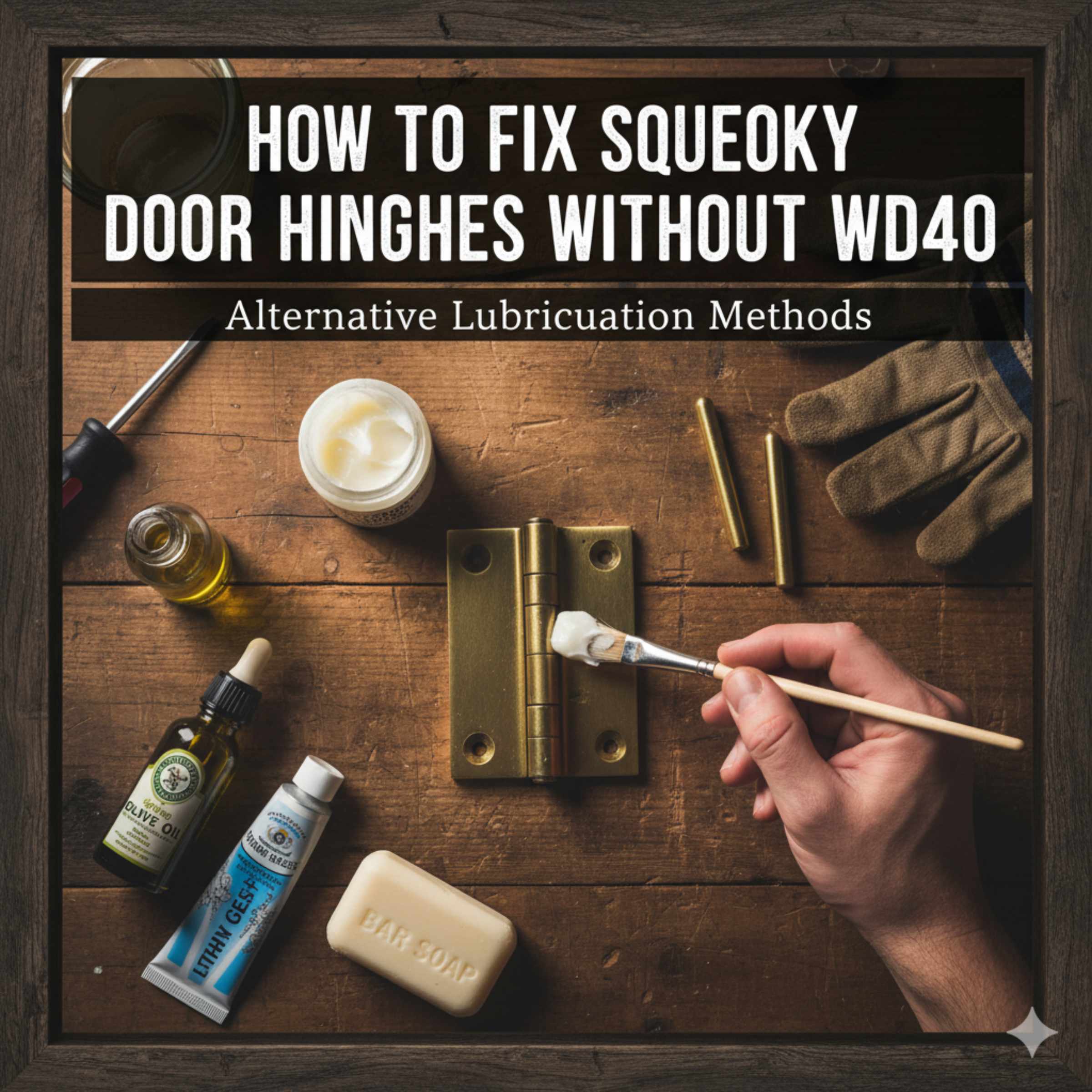
Fixing squeaky door hinges without WD-40 is simple using common household items like cooking oil, petroleum jelly, or bar soap. These alternatives lubricate the metal joint effectively, stopping annoying squeaks quickly and safely, often providing a longer-lasting solution than temporary sprays.
That high-pitched squeak every time a door opens is one of the most common, and most annoying, sounds in any home. It breaks the peace and makes even simple tasks feel like a noisy chore. You might think you need that blue and yellow can of spray lubricant, but often, WD-40 isn’t the best long-term fix, and sometimes, it just attracts more dust. The good news is that fixing squeaky door hinges without it is easy! We can use safe, simple items you already have in your kitchen or bathroom drawer. I’m going to walk you through exactly how to silence those noisy doors step-by-step. Let’s get your home quiet again!
Why Your Hinges Are Squeaking (It’s Not Always Dirt!)
Before we grab our tools, let’s quickly understand why that awful noise happens. Door hinges are simple mechanical parts: two pieces of metal joined by a pin, designed to swing smoothly.
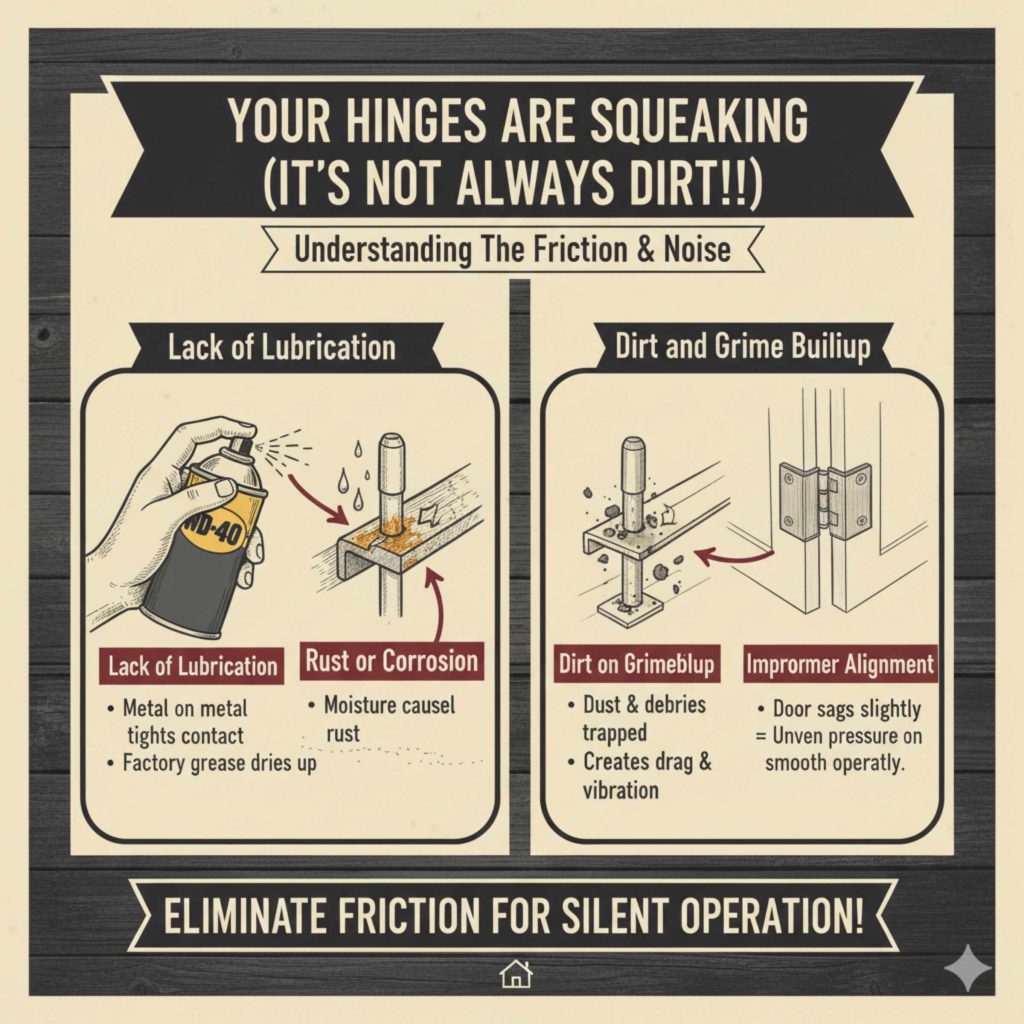
The squeak happens when the metal parts rub against each other without enough lubrication. This friction causes the vibration we hear as a squeak. Over time, the original factory grease dries up, wears away, or gets contaminated.
Common causes for squeaking include:
- Lack of Lubrication: The most common reason. The metal surfaces are dry.
- Rust or Corrosion: Moisture gets into the hinge, causing rust that creates drag.
- Dirt and Grime Buildup: Dust and debris get trapped between the knuckle and the pin.
- Improper Alignment: Sometimes, if the door sags slightly, the hinge pins are under uneven pressure.
We are going to focus on eliminating that friction using safe, effective lubricants you probably already own.
Gathering Your No-WD-40 Toolkit
The beauty of this project is that you don’t need specialized tools. We’re aiming for simple, effective, and beginner-friendly solutions. Safety first—always wear safety glasses when working near metal parts that might drop.
Essential Tools You Might Need:
- Safety Glasses
- Hammer (A small tack hammer works great)
- Nail or Punch (A sturdy nail or a proper hinge pin punch)
- Rags or Paper Towels (For cleanup)
- Pliers (Needle-nose or standard, helpful for pulling the pin)
Top Household Lubricants to Silence the Squeak
Forget the spray can. These household items work surprisingly well because they are oil-based or slick enough to penetrate the hinge joint.
| Lubricant Option | Pros | Cons |
|---|---|---|
| Petroleum Jelly (Vaseline) | Thick, stays in place well, very affordable. | Can sometimes attract dust if over-applied. |
| Cooking Oil (Olive, Vegetable) | Readily available, easy to apply with a dropper or swab. | Can drip or run; may go rancid over a very long time. |
| Bar Soap (Unscented or White) | Excellent for dry friction points, very clean application. | Requires rubbing directly onto the pin. |
| White Lithium Grease (If you have it) | Professional-grade lubrication, long-lasting. | Slightly messier than jelly, but superior performance. |
Method 1: The Quick Fix (No Pin Removal Necessary)
If you’re in a hurry or nervous about taking the door apart, start here. This method lubricates the hinge exterior and allows the lubricant to wick down into the joint.
Step 1: Prepare the Area
Place a rag directly under the hinge you are treating. This catches any drips and protects your floor or door frame.
Step 2: Apply the Lubricant
Choose your lubricant—petroleum jelly or cooking oil are best for this method.
If using Cooking Oil:
- Use a clean cotton swab (Q-tip) or a small paintbrush.
- Dip the swab into the oil.
- Gently work the oil into the gaps between the hinge knuckles (the rounded sections that overlap).
- Work the oil in by slowly opening and closing the door about 10 to 15 times.
If using Petroleum Jelly:
- Use your finger (wear a glove if you prefer) or a small plastic spreader.
- Apply a very thin layer of jelly directly onto the visible seams of the hinge.
- Work the door back and forth until the squeak stops.
Step 3: Clean Up
Wipe away any excess oil or jelly from the hinge surface immediately. Excess lubricant will just collect dust, which will eventually cause the squeak to return faster.
This quick fix works well for light squeaks caused by surface friction. If the squeak persists, it means the dirt or old grease inside the hinge barrel is the problem, and we need to go deeper.
Method 2: The Deep Clean (Removing the Hinge Pin)
For stubborn squeaks, we need to remove the hinge pin. This allows us to clean the pin thoroughly and apply fresh lubricant directly where it’s needed most. This is the most effective, long-lasting solution.
Step 1: Prepare the Door for Pin Removal
This step is crucial for safety and preventing damage to your door or frame.
- Keep the Door Shut: For best results, have a helper hold the door steady, or prop the door slightly ajar with a small wooden shim or wedge under the bottom edge. This keeps pressure off the hinge you are working on.
- Work on the Top Hinge First (Optional but Recommended): If you are removing multiple pins, always start with the bottom or middle hinge first. Removing the top pin first can sometimes cause the door to sag or shift, making the job harder.
Step 2: Removing the Hinge Pin
The hinge pin is the long rod running down the center of the hinge barrel.
- Locate the Bottom of the Pin: Look underneath the hinge. You will see the bottom of the pin sticking out slightly.
- Tap the Pin Upward: Place the tip of your nail or punch directly against the bottom of the pin. Hold the punch steady.
- Using your hammer, give the punch 2 or 3 light, sharp taps upward. Remember, we are pushing up because the pin is usually held in place by gravity pressing down. A light tap is usually enough; don’t smash it!
- Once the pin moves up enough (about half an inch), grab the top of the pin with your pliers and pull it straight out. If it’s stuck, try tapping from the top down instead, then pulling from the bottom up.
Expert Tip from Meraj: If the door is very heavy or high-traffic, only remove one hinge pin at a time. This keeps the door stable. If you must remove both pins on one side, ensure the door is fully supported!
Step 3: Cleaning the Pin and Hinge Barrel
Now that the pin is out, inspect it. It might look dull, greasy, or even slightly rusty.
- Clean the Pin: Use an old rag or a piece of fine-grit sandpaper (like 220 grit) to wipe down the entire surface of the pin until it is smooth and shiny. If there’s rust, scrub gently.
- Clean the Barrel: Look inside the hinge knuckles (the barrel). Use a dry cloth or a Q-tip to wipe out any loose dust or old, gummy grease inside. For stubborn grime, you can slightly dampen a rag with rubbing alcohol, but ensure it dries completely before moving on.
Step 4: Lubricating for Lasting Silence
This is where we apply our WD-40-free choice generously.
If using Petroleum Jelly or White Lithium Grease:
- Coat the entire length of the hinge pin with a thin, even layer of your chosen lubricant. You want it coated, but not gloppy.
- Apply a small dab of lubricant inside the hinge knuckles where the pin rests.
If using Bar Soap:
- Take the dry, clean hinge pin and rub the bar of soap vigorously against it, coating the entire pin surface with a layer of soap residue.
- Alternatively, if you can easily reach inside the barrel, rub the soap directly onto the inside surfaces of the knuckles.
Step 5: Reinserting the Pin and Testing
Carefully slide the lubricated pin back into the hinge barrel from the top.
- It should slide in easily. If it resists, stop, pull it back out, and add a little more lubricant. Never force it.
- Once the pin is seated, use your hammer to gently tap the pin back into place until the head of the pin is flush with the top of the hinge (or slightly below, depending on the hinge style).
- Open and close the door several times. The squeak should be gone!
- Wipe away any excess lubricant that squeezes out of the hinge.
Method 3: The Soap Solution (When You Have No Oil)
Sometimes, you don’t even have cooking oil handy, but you might have a bar of soap in the bathroom. This is a fantastic dry lubricant method, especially good for older doors where you want to avoid adding liquid oils that might stain wood trim.
When to Use Soap:
Soap works best on hinges that are squeaking due to minor friction or minor misalignment, rather than heavy rust. It deposits a waxy, slick layer.
The Soap Application Process:
- Ensure the Pin is Accessible: You will need to lift the pin slightly, even if you don’t remove it completely. Use your nail/punch to tap the pin up about a quarter of an inch.
- Rub the Soap: Take a dry bar of plain, unscented soap. Rub the soap directly onto the exposed part of the hinge pin—both on the top and bottom where it meets the hinge plates.
- Work it In: Push the pin back down flush. Open and close the door rapidly 20 to 30 times. The friction of the door movement will grind the soap into the metal surfaces.
- Check for Squeak: If the noise is reduced but not gone, repeat the process, trying to get more soap into the gap.
This method is extremely clean and surprisingly effective for a temporary or medium-term fix. For long-term durability, Method 2 using petroleum jelly or lithium grease is superior.
Understanding Hinge Types and Lubrication Needs
Not all hinges are created equal. The type of hinge on your door can affect how easy it is to fix the squeak. Most interior doors use a standard butt hinge, which is what we detailed above.
Ball Bearing Hinges
These are common on exterior doors or very heavy interior doors. They have small metal balls between the hinge knuckles to reduce friction.
If a ball bearing hinge squeaks, it usually means the balls themselves are corroded or the grease holding them has dried out.
Fixing Ball Bearing Hinges:
You generally must remove the pin completely for these. Once the pin is out, you must clean the balls thoroughly. Since the balls can easily fall out, you may need to hold the hinge plates together while removing the pin, or work on one hinge at a time. Lubricate the pin heavily with petroleum jelly or lithium grease before reinserting.
Mortise Hinges
These are recessed into the door and frame. The lubrication process is the same (Method 2), but they can sometimes be harder to access if the surrounding trim is tight.
A Note on Rust and Corrosion
If you notice orange or brown residue around your hinges, you have rust. Rust not only squeaks but actively wears down the metal.
For rusted hinges, after cleaning the pin (Step 3 of Method 2), you might need a slight abrasive step. You can use a specialized rust remover product, or for a DIY approach, you can use a small amount of fine steel wool (0000 grade) on the pin before re-lubricating heavily. Always ensure the area is dry before applying fresh lubricant. For more details on preventing corrosion, resources like the EPA often share maintenance tips for home structures.
Troubleshooting Persistent Squeaks
What if you’ve cleaned, lubricated, and reassembled, but the door still sings the song of its people? Don’t worry; we have a few more things to check before calling a professional.
1. Did You Use Enough Lubricant?
When using petroleum jelly, beginners often apply too little. It needs to be a noticeable layer on the pin. If you used cooking oil, it might have soaked in and evaporated too quickly. If the squeak returns within a week, repeat Method 2, but use a thicker substance like lithium grease or petroleum jelly.
2. Is the Pin Too Short?
If you tapped the pin too far down during reassembly, the top edge of the hinge might be rubbing against the frame, not the pin itself. Check that the pin head is sitting correctly relative to the hinge plates.
3. Is the Door Sagging?
If the door is sagging, the weight distribution on the hinges is uneven, causing metal-on-metal grinding even when lubricated.
How to Check for Sagging:
- Open the door halfway.
- Look at the gap between the door and the frame near the latch side. If the gap is wider at the top than the bottom (or vice versa), the door is sagging.
- The Fix: Tighten all the screws on the hinge plates (both on the door side and the frame side). Loose screws are a common cause of sagging. If tightening doesn’t work, you might need to slightly reposition the hinge or use a longer screw on the top hinge into a stud for better support, as recommended by many home building guides.
4. Is the Hinge Itself Bent?
If the door has been slammed repeatedly, the hinge leaf might be slightly bent, causing misalignment. If you see a noticeable bend, you may need to replace the entire hinge set. This is a slightly more advanced repair, but the steps are similar to pin removal, just involving unscrewing the entire unit.
Maintenance Tips for Quiet Doors
Once you’ve silenced your door, a little preventative care goes a long way toward keeping it quiet for years to come.
Regular Check-Ups
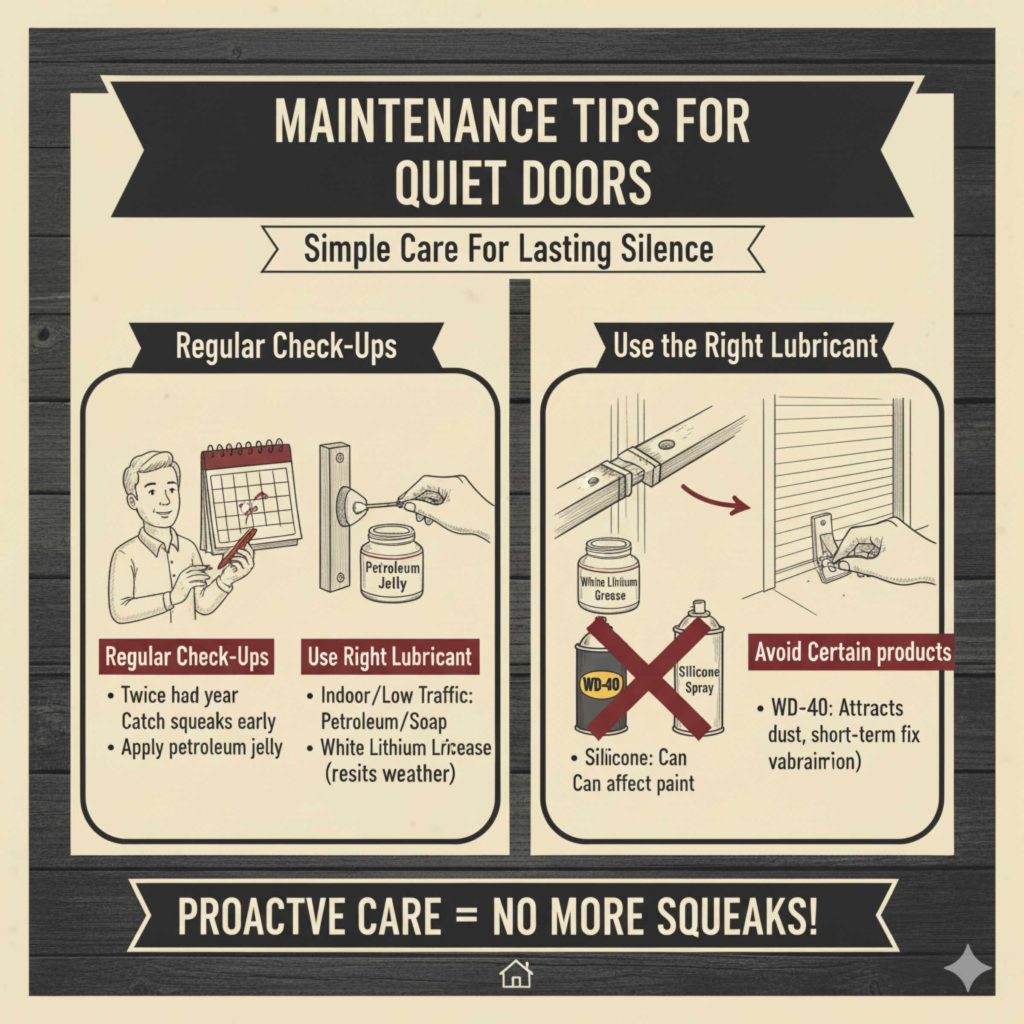
Make it a habit to check your main interior door hinges twice a year (perhaps when you change your smoke detector batteries). If you hear a slight groan starting, apply a quick dab of petroleum jelly before it turns into a full squeak.
Use the Right Lubricant for the Job
For indoor, low-traffic doors, petroleum jelly or soap is great. For exterior doors, garage doors, or high-traffic doors, invest in a can of White Lithium Grease spray. It’s designed to stay put and resist weather, offering superior protection compared to cooking oils.
Avoid Certain Products
While WD-40 can temporarily stop a squeak, it’s primarily a water displacer and solvent, not a long-term lubricant. It tends to attract dust and dirt, which can gum up the hinge over time, making the squeak worse later on. Similarly, avoid using silicone sprays on painted hinges, as they can sometimes interfere with paint adhesion if you ever decide to repaint the door.
Frequently Asked Questions (FAQ)
Q1: Can I use olive oil on my door hinges?
A: Yes, olive oil works well as a quick, temporary lubricant. Apply a small amount with a Q-tip to the hinge gaps. However, it can eventually go rancid or attract dust, so plan to re-lubricate with a thicker substance like petroleum jelly within a few months.
Q2: How long should it take to fix a squeaky hinge?
A: The quick fix (Method 1) takes about 5 minutes. The deep clean method (Method 2), including cleaning and reassembly, usually takes 10 to 15 minutes per hinge, depending on how stuck the pin is.
Q3: Do I need to remove the pin to fix the squeak?
A: Not always. For minor squeaks, applying lubricant directly to the seams (Method 1) often works. For loud or long-lasting squeaks, removing and cleaning the pin (Method 2) is necessary for a permanent fix.
Q4: What if the hinge pin is stuck and won’t move up?
A: Do not use excessive force. If tapping lightly doesn’t work, try tapping from the opposite direction first. If it’s still stuck, the pin might be rusted in place. Try applying a penetrating oil (like PB Blaster, if you have one) to the top and bottom of the pin and let it sit for 30 minutes before trying to tap again.
Q5: Is bar soap better than cooking oil?
A: For cleanliness, yes. Bar soap creates a dry, waxy film that doesn’t attract as much dust as oil does. For heavy-duty lubrication, petroleum jelly or lithium grease is superior to both soap and cooking oil.
Q6: Can the squeak be caused by the screws being loose?
A: Absolutely. Loose hinge screws cause the metal plates to shift, leading to friction where they shouldn’t be. Always tighten all hinge screws before assuming the problem is deep inside the pin mechanism.
Conclusion: Enjoying the Silence
That persistent squeak is finally gone, and you did it yourself using simple items from around the house—no specialized chemicals required! By understanding the difference between a quick surface fix and a deep lubrication that requires pin removal, you’ve not only silenced the noise but also learned a valuable piece of home maintenance.
Remember, maintaining moving parts is key to a peaceful home. Whether you chose the easy swipe of petroleum jelly or the thorough deep clean of Method 2, you’ve restored function and quiet to your door. Go ahead, swing that door open and closed a few times. Listen closely—all you should hear now is the satisfying, smooth sound of a well-oiled hinge. You’ve built confidence and saved yourself a trip to the hardware store. Great job, friend!