How to Get White Haze Off Hardwood Floors
Match the cleaner to the finish: use a damp microfiber cloth and pH-neutral hardwood cleaner for polyurethane, solvent-based wax cleaner for wax residue, and a white-vinegar wipe only for mineral film on compatible floors. The wrong fix can leave dull patches, swell boards, or strip finish. This guide shows how to identify white haze, then choose the safest removal method by floor finish.
What causes white haze on hardwood?

White haze usually comes from residue on top of the finish, moisture trapped in or under the finish, or damage that has changed the finish itself. First sort white film, cloudy haze, white spots, and white rings, because each one points to a different fix.
Residue on top of the finish
White film often sits on the surface. That pattern is common after repeated cleaner layers, waxy residue, or a product that left a dull film behind. Most modern hardwood floors use a polyurethane surface finish, and that finish can haze from residue, vinegar, or steam.
Moisture in or under the finish
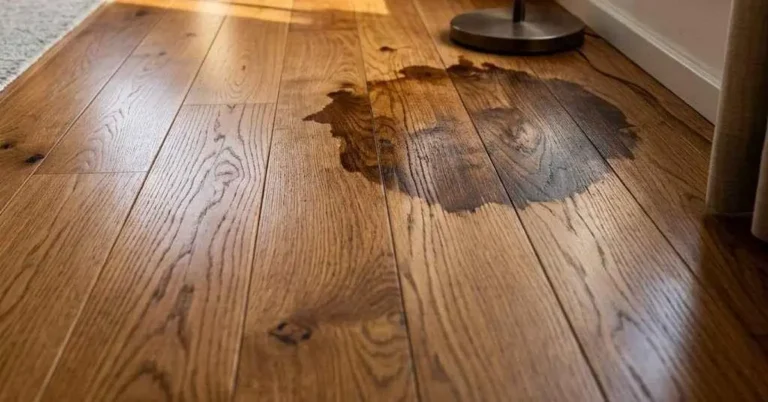
Cloudy patches, white spots, and white rings often point to moisture. On sealed floors, the mark may sit in the finish rather than in the wood. On waxed floors, water can get through the wax and leave a pale mark below the surface layer.
When haze is damage, not buildup
If the mark does not change after dry buffing and targeted cleaning, stop treating it as residue. Widespread clouding, peeling, cupping, or a finish that looks soft or lifted points to a repair problem, not a cleaning problem.
What you’ll need
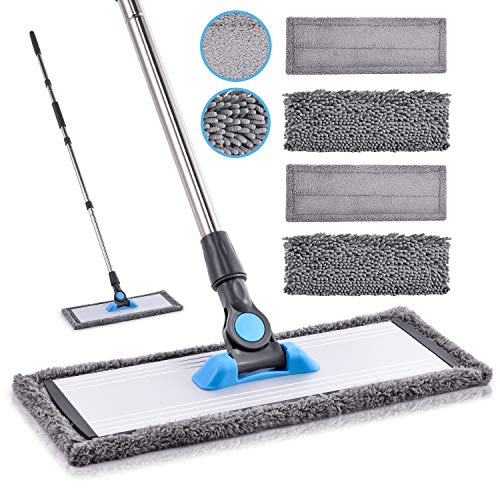
- Microfiber mop with clean pads
- pH-neutral hardwood floor cleaner for sealed floors
- Dry microfiber cloths for buffing
- Soft brush or vacuum for dry debris
- Optional: solvent-based wax cleaner for waxed floors
- Optional: manufacturer-specific soap or care oil for oil-finished or hardwax-oil floors
White haze decision table
| Symptom | Likely cause | Safest test | Recommended fix | Red-flag finish types | Stop and call a pro if |
|---|---|---|---|---|---|
| White film | Residue sitting on top of the finish | Dry buff about a 1-foot patch with a clean microfiber cloth to check for white film residue. | Use a barely damp microfiber mop with a pH-neutral hardwood cleaner on sealed floors; use solvent-based wax cleaner on wax finish | Wax finish if water-based cleaner is used; oil-finished floors if treated with a multi-surface cleaner | The film spreads, stays dull after two passes, or returns after each cleaning |
| Cloudy haze | Cleaner buildup, vinegar dulling, or steam-related moisture | Wipe one small area with a dry microfiber cloth, then a second area with the correct finish cleaner | Reduce residue with a pH-neutral cleaner on polyurethane; use manufacturer soap on oil or hardwax-oil floors | Polyurethane if steam was used; wax if ammonia or water-heavy cleaning was used | Clouding covers large areas or the finish looks lifted, soft, or peel-prone |
| White spots and white rings | Moisture-related marks in or under the finish | Check whether the spot changes after dry buffing and a water drop test on an out-of-sight board | On sealed floors, try gentle buffing and a finish-safe cleaner; on waxed floors, re-wax only after the surface is clean and dry | Wax finish if the spot is below the wax layer; oil finish if the mark stays after near-dry cleaning | Rings remain after buffing, or the board shows swelling, cupping, or finish failure |
Finish check
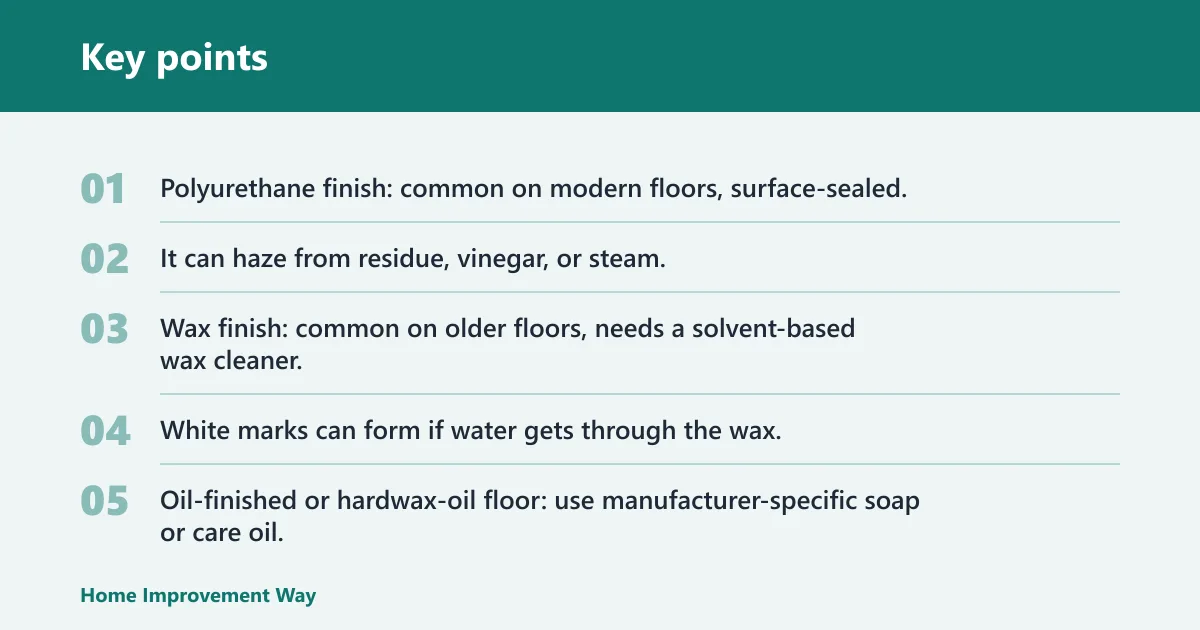
Polyurethane finish: common on modern floors, surface-sealed, and best cleaned with a barely damp microfiber mop. It can haze from residue, vinegar, or steam, and it should not be waxed over without stripping.
Wax finish: common on older floors, needs a solvent-based wax cleaner, and does not tolerate water-based cleaners well. White marks can form if water gets through the wax.
Oil-finished or hardwax-oil floor: use manufacturer-specific soap or care oil, keep cleaning near-dry, and avoid alkaline or multi-surface cleaners.
How do you identify the floor finish?
The water drop test helps separate sealed floors from absorbent ones. If a drop beads up, the floor is likely sealed. If it darkens quickly or disappears into the surface, the finish is more absorbent and needs a different care method.
Water drop test for sealed floors
- Choose a hidden board near a wall or under furniture.
- Place one drop of water on the surface.
- Wait one minute.
- Wipe it dry and check the mark.
Beading points toward a sealed floor. Fast darkening may point toward wax or an oil-finished surface, which changes the cleaning method.
Signs of wax finish on older floors
Older floors with a soft sheen, patchy dullness, or a finish that feels sticky after water are common wax candidates. A wax floor usually needs a solvent-based wax cleaner, not a water-heavy routine.
Signs of oil-finished or hardwax-oil floors
These floors often look matte or low sheen and may show wear in traffic paths before the rest of the floor changes. Clean them near-dry and use the brand’s soap or care oil. A general-purpose cleaner can leave a film.
How do I get white haze off hardwood floors?
Start with dry buffing, then move to the cleaner that matches the finish. On polyurethane, a barely damp microfiber mop and pH-neutral hardwood cleaner are the safest first move. On wax or oil finishes, use the product made for that finish instead of a one-size-fits-all cleaner.
Step 1: Dry clean first
- Sweep or vacuum to pull up grit and dust.
- Wipe the hazy area with a dry microfiber cloth.
- Check whether the mark lightens before you add moisture.
A common first-timer mistake is going straight to a wet mop. That can spread residue and push moisture into seams.
Step 2: Test a small area
- Pick a hidden square near a baseboard.
- Apply the chosen cleaner to the cloth or microfiber pad, not the floor.
- Work the spot, then dry it right away.
Say your living room has a white film near the sofa, but the hallway boards look clear. Test the sofa area first. If the haze shifts after one pass, stop there and do not widen the treatment.
Step 3: Clean with the right product for the finish
- For polyurethane, use a pH-neutral hardwood floor cleaner with a barely damp microfiber mop.
- For wax, use a solvent-based wax cleaner and follow the can’s directions.
- For oil-finished floors, use the manufacturer’s soap or care oil and keep the pad near-dry.
Work in small sections so the cleaner does not sit on the floor. For sealed floors, the cleaner should leave no noticeable film after drying.
Step 4: Buff dry and check the result
- Wipe the cleaned area with a dry microfiber cloth.
- Look at the floor from two angles.
- If the haze remains, repeat once with the same finish-safe method.
If the mark only fades and then returns, the problem is likely buildup or moisture damage, not simple dirt.
When do white spots need more than cleaning?
White spots that stay after dry buffing can mean moisture has reached the finish or the layer below it. On sealed floors, a white ring may sit in the finish and sometimes responds to buffing. On wax floors, the repair may call for re-waxing after the surface is clean and dry.
White rings on sealed floors
Try a dry microfiber cloth first, then a finish-safe cleaner. If the ring remains, the mark may be in the finish rather than on it. Widespread rings or soft-looking areas need a refinisher’s judgment.
White marks on wax finish
Wax can hide moisture damage until the mark turns pale. Use the solvent-based wax cleaner first. If the surface still looks chalky, the wax layer may need stripping before a new coat goes down.
Clouding that points to finish failure
Peeling, cupping, or broad cloudy areas are not cleaning problems. They mean moisture has moved past the surface layer, or the coating has failed. At that point, cleaning can make the finish look worse.
Common mistakes
- Using vinegar or ammonia on the wrong finish. Vinegar can dull hardwood floors over time, and ammonia can leave residue or attack the wrong coating.
- Using too much water. A wet mop can drive moisture into seams and create new white marks.
- Using steam on hardwood. Steam mops can force moisture into seams and cause peeling, cupping, or clouding.
- Waxing over residue instead of removing it first. That can trap the haze and make the floor look duller.
- Using a microfiber pad with fabric softener residue. Wash pads without fabric softener so they do not leave a film.
How do I get white spots off hardwood floors?
Use the finish to guide the repair. White spots on polyurethane often respond to dry buffing, then a pH-neutral cleaner in a barely damp microfiber mop. On waxed floors, use a solvent-based wax cleaner. If the spot stays after that, the finish may need repair instead of more cleaning.
How do I get white film off hardwood floors?
White film is usually surface residue, so start with dry buffing and a finish-safe cleaner. On polyurethane, a pH-neutral hardwood cleaner is the best first choice. If the film came from layered products, one cleaning may not be enough; the buildup can need stripping rather than repeated mopping.
Frequently asked questions
Can I use vinegar to remove haze from hardwood floors?
Vinegar is a poor default for hardwood haze because it can dull the finish over time. If the floor is polyurethane and the haze is mineral film, a very light vinegar wipe may help, but only after a small test spot. A pH-neutral hardwood cleaner is safer for routine care.
Will steam remove white haze from hardwood floors?
Steam is more likely to create trouble than solve haze. Steam mops can force moisture into seams and may cause peeling, cupping, or clouding. If haze is residue, a barely damp microfiber mop and the right cleaner are the safer route.
How do I know if my floor finish is polyurethane or wax?
Use the water drop test first. Beading points toward polyurethane or another sealed finish. Fast darkening points toward wax or an absorbent finish. Older floors with patchy sheen and a soft surface feel often need a wax cleaner, while sealed floors respond better to pH-neutral cleaners.
How do I remove haze without dulling the finish?
Use the least aggressive method that matches the finish: dry buff first, then a barely damp microfiber mop with a pH-neutral hardwood cleaner on polyurethane. Do not soak the floor, and do not keep reapplying cleaner if the haze is already gone. That is how residue becomes buildup.
What causes white haze on hardwood floors?
Three causes show up most often: residue on top of the finish, moisture trapped in or under the finish, and finish failure. White film usually points to residue, while white rings and cloudy patches more often point to moisture or a damaged coating.
When does white haze mean damage instead of residue?
If the mark stays after dry buffing and a finish-safe cleaner, treat it as damage or buildup that needs deeper work. Peeling, cupping, and broad clouding are strong signs to stop DIY cleaning and call a flooring refinisher.
Sponsored / affiliate links. As an Amazon Associate I earn from qualifying purchases. I may earn additional commission from eligible campaigns.