Sandpaper Silicon Carbide Vs Aluminum Oxide: Which Wins?
The main difference between silicon carbide and aluminum oxide sandpaper lies in their hardness, sharpness, and how they break down during use. Silicon carbide is harder and sharper, breaking down faster but leaving a smoother finish. Aluminum oxide is tougher and lasts longer, making it ideal for heavy-duty sanding.
Understanding Abrasive Grains: The Heart of Sandpaper
Sandpaper is more than just paper with grit. The ‘grit’ is actually tiny grains of abrasive material glued to a backing. These grains do the actual work of scratching away material.
Different grains have different properties. These properties affect how they cut, how long they last, and what kind of surface they leave behind.
Think of it like choosing the right tool for a job. You wouldn’t use a butter knife to chop an onion, right? Sandpaper is the same.
The abrasive grain is the cutting edge. Its material, shape, and how it’s attached matter a lot. We’ll focus on the two most popular choices: silicon carbide and aluminum oxide.
We will break down what makes each one tick.
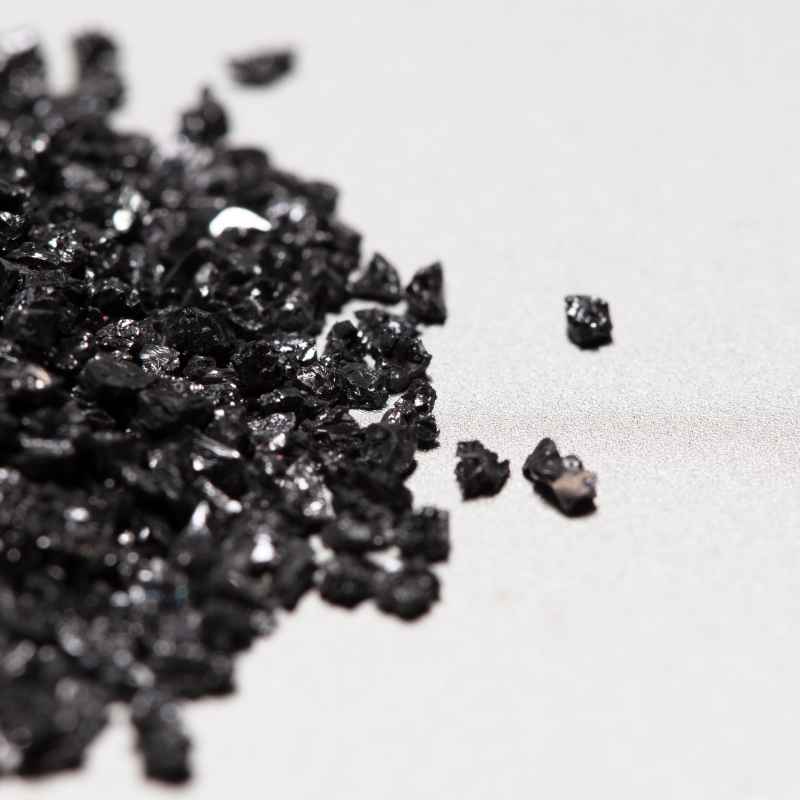
Silicon Carbide: The Sharp, Fast Cutter
Silicon carbide (often called SiC) is a synthetic abrasive. It’s known for being very hard and very sharp. It’s made in special furnaces.
This process creates sharp, brittle crystals.
Because these crystals are so sharp, they cut into surfaces very easily. This is great when you want to remove material quickly. But because they are brittle, they tend to break down faster than other grains.
When they break, they create new, sharp edges. This can leave a very smooth finish.
Silicon carbide sandpaper is often dark gray or black. It’s a good choice for delicate tasks. It works well on hard, smooth surfaces.
Think glass, plastic, and metal. It’s also great for finishing work. This is where you want a really polished look.
What Makes Silicon Carbide Special?
The key thing about silicon carbide is its sharpness. Imagine tiny, sharp knives all over your sandpaper. These knives slice through material.
This gives you a clean cut. It doesn’t really ‘dig in’ like some other grains might.
When SiC grains dull, they fracture. This exposes fresh, sharp points. So, you get a consistent cutting action for a while.
But this also means the sandpaper wears out quicker. You might need to change it more often for tough jobs.
This grain is ideal for woodworking on harder woods. It’s also a top pick for wet sanding. Wet sanding helps keep dust down.
It also makes the sandpaper last longer. And it helps achieve a super smooth finish. This is why detailers use it on cars.
Experience with Silicon Carbide
I remember working on an old wooden chair once. It had a very thick, glossy varnish. I wanted to strip it down to the bare wood.
I grabbed some standard sandpaper, but it just clogged up. It wasn’t cutting at all. I felt really stuck.
Then I remembered I had some silicon carbide paper.
I started with a medium grit. Wow, what a difference! The sharp grains dug in.
They sliced through that old varnish like butter. It was removing the old finish so much faster. I didn’t have to press hard.
The dust was less of a problem too, as the grains broke cleanly. I was able to get down to the clean wood without a huge struggle. It really saved my afternoon.
Silicon Carbide Quick Facts
Color: Usually dark gray or black.
Hardness: Very hard.
Sharpness: Very sharp, brittle crystals.
Breakdown: Fractures easily, creating new sharp edges.
Best For: Glass, plastic, metal, varnish, fine finishes, wet sanding.
Pros: Fast cutting, smooth finish, good for hard surfaces.
Cons: Wears out faster than aluminum oxide.
Aluminum Oxide: The Tough, Long-Lasting Workhorse
Aluminum oxide (often called AlOx) is another synthetic abrasive. It’s the most common type of sandpaper grain. It’s known for its toughness and durability.
It’s made in electric arc furnaces. This process creates grains that are stronger and more blocky.
These grains are not as sharp as silicon carbide when new. But they are much tougher. They don’t break down as easily.
Instead, they tend to wear down slowly. This means the sandpaper lasts a lot longer, especially on tougher materials.
Aluminum oxide sandpaper usually comes in brown, reddish-brown, or gray colors. It’s a very versatile abrasive. It’s great for sanding wood, drywall, and painted surfaces.
It’s also good for general-purpose metal work. Because it lasts longer, it’s often more cost-effective for larger projects.
What Makes Aluminum Oxide Tough?
The key thing about aluminum oxide is its durability. Think of tiny, strong, blunt chisels. They grind away material rather than slice it.
These grains are very resistant to breaking. They can handle a lot of pressure and heat.
As the grains wear down, they become duller. They don’t create new sharp edges as readily as silicon carbide. This means the sandpaper might feel less aggressive over time.
But it keeps cutting for a longer period. This makes it ideal for jobs where you need consistent sanding over a large area.
Aluminum oxide is the go-to for most DIY projects. If you’re sanding a deck, a piece of furniture, or drywall, this is probably what you’ll use. It’s less likely to get clogged with dust than softer abrasives.
It holds up well against wood resins and paint.
Experience with Aluminum Oxide
My dad built a big bookshelf for our living room. It was made of pine wood. He spent weeks building it.
The final step was sanding it smooth before painting. He had a huge roll of sandpaper. I remember it was a brownish color.
He said it was aluminum oxide.
He worked on that bookshelf for hours. The sandpaper seemed to handle it all. It didn’t wear out too fast.
He could sand large sections without stopping to change the paper. He only had to switch to a finer grit later on. The dust did get on the paper sometimes.
But he could often brush it off. In the end, the bookshelf was perfectly smooth. The aluminum oxide paper did a fantastic job and held up through the whole big project.
Aluminum Oxide Quick Facts
Color: Usually brown, reddish-brown, or gray.
Hardness: Hard, but less brittle than SiC.
Sharpness: Less sharp initially, wears down slowly.
Breakdown: Wears down gradually, maintains grit for longer.
Best For: Wood, drywall, paint, general metal work.
Pros: Durable, long-lasting, cost-effective for large jobs.
Cons: Can wear down to a duller point, less aggressive cut initially.
Comparing the Grains: Key Differences
Let’s put them side-by-side. This will make it clearer. Think about what you need for your project.
Silicon Carbide vs. Aluminum Oxide at a Glance
| Feature | Silicon Carbide | Aluminum Oxide |
|---|---|---|
| Hardness | Extremely Hard | Hard |
| Sharpness | Very Sharp (brittle) | Tough (wears down) |
| Durability | Lower | Higher |
| Cutting Action | Fast, aggressive cut | Slower, more grinding |
| Surface Finish | Smoother, finer | Can be rougher initially |
| Best For | Glass, plastic, metal, finishing | Wood, drywall, paint, general use |
| Life Span | Shorter | Longer |
Think about the material you’re working on. Is it soft wood, hard metal, or delicate glass? This is the first big clue.
Then consider the finish you want. Do you need a super smooth polish, or just to shape it?
Also, think about how long you’ll be sanding. For a quick touch-up, maybe silicon carbide is fine. For a huge deck refinishing project, you’ll want the long life of aluminum oxide.
Grit Matters: A Quick Refresher
Both silicon carbide and aluminum oxide come in different grits. Grit size is super important. It tells you how coarse or fine the sandpaper is.
The number goes from low (coarse) to high (fine).
Coarse grits (like 40-80) remove a lot of material quickly. They are good for shaping or stripping old finishes. Fine grits (like 180-400+) are for smoothing.
They prepare surfaces for paint or stain.
You’ll often use a sequence of grits. Start coarse. Then move to finer grits.
This gets you the best results. You can find silicon carbide and aluminum oxide in almost any grit size. So the grain type is more about its cutting action and durability.
When to Use Which Grit: A General Guide
Here’s a simple breakdown. It helps you pick the right grit for the job. Remember, this applies to both SiC and AlOx.
Choosing the Right Grit Level
Coarse Grit (20-80): For heavy material removal. Removing paint, varnish, rust, or shaping wood.
Medium Grit (100-150): For general sanding and smoothing. Removing old finishes, evening out surfaces.
Fine Grit (180-220): For preparing surfaces for finishing. Smoothing between coats of paint or varnish.
Very Fine Grit (240-400): For light smoothing and polishing. Getting ready for final finishes, buffing.
Super Fine Grit (400+): For high-gloss finishes and polishing. Auto body work, delicate finishes.
So, while grit is crucial, the grain type is the next layer of choice. It dictates how that grit performs.
Sandpaper Backing and Bonding
It’s not just the grain that matters. The sandpaper also has a backing and the glue that holds the grit. These are important for durability and how the paper performs.
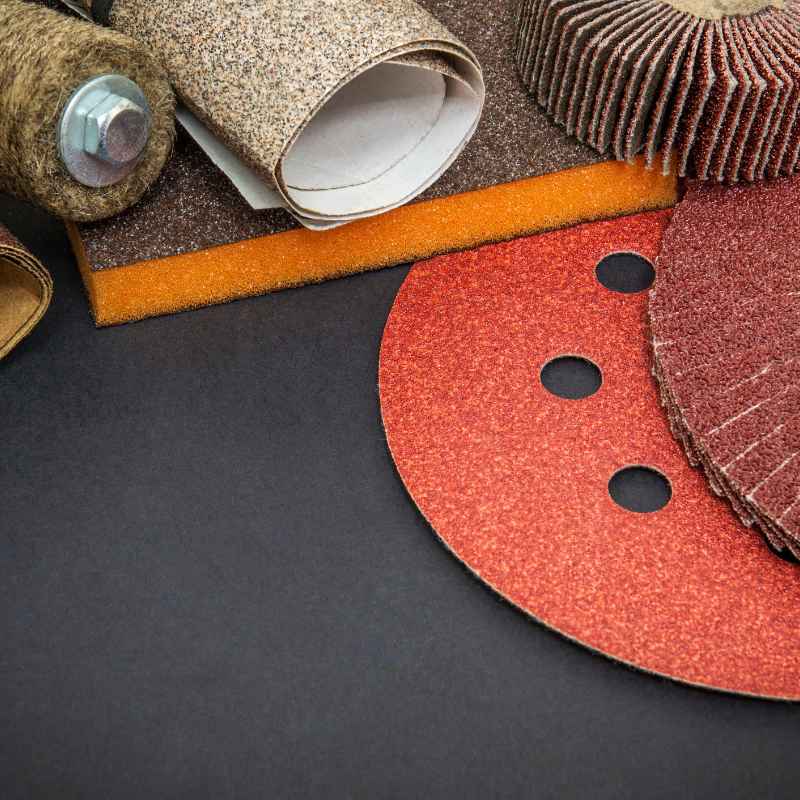
Backing materials include paper, cloth, or film. Paper is common for lighter tasks. Cloth is stronger and more flexible, good for sanding curves.
Film is very durable and water-resistant.
The bonding agent is the glue. It holds the abrasive grains to the backing. There are two main types: glue and resin.
Resin bonding is stronger and more heat-resistant. It’s better for heavy-duty sanding and longer life.
Silicon carbide paper often uses a paper backing and glue. This keeps it from being too stiff. It’s good for its sharp cutting action on smooth surfaces.
Aluminum oxide is often on stronger backings like cloth or paper with resin. This suits its durable nature for tougher jobs.
Sandpaper Types: Open Coat vs. Closed Coat
Another thing to consider is how the grains are arranged. This is called the coating.
Closed Coat: The abrasive grains cover nearly 100% of the surface. This gives maximum grit contact. It’s good for aggressive sanding.
But it can clog easily with dust or soft materials.
Open Coat: The abrasive grains cover about 50-70% of the surface. There are gaps between the grains. This allows dust and debris to fall away.
It helps prevent clogging. It’s better for soft woods, painted surfaces, and wet sanding.
Silicon carbide is often found in closed coat for its smooth finishing ability. Aluminum oxide can be found in both. Open coat aluminum oxide is very popular for woodworking because it resists clogging.
Real-World Scenarios: Matching Paper to Task
Let’s walk through a few common tasks. This will help you see the choices in action.
Scenario Spotlights
Scenario 1: Sanding a table top before staining. You need a smooth surface. You’ll use grits from 120 up to 220. Aluminum oxide in an open coat is a great choice here.
It will smooth the wood without clogging easily. If you’re working on a very hard wood, or want an extra smooth finish, silicon carbide in finer grits could also work well.
Scenario 2: Removing rust from a metal railing. This is a tough job. You need something durable. Aluminum oxide with a sturdy cloth backing is ideal.
You’ll start with a coarse grit (like 60 or 80). The tough grains will grind away the rust effectively. It will last longer than silicon carbide for this job.
Scenario 3: Polishing glass for a craft project. Glass is very hard and needs a very smooth finish. Silicon carbide is the star here. Its sharp, brittle grains cut cleanly without scratching deeply.
You’ll use very fine grits (like 400, 600, or even higher). Often, wet sanding with silicon carbide is the best method for glass.
Scenario 4: Sanding drywall mud. This creates a lot of fine dust. You need sandpaper that won’t clog. Open coat aluminum oxide is perfect.
It lets the dust pass through. You typically use grits like 120 or 150. It’s a forgiving choice for this task.
Notice how the material, the toughness needed, and the desired finish guide the choice. Both SiC and AlOx can do many jobs, but one is often better.
What This Means for You: Making the Choice
So, when you stand in front of that sandpaper aisle, how do you decide? Here’s a simple guide.
When is Silicon Carbide Your Best Friend?
You’ll want silicon carbide for:
- Fine Finishing: When you need that super smooth, polished look.
- Hard, Smooth Surfaces: Glass, plastic, tile, and some metals.
- Wet Sanding: It holds up well and cuts cleanly when wet.
- Detail Work: Its sharp cut is precise for smaller areas.
- Removing Glaze or Varnish: It cuts through smooth coatings efficiently.
If the project involves delicate materials or a high-gloss finish, reach for silicon carbide.
When is Aluminum Oxide Your Go-To?
Aluminum oxide is your best bet for:
- General Woodworking: From soft pine to hard maple.
- Drywall: Its durability handles the joint compound dust.
- Painting Prep: Smoothing surfaces before priming or painting.
- Metal Fabrication: Removing burrs or preparing surfaces for welding.
- Large Projects: Where durability and longevity matter most.
If you’re tackling a big job or working with common materials like wood and drywall, aluminum oxide is likely the right choice.
Quick Tips for Better Sanding
No matter which grain you choose, a few tips can help.
- Always sand in the direction of the grain. This is especially important for wood. It prevents visible scratches.
- Don’t press too hard. Let the sandpaper do the work. Pressing too hard can clog the paper or create uneven sanding.
- Keep the surface clean. Dust can build up. Brush off excess dust often.
- Use the right grit for the job. Starting too fine will take forever. Starting too coarse might damage the material.
- Progress through grits. Move from coarse to fine. This ensures a smooth finish.
- Store sandpaper properly. Keep it dry and flat. Humidity and bending can ruin it.
These simple steps will make your sanding go smoother and your results look better.
Frequently Asked Questions About Sandpaper Grains
Common Sandpaper Questions
Can I use silicon carbide sandpaper on wood?
Yes, you can use silicon carbide sandpaper on wood. It’s especially good for hardwoods and for achieving a very smooth finish. It excels in finer grits for detail work or preparing wood for a high-gloss finish.
However, aluminum oxide is generally more durable for heavy-duty wood sanding and may last longer on softer woods.
Is aluminum oxide sandpaper good for metal?
Yes, aluminum oxide sandpaper is very good for metal. It’s durable enough to handle rough metal surfaces. It’s used for removing rust, burrs, or preparing metal for painting or welding.
For very fine polishing of metal, silicon carbide in fine grits might offer a smoother finish.
Which sandpaper lasts longer: silicon carbide or aluminum oxide?
Aluminum oxide sandpaper generally lasts longer. It is a tougher, more durable grain that wears down slowly. Silicon carbide is sharper but more brittle, meaning it breaks down faster, though it does create new sharp edges when it fractures.
What is the best sandpaper for painting a car?
For painting a car, you’ll typically use a combination. For initial paint removal or bodywork, aluminum oxide might be used. However, for achieving a smooth finish between paint coats and for the final clear coat polishing, high-grit silicon carbide sandpaper (often wet) is preferred due to its ability to create a flawless surface.
Can I use sandpaper on drywall?
Yes, sandpaper is used to smooth drywall compound (mud). Open coat aluminum oxide sandpaper in medium grits (like 120-150) is highly recommended for drywall. Its open coat design prevents clogging from the fine dust created when sanding dry mud.
What does “open coat” mean on sandpaper?
“Open coat” means the abrasive grains are spaced out on the sandpaper’s surface, leaving gaps. This design allows dust and debris to fall away from the grit, preventing the sandpaper from clogging up quickly. It’s ideal for soft materials like wood or painted surfaces that produce a lot of dust or gum up the grit.
Is silicon carbide better for wet sanding?
Yes, silicon carbide is generally considered better for wet sanding. Its sharp, brittle nature holds up well in water, and the water helps flush away debris and keep the surface cool. This combination leads to a very smooth finish, often used in automotive detailing and for polishing glass or plastics.
Conclusion: Your Sanding Choice Made Simple
Deciding between silicon carbide and aluminum oxide sandpaper comes down to your project. Silicon carbide offers a sharp, fast cut for delicate materials and fine finishes. Aluminum oxide provides durable, long-lasting performance for general use.
Understanding their strengths helps you choose wisely.
Now you know the key differences. You can confidently pick the right sandpaper. This makes your projects go smoother and look better.
Happy sanding!
Sponsored / affiliate links. As an Amazon Associate I earn from qualifying purchases. I may earn additional commission from eligible campaigns.