When To Take Off Masking Tape After Painting (Right Time)
The best time to remove masking tape after painting is when the paint is dry to the touch but not fully cured. For most latex paints, this is typically 24 hours. However, conditions can change this.
Always check the paint can for specific drying times. Pulling the tape at the right moment prevents it from sticking too firmly and lifting paint.
Understanding Paint Drying vs. Curing
When you paint a wall, the paint goes through different stages. First, it dries to the touch. This means the surface feels dry.
You can lightly touch it without getting paint on your finger. This usually happens within a few hours. The paint is still wet underneath.
It hasn’t hardened yet.
Then, the paint starts to cure. Curing is a longer process. It’s when the paint fully hardens and reaches its final durability.
This can take days or even weeks. The paint is tough and resistant when it’s fully cured. The tape can bond strongly to fully cured paint.
This is where the problem starts. If you pull the tape too soon, the wet paint can smear. It can stick to the tape and lift off the wall.
If you wait too long, the paint will dry and bond to the tape. The tape becomes part of the dry paint layer.
When you pull the tape later, it can rip the paint film. This leaves jagged edges. It’s a real headache to fix.
You might have to repaint. Or you’ll have to carefully touch up the lines. So, finding that sweet spot is key.
The “Dry to the Touch” Sweet Spot
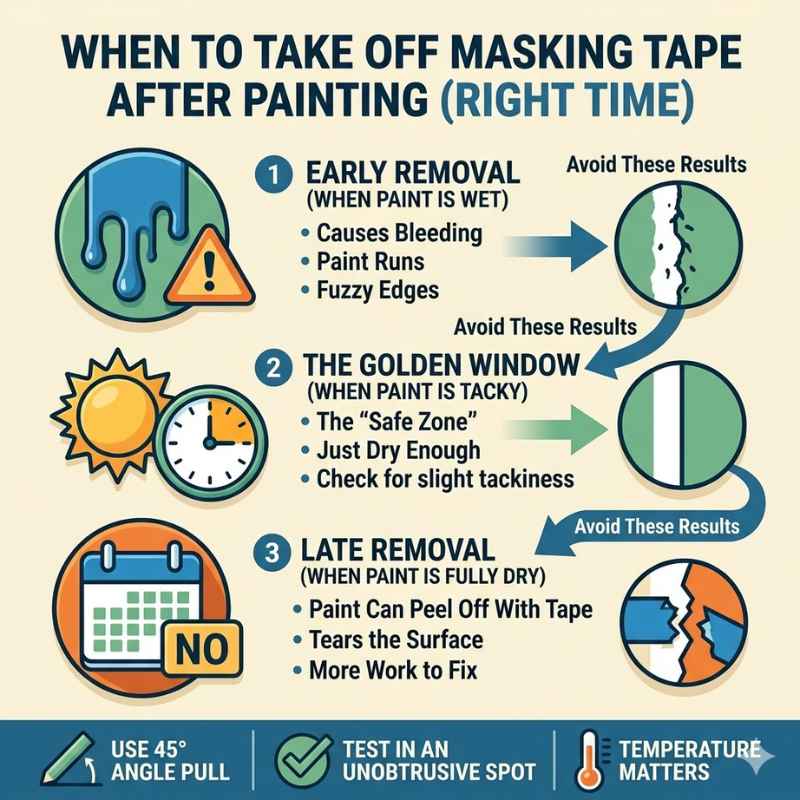
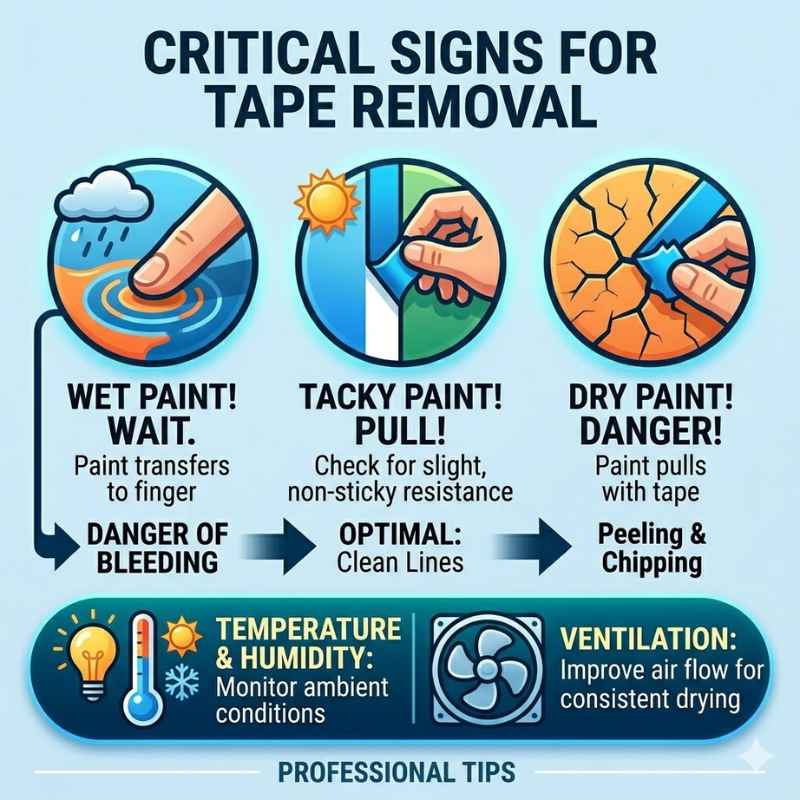
The goal is to remove the tape when the paint is dry enough not to smear. But it shouldn’t be so dry that it sticks permanently to the tape. This is the “dry to the touch” phase.
Think of it as paint that has set but isn’t fully committed.
For most common latex or acrylic paints, this often happens within 24 hours. Some paints dry faster. Others take a bit longer.
Temperature and humidity play a big role. Warmer, drier air helps paint dry quicker. Cooler, humid air slows it down.
You’re looking for a surface that feels firm. It shouldn’t feel tacky. If you press gently, your finger shouldn’t stick.
But if you can still feel a slight give, that’s often good. It means the paint film has enough body to hold its shape.
This is why patience is important. Rushing this step can undo all your careful work. It’s better to wait an extra hour or two than to have to fix mistakes later.
My Own Tape Troubles: A True Story
I remember one project in my old apartment. I was painting my living room a deep navy blue. I’d meticulously taped off the white trim.
It took me hours. The room looked amazing. I was so proud.
The paint dried overnight. I woke up excited to peel off the tape. I grabbed a corner, ready to reveal my perfect lines.
But as I pulled, disaster struck. The tape didn’t just peel away. It peeled up chunks of the beautiful navy paint.
Jagged lines appeared where smooth edges should be. Panic set in. I looked at the wall, then at the tape covered in wet paint.
It was a mess. I’d waited too long, and the paint had bonded with the tape. It felt like a punch to the gut.
I ended up having to carefully go back with a tiny brush and repaint the edges. It took even longer than the original painting. That day taught me a valuable lesson about tape removal timing.
Signs the Tape is Ready to Come Off
How can you tell if the paint is in that perfect window? Here are a few clues. The paint surface should look dull, not shiny or wet.
When you touch it lightly in an inconspicuous spot, it should not come off on your finger. It should feel solid. It shouldn’t indent easily.
Another check is to gently try to lift a small section of tape. Do this in a corner where it’s easy to access. If the tape comes off cleanly without disturbing the paint, that’s a good sign.
If it feels like it’s resisting a lot, or if paint starts to lift, stop. You might need to wait a little longer or use a different method.
Consider the type of paint you used. Glossy paints often take longer to dry. Matte or eggshell finishes can dry faster.
Always refer to the manufacturer’s instructions on the paint can.
Paint Drying Stages at a Glance
Surface Dry: Paint feels dry to touch. No transfer to finger. Usually 1-2 hours.
Dry to Handle: Paint surface is firm. Can touch it more. Still not fully cured.
This is your target time for tape removal. Usually 24 hours for latex paints.
Fully Cured: Paint is at maximum hardness and durability. Can take days to weeks. Tape will bond strongly here.
The Ideal Removal Technique
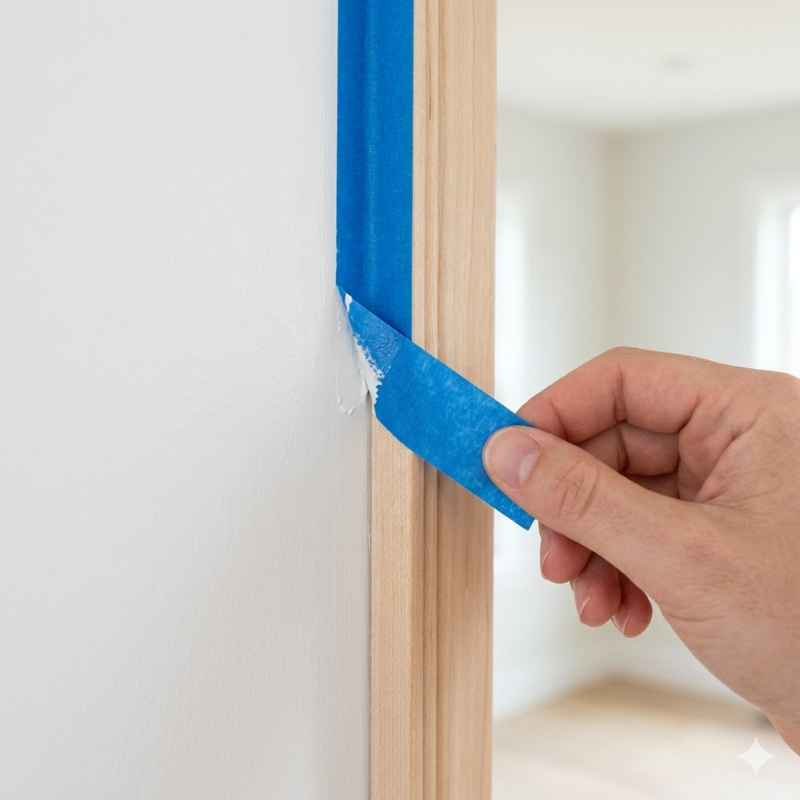
Even when the timing is right, technique matters. Always pull the tape slowly and at an angle. A 45-degree angle is often recommended.
Pull it away from the painted surface. This helps prevent the tape from catching the edge of the paint.
Work in long, steady motions. Avoid jerky movements. If you pull too fast, you can create vibrations.
These can cause the paint to chip or peel. Try to pull the tape back onto itself. This helps create a cleaner tear of the tape.
If you notice any paint starting to lift, stop immediately. Don’t force it. You can try scoring the edge of the tape with a utility knife.
Be very careful doing this. You don’t want to cut into the paint below or the wall surface. This can help break the bond between the tape and the paint edge.
Some painters like to use a hairdryer on a low setting. They’ll warm the tape gently. This can soften the adhesive.
It can make removal easier and cleaner. Do this cautiously. Too much heat can damage the paint or the wall.
Quick Tape Removal Tips
- Angle Matters: Pull tape at a 45-degree angle.
- Go Slow: Use steady, slow movements.
- Score Carefully: If paint lifts, score the tape edge with a knife.
- Warm It Up: A hairdryer on low can soften sticky tape.
- Pull Back on Itself: This helps create a cleaner tear.
Factors Affecting Drying Time
Several things influence how fast paint dries. Understanding these helps you predict the right time to remove tape. You can’t control all of them, but you can account for them.
Humidity: High humidity slows down drying. Water in the air has to evaporate from the paint. This takes longer when the air is already full of moisture.
If it’s a humid day, wait longer to remove the tape. You might need to wait a full day or even longer.
Temperature: Cold temperatures also slow drying. Paint needs a certain warmth to cure properly. If your room is cool, the paint will take more time to become ready for tape removal.
Aim for room temperatures between 65-75°F (18-24°C) for best results.
Ventilation: Good airflow helps paint dry. When air moves across the painted surface, it carries away moisture and solvents. Open windows or use fans to improve ventilation.
This speeds up the drying process. It helps the paint get to that ideal stage faster.
Paint Type and Thickness: Different paint formulations dry at different rates. Latex paints generally dry faster than oil-based paints. Thicker coats of paint will take longer to dry than thinner ones.
If you applied a very heavy coat, give it extra time.
Surface Type: Porous surfaces like drywall or unprimed wood absorb some of the paint’s liquid. This can speed up surface drying. Non-porous surfaces like metal or old painted surfaces might have slower drying times.
The paint sits on top longer.
What Influences Paint Drying?
Environment:
- High Humidity: Slows drying.
- Low Temperature: Slows drying.
- Good Ventilation: Speeds drying.
Paint & Surface:
- Paint Type: Latex dries faster than oil.
- Coat Thickness: Thick coats dry slower.
- Surface Porosity: Porous surfaces dry faster.
What Happens If You Wait Too Long?
Waiting too long is a common mistake. When paint fully cures, it becomes very hard. It forms a strong bond with everything on its surface.
This includes masking tape. The adhesive on the tape essentially becomes one with the dried paint.
When you try to pull the tape, it acts like a very strong sticker. It doesn’t just pull away; it pulls the paint film with it. This can result in a jagged, uneven line.
Sometimes, entire sections of paint can lift off the wall. This is incredibly frustrating.
You’ll notice the edges are rough. There might be paint specks on the tape. The underlying color might show through.
You’ll then need to perform touch-up work. This often means using a small artist’s brush. You have to carefully repaint the edge.
It’s hard to get a perfectly clean line this way.
In severe cases, you might have to retape the area. Then you’ll have to repaint the entire section or wall. This adds significant time and effort to your project.
It’s a preventable problem.
What Happens If You Pull Too Soon?
On the flip side, pulling the tape when the paint is still very wet has its own issues. The paint surface hasn’t set yet. It’s soft and easily disturbed.
The tape’s adhesive can grab this wet paint.
As you pull the tape, the wet paint can smear. It can stretch and distort. This leads to fuzzy or uneven lines.
It might look like the paint bled under the tape. But it’s actually the wet paint smearing as the tape lifts.
You might also get paint transfer onto the tape. This is when the wet paint sticks to the tape itself. When you pull the tape away, it leaves bare spots on your wall.
These spots need to be repainted.
This is why the “dry to the touch” stage is so important. It’s a balance. The paint is firm enough to resist smearing.
But it’s not so hard that it sticks permanently to the tape.
Tape Removal Timing: Normal vs. Concerning
Normal:
- Paint surface is dry to touch.
- Tape peels away cleanly at a 45-degree angle.
- Lines are sharp and crisp.
- No paint transfer on tape.
Concerning (Pulled Too Soon):
- Paint smears as tape is removed.
- Paint transfers onto the tape.
- Bare spots appear where paint lifted.
- Lines are fuzzy or bleeding.
Concerning (Waited Too Long):
- Tape resists strongly when pulling.
- Paint lifts off the wall with the tape.
- Jagged or torn paint edges appear.
When to Use Different Types of Tape
Not all masking tapes are created equal. The type of tape you use can affect how easily it removes. For most painting jobs, a standard blue painter’s tape is a good choice.
It’s designed to stick well but remove cleanly.
For delicate surfaces or freshly painted walls, consider using a tape specifically for those situations. Some tapes are labeled “delicate surface” or “low tack.” They have a weaker adhesive. This reduces the risk of pulling up paint.
However, they might not stick as well. You might get more paint bleed.
If you are painting over oil-based paint with latex, or vice versa, extra care is needed. These paints don’t adhere to each other as well. The bond might be weaker.
This makes paint lifting more likely.
For the best results, always use tape designed for painting. Follow the tape manufacturer’s recommendations for how long it can stay on a surface. Some tapes are only meant to be left on for 24 hours.
Others can stay longer.
Choosing the Right Tape
Standard Blue Painter’s Tape: Good for most surfaces. Balances adhesion and clean removal.
Delicate Surface Tape: Low tack adhesive. Best for freshly painted walls, wallpaper, or delicate finishes. May allow more bleed.
Multi-Surface Tape: A blend that works on various surfaces. Good all-around choice.
Purple or Specialty Tapes: Often designed for longer dwell times or specific paint types.
Real-World Scenarios and Considerations
Let’s think about some common situations. You’re painting a bedroom. The walls are latex paint.
The trim is semi-gloss latex. You’ve painted the walls. You want to remove the tape from the trim.
You waited 24 hours. The wall paint feels dry. This is a good time to pull the tape.
Pull it slowly away from the trim. You should get clean lines on the wall.
Now, imagine you’re painting a bathroom. It’s very humid. You painted the walls.
The trim is semi-gloss. You waited 24 hours. The walls still feel a bit damp.
The air is thick with moisture. In this case, it’s wise to wait longer. Perhaps another 12-24 hours.
The humidity has slowed down the drying process. The paint is not yet ready for tape removal without risk.
What if you’re painting over old, possibly peeling paint? This is tricky. The surface isn’t stable.
The tape might lift the old, loose paint. Even if you use delicate surface tape, you risk damage. In these cases, proper surface preparation is crucial.
You might need to scrape loose paint, sand, and prime before painting. Then, tape removal will be much safer.
Consider the paint finish. A high-gloss finish can be more prone to peeling than a matte finish. This is because gloss paints form a harder, more plastic-like film.
This film can be brittle. It might crack or lift if the tape is removed at the wrong time.
What This Means for Your Next Painting Project
The key takeaway is to be patient. Don’t rush the tape removal. It’s the last step, but it’s critical for a professional finish.
Always check the paint can for specific drying times. These are guidelines.
Feel the paint. Does it feel solid? Does it indent when you press lightly?
If it still feels soft or squishy, wait longer. This is especially true in humid or cool conditions.
When you do remove the tape, do it carefully. Use the slow, 45-degree angle method. If you see any issues, stop.
Assess the situation. You might need to score the tape or let it dry more.
It’s better to wait an extra day for a perfect result than to spend hours fixing mistakes. A smooth, clean paint job makes your home look great. It shows you paid attention to the details.
Quick Fixes and Tips for Tape Removal
If you do encounter issues, here are some simple checks and fixes.
Paint Smearing: If the paint smears a little, try to smooth it out immediately with a damp cloth. Work quickly. This is easier with latex paints.
Jagged Lines: For small jagged spots, let the paint dry completely. Then, use a fine-grit sandpaper (like 220-grit) to gently smooth the edge. Carefully touch up with a small brush.
Tape Sticking Too Much: Gently warm the tape with a hairdryer on a low setting. This softens the adhesive. Pull slowly.
Bleeding Under Tape: This often means the tape wasn’t sealed well. For future projects, press down firmly on the tape edge with a putty knife or credit card. This creates a seal.
Paint Chipping: If paint chips, you may need to repaint the area. Once dry, consider scoring the tape very lightly with a sharp blade before removal.
Frequently Asked Questions About Masking Tape Removal
When is the best time to remove masking tape after painting?
The best time is when the paint is dry to the touch but not fully cured. For most latex paints, this is usually around 24 hours after application. Check the paint manufacturer’s guidelines for specific drying times.
What happens if I pull the tape too soon?
If you pull the tape too soon, the paint may still be wet and soft. This can cause the paint to smear, stretch, or lift off the wall with the tape. You might end up with fuzzy or uneven lines and bare spots.
What happens if I wait too long to remove the tape?
If you wait too long, the paint will fully cure and bond strongly to the tape’s adhesive. When you pull the tape, it can rip or peel the paint film, leaving jagged or torn edges. This requires touch-up work.
How can I tell if the paint is dry enough to remove tape?
The paint surface should feel solid and dry to the touch. It shouldn’t indent when you press lightly. There should be no tackiness.
You can gently test a small corner of the tape to see if it lifts cleanly.
Does humidity affect when I can remove tape?
Yes, high humidity slows down paint drying. If it’s very humid, you should wait longer than the recommended drying time. Cooler temperatures also slow drying.
What is the best technique for removing masking tape?
Pull the tape slowly and at a 45-degree angle away from the painted surface. Use long, steady strokes. Avoid jerky movements.
Gently scoring the edge of the tape with a utility knife can help if paint is sticking.
Can I use a hairdryer to help remove tape?
Yes, a hairdryer on a low setting can help. Gently warming the tape softens the adhesive, making it easier to remove. Be careful not to overheat the paint or the surface underneath.
Conclusion
Getting the tape removal timing right is a small detail that makes a big impact. By understanding paint drying versus curing, and paying attention to environmental factors, you can achieve those perfect, clean lines. Patience and a careful technique are your best tools.
Your painted surfaces will thank you for it.
Sponsored / affiliate links. As an Amazon Associate I earn from qualifying purchases. I may earn additional commission from eligible campaigns.
 Tape and Drape, Paint Masking Paper, Pre-Taped Masking Paper for Painting, 2 Pack Car Protection Covering Paper, Paint Tape, for Car and Furniture, Floor.(Unfold 20 inch wide and 90 feet long)
 SmaringRobot Blue Masking Tape, Painters Tape, Painting Tape (1442.4yd=0.94IN*60.1yd*24), Original Multi-Surface Easy Removal Paint Tape with Medium Adhesive Backing for Indoor Outdoor Use, 24 Rolls