Wood Glue vs Construction Adhesive: Which Should You Use?
Use Wood Glue for tight, well-fitting wood joints, and use Construction Adhesive for rough, uneven, mixed-material, or movement-prone repairs. Pick the wrong one and the bond can gap, creep, or fail early. This guide shows the fit-and-movement rule, where each adhesive belongs, and the common home repairs where one clearly wins.
| Decision factor | Wood Glue | Construction Adhesive | Winner |
|---|---|---|---|
| Joint fit | Best for tight wood-to-wood contact. | Better when the fit is uneven or broken. | Wood Glue |
| Porosity | Works by soaking into wood pores. | Bonds porous and non-porous materials. | Construction Adhesive |
| Movement | Best for rigid joints with little movement. | Stays more flexible after cure. | Construction Adhesive |
| Gap size | Weak choice for visible voids. | Gap-filling ability suits imperfect cuts and repairs. | Construction Adhesive |
| Clamp access | Usually needs clamp pressure to hold alignment. | Usually needs less clamping, but still needs support. | Construction Adhesive |
| Finishability | Better for sanding, staining, and hidden seams. | Can dry invisible and translucent, but some formulas are not sandable. | Wood Glue |
| Moisture exposure | Standard formulas are limited outdoors; some are waterproof. | Generally better for weather-exposed repairs. | Construction Adhesive |
| Open time | Usually about 10–25 minutes of clamp time. | Initial repositioning time is 15–20 minutes. | Tie |
| Full cure | Full cure is about 12–24 hours. | Initial cure can take 24 hours; full cure can take 7 to 14 days. | Wood Glue |
| Cleanup and paint/sand compatibility | Water cleanup is usually easier, and cured squeeze-out is easier to sand. | Some formulas are paintable but not sandable. | Wood Glue |
What each adhesive is built to do
Wood Glue is the better match for precision wood joints because it depends on porous wood fibers and a tight fit. Construction Adhesive is the better match when surfaces are imperfect, mixed, or likely to move, because it bonds across more materials and can bridge small voids.
Wood Glue
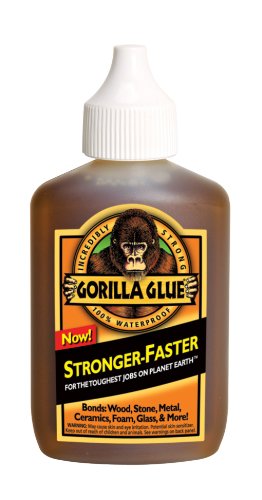
Wood Glue is a water-based PVA adhesive made for wood-to-wood joints. It needs close contact, clamp pressure, and enough porous surface for the glue to soak in and lock the fibers together. Most clamp times fall in the 10–25 minute range, and full cure is about 12–24 hours.
Construction Adhesive
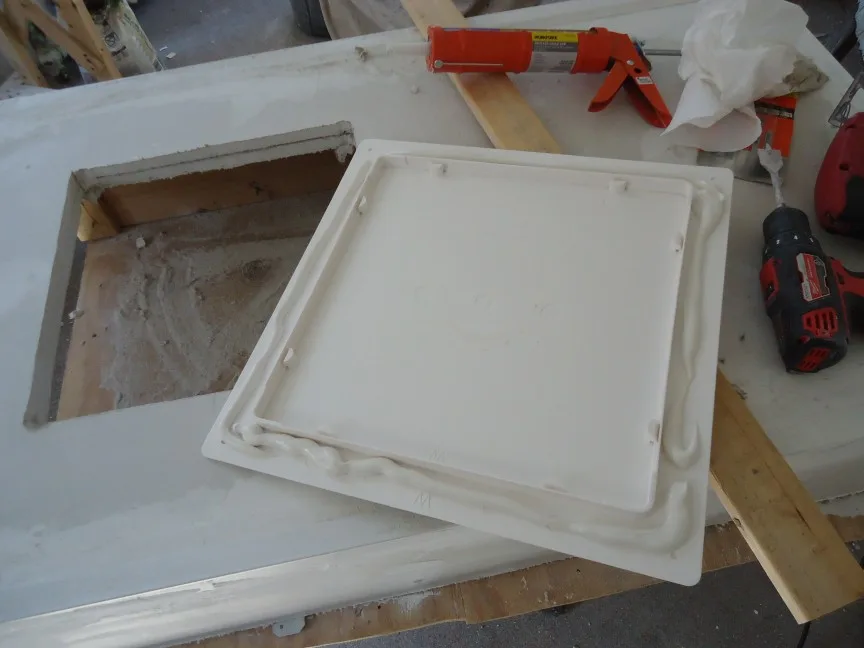
Construction Adhesive comes in a cartridge and goes on with a caulking gun. It bonds wood, concrete, drywall, metal, and stone, and it also works on porous and non-porous surfaces. It is a better fit for gap filling and for repairs that need some flexibility after cure.
Wood Glue vs Construction Adhesive: which should you use?
Use Wood Glue for tight, clean wood joints that need sanding, staining, or an almost invisible seam. Use Construction Adhesive when the surfaces are rough, the gap is uneven, or the repair includes more than one material. The more the joint depends on exact contact, the more Wood Glue wins.
Best use cases for each adhesive
Wood Glue for precision wood work
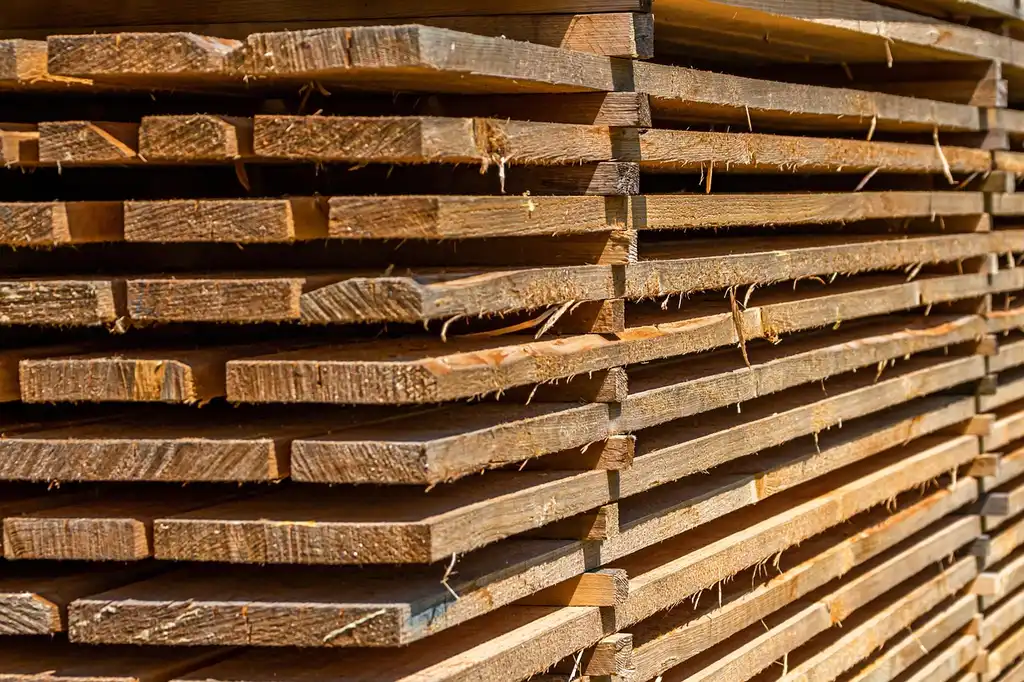
Cabinet frames, drawer parts, furniture joints, chair rails, and stair parts usually favor Wood Glue when the fit is clean. Those joints depend on wood fibers contacting wood fibers, not on a thick adhesive layer filling a flaw. A tight joint also sands and finishes more cleanly.
Construction Adhesive for repairs with gaps or mixed materials
Baseboards, subfloor patches, loose trim over drywall, wood-to-concrete transitions, and mixed-material repairs usually favor Construction Adhesive. It is also the safer choice when the joint may flex a little or when you cannot clamp the pieces tightly enough to hold them square.
Common repair picks
- Loose cabinet face frame with clean wood contact: Wood Glue.
- Baseboard set against a bowed wall: Construction Adhesive.
- Chair joint with a tight mortise and tenon: Wood Glue.
- Subfloor patch with small voids and mixed framing materials: Construction Adhesive.
- Trim repair where you need sanding and paint touch-up: Wood Glue.
- Wood-to-concrete edge repair: Construction Adhesive.
Do you need to clamp either adhesive?
Wood Glue usually does need clamp pressure. Clamping keeps the joint aligned while the glue soaks into the wood pores and sets. Construction Adhesive usually needs less clamp pressure, but it still needs alignment support if the parts can slide, sag, or spring apart during open time.
Open time versus full cure
Open time is the window for positioning the parts. For Construction Adhesive, initial repositioning time is 15–20 minutes; temperature and humidity can shorten or stretch that window. Wood Glue’s clamp time is usually 10–25 minutes, but some formulas can take 1–2 hours. Full cure takes longer than either open time and can take much longer than the first grab.
- Dry-fit the parts first.
- Apply the adhesive evenly.
- Set the joint before open time ends.
- Clamp Wood Glue joints firmly and squarely.
- Support Construction Adhesive joints so they do not drift.
- Wait for full cure before heavy loading or finish work.
How long do wood glue and construction adhesive take to cure?
Wood Glue is usually ready for light handling after clamp time, but full cure is about 12–24 hours. Construction Adhesive often reaches initial cure in 24 hours, yet full cure can take 7 to 14 days. For same-day trim fixes, the joint may hold, but it should not be stressed early.
Practical timing rule
For an overnight assembly, Wood Glue is often the cleaner pick because it reaches full cure within a day and sands well. For a repair that must hold while the rest of the room stays in service, Construction Adhesive is often the better pick because it handles imperfect contact and movement better while it finishes curing.
Can you use construction adhesive instead of wood glue?
Sometimes, but not for tight wood joints that need sanding, staining, or an invisible seam. Construction Adhesive can replace Wood Glue when the repair is rough, mixed-material, or gap-prone. It is not the best substitute for cabinet work, furniture joints, or other precision joins.
Why the substitute rule matters
Wood Glue depends on intimate wood-to-wood contact. If the joint is crisp, Wood Glue usually gives you a cleaner repair. If the joint is loose, warped, or built from different materials, Construction Adhesive usually gives you a more dependable hold because it tolerates the imperfect fit better.
What fails when you pick the wrong adhesive?
The wrong choice usually fails at the joint, not in some abstract strength test. Wood Glue can sit on the surface instead of soaking in, while Construction Adhesive can leave a thicker line that looks wrong or makes the joint harder to sand and finish. Movement and moisture make both mistakes worse.
Wood Glue on painted, sealed, oily, or non-porous surfaces
Wood Glue fails when it cannot reach bare wood fibers. On painted, sealed, oily, or dense non-porous surfaces, it may grab only the coating or not grab well at all. A joint like that can open later, especially if the piece is loaded, flexed, or exposed to humidity changes.
Suppose a 12-inch baseboard is glued onto painted drywall with Wood Glue alone. The glue may sit on the paint film instead of bonding the wall, so the trim can pop loose at the edge when the room moves with seasonal humidity.
Construction adhesive in precision joints
Construction Adhesive can be the wrong choice when the repair needs invisible seams, tight miters, or a clean sanded edge. Some formulas are paintable but not sandable, so squeeze-out can leave a line that shows after finishing. It can also leave a thicker bond line than a woodworker wants.
Picture a chair rail miter that needs to disappear under stain. If Construction Adhesive leaves visible squeeze-out, sanding may not fix it, and the finish can catch the leftover film. Wood Glue is the cleaner choice there because the joint can be dressed and finished more predictably.
Movement and moisture after a bad choice
Wood Glue handles dry, rigid wood joints well, but it is a poor choice for a moving seam or a surface that will not accept it. Construction Adhesive is better for motion, but if the parts need exact alignment, the flexible bond can still leave a visible line or slight shift. Standard Wood Glue is limited outdoors; some formulas are waterproof, including a Type I formula such as Titebond III.
Strength, fit, and bond behavior
Construction Adhesive is not automatically stronger than Wood Glue. The real question is how the joint loads the adhesive. Wood Glue can reach 3,600 PSI in the Titebond Original example, but that number only matters when the joint is tight and porous enough for the bond to form correctly. A poor fit can wipe out the advantage fast.
Shear, tension, and real repairs
Shear strength matters when two pieces slide past each other. Tensile strength matters when they pull apart. In home repairs, joint fit often matters more than a headline strength number, because a good adhesive on a bad joint can still fail while a lower-number bond on a proper fit can hold for years.
Choose Wood Glue if… / Choose Construction Adhesive if…
Choose Wood Glue if the joint is tight, the parts are wood, the surfaces are bare and porous, and you plan to sand or stain the repair. Choose Construction Adhesive if the fit is rough, the materials are mixed, the gap is real, or the repair needs to tolerate movement and weather exposure.
- Choose Wood Glue for cabinet boxes, furniture joints, chair parts, and other clean wood-to-wood repairs.
- Choose Wood Glue when you need a thin, neat bond line that finishes well.
- Choose Construction Adhesive for trim over uneven walls, subfloor patches, wood-to-concrete fixes, and mixed-material assemblies.
- Choose Construction Adhesive when clamp access is poor and the repair needs some flexibility after cure.

Frequently asked questions
Is construction adhesive stronger than wood glue?
Not in any simple, universal way. Wood Glue can be extremely strong in a proper wood-to-wood joint, while Construction Adhesive can perform better when the fit is imperfect or the materials differ. For home repairs, joint fit and movement often matter more than raw strength alone.
Which adhesive is better for wood-to-wood joints?
Wood Glue is usually the better choice for wood-to-wood joints, especially when the fit is tight and the surfaces are bare. It bonds into the wood fibers, clamps well, and finishes cleanly. Construction Adhesive is more useful when the wood pieces are uneven, warped, or slightly separated.
Will wood glue hold on painted or finished wood?
Usually not well enough to trust for a load-bearing repair. Wood Glue needs porous wood fibers to soak into, and paint, finish, oil, or sealer blocks that contact. If the repair has to stick to a coated surface, Construction Adhesive is usually the more practical choice.
Is construction adhesive good for outdoor repairs?
Generally, yes, and it is usually the safer pick for weather-exposed repairs. Construction Adhesive is more forgiving of movement and moisture than standard Wood Glue. Still, some wood glues are waterproof, so the exact product matters if the repair is outside or in a damp zone.
Do you need to clamp construction adhesive like wood glue?
Usually not in the same way. Wood Glue needs clamp pressure to hold a tight joint while the fibers bond. Construction Adhesive usually needs less clamping, but it still needs support, alignment, and sometimes temporary bracing so the parts do not drift during open time.
What happens if you use wood glue on non-porous surfaces?
The bond often fails because the glue cannot soak into the material the way it can with bare wood. It may sit on top, skin over, or release later under stress. On sealed, painted, or oily surfaces, the result is usually a weak repair that can open with movement.
Sponsored / affiliate links. As an Amazon Associate I earn from qualifying purchases. I may earn additional commission from eligible campaigns.