5 Best Gutter Accessories for Trees (2026): We Compared
For homes with lots of trees, the best gutter accessories are usually a micro-mesh gutter guard, oversized downspouts, downspout extensions, and sealed corners or end caps, because no single add-on stops every kind of debris. Ignore the tree-specific mess and you can get overflow at the roof edge, fascia rot, ice dams, and frequent ladder cleanouts. This guide matches gutter accessory combinations to pine needles, oak leaves, seed pods, blossoms, and twigs so you can choose the right setup for your trees.
Quick comparison
| Product | Badge | Best for | Price | ||
|---|---|---|---|---|---|
 |
VEVOR Gutter Guard, 5 in Aluminum Gutter Cover withVEVOR | Our pick | 5 in · micro mesh · 100 ft | $227.90
Price as of 25 Oct 2026
|
View |
 |
6" Stainless Steel Mesh Roll, 6in x 50FT Gutter Guard LeafHWIUS | Upgrade pick | 6 in · stainless mesh · 50 ft | $36.59
Price as of 25 Oct 2026
|
View |
 |
25 Pack Gutter Brush Leaf Guard for 5 Inch Gutters 80ftkoxuyim | Budget pick | 5 in · brush insert · 80 ft | $99.99
Price as of 25 Oct 2026
|
View |
 |
Y-YUEMY 4 Pack Gutter Downspout Guard 304 Stainless Steel,Y-YUEMY | Pair with it | 2 x 3 in · downspout guard · 4 pack | $27.99
Price as of 25 Oct 2026
|
View |
 |
VEVOR Gutter Guard, 5 inch Width, Aluminum Leaf Filter DIYVEVOR | Also great | 5 in · aluminum · 208 ft | $137.90
Price as of 25 Oct 2026
|
View |
The strongest all-around choice for tree-heavy homes is micro-mesh, especially where pine needles and fine debris are part of the mix. If large leaves are the main issue, reverse-curve or perforated aluminum can make more sense, but they solve different problems and fail in different ways.
How we chose
The comparison below focuses on four things: debris type, gutter width, runoff load, and maintenance burden after installation. It also checks fit with steep roofs and multiple valleys, where water moves fast and gutter capacity matters more.
We compared systems by how they handle pine needles, oak leaves, seed pods, and mixed canopy debris. We also weighed whether a guard helps or hurts cleaning access, and whether it pairs well with 5-inch or 6-inch gutters and oversized downspouts.
Finally, we looked at the weak points. A good accessory for trees should resist bridgeable debris mats, avoid trapping needles, and still let you reach a realistic spring-and-fall cleaning schedule.
Quick picks
| Pick | Best for | Key spec | Price |
|---|---|---|---|
| VEVOR 5 in Aluminum Micro Mesh | Pine needles and mixed canopy debris | Micro-mesh, stainless steel mesh, 100 ft | $227.90 |
| VEVOR 5 in Aluminum Leaf Filter | General leaf fall on standard gutters | Aluminum guard, 0.157" holes, 208 ft | $137.90 |
| HWIUS 6 in Stainless Mesh Roll | Oak leaves and larger debris on wide gutters | 6 in stainless mesh, 50 ft | $36.59 |
| koxuyim Gutter Brush Leaf Guard | Light, coarse debris where needles are rare | Brush insert, 5 in gutters, 80 ft | $99.99 |
| Y-YUEMY Downspout Guard | Downspout clog control after guard install | 2 x 3 in outlet cover, 4 pack | $27.99 |
Gutter accessory decision table
| Debris type | Recommended guard style | Downspout upgrade | Maintenance frequency | Common failure mode | Do not buy combinations |
|---|---|---|---|---|---|
| Pine needles | Micro-mesh stainless steel mesh | Oversized downspouts plus downspout extensions | Spring and fall; surface cleaning 1-2 times per year | Needles wedge into any gap larger than about 50 microns and can bridge across openings | Foam inserts; brush guards; reverse-curve alone |
| Oak leaves | Perforated aluminum with openings around 1/8 inch | Oversized downspouts on steep roofs or multi-valley roofs | Spring and fall | Leaf mats build on the surface when debris is wet and packed | Foam inserts; small-hole guards that clog too fast; brush guards in heavy oak drops |
| Seed pods and blossoms | Micro-mesh or perforated aluminum, depending on size | Downspout screens plus oversized downspouts | Spring and fall, with extra checks during drop season | Fine debris forms a sticky layer that sheds slowly | Open-screen products with wide holes; brush guards in pod-heavy beds |
| Mixed canopy debris | Micro-mesh on most roofs; perforated aluminum only if needles are rare | Oversized downspouts and extensions | Twice a year, plus after the first big storm | Bridgeable mats combine leaves, grit, and needles into a packed layer | Foam inserts; brush guards; reverse-curve where needles are common |
| Heavy runoff from steep roofs | Micro-mesh or perforated aluminum matched to debris type | 6-inch gutters with oversized downspouts | Twice a year | Water outruns the gutter capacity and overtops the edge | Small gutters with standard downspouts on long roof runs |
Do not buy combinations for pine-heavy, oak-heavy, and mixed-canopy homes
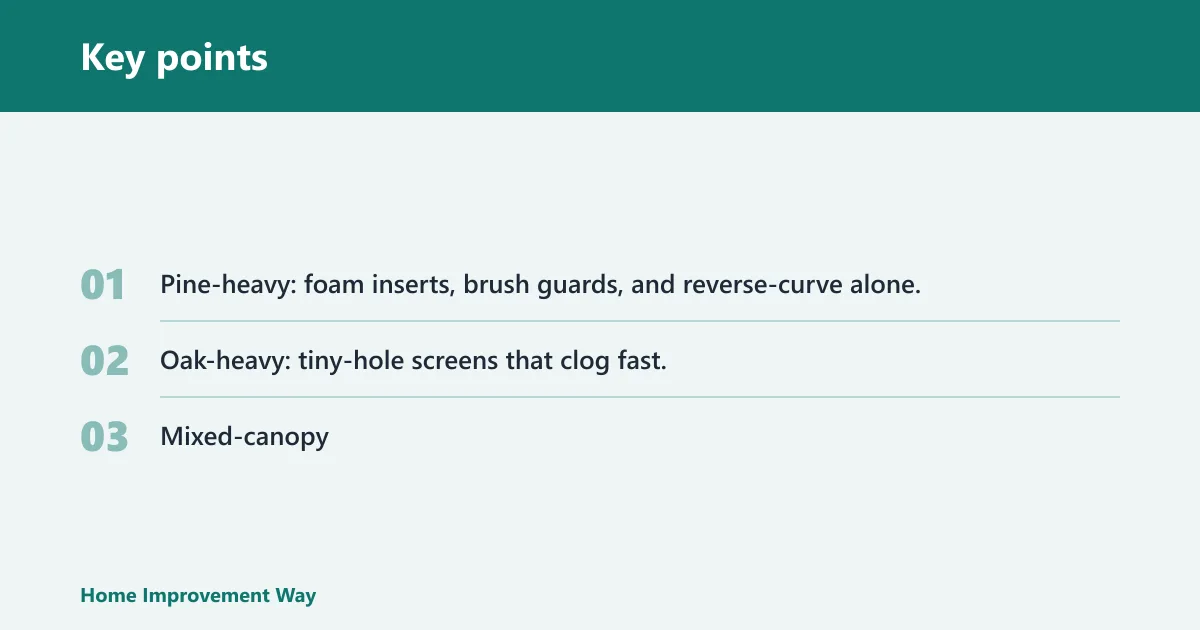
- Pine-heavy: foam inserts, brush guards, and reverse-curve alone. Needles can slip into small openings, wedge into foam, or sit in brush fibers and stay wet.
- Oak-heavy: tiny-hole screens that clog fast, plus brush guards that catch leaves and hold them above the gutter line. Large leaves need space to shed or pass through a controlled opening.
- Mixed-canopy: a guard only, with no downspout change. Mixed debris often shifts the bottleneck to the outlet, where a standard downspout clogs first.
Micro-mesh gutter guards: best for pine needles
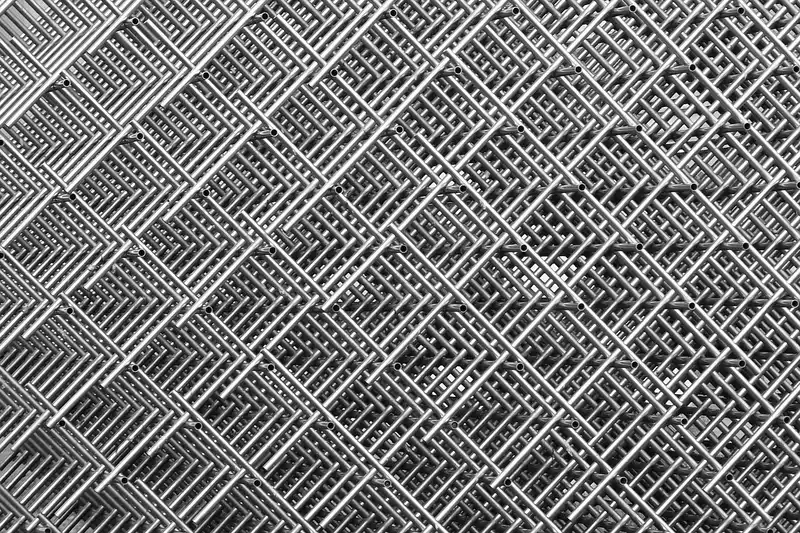
Micro-mesh is the strongest all-around pick for tree-heavy homes because stainless steel mesh blocks even small pine needles and other fine debris. It is the best fit when you want one system that can handle mixed canopy fallout without giving up too much filtration.
For pine-heavy properties, the key is hole size. Pine-needle guidance says needles can wedge into any gap larger than about 50 microns, which is why very fine mesh performs better than wide openings or loose inserts.
Micro-mesh does have a cost tradeoff. It usually costs more upfront than simpler screen or brush products, and it still needs surface cleaning about 1-2 times per year on tree-heavy properties. That is less maintenance, not zero maintenance.
Say your home sits under loblolly pine and the gutters collect brown needles after every windy front. A micro-mesh system paired with oversized downspouts is a better match than a brush insert, because the needles are small enough to work into loose filler and stay there.
Best pairings with gutters and downspouts
Micro-mesh works best with 6-inch gutters when leaf volume is high, especially on steep roofs or roofs with multiple valleys. Bigger gutters give water more room, and oversized downspouts reduce the chance that runoff backs up behind the guard.
Fewer joints also help. Less seam work means fewer leak points and fewer places for debris to catch, so the guard has less work to do at every transition.
Where micro-mesh can still fail
Micro-mesh can collect surface grit, especially after roof shingle wear adds fine particles to the mix. It also needs a proper fit at corners and end caps, because gaps at the edges let debris slip inside and defeat the point of the guard.
Professional installation can reduce cleaning needs by up to 90%, but that figure does not mean the system is maintenance-free. Fit matters, and so does the roof edge detail beneath the guard.
Perforated aluminum guards: best for oak leaves
Perforated aluminum makes sense when the main problem is larger leaves rather than needles. Hole size matters here, and about 1/8-inch openings are a useful benchmark for oak-heavy yards because they balance water flow with leaf blocking better than very open screens.
That same fit logic is why perforated aluminum is often a better match for oak leaves than for pine needles. Oak leaves are bigger and more rigid, so they are easier to shed off the surface, while needles are narrow enough to slip into openings or settle in seams.
Most homes with oak trees still do better with 6-inch gutters, especially when the roof has multiple valleys or long runs that move a lot of water at once. Wider gutters do not fix debris by themselves, but they give the system more margin during heavy fall drop.
Where perforated guards fall short
Perforated aluminum is less effective when the debris is fine, sticky, or mixed with needles. Seed pods, blossoms, and pine litter can mat on top of the panel, and once the layer gets wet it can slow drainage.
A common first-timer mistake is to choose a perforated guard for an oak-and-pine lot because the leaves are visible and easy to picture. The real test is the smallest debris in the yard, not the largest leaf on the lawn.
Width matters on wide roofs
The product line matters too. Perforated aluminum is available in 5-inch and 6-inch widths, and the wider match is usually the better fit for heavy leaf volume or larger gutter profiles. A mismatch leaves edges exposed, which can create overflow points even when the panel itself is doing its job.
Reverse-curve guards: best for large leaves
Reverse-curve guards use a water-tension design to carry rain over the front lip while large leaves slide off the edge. They can be useful where broad leaves are the main issue and pine needles are rare.
They struggle when heavy leaf buildup sits on the surface, and they can lose performance when the debris layer becomes thick enough to interrupt the water path. Pine needles are a separate problem, because they can catch at the edge or collect in the contact zone instead of shedding cleanly.
Reverse-curve is most sensible on homes with large leaf fall and limited fine debris. If the tree line includes pines, seed pods, or shaggy mixed litter, micro-mesh usually has the stronger case.
When reverse-curve makes more sense than micro-mesh
Choose reverse-curve when the yard is dominated by large, dry leaves and you want a lower-fuss surface that sheds broad debris. It can be a reasonable fit where the main task is moving leaves away from the gutter edge rather than filtering very fine material.
It is a weaker choice for homes that drop needles all year. The year-round pine guidance favors micro-mesh as the only system that reliably handles that kind of debris load.
Do you need bigger gutters?
Yes, if your home is surrounded by trees and the runoff load is high, 6-inch gutters are worth considering. The standard upgrade from 5-inch to 6-inch gutters gives you more capacity for heavy leaf loads, especially on steep roofs or roofs with multiple valleys.
Bigger gutters also pair better with oversized downspouts. When the gutter can hold more water, the outlet has to move it out faster, or the added capacity just becomes a larger place for debris to sit.
Why oversized downspouts matter
Oversized downspouts move higher runoff volumes and lower clog risk on tree-heavy roofs. They matter most when the gutters are already collecting more material than a standard outlet can clear during a storm.
That is especially useful after the first big storm of the season, when loose debris, shingle grit, and flower fragments often wash into the system all at once. A guard can stop much of the debris, but the outlet still needs enough capacity to clear the water that reaches it.
When downspout extensions should be added
Downspout extensions still matter after guards go on. They carry water farther from the foundation and help prevent pooling and erosion, which becomes more important when the yard already has dense tree cover and less open soil to absorb runoff.
Even a well-protected gutter can send a heavy stream to the same spot every storm. Extensions break that pattern and reduce splashback near the house.
Which one should you buy?
For pine-heavy properties, start with micro-mesh, then add oversized downspouts and extensions. That combination handles the smallest debris better than brush or foam inserts, and it keeps outlet clogging from becoming the next problem.
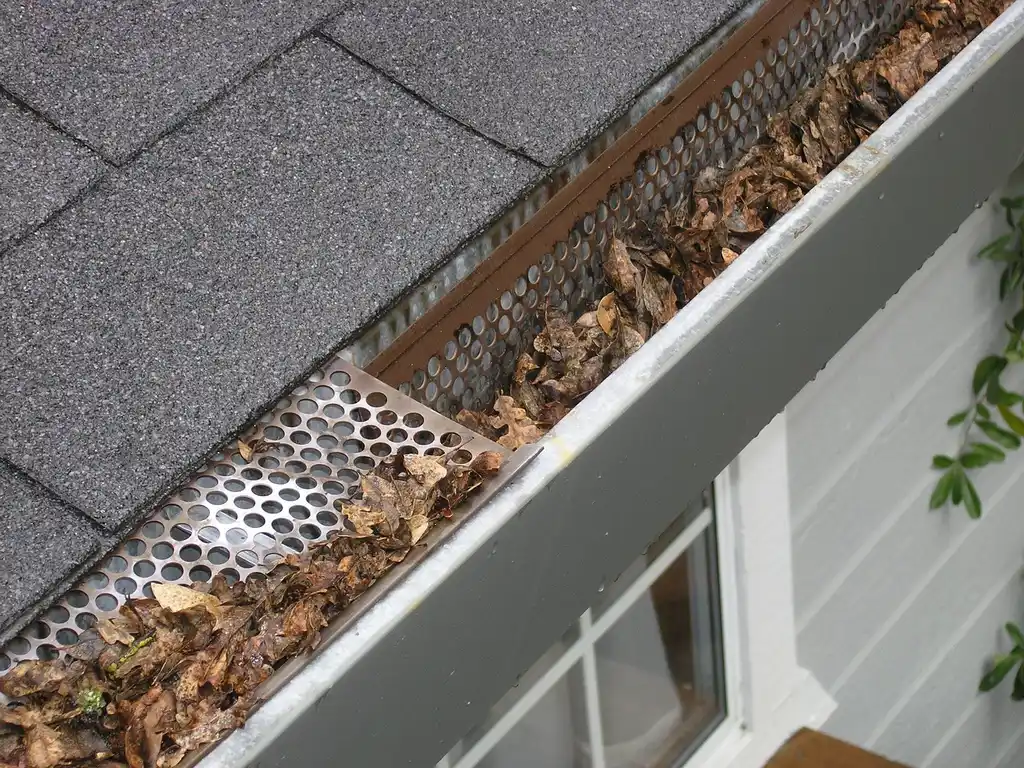
For oak-heavy properties, perforated aluminum with about 1/8-inch openings is the cleaner fit when large leaves are the main issue. Pair it with 6-inch gutters if the roof carries heavy runoff or has multiple valleys that feed one side.
For mixed-canopy properties, micro-mesh is usually the safer buy because it handles both fine debris and larger litter better than a leaf-only guard. If the roof is steep or the tree load is heavy, move up to 6-inch gutters and oversized downspouts at the same time.
If budget is the main concern, perforated aluminum or a stainless mesh roll can be a lower-cost path for a standard 5-inch gutter. If the goal is the lowest-maintenance setup, micro-mesh plus oversized downspouts is the stronger choice, even with the higher upfront cost.
Do not forget the cleaning schedule
Tree-heavy homes still need gutter cleaning after guards are installed. Twice a year is the common timing, with spring and fall checks doing most of the work. Guards reduce the load, but they do not remove pollen, grit, shingle dust, or the debris that lands on top of the system.
- Inspect the gutters after the first big storm and clear any surface mats before they harden.
- Check downspout outlets for backup, especially where runoff converges from valleys or steep roof sections.
- Look for overflow marks on fascia, siding, and soil below the downspout discharge.
- Clean the system again in fall after the main leaf drop, then repeat in spring before heavy rain season.
Picture a house under a mixed canopy with oak leaves on one side and pine needles on the other. A micro-mesh guard with oversized downspouts and extensions is the most forgiving setup because it can handle both debris sizes without forcing the homeowner to choose only one problem.
VEVOR 5 in Aluminum Micro Mesh: best for pine needles
This is the strongest fit for homes where pine needles, fine debris, and mixed canopy litter all show up in the same gutter run. Based on the manufacturer’s specs and published product details, the stainless steel micro mesh is designed to block small debris while the aluminum body resists rust.
The main strength is filtration. It is the closest match here to the pine-needle guidance that favors micro-mesh for year-round debris, and it also fits the common 5-inch gutter profile found on many homes.
The drawback is cost. At $227.90, it sits at the higher end of this list, and the finer mesh still needs surface cleaning when shingle grit and pollen build up on top.
VEVOR 5 inch Aluminum Leaf Filter: best for standard leaf fall
This guard fits homeowners who want an aluminum option for a standard 5-inch gutter and can live with a more general leaf-fall setup. The listed 0.157" hole diameter makes it a reasonable midstream choice when the main debris is larger than needles.
It is a practical pick for mixed but not needle-heavy yards, especially if the roof and gutters are built around the 5-inch size. The wide total length also makes it easier to cover longer runs in one order.
The drawback is that it is less precise than micro-mesh for pine-heavy properties. Small needles and fine grit can still find their way into the system or settle on top of the perforations.
HWIUS 6" Stainless Steel Mesh Roll: best for wide gutters
This is the best fit in this set for homeowners who already have 6-inch gutters or plan to move up to a wider profile. Based on the product details, it uses stainless steel mesh and can be cut and shaped for DIY installation, which makes it flexible for custom runs.
It works well when the roof produces larger volumes of water and the goal is to keep out both large debris and smaller leaves. The stainless steel construction also answers the rust concern that can show up on wooded lots with constant wet debris.
The drawback is that a roll needs more layout work than a formed guard. It can be a good fit for DIYers, but the install depends on careful cutting and shaping.
Koxuyim Gutter Brush Leaf Guard: best for light, coarse debris
This brush insert is the easiest-to-install option here, and it may work in lighter debris zones where needles are not the main problem. The galvanized steel core adds durability, and the no-tools install is appealing for simple runs.
The drawback is significant for wooded lots: brush guards tend to trap needles and hold them in the gutter. That makes them a poor choice for pine-heavy areas, even if they look convenient at first glance.
It can also hold damp debris in place, which means the gutter may still need frequent cleanouts despite the insert sitting inside the trough.
Y-YUEMY downspout guard: best for outlet protection
This is a useful add-on when the gutter itself is protected but the outlet still clogs. The stainless steel build and simple fit for 2" x 3" pipe make it a practical way to catch debris before it drops into the downspout.
It is not a full replacement for a guard, but it can reduce blockages at the point where mixed debris tends to bunch up. That matters on tree-heavy roofs, where the outlet can become the bottleneck even after the gutter line is covered.
The drawback is that it only addresses one failure point. If the gutter run is overloaded with needles or leaf mats, the guard at the downspout will not solve the upstream problem.
Cleaning and maintenance after installation
Guards reduce maintenance, but they do not eliminate it. The realistic schedule for tree-heavy homes is still spring and fall, with a short inspection after the first major storm of the season.
That first check matters because debris behaves differently once it gets wet. Pine needles can bridge, oak leaves can compact, and seed pods can sit on top of a panel long enough to slow flow even when the guard openings are clear.
What to inspect first
- Surface buildup on the guard, especially where leaves overlap or needles mat together.
- Downspout outlets, since a clean guard does not help if the outlet is blocked.
- Valleys and roof transitions, where runoff volume is highest.
- Fascia and soil below the gutter line, which can show early overflow.
Professional installation versus DIY
Professional installation is often recommended when fit is tight or the roof is complex. Based on the published product guidance, professionally installed gutter guards can reduce cleaning needs by up to 90%, which is a strong case for homes with heavy tree cover and awkward roof geometry.
DIY can still make sense for simple runs and standard gutter sizes. It is most attractive when you already have a straightforward 5-inch line and want to add protection without replacing the whole system.
Frequently asked questions
What gutter accessories work best for homes with lots of trees?
Micro-mesh gutter guards are usually the strongest all-around choice, especially when pine needles and fine debris are part of the mix. Pair them with oversized downspouts and downspout extensions so the outlet can move water quickly and the discharge lands away from the foundation.
Do micro-mesh gutter guards work better than reverse-curve guards for pine needles?
Yes. Micro-mesh works better for pine needles because the fine stainless steel mesh blocks small debris that can slip into other systems. Reverse-curve guards can shed large leaves well, but they are more likely to struggle when needles, shingle grit, or packed debris build up.
Should I upgrade to 6-inch gutters and oversized downspouts if my home is surrounded by trees?
Often yes, especially if the roof is steep or has multiple valleys. The recommended move from 5-inch to 6-inch gutters gives the system more room for heavy leaf loads, and oversized downspouts help the added runoff leave the gutter before it backs up.
Which gutter guard type handles oak leaves and pine needles best?
Micro-mesh is the better choice when both are present, because it handles fine needles and larger leaves in the same system. If oak leaves are the main issue and needles are rare, perforated aluminum with openings around 1/8 inch can be a better fit than a broader leaf-only guard.
How often do tree-heavy homes still need gutter cleaning after guards are installed?
Twice a year is still the common schedule for tree-heavy homes, usually in spring and fall. Guards reduce how much material reaches the gutter, but they do not stop surface buildup, shingle grit, or the occasional storm surge of debris from reaching the system.
What should I avoid using on gutters under pine trees?
Avoid foam inserts and brush guards. Foam can break down over time and does a poor job with pine needles, while brush guards trap needles and hold them in the gutter. Reverse-curve alone is also a weak fit where pine debris is the main problem.
Do downspout extensions help if gutters overflow from leaf buildup?
Yes. Extensions do not fix a clogged gutter, but they do move water farther from the foundation and reduce pooling and erosion after overflow or heavy discharge. They are still useful even when the gutters themselves are protected.
What size or type of gutter protection is best for heavy leaf fall areas?
For heavy leaf fall, start by matching the guard to the debris type, then match the gutter size to the runoff load. Reverse-curve can work for large leaves, perforated aluminum is useful for oak-heavy yards, and micro-mesh is the safer choice when the yard also drops needles or fine debris.
Sponsored / affiliate links. As an Amazon Associate I earn from qualifying purchases. I may earn additional commission from eligible campaigns.