Best LED Lights for Home Office (2026): We Compared
A good LED light for a home office is often a dimmable, low-glare fixture that delivers about 3,000–5,000 lumens at around 3,500K–4,000K for many desks, with task lighting added when you work on paper or dual monitors. Poor brightness or the wrong color temperature can leave your eyes working harder, increase screen reflections, and make focus drop sooner. This guide shows you how to choose by workspace type first, then match Kelvin, lumens, glare control, and fixture style to your desk setup.
Quick comparison
| Product | Badge | Best for | Price | ||
|---|---|---|---|---|---|
 |
LED Desk Lamp for Home Office with Base, Eye-Caring DeskKaulsoue | Our pick | 16.2-inch · 12W · white | $35.98
Price as of 25 Oct 2026
|
View |
 |
BenQ ScreenBar LED Monitor Light Bar – Auto-dimming,BenQ | Also great | 23.6-inch · auto-dimming · black | $109.00
Price as of 25 Oct 2026
|
View |
 |
IKEA FORSÅ Work lamp, TurquoiseProTuning | Budget pick | work lamp · turquoise · desk | $69.99
Price as of 25 Oct 2026
|
View |
 |
Honeywell LED Floor Lamp Dimmable Gooseneck Reading LivingHoneywell | Upgrade pick | 77-inch · full spectrum · black | $56.64
Price as of 25 Oct 2026
|
View |
 |
Philips Hue Iris Smart Table Lamp, Gold – White and ColorPhilips Hue | Pair with it | table lamp · color-changing · gold | $153.99
Price as of 25 Oct 2026
|
View |
Start with the workspace, not the wattage. A single desk, dual monitors, a window-facing setup, and a multipurpose room each need a different mix of task light and ambient light.
The right fixture is the one that puts the needed lux on the desk without sending reflections into your screen.
How we chose
We compared these picks against the lighting factors that matter most in a home office: Kelvin range, desk-surface output, CRI, flicker control, glare management, and dimming. For this use case, the best light is the one that fits the room layout cleanly, not the one with the biggest lumen number.
We also favored fixtures that can support reading, typing, and video calls without forcing you to rearrange the desk.
LED Desk Lamp for Home Office with Base: best for most single desks
This is the best fit for a standard desk that needs a focused task light without taking over the workspace. The adjustable gooseneck and wide light bar make it practical for reading, paperwork, and keyboard work.
Its five dimmable brightness levels and color settings are useful if you move from daytime focus to softer evening use. The main drawback is that a base lamp still occupies desk space, so it is a weaker fit for cramped dual-monitor setups.
BenQ ScreenBar LED Monitor Light Bar: best for dual monitors
This is the strongest choice for a monitor-heavy desk because it mounts on the screen, saves space, and aims light downward instead of into your eyes. That makes it a good fit when you want desk illumination without adding reflections on glossy displays.
Auto-dimming is useful in rooms where daylight changes during the workday. The tradeoff is cost, and it works best with a monitor setup rather than a laptop-only desk or a standing desk that changes height often.
IKEA FORSÅ Work lamp: best for a compact desk
This is a simple desk lamp for a small home office corner where you need direct light and a compact footprint. Its classic work-lamp shape suits reading, note-taking, and occasional computer use.
The drawback is that it is less flexible than a monitor light bar or a taller gooseneck lamp. If your desk has two large monitors or a low shelf overhead, you may need more careful placement to avoid glare.
This works well when the office lives inside a bedroom, living room, or other multipurpose space. The tall design can reach over seating areas, and the adjustable head helps you direct light to a desk without filling the whole room with overhead glare.
Its CRI97 rating is useful for color-sensitive work and clearer-looking video calls. The drawback is that it is a floor lamp, so it is not as space-efficient as a clamp or screen-mounted light for a tight desk.
Philips Hue Iris Smart Table Lamp: best for ambient and video-call lighting
This is best as a supporting light rather than the only office light. It adds controllable ambient light, which helps on video calls and in rooms where the desk light needs a softer fill behind the main task lamp.
The drawback is that it is not a strong desk task light by itself. It is more useful when paired with a separate work lamp or monitor light bar, especially if you need 300–500 lux on the desktop.
What light works for your desk?
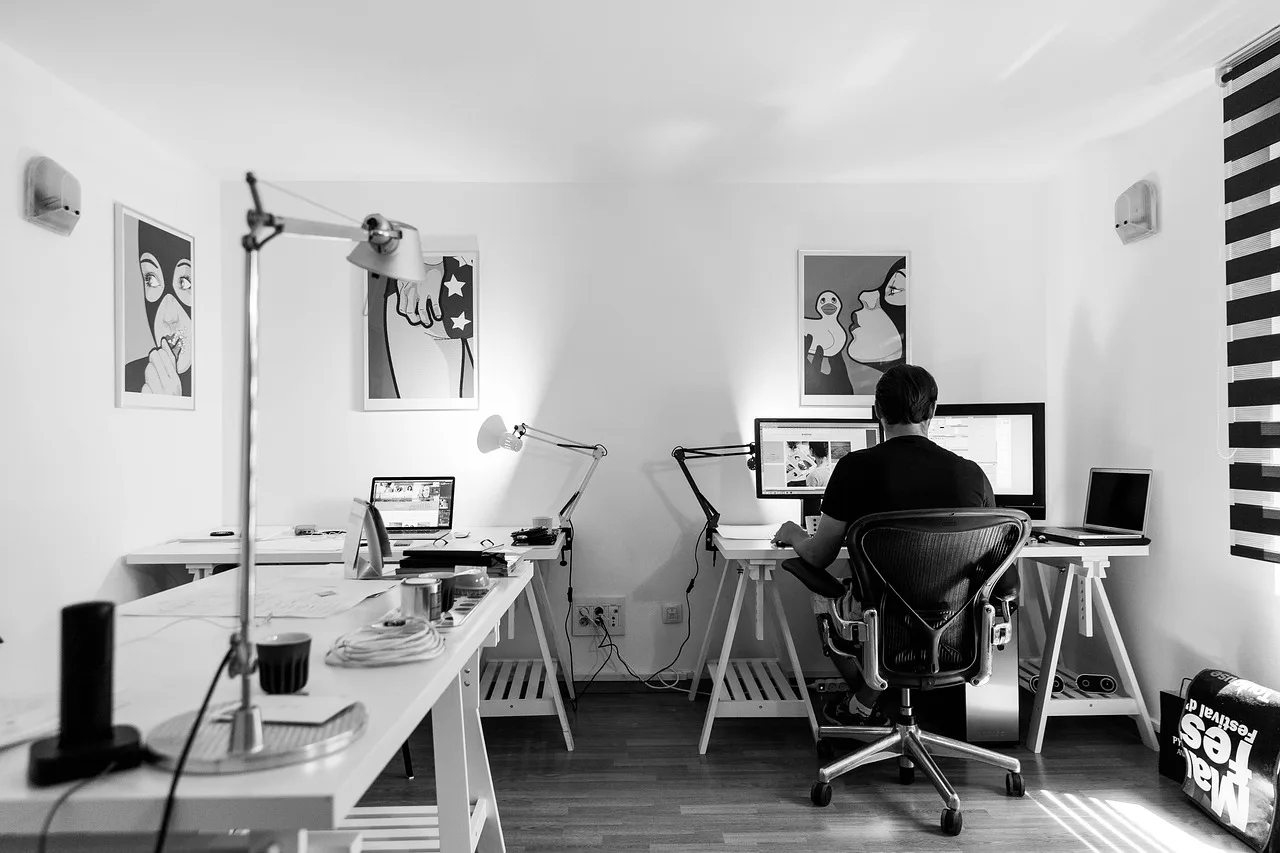
The right lighting depends on the room layout first. A single desk can often work with one good task lamp, but dual monitors, window glare, and a shared room usually need a layered setup with task, ambient, and screen-safe light working together.
Single desk
A single desk usually does best with a clamp lamp, gooseneck lamp, or light bar that gives 300–500 lux on the work surface. If you read paper often, choose a lamp with diffuse output and dimming so the desk stays bright without washing out your screen.
Dual monitors
Dual monitors often work well with a monitor light bar or a lamp that sits above the screen line and throws light downward. The goal is to light the desktop and keyboard while keeping the top half of the screen free of reflections.
Window-facing desk
A window-facing desk needs glare control first. Use asymmetric lighting, a light bar, or a lamp with a diffuser, then place it so the beam lands on the desk rather than the monitor surface. If daylight is already strong, auto-dimming or a dimmer is especially useful.
Multipurpose room
A multipurpose room benefits from a floor lamp or table lamp that can add ambient light without making the whole room feel harsh. For this layout, the best setup is usually one task light at the desk plus one soft ambient source for the rest of the room.
Workspace lighting decision table
| Workspace type | Recommended fixture type | Kelvin range | Lumen target | CRI minimum | Main glare risk | Best budget tier |
|---|---|---|---|---|---|---|
| Single desk | Clamp lamp or gooseneck desk lamp | 4,000K–5,000K | 500–800 lumens at the task zone | 80+; 90+ for color work | Direct beam on glossy monitor | Budget to midrange |
| Dual monitors | Light bar or screen-mounted lamp | 4,000K–5,000K | 500–800 lumens focused on desk surface | 90+ preferred | Screen reflection from overhead fixtures | Midrange to premium |
| Window-facing desk | Light bar with diffuser or asymmetric desk lamp | 4,000K–5,000K, tunable if possible | 500–800 lumens plus controllable ambient fill | 90+ preferred | Sunlight plus lamp reflections | Midrange |
| Multipurpose room | Floor lamp, panel, or layered ambient plus task lighting | 3,500K–5,000K | 1,500–3,000 lumens ambient total, then task light on the desk | 80+; 90+ if the room doubles for creative work | Broad room glare and uneven shadows | Budget to premium |
Desk lamp options by setup
The form factor matters as much as the spec sheet. A strong desk lamp in the wrong shape can still throw glare into your monitor or waste light above the work surface.
Clamp lamps
Clamp lamps are useful when desk space is tight. They keep the base off the surface and can position light from the side or rear, which helps with paper tasks and smaller desks.
Base lamps
Base lamps are simpler to place and often feel more stable. They work best on a single desk with enough surface area to hold the base without crowding the keyboard or notebook.
Gooseneck lamps
Gooseneck lamps give you the most aiming control. They are a smart fit for readers, note-takers, and users who want the beam directed at a narrow work zone rather than the whole desk.
Light bars and panels
Light bars are the best answer for monitor-heavy desks because they brighten the desktop without shining into the screen. Panels can work too, especially in rooms where you need broader, softer output with fewer hard shadows.
Best LED lights for different needs
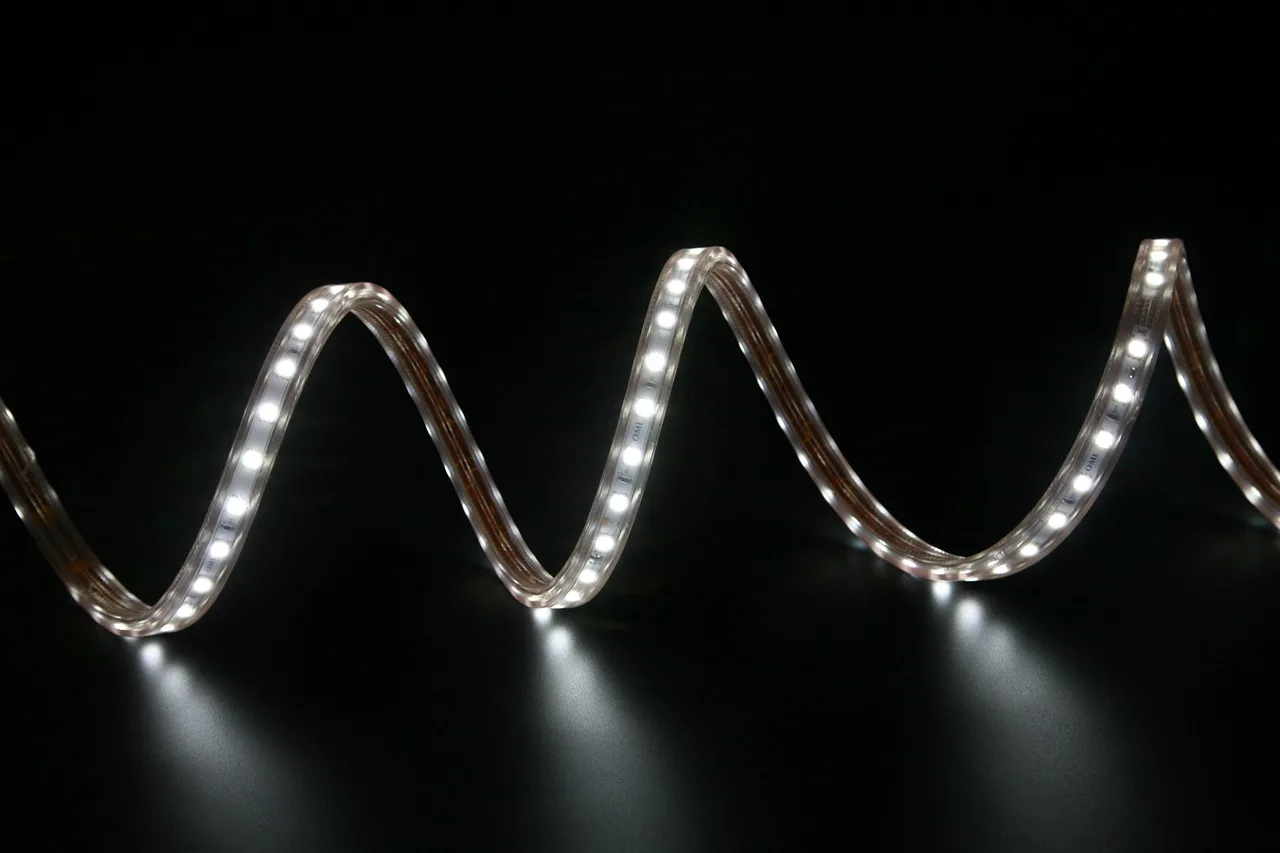
Choose by work pattern first. A reading-heavy desk and a video-call desk do not need the same fixture, even if both are “home offices.”
Best for reading-heavy work
Choose a lamp with a broad, even beam, dimming, and at least 500–800 lumens at the task zone. A 90+ CRI light helps paper, charts, and printed color notes look accurate and reduces the dull cast that lower-CRI lamps can create.
Best for dual monitors
A light bar is the safest starting point. It keeps the beam below eye level, helps avoid screen reflections, and usually leaves more desk space open than a traditional lamp.
Best for video calls
Pick a front-facing key light and a softer fill light if possible. The key light should sit slightly above eye level and face you, while the fill light should be matched in color temperature so your face does not look mismatched on camera.
Best budget pick
If the room already has decent ambient light, that single task lamp can outperform a more expensive all-room setup.
Say your desk is 4 feet wide, sits beside a bright window, and holds two glossy monitors. A screen-mounted light bar with dimming and a 4,000K to 5,000K range will usually be easier to place than a tall lamp with an exposed bulb.
Suppose your office is also the guest room and you work on spreadsheets at night. A floor lamp for ambient light plus a smaller desk lamp for task work is a better buy order than replacing every bulb in the room at once.
How do you stop glare and eye strain?
Start by moving the light source out of the monitor’s reflection path. Then add diffusion, adjust the angle, and lower brightness until the desk is bright enough without washing the screen. Poor office lighting can cause headaches, fatigue, and slower reading speed and accuracy.
Placement relative to the monitor
Put the lamp above or to the side of the screen, not directly behind your head. If the light lands in the display, move it lower, offset it, or switch to a screen bar that sends light downward instead of forward.
Diffusers and asymmetric lighting
A diffuser spreads the beam and softens hot spots on the desk. Asymmetric lighting is even better near screens because it throws more light onto the work surface and less toward the monitor face.
Window and glossy screen fixes
If the desk faces a window, control both sources of glare. Use blinds if needed, then lower the lamp output and re-angle the fixture until the reflection disappears. Glossy screens need the same treatment, with extra care around overhead fixtures.
Which specs matter most?

For home office use, Kelvin sets the mood, lumens set the usable light, CRI affects color accuracy, flicker affects comfort, and dimming lets you adapt through the day. The best purchase is the one that balances all five for the room you actually have.
Kelvin and tunable white
A home office should use 4,000K–5,000K during working hours. 4,000K is a good middle ground for people who want focus without a harsh look, while 5,000K suits brighter daytime work and reading. Tunable white is the best all-around option if the same room also needs warmer evening light.
The tradeoff is simple. Warmer light can feel easier on the eyes at night, while cooler light can look crisper for active daytime work. Philips Hue White Ambiance is a good example of a lamp family that can move from 5,000K cool white down to 2,700K.
Lumens and lux targets
Ambient overhead lighting for a home office is listed at 1,500–3,000 lumens total. Room size changes the target because a larger room needs more ambient light, while a small desk corner can rely on a single focused lamp.
If you want to translate lux to lumens, remember that lux is light on the surface and lumens are light output from the fixture. A small, concentrated beam can give you useful desk lux with fewer lumens than a wide fixture that spills light across the room.
CRI, flicker, and dimming
CRI 90+ is best for color work, while 80+ is acceptable for text. Higher CRI helps papers, fabric, art proofs, and on-camera skin tones look more natural. Flicker-free lighting is recommended, with PWM frequency 800Hz+.
Dimming matters because your desk does not need the same output at 9 a.m. and 9 p.m. A good dimmer, memory function, or remote control makes it easier to keep the light consistent without reaching for the switch every hour.
Energy Star, DLC, UL Listed, and IES guidance
Energy Star and DLC can help you compare efficiency claims. UL Listed is useful for electrical safety, and IES recommended practice is a good sign that the fixture was designed with office lighting behavior in mind rather than decorative output alone.
For many shoppers, certification is not the main deciding factor, but it is a good filter after you confirm Kelvin, lumens, CRI, and glare control.
Which one should you buy?
If budget is tight, start with the Kaulsoue desk lamp. It gives you a practical task-light setup with dimming and color adjustment, which matters more than buying a larger fixture than your desk can actually use.
If the room is mixed-use, the Honeywell floor lamp is the stronger choice because it can support a desk without taking over the whole room. Pair it with a smaller task light if you read or write for long stretches.
If color accuracy matters most, choose the Honeywell or another 90+ CRI light and keep the beam aimed at the work surface. That is the safer pick for design review, product photography, or color-sensitive paperwork.
If long video-call days are the priority, the Philips Hue Iris works best as part of a two-light setup, with a front-facing key light and a softer fill source. For monitor-heavy desks, the BenQ ScreenBar is the cleanest way to light the desk without adding screen glare.
One common mistake is buying for maximum brightness and ignoring placement. A 5,000-lumen fixture can still feel wrong if it reflects off a glossy screen or throws light straight into your eyes.
Frequently asked questions
What is the best lighting for home office?
The best lighting for a home office is layered lighting: a focused task light on the desk, enough ambient light to keep the room comfortable, and glare control around the monitor. That setup supports focus, limits eye strain, and works better than one overly bright fixture.
What color temperature is best for a home office
For working hours, 4,000K–5,000K is the best range for most home offices. Use 4,000K if you want a softer neutral look, or 5,000K if you prefer a cooler daylight feel for reading and detail work. Tunable white gives you both.
How many lumens do I need for a home office desk lamp?
If the room is already bright, you may need less at the lamp itself. If the desk sits in a darker corner, choose a brighter and better-aimed fixture.
Should a home office light be 4000K or 5000K?
Either can work. 4,000K is the more neutral, balanced choice for most desks, while 5,000K is better when you want a brighter daylight look or do more reading and detail work. If the room doubles as a living space, tunable white is the safer buy.
What kind of LED desk lamp reduces eye strain
A dimmable, flicker-free LED desk lamp with a diffuser or indirect beam reduces eye strain better than a bare, harsh lamp. Look for 80+ CRI at minimum, 90+ if you care about color accuracy, and a shape that keeps light off the monitor surface.
How do I stop glare on my monitor from office lights?
Move the lamp out of the reflection path, aim it at the desk instead of the screen, and use a diffuser or light bar if needed. If the desk faces a window, reduce the daylight reflection first, then adjust lamp height and brightness until the screen clears.
Do I need dimmable lights for a home office?
Yes, in most cases. Dimming lets you match brightness to time of day, screen brightness, and task type. A light that is perfect for reading at noon may feel too harsh during evening calls or after sunset.
What CRI is best for a home office light
CRI 90+ is best if you do color work, handle visuals, or want more natural-looking skin tones on video calls. CRI 80+ is fine for text-heavy work. If you can get 97+ CRI at a reasonable price, that is a strong pick for mixed-use desks and creative tasks.
Sponsored / affiliate links. As an Amazon Associate I earn from qualifying purchases. I may earn additional commission from eligible campaigns.