Drywall Screw Size Calculator: Pick the Right Screw
For 1/2-inch drywall on wood studs, I usually use 1-1/4-inch coarse-thread screws. Move to about 1-5/8-inch for 5/8-inch board, ceilings, or when you need a deeper wood bite. Get the length wrong and you get popped heads, loose panels, or wasted time. This guide shows how drywall thickness, framing type, and sheet size translate into screw length and purchase quantity.
How is this calculated?
Press Calculate to see the math with your numbers.
What size screws do I need for drywall?
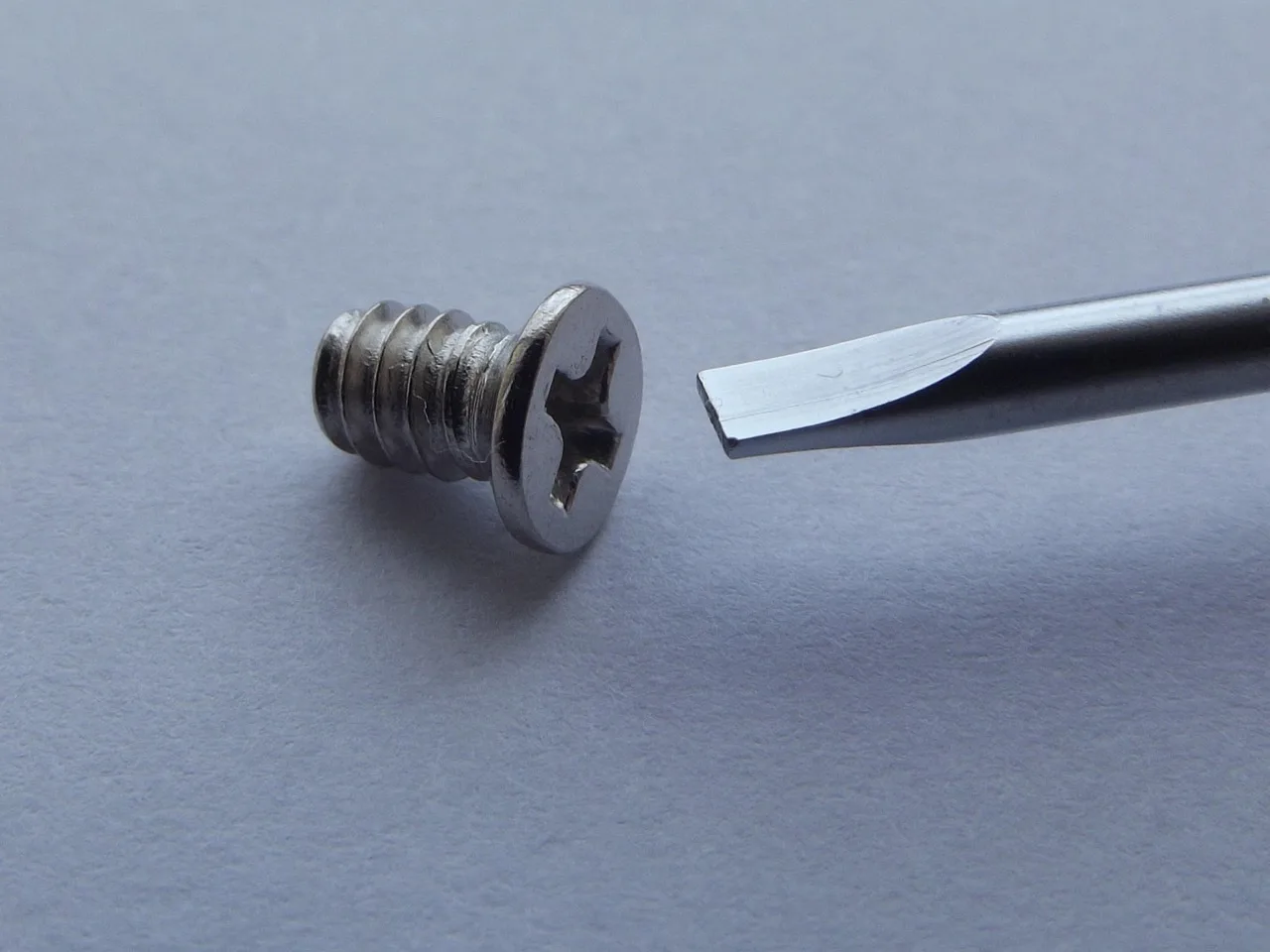


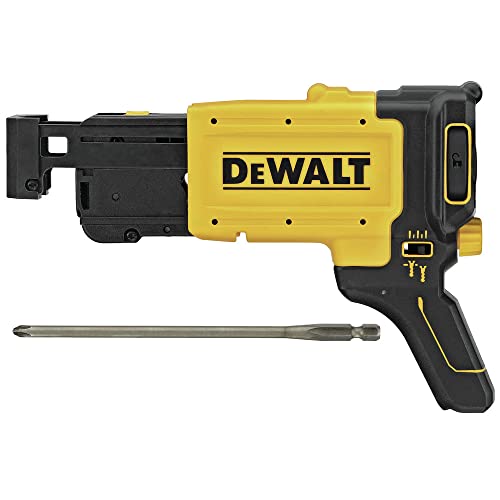
Match the screw length to the board thickness and the framing behind it. For most interior walls, 1/2-inch drywall on wood studs gets 1-1/4-inch screws. Step up to 1-5/8-inch for 5/8-inch board, ceilings, or thicker assemblies. Steel studs generally call for fine-thread screws rather than coarse-thread ones.
Drywall thickness and screw length by framing type
Drywall is gypsum board, often called sheetrock or plasterboard. Half-inch is the default for most interior walls. Five-eighths-inch board is common on ceilings and where fire or sound performance matters. Quarter-inch board bends for curved walls and archways, so it needs shorter fasteners and careful handling during installation.
For wood framing, the goal is to pass through the board and bite solidly into the stud without punching the paper face too deeply. For steel framing, length still matters, but thread style matters too. A screw that is long enough but has the wrong thread can spin, strip, or fail to pull the board tight.
- 1/4-inch drywall: use shorter screws and treat it as specialty board for curves and arches.
- 3/8-inch drywall: use a shorter screw than standard 1/2-inch work.
- 1/2-inch drywall: the common wall choice; 1-1/4-inch screws are the usual starting point.
- 5/8-inch drywall: move up to 1-5/8-inch screws on most wood framing.
Wood studs versus steel studs
Do not use the same rule for every frame. Wood studs usually take coarse-thread drywall screws. Steel studs usually take fine-thread screws, and the screw needs enough length to reach full purchase without wandering. That difference matters more than many buyers expect, especially on ceilings where every fastener works harder.
When the framing is steel, check flange thickness and the board count. A single layer of 1/2-inch drywall on steel often works with a shorter screw than a double-layer or fire-rated assembly. If the screw tips out before it fully clamps the board, length or thread style is wrong.
What size drywall screw should I use?
Use 1-1/4-inch screws for standard 1/2-inch drywall on wood studs, 1-5/8-inch screws for 5/8-inch board or ceilings, and 2-inch screws when extra bite is needed on thicker layers or less forgiving framing. Save 2-1/2-inch screws for special builds, not ordinary single-layer walls. The right size is the shortest one that still bites well.
When 1-1/4 in, 1-5/8 in, or 2 in screws make sense
1-1/4-inch screws are the everyday choice for half-inch wall board on wood framing. 1-5/8-inch screws suit heavier board and ceiling work because they give more thread engagement. Two-inch screws make sense when the assembly calls for more reach, such as thicker board, double-layer work, or a framing condition that needs more bite.
Longer is not automatically better. A screw that is too long can be harder to drive cleanly, can waste material, and can leave the head proud if the driver slips. The target is solid hold with the head set just below the surface, not deep cratering.
What size screws are best for thin drywall?
Quarter-inch and 3/8-inch drywall usually need shorter screws than standard wall board. Thin material bends more easily, so the fastener choice should avoid crushing the face paper or pulling through. On curved work, keep the screw short enough for control and long enough to anchor without tearing the board.
How many drywall screws go in a sheet?
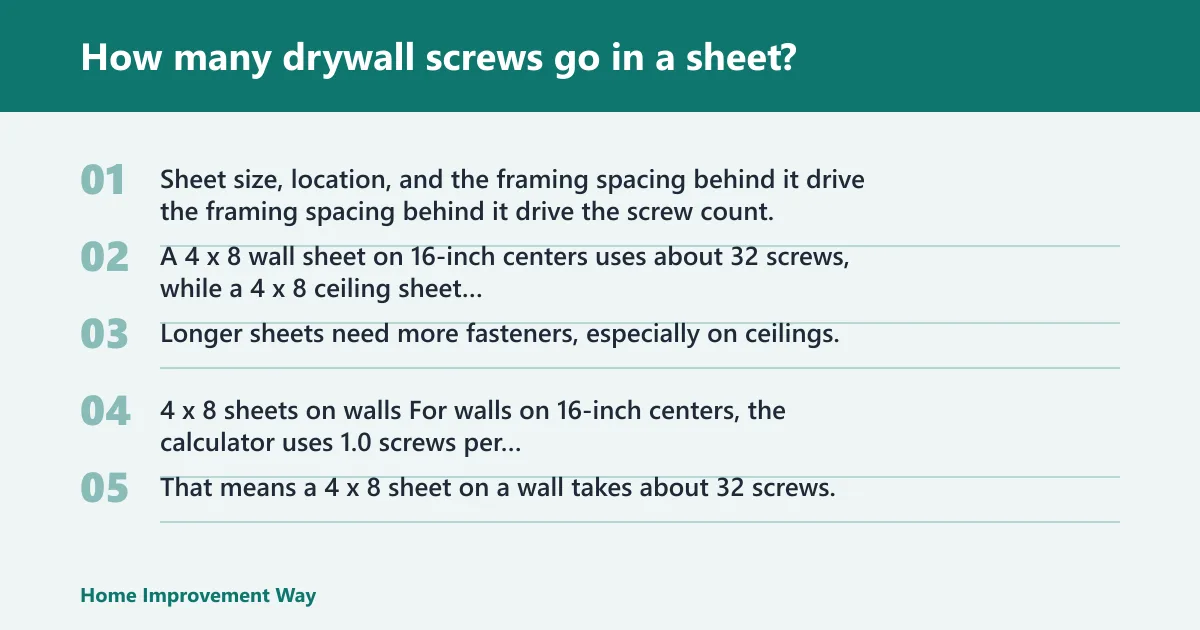
Sheet size, location, and the framing spacing behind it drive the screw count. A 4 x 8 wall sheet on 16-inch centers uses about 32 screws, while a 4 x 8 ceiling sheet on 12-inch centers uses about 40 screws. Longer sheets need more fasteners, especially on ceilings.
4 x 8 sheets on walls
For walls on 16-inch centers, the calculator uses 1.0 screws per square foot. That means a 4 x 8 sheet on a wall takes about 32 screws. For 24-inch centers on walls, the count drops in density terms, but the actual fastening plan should still follow the board edges, stud layout, and local fastening pattern.
4 x 10 sheets on walls
A 4 x 10 sheet covers more area than a 4 x 8 sheet, so the screw count rises with it. Use the sheet area as the starting point, then add the top and bottom rows, corners, and any extra fasteners needed for framing layout. The longer the panel, the more important consistent spacing becomes.
4 x 12 sheets on walls
Four-by-twelve sheets usually need the highest wall count because the length gives you more seams and more opportunities for edge fastening. They also magnify any layout problem. If the wall framing is out of rhythm with the sheet length, the screw count can climb quickly even when the board type stays the same.
Ceilings and longer spans
For ceilings on 12-inch centers, the calculator uses 1.25 screws per square foot, and a 4 x 8 ceiling sheet uses about 40 screws. Ceilings often need more fasteners than walls because gravity works against the board while the adhesive and screws set. That is why ceiling work deserves a longer screw and a tighter plan.
Wall and ceiling spacing that drives the count
Spacing rules drive the screw count more than sheet size does. ASTM C840 and GA-216 are references installers use for fastening, but for a DIYer the practical rule is to keep edge and field fasteners consistent and tighten the pattern for ceilings. Wall spacing and ceiling spacing are not the same job.
16 in on center walls
The calculator uses 16 in on center as the standard wall stud spacing. On those walls, 1.0 screws per square foot is the planning number, and a 4 x 8 wall sheet uses about 32 screws. That gives a reliable buy-right starting point for ordinary interior rooms.
24 in on center walls
At 24 in on center, the framing span is wider, so the board has fewer direct touch points with studs. That often calls for more attention to board stiffness, edge support, and screw layout. The count per sheet may not look dramatic at first glance, but the fastening pattern matters more here than on tighter framing.
12 in on center ceilings
The calculator uses 12 in on center as the standard ceiling joist spacing. On ceilings, the planning number is 1.25 screws per square foot, and a 4 x 8 ceiling sheet uses about 40 screws. The tighter spacing helps hold the board flat while it is being set and fastened overhead.
16 in on center ceilings
Sixteen-inch ceiling framing can still support a clean drywall job, but the screw pattern should be treated more carefully than wall work. The board is carrying its own weight while fastened overhead, so a ceiling plan should be based on a firmer screw schedule and a longer screw where the board thickness calls for it.
Drywall screw size calculator table
This table turns drywall thickness, framing, and application into a practical buying plan. It uses the published screw lengths of 1 in, 1-1/4 in, 1-5/8 in, 2 in, and 2-1/2 in, plus the calculator’s waste allowance of 10%. The pound and box figures are planning numbers for common packages.
| Drywall thickness | Framing / application | Recommended screw length | Estimated screws per sheet | Estimated screws per pound | Approx. 1 lb coverage | Approx. 5 lb box coverage | Approx. 25 lb box coverage |
|---|---|---|---|---|---|---|---|
| 1/4 in | Wood studs, curved wall or archway | 1 in | Varies by layout | about 650 | about 1 sheet or more of light coverage | about 5 sheets | about 25 sheets |
| 3/8 in | Wood studs, light wall use | 1-1/4 in | Varies by layout | about 320 | about 1 sheet | about 5 sheets | about 25 sheets |
| 1/2 in | Wood studs, 16 in on center wall | 1-1/4 in | about 32 | about 300 | about 9 sheets | about 45 sheets | about 225 sheets |
| 1/2 in | Steel studs, interior wall | 1-1/4 in fine-thread | about 32 | about 300 | about 9 sheets | about 45 sheets | about 225 sheets |
| 5/8 in | Wood studs, ceiling or wall | 1-5/8 in | about 36 to 40 | about 220 | about 7 sheets | about 33 sheets | about 165 sheets |
| 5/8 in | Steel studs, ceiling or wall | 1-5/8 in fine-thread | about 36 to 40 | about 220 | about 7 sheets | about 33 sheets | about 165 sheets |
| Double-layer or heavy assembly | Special case | 2 in or 2-1/2 in | Project-specific | about 160 to 180 | about 1 sheet per 160 to 180 screws | about 8 to 9 sheets | about 40 to 45 sheets |
How to convert screw count into boxes and pounds
Add 10% waste for dropped, stripped, and overdriven screws. Then multiply your sheet count by the per-sheet screw count, add the waste, and compare that total with the package size on the bin. That is the cleanest way to avoid a half-finished room and a second store run.
- Count the sheets by room and by surface.
- Use the wall or ceiling screw count for each sheet size.
- Add 10% for waste.
- Round up to the next full box or bucket.
- Keep a little extra for repairs and missed studs.
For example, if a job needs about 320 screws for ten wall sheets, the waste allowance brings it to about 352 screws. That is still less than two pounds on a typical wall-size screw count, but the practical buy is usually a box, not an exact weight. The leftover coverage can be useful for patching later.
How many screws are in a pound of drywall screws?
The answer depends on screw length. A pound of 1 in screws holds far more pieces than a pound of 1-5/8 in or 2 in screws, because the longer screws are heavier. For planning, expect on the order of a few hundred screws per pound, with smaller screws giving more per pound and longer screws giving fewer.
Why pound counts matter
Pound counts help when a store labels fasteners by weight instead of piece count. They also help when comparing leftover stock from earlier jobs. If a box label is missing or the package was opened, screw length gives a better clue than the pile alone.
What do ASTM C840 and GA-216 mean for fastening?
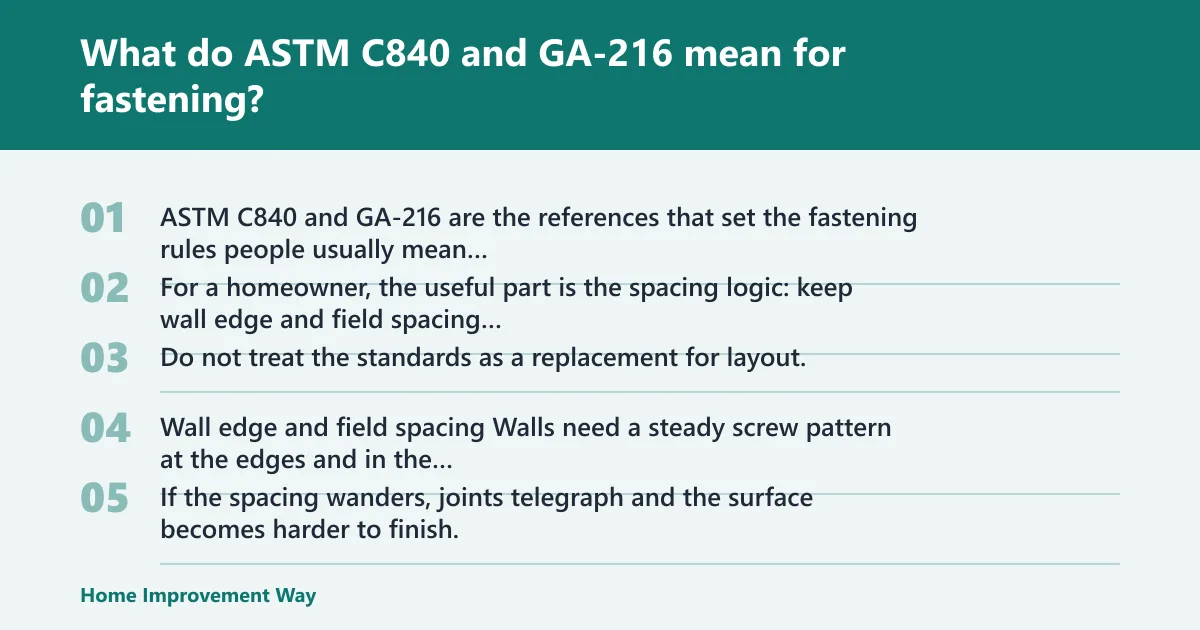
ASTM C840 and GA-216 are the references that set the fastening rules people usually mean when they talk about drywall standards. For a homeowner, the useful part is the spacing logic: keep wall edge and field spacing consistent, and tighten the pattern for ceilings. Do not treat the standards as a replacement for layout.
Wall edge and field spacing
Walls need a steady screw pattern at the edges and in the field so the board lies flat and the seam tape has a stable base. If the spacing wanders, joints telegraph and the surface becomes harder to finish. A clean screw line matters as much as the screw itself.
Ceiling spacing range
Ceilings usually need tighter control than walls because the board is hanging overhead while the fasteners take hold. That is where 12 in on center framing and the higher screw density help. If the board flexes or the head sinks too far, the ceiling will show it later.
Frequently asked questions
What is the standard drywall screw size?
For most interior wall work on 1/2-inch drywall, the standard choice is 1-1/4-inch coarse-thread screws on wood studs. That is the common starting point, not a universal answer. When the board gets thicker, the framing changes, or the work moves to a ceiling, the screw length should change too.
What size drywall screw should I use?
Use the shortest screw that still gives full bite into the framing. For 1/2-inch board on wood studs, that is usually 1-1/4-inch. For 5/8-inch board, ceilings, or deeper wood bite, move to 1-5/8-inch. Steel studs usually need fine-thread screws of the same general length range.
How many drywall screws go in a 4 x 8 sheet?
A 4 x 8 wall sheet on 16-inch centers uses about 32 screws. A 4 x 8 ceiling sheet on 12-inch centers uses about 40 screws. Those are the planning numbers to start with, then add 10% waste for dropped, stripped, and overdriven screws.
Do I need different drywall screws for wood and steel studs?
Yes. Wood studs usually use coarse-thread drywall screws, while steel studs usually use fine-thread screws. Length may be similar, but thread style is what keeps the screw from spinning or stripping. If the screw does not bite cleanly, the thread type is likely wrong for the framing.
How many screws do I need for walls versus ceilings?
Ceilings usually need more screws than walls because they are overhead and the board has to stay flat while it is secured. The calculator uses 1.0 screws per square foot for walls on 16-inch centers and 1.25 screws per square foot for ceilings on 12-inch centers.
What screw size is best for 1/2-inch drywall?
For 1/2-inch drywall on wood studs, 1-1/4-inch screws are the best default choice. They are long enough to bite well without being unnecessarily long. On steel studs, use a fine-thread version in the same general length range unless the assembly calls for a different fastening detail.
Sponsored / affiliate links. As an Amazon Associate I earn from qualifying purchases. I may earn additional commission from eligible campaigns.