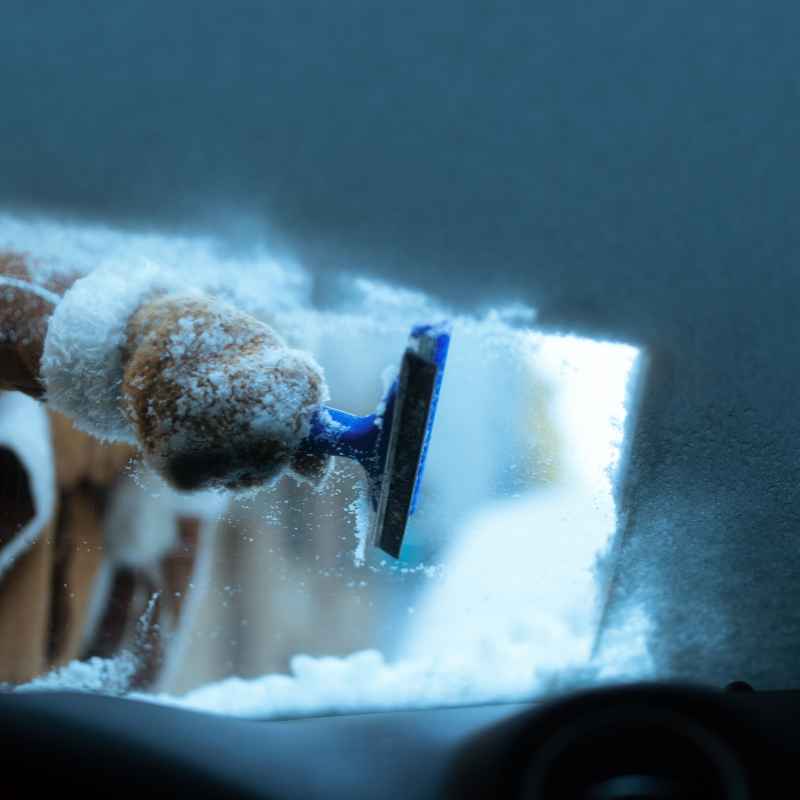
How to Defrost Windshield Fast With No Heater
Defrosting your windshield when your car heater is broken can be a frustrating but essential task to ensure safe driving. Dealing with icy or fogged-up windows without a functional heater requires quick, effective solutions to clear your view and get you on the road safely. This guide provides practical methods and tips to combat winter windshield woes when your primary heating system fails.
Simply put, when your car heater is broken, you must rely on external tools, alternative solutions like commercial de-icers, or clever DIY methods to quickly defrost your windshield for safe visibility.
Key Takeaways
- Defrosting your windshield without a heater relies on creating temperature differentials and physical removal of ice or frost.
- Commercial de-icing sprays are highly effective and readily available for quick solutions.
- DIY solutions using household items can also be surprisingly effective for defrosting your windshield.
- Preventative measures like using a windshield cover are crucial to avoid the problem altogether.
- Always prioritize safety by ensuring complete visibility before driving.
What is Windshield Frost and Ice?
Windshield frost and ice are common winter phenomena that can severely impair driving visibility. Frost forms when the surface temperature of your windshield drops below freezing, and the moisture in the air comes into contact with it, sublimating directly into ice crystals. Ice, on the other hand, forms when liquid water freezes on the windshield surface, often due to rain or melting snow that refreezes.
These frozen layers are more than just an inconvenience; they are a significant safety hazard. They reduce your ability to see pedestrians, other vehicles, and road signs, dramatically increasing the risk of an accident. Without a functioning heater to warm the glass from the inside, clearing these obstructions becomes a manual and often urgent process.
Understanding the nature of frost and ice is the first step in devising effective removal strategies. Different types of frozen precipitation, like thick ice versus light frost, may require slightly different approaches, but the fundamental goal remains the same: a completely clear and safe driving view.
Types of Frozen Precipitation on Windshields
- Frost: Fine ice crystals formed by direct deposition from water vapor. Usually appears as a white, powdery layer.
- Black Ice: A thin, transparent layer of ice that forms when water freezes on a surface, making it difficult to see. It often forms on roads but can also coat windshields.
- Glazed Ice: Thicker, more opaque ice that forms from freezing rain or refrozen melted snow. This is typically the hardest type of ice to remove.
- Hoarfrost: Larger, more feathery ice crystals that form under specific atmospheric conditions, often appearing more ornate than typical frost.
The Dangers of Impaired Visibility
Driving with a partially or fully obscured windshield is extremely dangerous. Studies consistently show that poor visibility is a leading factor in winter car accidents. For instance, the National Highway Traffic Safety Administration (NHTSA) reports that visibility is a contributing factor in tens of thousands of crashes annually.
When your view is blocked by ice or frost, your reaction time is severely compromised.
The inability to see potential hazards in time means you are less likely to brake or steer effectively to avoid them. This can lead to collisions with other vehicles, pedestrians, cyclists, or stationary objects. Furthermore, attempting to clear the windshield while driving, or even before starting, with a broken heater can expose you to the elements and prolong the time you spend in a vulnerable state.
How to Defrost Windshield with Alternative Heat Sources
Since your car’s heater is out of commission, you’ll need to find alternative ways to generate enough heat to melt the ice and frost. This can involve using external heat sources or creating a temporary warming effect on the glass. The key is to apply heat strategically and safely to avoid damaging the windshield.
One of the most immediate ways is to use a hairdryer set to a warm setting, plugged into a power source if available, or even a portable battery-powered one if you have one. Directing the warm air onto the iced-up areas can quickly start the melting process. Always keep the hairdryer moving to prevent excessive heat buildup in one spot, which could potentially crack the glass, especially if there are existing chips or cracks.
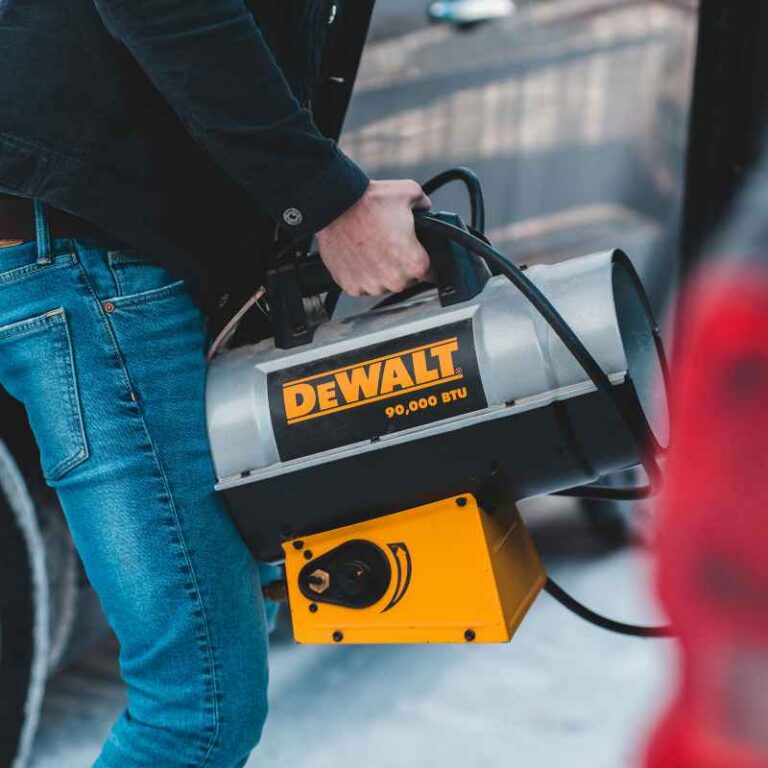
Another method involves using a portable propane heater or a car-specific battery-operated defroster. These devices are designed to provide localized heat and can be very effective. However, always use them with extreme caution and ensure proper ventilation to avoid carbon monoxide buildup, especially if you are running the engine for this purpose.
Never use these devices in an enclosed garage.
Using Household Items as Heat Sources
- Hairdryer: A readily available tool. Use a warm setting and keep it moving. Ensure you have a suitable power source.
- Portable Heater: Battery-powered or propane heaters can be effective but require careful handling and ventilation.
- Warm Water (Carefully!): Pouring warm, not boiling, water on the windshield can melt ice. However, this can cause thermal shock and crack the glass if done too quickly or with excessively hot water, especially in very cold temperatures. It’s often best to use this as a last resort or for very thin frost.
- Portable Fan Heater: Some smaller portable fan heaters can be powered by your car’s battery if it’s strong enough, or by an inverter.
Applying Heat Safely to the Windshield
When applying any form of heat, the primary concern is preventing thermal shock. The windshield is made of laminated glass, which can crack or shatter if subjected to rapid, extreme temperature changes. This is particularly true if the glass already has small chips or cracks.
Always start with the lowest effective heat setting. Gradually increase the temperature if necessary. Avoid concentrating heat on a single spot for too long.
If using warm water, start with lukewarm water and slowly increase the temperature if the ice isn’t melting. It’s often better to apply multiple applications of lukewarm water than one blast of hot water.
Effective De-Icing Sprays and Solutions
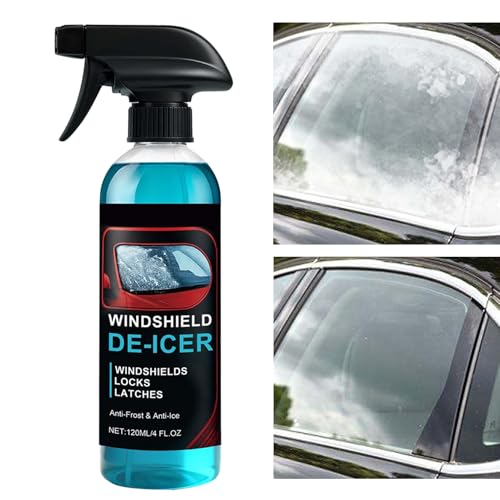
Commercial de-icing sprays are specifically formulated to melt ice and frost quickly and safely. These products typically contain a high percentage of alcohol (like isopropyl alcohol), which lowers the freezing point of water, preventing it from re-freezing and helping to break down existing ice bonds. They are often the most convenient and effective solution when your heater is out.
When choosing a de-icing spray, look for one that is effective in very low temperatures and won’t damage your car’s paint or rubber seals. Many brands offer solutions that are safe for these materials. It’s a good idea to keep a can of de-icing spray in your car throughout the winter months, especially if you’ve experienced heater issues or live in a region with frequent freezing temperatures.
Beyond pre-made sprays, you can also create your own de-icing solution. A common DIY recipe involves mixing two parts isopropyl alcohol with one part water. Some people also add a drop or two of dish soap to help break the surface tension of the water, making it more effective.
This mixture can be stored in a spray bottle for easy application.
DIY De-Icing Solution Recipes
- Alcohol-Based Solution: 2 parts isopropyl alcohol (70% or 91%), 1 part water. This is highly effective.
- Vinegar Solution: 1 part white vinegar, 1 part water. Vinegar can help break down ice but may leave a slight residue. Use sparingly.
- Salt Solution (Use with Caution): A very small amount of rock salt dissolved in warm water. Salt can be corrosive and damage paint and metal over time, so it’s generally not recommended for regular use.
How to Apply De-Icing Sprays
- Ensure the spray nozzle is set to a stream or wide spray pattern.
- Hold the can or spray bottle about 6-8 inches away from the windshield.
- Apply the spray generously over the iced or frosted areas.
- Allow the solution to work for a minute or two; you’ll see the ice begin to melt or soften.
- Use a clean windshield scraper or squeegee to remove the slush and remaining ice.
- For stubborn ice, reapply the spray and wait a bit longer before scraping.
- Wipe down the windshield with a dry cloth or paper towels to remove any residue and prevent refreezing.
Manual Removal Techniques
Even with alternative heat sources or de-icing sprays, manual removal is often necessary to clear the windshield completely. This involves physically scraping away the ice and frost. The right tools and technique can make this process faster and less strenuous.
A good quality ice scraper is indispensable. Look for one with a sturdy handle and a sharp, durable blade. Some scrapers have a brush on the other end, which is useful for sweeping away loose snow and frost before you start on the ice.
When scraping, use long, even strokes. Start at the edges and work your way towards the center.
Avoid using sharp or hard objects that are not designed for scraping ice, such as knives, credit cards, or metal tools, as these can easily scratch or even crack your windshield. Patience is key; rushing the process can lead to damage or incomplete clearing. Always ensure you clear not just the front windshield but also your side windows and rear window for maximum visibility.
Essential Tools for Manual Removal
- Ice Scraper: A must-have. Choose one with a comfortable grip and a robust blade.
- Snow Brush: Useful for removing loose snow and light frost before scraping ice.
- Squeegee: For wiping away melted ice and water, ensuring a streak-free finish.
- Microfiber Cloths/Paper Towels: For drying the windshield and removing residual moisture or streaks.
- Gloves: To keep your hands warm and dry during the process.
Step-by-Step Scraping Method
- Prepare: If there’s loose snow, brush it off completely.
- Start Scraping: Begin at the top of the windshield and work downwards in long, overlapping strokes.
- Apply Pressure: Use firm but controlled pressure. Avoid gouging the glass.
- Edge Work: Pay special attention to the edges and corners where ice tends to be thickest.
- Reapply if Needed: If ice is too thick, use a de-icer spray or warm water (cautiously) and let it sit for a minute before resuming scraping.
- Clear Away Debris: Remove scraped ice and snow from the base of the windshield so it doesn’t blow back onto the glass.
- Final Wipe: Use a squeegee or clean cloth to remove any remaining water or streaks.
Preventative Measures for Frost and Ice
The best approach to dealing with a broken heater and a frozen windshield is to prevent the ice and frost from forming in the first place. Implementing preventative measures can save you significant time and effort, especially on cold mornings.
One of the most effective preventative measures is using a windshield cover. These are typically made of durable material and are designed to fit snugly over your windshield. They create a barrier between the glass and the elements, stopping frost and ice from forming directly on the surface.
Many covers have flaps that can be secured inside the car doors to prevent them from blowing away and to deter theft.
Another key preventative strategy is parking your car strategically. If possible, park in a garage or carport. If you must park outside, try to angle your windshield towards the sun if you expect it to rise early, as this can help melt light frost.
Ensure your car’s defroster vents are not blocked by snow or ice, which can hinder even minimal airflow once you start the engine.
Types of Windshield Covers
- Fabric Covers: Made from durable, waterproof materials like polyester or nylon. They are lightweight and easy to store.
- Magnetic Covers: These covers have magnets along the edges that adhere to the car’s frame. They are quick to put on and take off.
- Snow/Ice Shields: Often integrated with brushes or squeegees, designed for both snow removal and ice prevention.
- DIY Covers: Cardboard or tarps can be used in a pinch, though they may not fit as well or be as durable.
Parking and Car Care Tips
- Garage/Carport Parking: The most effective way to avoid frost and ice buildup.
- Angle Your Car: If parking outside, try to park facing east to catch the morning sun.
- Clean Wiper Blades: Lift wiper blades off the windshield overnight or remove them entirely to prevent them from freezing to the glass.
- Check Antifreeze: Ensure your car’s antifreeze is at the correct level and concentration for the expected temperatures.
- Sealant Application: Applying a hydrophobic sealant to your windshield can make ice and frost easier to remove.
Dealing with Fogged-Up Windows (Interior)
When the heater is broken, not only does the outside of the windshield freeze, but the inside can also fog up due to the humidity inside the car condensing on the cooler glass. This is especially common on humid or rainy days, even in cold weather, as your breath adds moisture to the cabin air.
To combat interior fogging without a heater, you need to reduce the humidity inside the car and increase air circulation. You can temporarily use your car’s fan on a high setting, even if it’s blowing cold air, to circulate air across the windshield. Opening your windows slightly, even just a crack, can help equalize the humidity levels between the inside and outside of the car, reducing fog buildup.
You can also use anti-fog treatments designed for car interiors. These are sprays or wipes that create a coating on the glass, preventing water droplets from forming a visible fog. Keeping a dry, clean cloth handy can also help you wipe away fog as it appears.
Regularly cleaning your interior windshield with a glass cleaner can also improve its resistance to fogging.
Anti-Fogging Techniques
- Crack Windows: Open windows slightly to improve ventilation and reduce interior humidity.
- Fan Circulation: Use the car’s fan on the highest setting (even if blowing cold air) to move air over the windshield.
- Anti-Fog Sprays/Wipes: Apply commercial products to the interior of the windshield.
- Shaving Cream Trick: A thin layer of shaving cream applied to the interior glass and buffed off can create a temporary anti-fog barrier.
- Dry Cloth: Keep a clean, dry microfiber cloth to wipe away fog as it forms.
- Reduce Interior Moisture: Avoid bringing wet items like umbrellas or damp clothing into the car if possible.
Reducing Humidity in the Cabin
Minimizing moisture sources is key to preventing fog. If you have wet floor mats, try to dry them out or replace them with rubber mats that are easier to clean and dry. If you’ve recently driven through rain or snow, try to shake off as much excess water as possible from your clothes and shoes before entering the vehicle.
Some drivers use dehumidifying packs or moisture absorbers in their cars, especially if they tend to carry damp items. These can be placed under seats or in other discreet locations. Ensure your car’s air conditioning system is functional if possible, as the A/C can effectively dehumidify the air, even when used in conjunction with the fan on a cool setting.
Frequently Asked Questions
What is the fastest way to defrost a windshield without a heater?
The fastest way typically involves using a commercial de-icing spray combined with a good quality ice scraper. Applying the spray generously, letting it sit for a moment to break down the ice, and then scraping vigorously can clear a windshield relatively quickly. If you have access to a portable heater or hairdryer, these can also speed up the process significantly.
Can I use boiling water to defrost my windshield?
No, you should never use boiling water. The extreme temperature difference between boiling water and a frozen windshield can cause the glass to crack or shatter due to thermal shock. Warm or lukewarm water is a safer alternative, but even then, it should be applied gradually and cautiously.
How can I prevent ice from forming on my windshield overnight?
The most effective preventative method is to use a windshield cover. Parking in a garage or carport is also ideal. You can also lift your wiper blades off the windshield to prevent them from freezing to the glass.
Is it safe to drive with a partially defrosted windshield?
No, it is not safe. Driving with even a partially obscured windshield significantly reduces your visibility, making it difficult to see other vehicles, pedestrians, and road hazards. Always ensure your entire windshield is completely clear before setting off.
How long does it take to defrost a windshield?
The time it takes varies greatly depending on the thickness of the ice, the temperature, and the method used. Using a de-icing spray and scraper might take 5-15 minutes for moderate ice. Relying solely on manual scraping can take longer.
Using a powerful external heat source will be the quickest, potentially clearing it in just a few minutes.
Final Thoughts
Dealing with a frozen windshield when your car heater is broken presents a unique challenge, but with the right strategies, you can ensure safe driving conditions. Prioritize preventative measures like windshield covers and careful parking. When defrosting is necessary, opt for effective de-icing sprays, manual scraping with appropriate tools, or alternative heat sources used cautiously.
Always ensure complete visibility before embarking on your journey.
Sponsored / affiliate links. As an Amazon Associate I earn from qualifying purchases. I may earn additional commission from eligible campaigns.