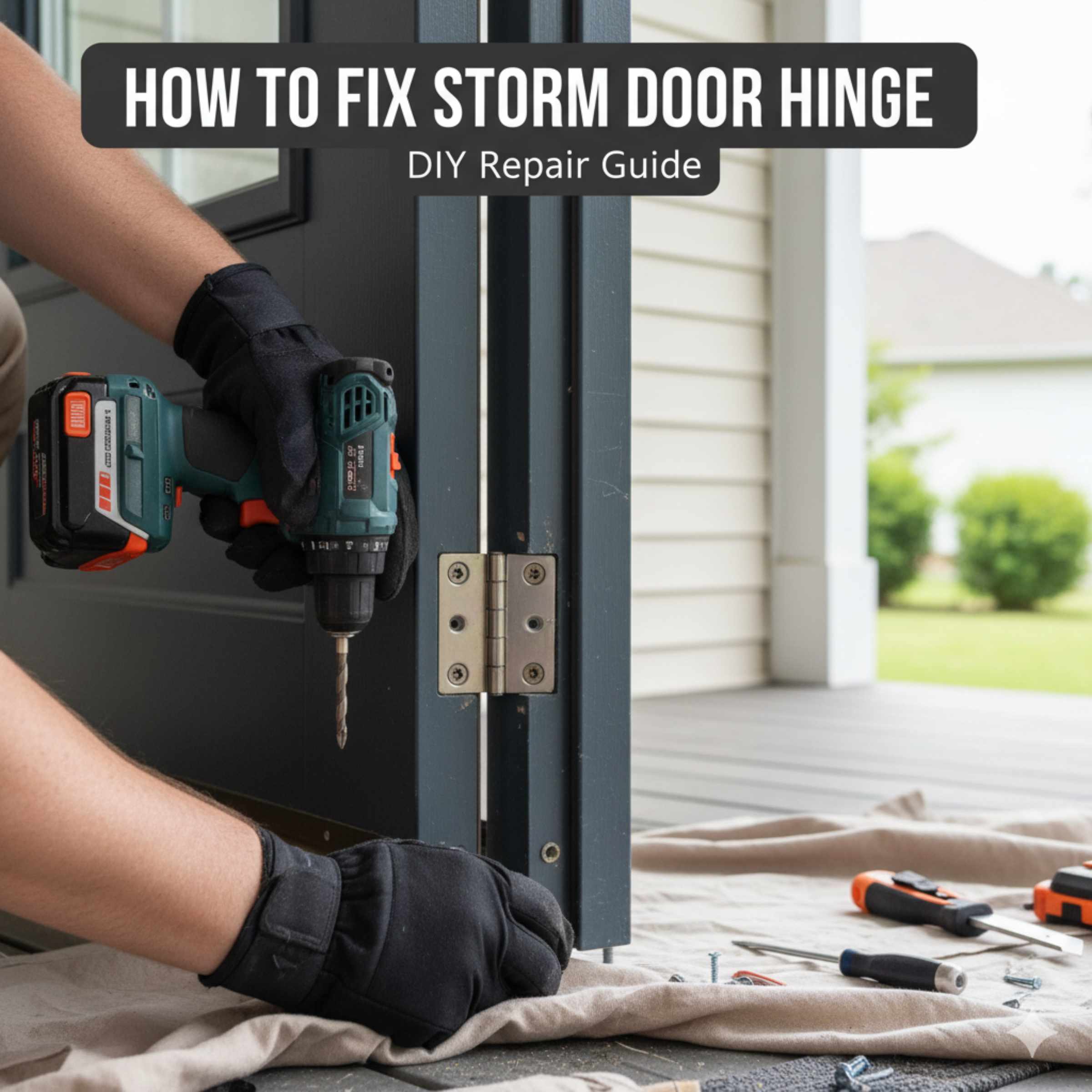
How To Fix Storm Door Hinge: Proven Essential
Quick Summary:
Fixing a storm door hinge is a straightforward DIY task. Usually, it involves tightening loose screws, lubricating stiff hinges, or replacing a damaged hinge pin. With basic tools and these simple steps, you can restore your storm door’s smooth operation and security.
A squeaky, sagging, or sticky storm door hinge can be quite a nuisance. It makes opening and closing the door difficult and can even compromise its ability to seal properly. But don’t worry! You don’t need to be a seasoned handyman to tackle this common problem. Most storm door hinge issues are easily resolved with a few common household tools and a little patience. We’ll walk you through the most frequent fixes, making your storm door work like new again.
Why Storm Door Hinges Fail and What to Look For
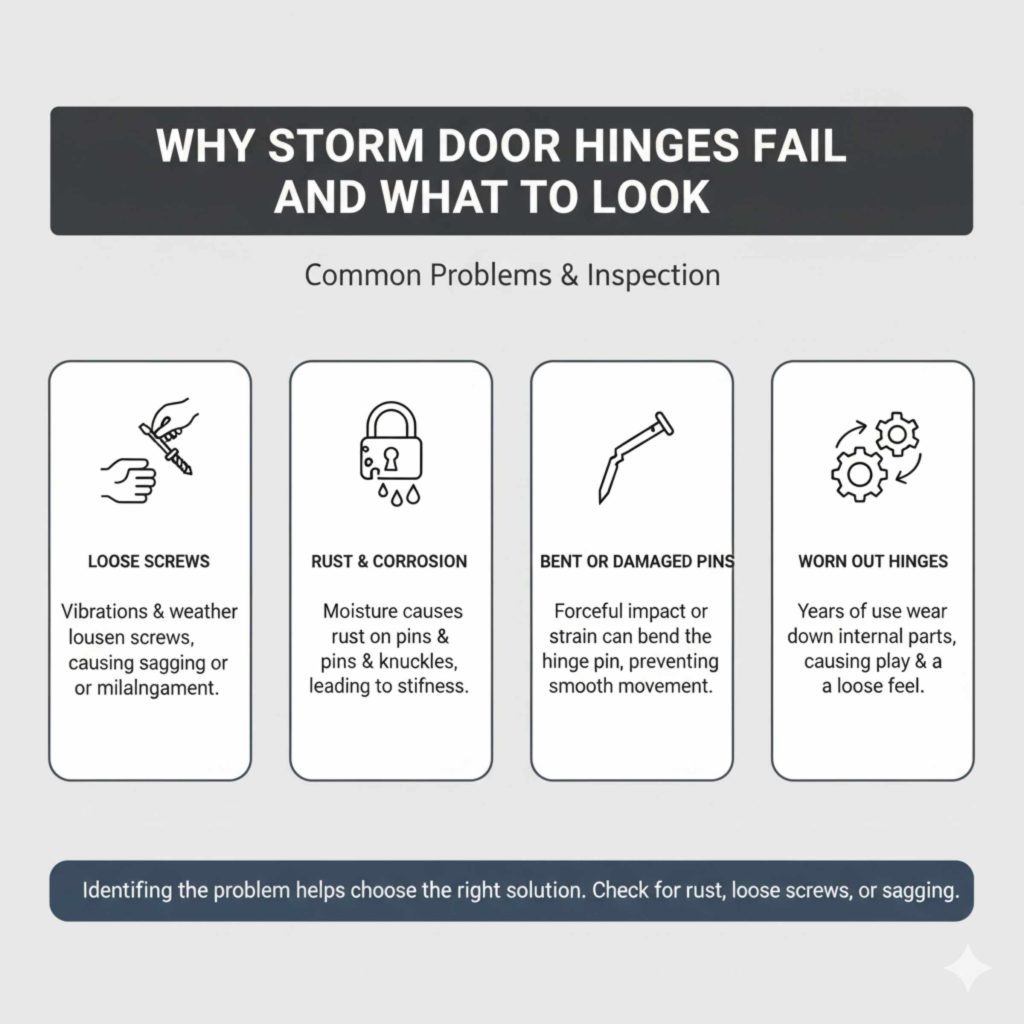
Storm door hinges are exposed to the elements, which means they can face rust, dirt, and wear over time. This exposure can lead to a variety of problems:
- Loose Screws: Vibrations from the door or weather can cause screws to loosen, leading to sagging or a door that doesn’t close flush.
- Rust and Corrosion: Moisture is the enemy of metal. Rust can build up on the hinge pin and knuckles, making the hinge stiff or difficult to move.
- Bent or Damaged Pins: A forceful impact or excessive strain can bend or break the hinge pin, preventing smooth operation.
- Worn Out Hinges: Over many years of use, the internal parts of the hinge can wear down, causing play and a loose feel.
Before you start fixing, take a moment to examine your storm door hinge. Does it look rusty? Are the screws loose? Does the door sag on one side? Identifying the specific problem will help you choose the right solution.
Essential Tools You’ll Need
Gathering the right tools beforehand makes any DIY project smoother. For fixing storm door hinges, you likely have most of these already:
- Screwdriver set (Phillips and flathead)
- Pliers (needle-nose and standard)
- Penetrating oil (like WD-40 or a similar lubricant)
- Lightweight lubricating oil (like 3-in-1 oil)
- Rag or paper towels
- Hammer
- Block of wood (optional, for supporting the door)
- Replacement hinge pin (if needed)
- Replacement screws (if needed)
- Safety glasses
- Work gloves
Always remember to wear your safety glasses when working with tools, especially when hammering or dealing with potentially loose parts.
How to Fix a Loose Storm Door Hinge
Loose hinges are one of the most common issues. A sagging door or one that doesn’t seal properly is often a sign that the screws holding the hinge to the door frame or the door itself have loosened. This is usually the easiest fix.
Step 1: Identify the Loose Screws
Open your storm door and carefully inspect each hinge. Look for screws that appear to be sticking out, are not flush with the hinge plate, or have stripped holes where they enter the wood or metal frame. Sometimes, the hinge plate itself might be pulling away from the surface.
Step 2: Tighten the Screws
Using the appropriate screwdriver (usually a Phillips head), gently tighten any loose screws. Be careful not to overtighten, as this can strip the screw hole or even crack the wood. If a screw just keeps turning without tightening, the hole might be stripped.
Step 3: Address Stripped Screw Holes
If you encounter a stripped screw hole, don’t despair! There are a few simple ways to fix this:
- Toothpick or Wooden Matchstick Method: Break off a few wooden toothpicks or matchsticks (without the sulfur tip) and insert them into the stripped hole. Then, drive the screw back in. The wood fills the gap, giving the screw something to grip.
- Wood Filler or Epoxy: For a more permanent fix, you can use wood filler or a two-part epoxy. Fill the stripped hole, let it cure completely according to the product’s instructions, and then drill a new pilot hole and re-insert the screw.
- Longer/Thicker Screws: If the original screw hole is too damaged, you might be able to use a slightly longer or thicker screw of the same type. Ensure it can still fit without damaging the surrounding material.
Tightening these screws should pull the door back into alignment and stop any sagging. Test the door’s movement to ensure it opens and closes smoothly.
How to Fix a Stiff or Squeaky Storm Door Hinge
A squeaky hinge is annoying, and a stiff one can be impossible to move. This is usually due to a lack of lubrication or rust buildup. Fortunately, this is also a simple fix.
Step 1: Clean the Hinge
Before lubricating, it’s a good idea to clean any dirt or grime from the hinge. You can use a dry rag to wipe down the exterior. If there’s visible rust, you might need a wire brush to gently scrub it away.
Step 2: Apply Penetrating Oil
For stubborn rust or stiffness, start with a penetrating oil like WD-40. Spray it generously around the hinge knuckles and pin. Let it sit for 5-10 minutes to work its way into the mechanism. You might need to reapply if the rust is severe.
You can learn more about using penetrating oils effectively from resources like this guide on lubricant types from Machinery Lubricants.
Step 3: Work the Hinge
After the penetrating oil has had time to soak in, open and close the storm door several times. This action helps to distribute the oil and break free any rust or debris that’s causing the stiffness.
Step 4: Apply Lubricating Oil
Once the hinge moves more freely, it’s time for a lighter lubricating oil (like 3-in-1 oil) for long-term smoothness. Apply a few drops to the hinge pin and knuckles. Again, work the door back and forth to ensure the lubricant spreads evenly.
Step 5: Wipe Away Excess
Use a clean rag to wipe away any excess oil that drips down. This prevents it from attracting more dirt and grime.
How to Fix a Storm Door Hinge Pin That’s Stuck or Damaged
The hinge pin is the core component that allows the hinge knuckles to pivot. If it’s bent, rusted in place, or broken, it can cause significant problems.
Step 1: Remove the Hinge Pin
This can be the trickiest part if the pin is stuck. You’ll usually need to access the bottom of the hinge pin. Some pins have a cap that needs to be removed first. For most standard hinges, you’ll place the tip of a screwdriver or a nail set on the bottom of the pin and tap it upwards with a hammer.
Important Safety Note: It’s a good idea to have someone help you support the door if you’re removing pins from multiple hinges, or if the door feels heavy. You can also use a block of wood under the door to take some of the weight off the hinges.
If the pin is rusted in place, spray it with penetrating oil and let it soak. Tapping gently and repeatedly is often more effective than forceful blows.
Step 2: Inspect and Clean or Replace the Pin
Once the pin is out, inspect it for damage. If it’s bent, try to straighten it with pliers or a hammer on a hard surface. If it’s heavily rusted or broken, you’ll need to replace it. You can find replacement hinge pins at most hardware stores. Bring the old one with you to ensure you get the correct size and type.
Clean the inside of the hinge knuckles with a rag. If there’s significant rust, a wire brush can help. Once clean, apply a light coat of lubricating oil to the pin before reinserting it.
Step 3: Reinsert the Hinge Pin
Align the hinge knuckles and carefully slide the pin back down through them. You might need to tap it gently with a hammer to fully seat it. Ensure the pin is fully inserted and secure.
Step 4: Test the Door
Open and close the storm door several times to ensure the hinge is operating smoothly. If it’s still stiff, repeat the lubrication steps.
When to Replace an Entire Storm Door Hinge
While most hinge problems are repairable, sometimes a hinge is beyond simple fixes. You might need to replace the entire hinge if:
- The hinge knuckles are severely worn or damaged.
- The hinge plate is bent or cracked.
- The hinge has corroded to the point where it’s no longer structurally sound.
- You’ve tried all other repair methods, and the hinge still doesn’t function correctly.
Replacing an Entire Hinge: A Quick Overview
Replacing a storm door hinge is similar to fixing a loose hinge, but you’ll be swapping out the old unit for a new one.
- Support the Door: As with pin removal, ensure the door is supported.
- Remove Screws: Unscrew the old hinge from both the door and the frame.
- Position New Hinge: Place the new hinge in the exact same position as the old one.
- Secure with Screws: Screw the new hinge in place, ensuring it’s aligned correctly.
- Test: Open and close the door to check its operation.
For more detailed instructions on replacing hardware, resources like the U.S. Department of Energy’s Energy Star program offer valuable insights into home efficiency, which includes proper door function: ENERGY STAR Windows, Doors & Skylights.
Troubleshooting Common Storm Door Hinge Problems
Here’s a quick reference table for common issues and their solutions:
| Problem | Likely Cause | Solution |
|---|---|---|
| Door Sagging | Loose hinge screws | Tighten screws; repair stripped holes if necessary |
| Squeaking or Grinding Noise | Lack of lubrication, rust | Lubricate with penetrating oil, then light oil |
| Door is Stiff/Hard to Open | Rust, dirt buildup, lack of lubrication | Clean and lubricate hinge thoroughly |
| Hinge Pin Won’t Come Out | Rust, bent pin | Use penetrating oil, tap gently with hammer and screwdriver |
| Door Doesn’t Close Properly | Loose hinges, bent hinge, warped door frame | Tighten screws, check/replace hinges, check frame |
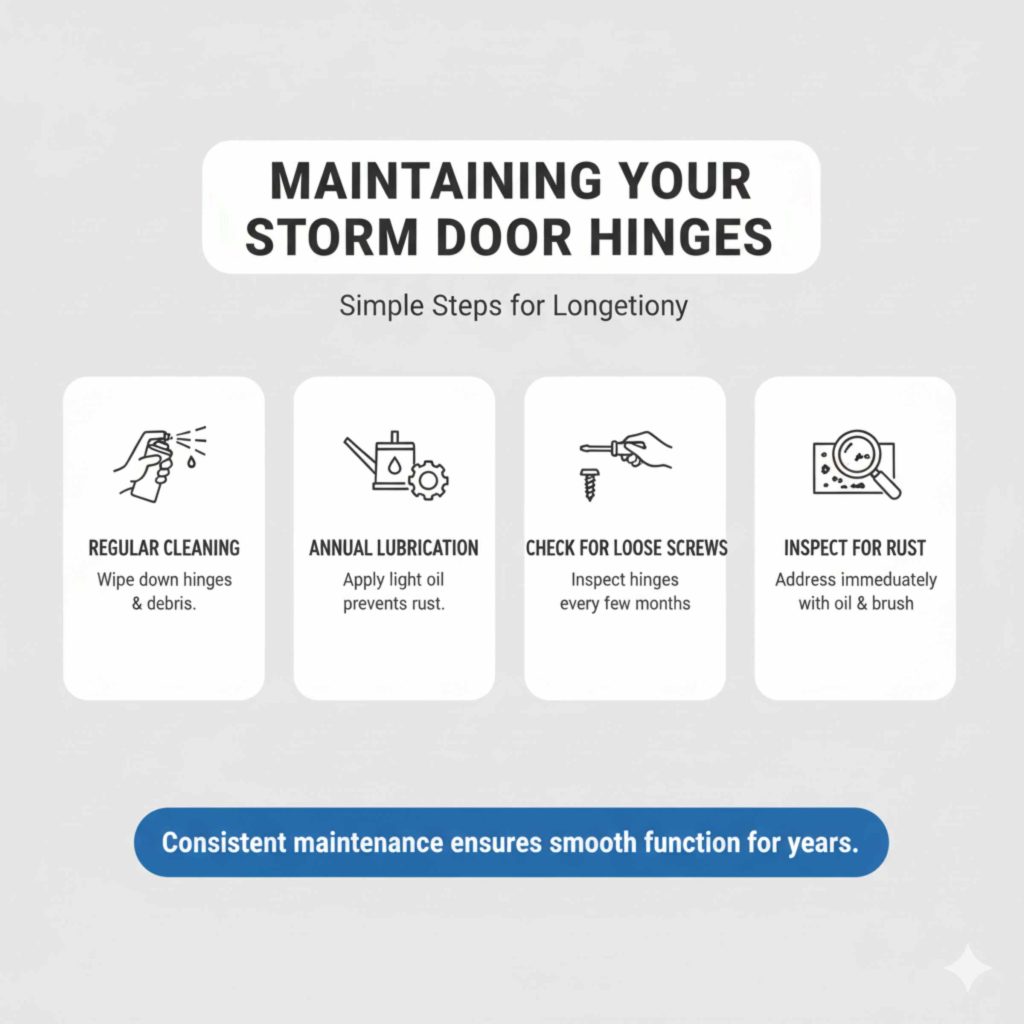
Maintaining Your Storm Door Hinges
A little regular maintenance can go a long way in preventing future problems and extending the life of your storm door hinges. Here are some simple tips:
- Regular Cleaning: Wipe down the hinges periodically with a damp cloth to remove dirt and debris.
- Annual Lubrication: Once a year, apply a light coat of lubricating oil to the hinge pins. This is especially important in humid climates or areas prone to rust.
- Check for Loose Screws: Make it a habit to check your hinges for loose screws every few months.
- Inspect for Rust: If you notice any rust developing, address it immediately with penetrating oil and a wire brush before it becomes a major issue.
By following these simple maintenance steps, you can ensure your storm door hinges continue to function smoothly for years to come, providing reliable protection and convenience.
Frequently Asked Questions (FAQ)
Q1: How often should I lubricate my storm door hinges?
It’s a good idea to lubricate your storm door hinges at least once a year. If you live in a humid or coastal area, or if you notice them starting to stiffen or squeak, you might want to do it more often, perhaps every 6 months.
Q2: Can I use any type of oil to lubricate my storm door hinges?
For initial rust and stiffness, a penetrating oil like WD-40 is great. For ongoing lubrication, a lighter oil like 3-in-1 oil, or even a silicone-based spray lubricant, is best. Avoid heavy greases, as they can attract dirt and grime.
Q3: My storm door hinge is very rusty. What’s the best way to clean it?
Start by spraying the rusty hinge liberally with a penetrating oil and let it soak for at least 15-30 minutes, or even longer for severe rust. Then, use a wire brush to gently scrub away the rust. Once clean, lubricate with a lighter oil. For very stubborn rust, you might need to remove the hinge pin entirely.
Q4: How do I know if I need to replace the whole hinge or just the pin?
If the hinge pin is bent, broken, or heavily rusted and won’t budge, replacing the pin is usually sufficient. However, if the hinge itself (the metal plates or knuckles) is bent, cracked, or severely corroded, it’s best to replace the entire hinge unit.
Q5: My storm door is sagging badly. What’s the first thing I should check?
The most common cause of a sagging storm door is loose hinge screws. Start by inspecting all the screws on each hinge and tightening any that are loose. If tightening them doesn’t fix the sag, you may have more significant issues like worn-out hinges or a problem with the door frame itself.
Q6: Is it safe to remove the hinge pin while the door is still on its frame?
Yes, it’s generally safe to remove a single hinge pin at a time, especially if you have another person helping to support the door or if you can prop the door up with a block of wood. Removing all pins at once without proper support could cause the door to fall.
Conclusion
Fixing a storm door hinge doesn’t have to be a daunting task. By understanding the common issues and following these simple, step-by-step guides, you can easily restore your storm door to its former smooth-gliding glory. Whether it’s a matter of tightening a few screws, lubricating a stiff joint, or replacing a worn-out pin, you now have the knowledge and confidence to tackle the job yourself. Remember to always prioritize safety, use the right tools, and perform regular maintenance to keep your storm door in top condition. Enjoy the peace of mind and functionality that comes with a well-working storm door!