Do Radiator Reflectors Really Work? Room-by-Room
Yes, radiator reflectors are worth buying mainly for radiators on cold external walls, especially older, wall-mounted units with a clear gap behind them. On insulated walls, the benefit is often too small to notice. Fit them badly, and you can trap heat where it is least useful or spend money on panels that add little. This guide shows where they help, when to skip them, and whether foil or purpose-made panels makes more sense.
When and where radiator reflectors make the most sense
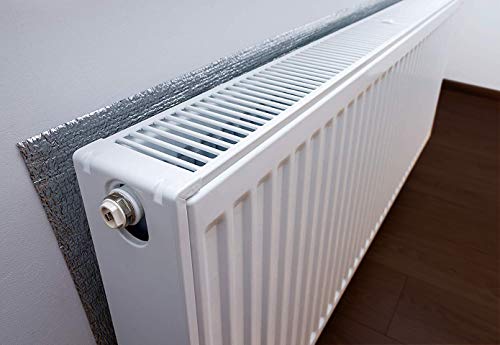

Yes, but only in the right place. A radiator reflector sits behind the radiator and sends some heat back into the room instead of letting it move into the wall. That matters most on cold, outside-facing walls.
The basic idea is simple: a thin aluminium-based reflective sheet cuts heat loss into the wall behind the radiator. That matters most when the radiator is warming an outside-facing wall, because that wall can pull heat away faster than an internal partition.
The gain is usually modest. If the wall is already well insulated, or the radiator is on an internal wall, there is less wasted heat to recover. In those cases, reflectors may still work in theory, but the savings are often too small to justify the effort.
Radiator reflector decision table
| Wall type | Radiator type | Expected benefit | Recommended option |
|---|---|---|---|
| Uninsulated external wall | Panel radiator | High | Purpose-made reflector panel |
| Uninsulated external wall | Steam radiators | High | Purpose-made reflector panel or DIY foil-and-cardboard reflector |
| External wall with cavity wall insulation | Panel radiator | Medium | Purpose-made reflector panel if clearance allows |
| External wall with cavity wall insulation | Hot-water radiators | Medium | Purpose-made reflector panel |
| Internal wall | Panel radiator | Low | Skip unless there is a specific heat-loss issue |
| Internal wall | Column radiators | Low | Usually skip |
| Solid brick or stone external wall | Any wall-mounted radiator | High | Purpose-made reflector panel |
| Internal wall in a modern insulated home | Any radiator | Very low | Do not prioritize |
| External wall? | Any radiator | Yes / No rule | Yes: buy first; No: usually skip |
| Coldest rooms first | Any radiator | Payback priority | Bedrooms, then living rooms, then other rooms with external-wall radiators |
Use a simple rule: external walls, yes; internal walls, usually no. If the radiator sits on a cold outside wall, the reflector has a real job to do. If it sits on an internal wall, the wall is not the main loss path, so the reflector is a low-value upgrade.
For prioritizing rooms, start with the coldest spaces first. Put front-of-queue attention on bedrooms, living rooms, and any room with a radiator on an outside wall. Put low-priority rooms at the back of the list if they already feel stable and the radiator is on an internal wall.
Which wall should get the reflector?
External walls should get the reflector first. That is the main use case because the wall can absorb heat that would be better used in the room. The colder and less insulated the wall, the more likely a reflector is to earn its keep.
Internal walls are usually a poor target in most homes. They separate heated spaces, so there is less heat loss to stop. A reflector may still fit there, but it is usually a lower-value choice unless you have a clearly colder zone or another loss issue nearby.
Cavity wall insulation changes the answer. If the wall already has good insulation, the reflector has less wasted heat to recover. That does not make it useless, but it moves it down the spending list after the obvious fixes.
Say your living room radiator sits on a solid brick outside wall and the wall behind it feels cold in winter. That is the kind of spot where a reflector is worth considering first. Put the same product behind a hallway radiator on an internal wall, and the payoff is usually much weaker.
Cold-room priority order
- Radiators on uninsulated external walls in the coldest rooms.
- Radiators on external walls with cavity wall insulation, if the room still loses heat quickly.
- Radiators on external walls in rooms used for long periods, such as living rooms and bedrooms.
- Radiators on internal walls only when there is a specific heat-loss issue or awkward layout.
Which radiator types benefit most?
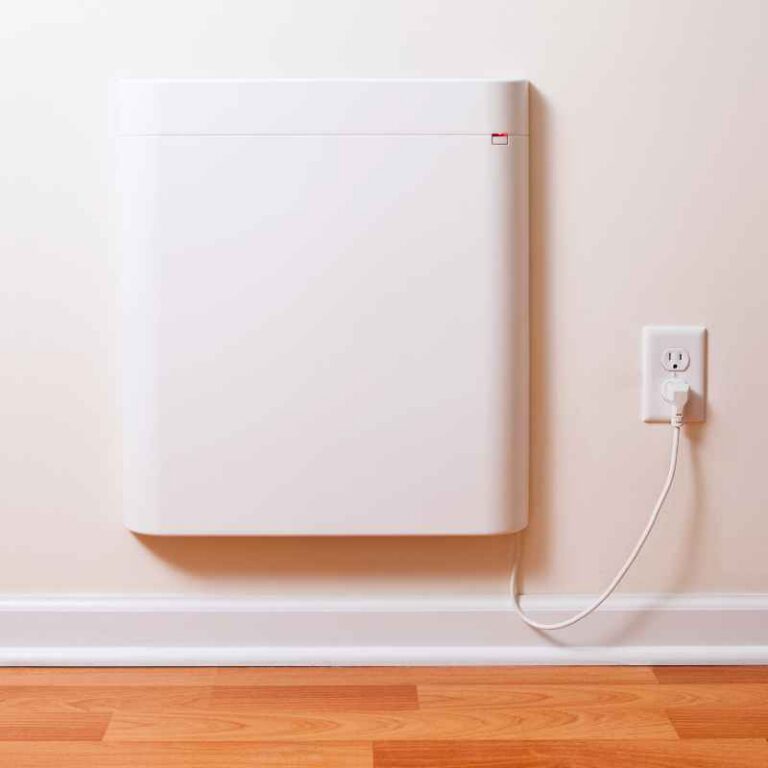
Panel radiators are often the type that benefits the most. They send heat toward the wall behind them, so a reflector can recover more of what would otherwise be lost. That makes them the best everyday candidate for reflector foil or a purpose-made panel.
Steam radiators and hot-water radiators can also benefit, especially on external walls. A steam radiator often runs hot, with a surface temperature typically around 215 F [U.S. Department of Energy], so there is plenty of heat moving into the surrounding space and the wall behind it. Hot-water radiators are often cooler, which can reduce their radiant output, but they can still gain from a reflector when the wall is cold.
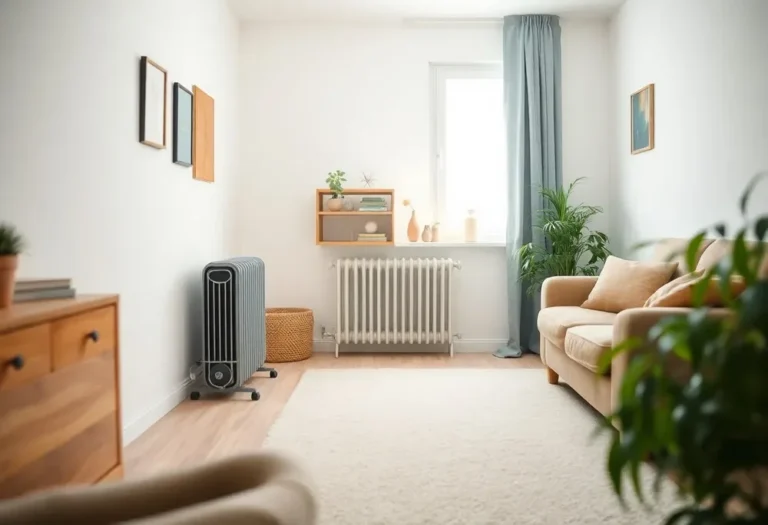
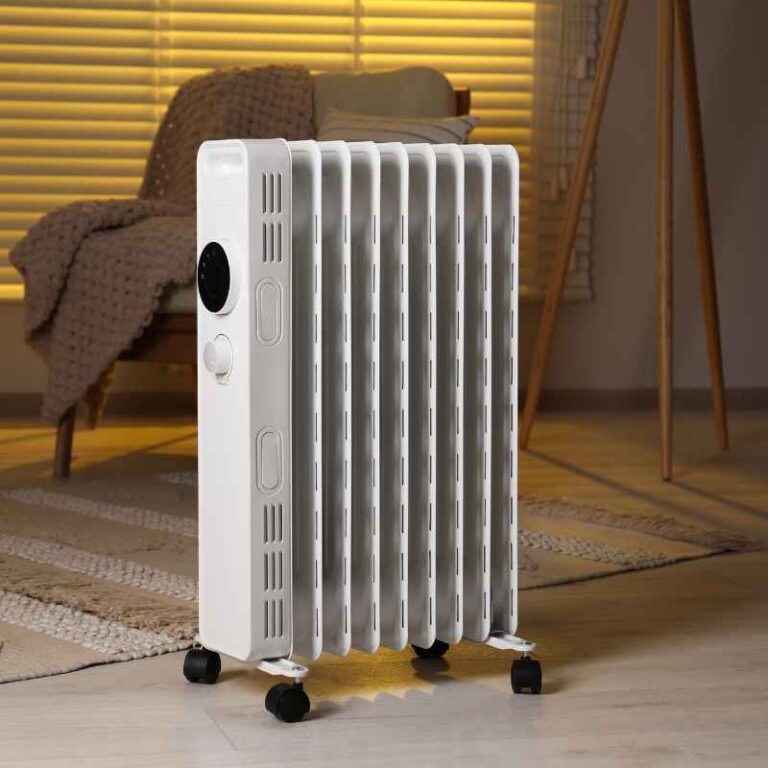
Column radiators are weaker candidates. A freestanding cast-iron radiator puts out about 60% of its heat by convection and 40% by radiation [Designing Buildings]. Because they throw heat in more directions, a rear reflector has less of the output to recover than it does with a flat panel radiator.
In plain terms, the more a radiator sends heat straight backward, the more useful a reflector is. The more it spreads heat around the room, the smaller the payoff behind it.
Foil or reflector panel?
DIY foil can work, but purpose-made reflector panels are usually the better choice. Kitchen-style foil reflects heat, yet it is flimsy, easier to wrinkle, and more awkward to keep flat behind a radiator. A proper panel keeps its shape better and is easier to fit neatly.
A simple DIY method is to tape or glue aluminum foil to cardboard and tack it behind the radiator. That is cheap and can be good enough for a trial, but it needs more care with dust, edges, and sagging. It also looks rougher where trim or pipework leaves the reflector partly visible.
Purpose-made radiator reflector panels are typically foil-faced and sometimes have an insulated backing. They tend to stay flatter, resist damage better, and look more finished. That matters if the radiator is in a visible room or if you want a cleaner install that will not need frequent touching up.
Use DIY foil-and-cardboard if you want the lowest-cost option and the radiator is hidden. Use a purpose-made panel if the radiator is visible, the wall is external, or you want something more durable with less fuss.
Fit, durability, and dust maintenance
- Fit: Purpose-made panels are easier to trim and keep flat.
- Durability: Cardboard-backed DIY versions can sag, tear, or curl.
- Dust maintenance: Loose foil and cardboard collect dust and are harder to wipe clean.
- Appearance: Purpose-made panels usually look neater at the edges.
How to install them well
Clearance behind the radiator matters. You need enough space to slide the reflector into place without blocking pipes, brackets, or airflow. If the gap is too tight, a thin panel is safer than a bulky one.
Keep the reflective face clean. Dust on the surface reduces the practical value and makes the install look neglected. If you choose a DIY board, expect to check it more often than a purpose-made panel.
Do not block airflow or access. The reflector should sit behind the radiator, not jammed against moving parts or wrapped around pipework. If you have a radiator cover, check that the reflector does not make the cover harder to remove or clean.
A common first-time mistake is fitting a reflector behind a radiator that already sits tightly against a skirting board, with no room for a flat panel. In that case, the install can end up crooked, visible, and hard to clean, which cuts into the small benefit the product can provide.
- Measure the gap behind the radiator before buying anything.
- Choose a thin panel if the space is tight.
- Place the reflector on the wall side of the radiator, not in front of it.
- Trim around brackets and pipework so the panel lies flat.
- Check that you can still clean dust from the area.
When reflectors are not worth it
They are low-value when furniture blocks the radiator. A sofa, heavy curtain, or large cabinet can stop warm air from circulating, which means the reflector is trying to save heat while the room still loses comfort elsewhere.
They are also weak choices with decorative radiator covers and awkward layouts. If a cover already traps airflow or makes access difficult, adding a reflector behind it can create more hassle than benefit. The same is true when the radiator sits in a cramped recess with poor clearance.
Homes with already strong insulation should treat reflectors as a secondary tweak, not a priority. If cavity wall insulation is in place and the wall already feels relatively stable, a reflector may save a little heat but not enough to outrank bigger jobs.
Suppose a bedroom radiator sits behind a deep curtain and the wall has been insulated already. In that setup, moving the curtain and freeing airflow will likely matter more than adding foil behind the radiator.
How much should you expect to save?
Use rough bands, not exact promises. In a low-cost setup, a single reflector panel may cost about £5 to £20; purpose-made panels are often in the £10 to £30 range, while better-finished or larger panels can sit higher. If the radiator is on an external wall and the room is hard to keep warm, the possible saving is more likely to justify the cost. A 2.9% gas-consumption reduction on a typical UK winter day was reported in the University of Salford research summarized by the Energy Saving Trust-style consumer coverage, but the real-world gain depends heavily on wall type, insulation, and radiator placement [University of Salford] [primary study PDF].
A simple payback rule: if the radiator is on a cold external wall and the room is used every day, the panel may be worth trying. If the wall is internal or already well insulated, treat it as a low-priority upgrade and expect only small savings, if any.
Radiator reflectors work checklist
- Worth it: external wall, cold room, visible heat loss behind the radiator, low-cost panel, enough clearance.
- Maybe: external wall with cavity insulation, or a room used daily but not especially cold.
- Skip: internal wall, modern insulated home, radiator blocked by furniture or a cover, or no good fit behind the radiator.
Frequently asked questions
Do radiator reflectors really work?
Yes, they can work by reducing heat loss into the wall behind the radiator and sending more heat back into the room. The effect is generally strongest on cold external walls, especially where insulation is weaker. On internal or well-insulated walls, the benefit is often small.
Does radiator reflector foil really work?
Yes, radiator reflector foil can work, especially when it is behind a radiator on an external wall. It is a thin reflective sheet, usually aluminium-based, that helps cut heat loss through the wall. It is less useful on internal walls and less effective than a well-fitted purpose-made panel.
Do radiator reflectors work on internal walls?
Usually only weakly. Internal walls lose less heat, so there is less for the reflector to recover. If you are choosing where to spend first, put the reflector on an external wall before you consider an internal one. Internal-wall installs are usually a low-priority option.
Will radiator reflectors help if my home is already insulated?
Sometimes, but the gains are usually smaller. If the wall already has cavity insulation or the room holds heat well, there is less wasted heat for the reflector to recover. In an already insulated home, reflectors are best treated as a finishing touch rather than a major energy-saving measure.
How much heat do radiator reflectors save?
Savings vary with wall type, radiator type, and insulation. The University of Salford study often cited in consumer guidance found a 2.9% gas-consumption reduction on a typical UK winter day and a 54% reduction in heat loss through external walls when reflective panels were used [primary study PDF]. Consumer summaries also translate that into around £18 a year in savings for some homes, but the result depends on room layout, wall type, and heating use [consumer summary].
Are kitchen foil DIY reflectors as good as purpose-made panels?
No. DIY foil-and-cardboard reflectors are cheap and can help in a pinch, but purpose-made radiator reflector panels usually fit better, stay flatter, and handle dust and wear more cleanly. A DIY version can be acceptable for a hidden radiator, but it is not the best long-term option.
Which radiator types benefit most from reflector foil?
Panel radiators usually benefit the most because they send more heat toward the wall behind them. Steam radiators and hot-water radiators can also benefit, especially on external walls. Column radiators are less effective targets because they emit heat more broadly, so the rear reflector has less to recover.
Sponsored / affiliate links. As an Amazon Associate I earn from qualifying purchases. I may earn additional commission from eligible campaigns.