Why Is My Metal Entry Door So Cold Inside?
A metal entry door feels cold inside because metal moves heat from warm indoor air to the colder outdoor side quickly; if the chill is mostly on the slab, that is normal, but a draft, condensation, or frost points to an air-sealing or insulation problem. Ignoring it can raise heating bills, make nearby floors and trim colder, and let moisture damage paint, seals, or the frame. This guide shows how to tell surface chill from air leakage or moisture, and what to fix first.
Why does a metal entry door feel so cold?


A metal or steel entry door can feel cold even when it is sealed because it moves heat away from your hand fast. Heat moves by conduction, convection, and radiation, and the metal skin, edges, frame, threshold, and hardware can all pull warmth from the room. That is thermal bridging, and it can make the surface feel colder than the air.
How metal moves heat faster than wood
Steel doors feel cold because they conduct heat and can make small air leaks feel worse. The slab itself may be insulated inside, but the outer skins, internal edges, and metal hardware still move heat well. That is why an insulated door can still feel cold, even when the lock and latch seem tight.
Modern glazed doors can use multiple panes, gas fills, and low-emissivity coatings, but the frame and perimeter still matter. A metal frame without a thermal break can conduct winter cold from outside to inside, and the interior frame can get nearly as cold as the exterior in winter.
What thermal bridging means at the slab, frame, and hardware
Thermal bridging is the mechanism behind the cold-door effect. It happens where conductive materials form a path from outside to inside, including the skins, edges, frame, threshold, and hardware. Those paths can make the door surface feel cold even if the slab is not leaking air.
That is why a door can feel chilly at the handle, latch, or bottom rail before you notice a draft. The slab, frame, and trim do not behave the same way, so the coldest spot is not always the leakiest spot.
Is it surface chill or an air leak?
A cold feeling alone does not prove a draft. Surface chill from conduction can make the door feel icy to the touch, while true air infiltration comes from perimeter gaps at the frame, threshold, and latch side. Cold walls nearby can also make the whole zone feel harsher than the thermometer says.
Signs of conduction without a draft
If the slab feels cold but the room air near the door stays still, you may be dealing with normal thermal bridging. The door can feel draft-like because your hand loses heat quickly to the metal surface, even when the door is sealed.
Look for a uniform cold surface rather than one edge that is clearly worse than the rest. A metal door in below-freezing weather may feel much colder than the surrounding wall even when no outside air is moving through it.
Signs of air infiltration at the perimeter
Drafts are usually more important than slab conduction. Air leaks at the frame, threshold, and latch side can dominate heat loss, especially if weatherstripping is worn, the bottom seal is weak, or caulk is missing. That points to common failure points at the perimeter.
- Run the hand test. Move your hand slowly around the perimeter on a windy or cold day. A moving stream of cold air at the latch side, top corner, or threshold points to infiltration rather than surface chill.
- Use the light test. Turn off the entry light and look for daylight around the edges. Visible light at a shut door often means a gap that can also pass air.
- Try the dollar-bill test. Close the bill in the door at several points along the weatherstrip. If it slides out with almost no resistance, the seal is weak in that spot.
How cold walls near the door can make the whole area feel colder
Sometimes the door is part of a broader winter home-performance problem. If the wall beside the frame is cold, the rough opening may be leaking or poorly insulated, and the junction between trim, caulk, and framing can matter as much as the slab. That is why the wall-to-frame edge deserves as much attention as the door face.
If a steel door feels cold only on the latch side, and the drywall next to the casing also feels chilly, that can point to a latch-side cold pattern. That pattern suggests the issue may be at the frame-to-wall junction, not only at the slab.
Cold metal door troubleshooting map

This map separates surface chill, air leakage, and moisture so you can trace the symptom to the right part of the door system. Start with the most obvious spot, then move outward to the frame, threshold, and wall joint.
| Symptom | Likely cause | Quick test | First fix |
|---|---|---|---|
| Cold slab only | Thermal bridging through the metal skin and edges | Touch the center and edges; no moving air at the perimeter | Add a better-insulated door or one with a thermal break |
| Cold floor near threshold | Bottom gap, worn sweep, or threshold not sealing | Hold a tissue at the bottom edge; look for movement | Adjust or replace the threshold and sweep |
| Visible light at edges | Gap from sag, poor fit, or worn weatherstripping | Look for daylight with lights off | Replace weatherstripping and check hinge alignment |
| Interior condensation | Warm humid indoor air meeting a cold surface | Check after cooking, showers, or other humidity spikes | Reduce indoor humidity and improve perimeter sealing |
| Frost on frame | Unprotected metal frame and strong thermal bridging | Inspect the frame before the slab after a hard freeze | Seal frame gaps and consider a thermal break frame |
| Sticking latch | Door sag, seasonal movement, or misaligned strike | Close slowly and watch where the latch drags | Adjust hinges or strike plate, then retest the seal |
| Draft at latch side | Compressed or worn weatherstripping at the latch edge | Run the hand test along the latch side | Replace the latch-side seal and verify compression |
| One-sided cold on a sidelight door | Cold transfer through glass edge, frame joint, or bad caulk | Compare the sidelight mullion with the slab and casing | Seal the mullion and frame joint, then inspect the glazing |
What usually causes a cold metal door?
Most cold-door complaints come from a few repeat failures: worn weatherstripping, a weak threshold seal, bottom-gap problems, poor rough opening fit, and frame or trim caulk failure. Glass inserts and sidelights can add more cold paths. A metal slab can feel cold by itself, but perimeter defects usually matter more.
Weatherstripping wear and latch-side gaps
Weatherstripping compresses and wears over time, and the latch side is a common failure point. If the seal is flattened, torn, or no longer touching the door evenly, air can slip through even when the door appears shut. That can create a cold stripe along the edge of the frame.
A common first-timer mistake is replacing only the bottom seal when the latch side is the weak point. Check the top of the frame and the latch edge first, because a small gap there can matter more than a worn-looking slab face.
Threshold, sweep, and bottom gap problems
The bottom gap is often one of the main leak points. A threshold that is too low, a sweep that is worn, or a door that has sagged can let cold air spill in under the slab. In winter, even a thin opening at the bottom can feel much worse than the same gap elsewhere.
If the floor right inside the door feels colder than the rest of the room, focus on the sweep and threshold before buying new trim or a new slab. Bottom seals are mechanical parts, so they often need adjustment or replacement.
Installation and rough opening problems
A cold door is not always a door problem; it can start at installation. An out-of-square frame can leave one side tighter and the other side loose, missing shims can let the jamb bow, low-expansion foam gaps can leave hidden air paths, and unsealed casing can let cold air reach the room. That combination can create one-sided cold, drafts, and sticking.
If the door sticks only in one season or one corner feels colder than the rest, check the frame-to-wall connection before replacing the slab. A door that is installed out of square can compress weatherstripping unevenly and make the latch side leak while the hinge side looks normal.
- Check the frame for square. Look for uneven reveals around the slab and any side that appears tighter than the others.
- Inspect the shims. Missing or poorly placed shims can let the jamb twist and reopen a gap after the door swings.
- Look at the foam line. Low-expansion foam gaps can leave cold channels behind the frame.
- Examine the casing edge. Unsealed trim can let air move from the rough opening into the room.
Glass inserts, sidelight joints, and frame thermal bridges
Doors with glass inserts or sidelights have more joints to inspect. Modern glazed doors can use multiple panes, gas fills, and low-emissivity coatings, but the frame edges and mullions still need sealing. If one side of the assembly feels much colder, the problem may be at the joint rather than the glass.
How do you stop cold air from the door?
Start with the seal path, not the slab. Inspect weatherstripping, adjust the threshold and sweep, and seal frame gaps and trim joints. If the door still leaks after those fixes, check alignment, latch pressure, and sag. A door that does not close squarely will keep losing air.
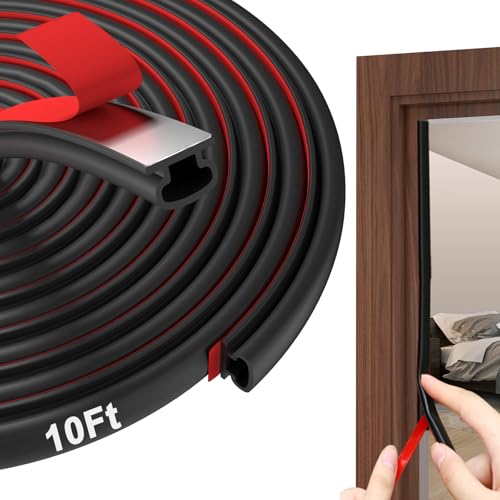
- Inspect the weatherstripping. Look for flattening, tears, gaps, and hard spots along the full frame, especially the latch side and head jamb. Replace worn sections with the correct profile so the door compresses the seal evenly.
- Adjust the threshold. Raise or lower the threshold until the bottom seal meets the sweep without dragging. The goal is firm contact, not a door that scrapes the floor or sticks open.
- Replace the sweep. If daylight or cold air shows at the bottom, install a new sweep sized for the door thickness. A worn sweep can leave a visible gap even when the threshold is fine.
- Seal frame gaps. Caulk trim joints and any visible gaps where the frame meets the rough opening. Focus on the perimeter, because a small leak there can pull cold air into the room and make the slab seem worse than it is.
- Check alignment and sag. If the latch misses or the door rubs, adjust hinges or the strike plate. Better alignment improves compression on the weatherstrip and can stop a gap from reopening after every swing.
Suppose a steel door closes, but a dollar bill slips out easily at the top latch corner while the bottom seal looks fine. That points to compression loss at the upper frame, not a failed sweep. Fix the top seal first, then check the bottom.
Why do condensation and frost form on metal?
Condensation forms when warm, humid indoor air meets a cold door surface. In below-freezing weather, that moisture can freeze on the inside face or on the frame, especially where the metal is exposed or where heat loss is stronger. Frost on the frame is a warning sign, not just a cosmetic issue.
Indoor humidity and below-freezing outdoor temperatures
Winter indoor air can still hold enough moisture to condense on a cold metal slab. Cooking, showers, drying clothes, and poor ventilation raise humidity, while a cold outside temperature lowers the door surface temperature. The combination makes water droplets more likely on metal than on warmer wall surfaces.
Why frost shows up on the frame, not only the slab
An unprotected metal frame can be nearly as cold as the exterior in winter, so frost may appear first along the jamb, head, or threshold rather than the center of the slab. That is a clue that thermal bridging or frame leakage is strong at the perimeter.
When frost points to a bigger envelope issue
If frost keeps returning, look beyond the door. Adjacent cold walls, a poorly insulated rough opening, or air leaks around the frame can make the whole entry zone colder. Ice near the door can also come from the roof edge or wall area above the opening if water is entering, freezing, and tracking down through the assembly.
That is why “why is ice going door to door” is often really a question about the wall, threshold, and roof edge as much as the door slab. A patch on the metal face alone will not fix ice that starts in the frame or above it.
Frequently asked questions
Why is my metal entry door so cold inside?
Metal feels cold because it moves heat away from your hand quickly, so it pulls warmth from your skin faster than wood or vinyl. That does not always mean the door is defective. If the slab is cold but the edges are sealed, the issue may be normal thermal bridging rather than an air leak.
Why do doors stick in the winter?
Doors stick in winter because materials shift with temperature and humidity. Wood parts can swell, metal parts can contract, and a sagging hinge can change how the latch meets the strike plate. A sticking door also often points to a seal that is too tight in one spot and too loose in another.
Why does metal feel cold?
Metal feels cold because it moves heat away from skin faster than low-conductivity materials. The object may be at room temperature, but your hand loses heat quickly to it. That is a sensation issue first, and it becomes an air-sealing issue only if you also find drafts, frost, or condensation.
Why are my internal walls cold?
Cold interior walls near the entry often mean the rough opening, frame joint, or adjacent cavity is losing heat. If the wall beside the door is colder than the rest of the room, check caulk, trim joints, and insulation at the wall-to-frame junction. The door may be only part of the problem.
How to keep cold air out under door
Start with the threshold and sweep. Make sure the sweep touches evenly across the bottom, then adjust the threshold so the seal closes the gap without dragging. If there is still visible light or a tissue moves at the bottom edge, the sweep or threshold may need replacement.
Why is ice going door to door?
Ice that appears around the entry often means moisture is moving into a cold part of the assembly and freezing there. That can happen at the frame, threshold, or wall joint, especially if caulk is missing or a thermal bridge is strong. Repeated ice points to a building-envelope issue, not only a door-slab issue.
Sponsored / affiliate links. As an Amazon Associate I earn from qualifying purchases. I may earn additional commission from eligible campaigns.