Do Insulated Garage Doors Keep a Garage Warmer?
Yes, an insulated garage door can make a garage warmer, but air sealing and whether the garage is attached to the house matter more. A well-sealed insulated door mainly cuts drafts and temperature swings. Ignore that, and you can keep paying for heat loss, cold floors above the garage, and greater ice-dam risk on the roof edge. This guide explains what insulation changes, what it does not, and when it is worth the cost.
How air leaks and weatherstripping limit insulation gains



Yes, but the gain depends on the whole door assembly, not the foam layer alone. Garage door insulation slows heat flow through the panel, so the garage loses heat more slowly in winter and picks up less heat in summer. If the door perimeter leaks air, the temperature benefit drops fast.
What insulation changes
Insulation helps slow conductive heat flow through the door panels. That is why insulated garage doors can keep a garage warmer in winter and cooler in summer. In practical terms, the door stays closer to the garage’s indoor temperature, especially when the rest of the garage envelope is also sealed.
That effect is strongest when the door itself is the weak point. If the walls, ceiling, or shared wall to the house leak air, the door may no longer be the main source of heat loss. In that case, insulation helps, but it is only part of the fix.
Why air leakage limits the result
Cold air infiltration can undo a lot of the benefit. Gaps at the top, sides, and bottom of the door let outdoor air replace the warmer air inside the garage. A thin, non-insulated perimeter can also leak even if the center panels have foam.
Weather stripping also matters here. It works alongside door insulation, and in many garages it does more to control comfort than adding a little more foam.
When the garage feels warmer versus when the house benefits more
If the garage is detached, the main result is comfort inside the garage itself. If the garage is attached, the bigger benefit is often reduced heat loss into adjacent living space. Rooms above the garage can feel less cold, and the shared wall may be less likely to pull heat away from the home.
How much warmer can the garage get?
The answer depends on the garage type and how well the door is sealed. Insulated garage doors can keep a garage up to 20 degrees warmer in winter. Bob Vila says insulation can keep a garage 10 to 12 degrees Fahrenheit warmer in winter. Those figures are possible, but they are not automatic.
Detached garage without heat
A detached unheated garage usually sees the smallest real-world payoff. The insulated door can slow heat loss, but if the garage is drafty or otherwise unsealed, the temperature rise may be modest. In that setup, the door often changes comfort more than it changes the indoor average temperature.
Attached garage with a sealed door
An attached garage can benefit more because the garage affects the energy use of conditioned parts of the home. A sealed insulated door can help the garage stay closer to the home’s temperature, which may reduce cold transfer into the rooms next to or above it. That is where the upgrade can matter most for winter comfort.
Garage with living space above
If a room sits above the garage, a warmer, less leaky garage can matter even when the garage itself is not heated. Reduced heat loss through the door and less air leakage can lower the cold spot effect at the floor above. For homes near ice dam problems, that can also help limit uneven roof-edge melting near the garage roof line.
Garage warmth decision table
| Garage type | Current sealing condition | Likely temperature gain | Worth it for ice-dam-adjacent homes? |
|---|---|---|---|
| Detached unheated garage | Leaky perimeter, gaps at jambs, weak bottom seal | Low to moderate; insulation helps, but drafts still dominate | Usually no, unless the garage sits under vulnerable roof edges |
| Detached workshop garage | Mostly sealed, door is thin or non-insulated | Moderate; more stable winter temperature and less temperature swing | Sometimes, if the garage roof edge or wall shares heat-sensitive areas |
| Attached garage | Well sealed and insulated elsewhere | Moderate to high; the house feels the benefit too | Yes, especially when rooms above or beside the garage are cold |
| Garage with living space above | Sealed door plus tight ceiling and side seals | Moderate to high; better comfort in the room above | Yes, because heat loss and roof-edge melting both matter |
What R-value should a garage door have?
R-value measures thermal resistance. Higher means better resistance to heat and cold transfer. For garage doors, that number helps compare products, but it does not tell the whole story. A high R-value on a leaky door will perform worse than a slightly lower-R door with good sealing.
What R-value measures
R-value is the label most manufacturers use to describe insulation performance. Unhinged lists garage-door R-values from 6.3 to 20.4, while My Garage Guys notes that wood doors can come in at an R-4 and a non-insulated door at R-0. Those numbers show the range, but installation details still matter.
Why thicker does not always mean better in practice
Thicker insulation usually raises R-value, but the real performance can fall if the insulation is compressed or damaged. That matters with batt insulation, which can lose effectiveness when packed too tightly. Moisture is another problem, because wet batt insulation performs worse than dry material.
So the right question is not only, “What is the R-value?” It is also, “How is the insulation held in place, and how well is the door sealed around it?”
Which insulation type works best?
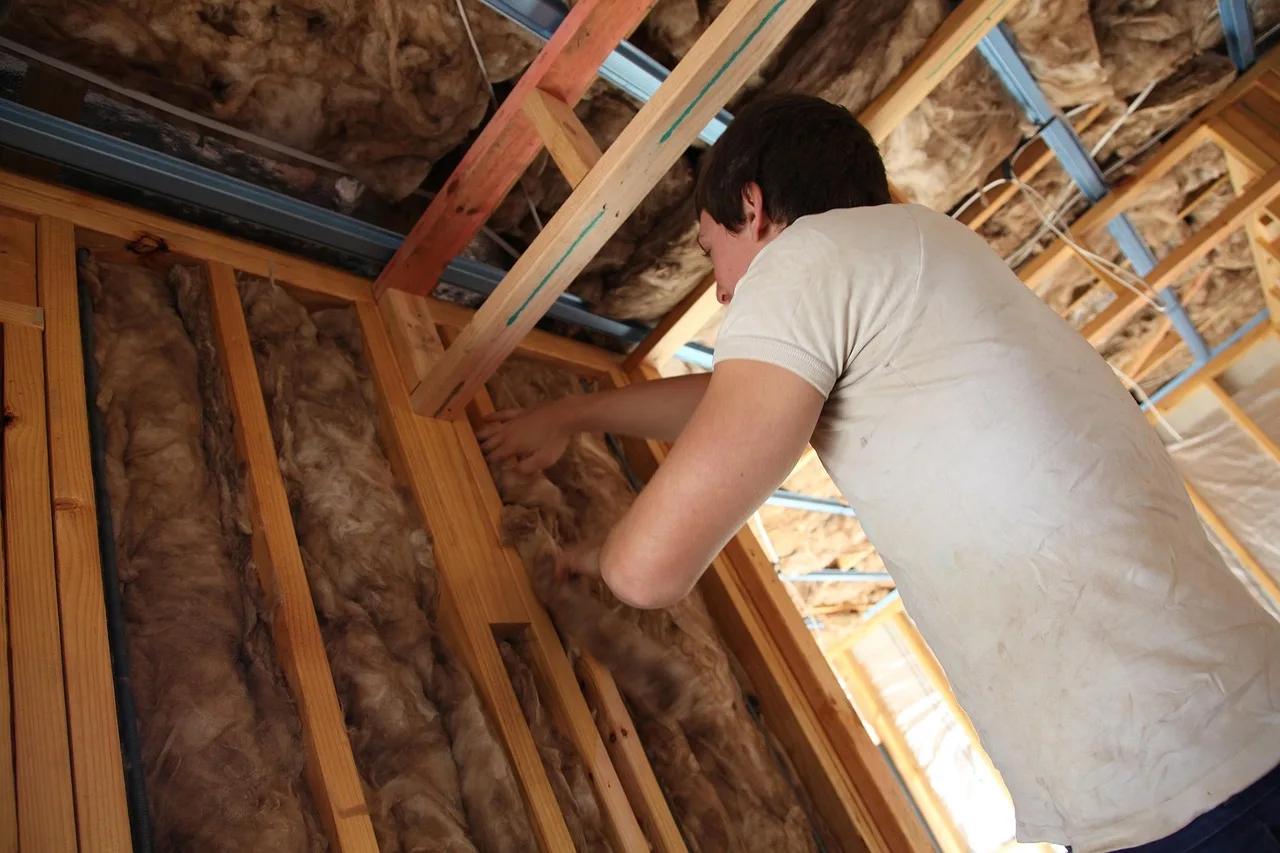
Polyurethane-insulated steel doors are often reported to have among the highest insulation values among common garage door constructions. Polystyrene doors also insulate, but they typically perform lower than polyurethane. For an existing door, a garage door insulation kit can be a practical retrofit, especially if the door is in decent shape and the goal is to cut heat loss rather than replace the entire assembly.
Polyurethane garage doors
Polyurethane insulation is injected between the skins of the door. That construction helps create a tighter, more uniform insulated panel, which is why it usually outperforms other common door types. It is a strong choice for attached garages where temperature retention matters more.
Polystyrene garage doors
Polystyrene insulation is made into panels and incorporated into the door. It improves performance over a non-insulated door, and it can be a sensible middle ground on price. But it usually does not insulate as well as polyurethane when the comparison is made door for door.
DIY kits for existing doors
The same source says garage door insulation can use foil-faced rigid foam boards or foil-faced batts, and insulation kits start around $50. That makes retrofits attractive when the door is otherwise sound. Just make sure the kit fits the door style and does not interfere with springs, rollers, or panel movement.
-
Measure the panel bays. Check the width, height, and depth of each section before buying a kit. A precise fit reduces gaps that can leak air and keeps the panels from rubbing against tracks or hardware.
-
Inspect the door condition. Look for rust, bent sections, cracked weather seal, and loose hardware. If the door is already failing, insulation may not hold well and a replacement can make more sense.
-
Seal the perimeter first. Replace worn bottom seals and side or top weather stripping before adding foam. This step often improves warmth more than adding a higher-R-value insert to a leaky door.
-
Install the insulation snugly. Cut panels to fit the recesses without compressing them too hard. Compression lowers performance, and loose material can sag or rattle when the door moves.
Do drafts and weather stripping matter more than insulation?
Often, yes. Door perimeter leaks can erase much of the temperature benefit from insulated panels. A warm garage with a leaky door still feels cold at the edges because moving air carries heat away faster than insulation can stop it. Weather stripping is the first thing to check on a cold, drafty garage.
Door perimeter leaks
Check the bottom seal, the side seals, and the top seal. If daylight shows through any edge, or if you can feel moving air near the jambs, the door is losing heat through infiltration. Fixing those gaps can sometimes affect the result more than adding foam to the panels.
Say your garage has a 16-foot door with new foam panels but a brittle bottom seal. The center of the door may feel less cold, yet the floor near the threshold still stays chilly because outside air keeps coming in. The insulation helped the panel, but the leak still controls the room.
When sealing changes the result more than adding foam
Sealing matters most in detached garages, workshops, and older attached garages with thin doors. In those cases, a tighter perimeter can create a noticeable comfort gain even before you upgrade the door itself. Add insulation after the leaks are controlled, not before.
Should you insulate or replace the door?
Retrofitting an existing door makes sense when the door is straight, the hardware works, and you mainly want less heat loss. Replacing the entire door makes more sense when the current door is thin, damaged, or poorly built for insulation. For attached garages, a replacement can deliver better fit and better sealing at the same time.
Retrofitting an existing door
A retrofit is usually the lower-cost option. It can work well on a door that already closes tightly and only lacks insulation. Kits starting around $50 make that path attractive for homeowners who want a practical upgrade without replacing the full assembly.
A common first-timer mistake is insulating a warped door and expecting the garage to feel much warmer. If the door does not close evenly, the perimeter still leaks, and the retrofit cannot recover the lost performance.
Replacing a thin non-insulated door
Replacement is worth considering when the door is non-insulated at R-0, badly worn, or already due for repair. A new insulated steel door can bring better insulation, better sealing, and often better durability in one job. That is useful when the current door lets in drafts from every edge.
When replacement makes more sense for attached garages
Choose replacement when the garage is attached, rooms above are cold, or the garage contributes to an ice-dam problem at the roof edge. A tight insulated door can reduce heat loss into the garage and help the home’s envelope behave more predictably. In that situation, the door upgrade has a broader effect than comfort alone.
Do insulated garage doors help with drafts and noise?
Yes, but these are different benefits. Insulation can cut drafts when it is paired with weather stripping and a tight door fit. It can also reduce noise. Unhinged claims insulated garage doors can reduce noise by 16 decibels, although actual results depend on the door construction, seals, and the type of noise outside.
Draft control and sound control are not the same
A door can be quiet and still leak air, or it can be well sealed and still transmit some sound. Foam helps with both, but perimeter seals decide a lot of the draft control. For noise, heavier door construction usually helps more than a thin door with a little added insulation.
How do insulated garage doors affect energy bills?
Energy savings are usually modest unless the garage is attached and the current door is leaky or uninsulated. The biggest savings come from reducing heat loss into conditioned spaces, not from making an unheated detached garage slightly warmer. In most homes, the bill change is a side benefit, not the main reason to upgrade.
Insulation can still be worth it if the garage is under a room, next to a kitchen, or part of a draft path into the house. In those cases, the door affects more than the garage temperature. It affects how hard the home’s heating system has to work.
Frequently asked questions
Do insulated garage doors keep a garage warmer?
Yes. They reduce heat transfer through the door panels, so the garage loses heat more slowly. The result is strongest when the door is also well sealed. If the garage leaks air around the perimeter, insulation alone will not produce much warmth.
How much warmer does an insulated garage door make a garage?
Published figures vary. Up to 20 degrees warmer in winter, while Bob Vila says 10 to 12 degrees Fahrenheit warmer. Those numbers are possible in favorable conditions, but a drafty garage or detached setup will usually see a smaller gain.
Is it worth insulating an attached garage door?
Often yes. Attached garages affect nearby living space, so reducing heat loss can improve comfort in adjacent rooms and rooms above the garage. The value rises when the door is old, thin, or leaky, and when the garage is part of an ice-dam concern.
Should I insulate my existing garage door or replace it?
Retrofitting makes sense when the door is sound and only needs better thermal performance. Replacement is smarter when the door is warped, damaged, or non-insulated at R-0. For attached garages, replacing an old door can improve fit, sealing, and insulation at the same time.
Sponsored / affiliate links. As an Amazon Associate I earn from qualifying purchases. I may earn additional commission from eligible campaigns.