Should You Lubricate Garage Door Springs and Rollers in Winter?
Yes. Lightly lubricate garage door springs, hinges, and roller bearings in winter, but skip the tracks and wipe off excess. Use lubricant to reduce squeaks, not to fix a bent, rusty, or failing part. Bad lubrication can thicken in cold weather, collect grit, and make a sticky door worse. This guide shows what to spray, what to clean, and how to tell dry hardware from a part that needs replacement.
Should you lubricate garage door springs and rollers in winter?

Yes, if the hardware is dry, lightly rusty, or squeaking at moving points. Winter can make steel parts noisier, and a thin coat can slow surface rust and reduce friction on the spring coils and roller bearings. It will not cure a bent spring, cracked roller, or ice packed into the track path.
Cold weather also changes what noise means. A door that was fine in fall can sound rough in winter because metal contracts, moisture freezes, or a weather seal drags against the floor. If the door feels heavy, travels unevenly, or stops short, lubrication is only one possible fix.
What winter lubrication helps
Use lubricant where parts move against each other: spring coils, roller bearings, hinge pivot points, and bearing plates. Garage door springs can benefit from a light coat of lubricant, and garage door rollers should get a small amount on the roller bearings. That thin layer can cut squeaks and help protect against surface rust.
When winter noise points to another problem
If the sound is grinding, the door jerks, or the rollers wobble, the issue may be wear rather than dryness. Cold can expose weak springs, damaged rollers, track misalignment, or ice around the bottom seal. Lubricant can quiet mild friction, but it will not repair missing bearing material or restore spring tension.
What you’ll need
- Garage-door-safe silicone spray or white lithium grease
- Clean microfiber cloths or shop towels
- Dry cloth or slightly damp cloth for track cleaning
- Step ladder, if the opener rail or spring area is out of reach
- Flashlight for checking roller condition and rust
- Gloves and eye protection
Garage door lubrication decision table
| Symptom | Likely cause | What to lubricate | What not to lubricate | When to stop DIY and call a technician |
|---|---|---|---|---|
| Squeak | Dry hinge pivots, spring coils, or roller bearings | Hinges, spring coils, and roller bearings with a thin coat | Tracks and weather seal contact points | If the squeak becomes a snap, bang, or metal-on-metal grind |
| Grinding | Worn roller bearings, cracked rollers, or track misalignment | Only the bearing area, if the roller is still sound | Tracks, rust flakes, and damaged rollers | If rollers look damaged or the door binds in one spot |
| Slow opening | Cold-thickened lubricant, weak springs, or opener strain | Roller bearings, hinges, and bearing plates lightly | Heavy grease on tracks or opener chain flood | If the door feels heavy by hand or will not stay balanced |
| Jerky travel | Dirty tracks, worn rollers, or ice intrusion | Moving joints only after cleaning | Track rails, bent sections, and cracked rollers | If the door jerks after the tracks are cleaned and hardware is lubricated |
| Visible rust | Moisture exposure on springs or hardware | Spring coils, hinges, and bearing plates with a light coat | Tracks and rusted parts that are flaking or deformed | If rust has pitting, flaking, or any spring distortion |
Which parts should you lubricate, and which should you leave alone?
Lubricate moving metal parts lightly, and leave the tracks mostly dry. The target is friction, not every visible surface. A garage-door-safe lubricant works on spring coils, roller bearings, hinges, and bearing plates. Tracks should be cleaned, not greased, because grease attracts dirt and can create more drag in winter.
Garage door springs
Use a light coat on torsion springs above the door or extension springs at the sides, but do not adjust tension yourself. The goal is surface rust prevention and quieter movement, not spring tuning. If a spring is bent, damaged, or badly rusted, replacement is the right fix.
Garage door rollers
The roller bearings are the lubrication target. Steel rollers usually benefit most, while nylon rollers may still have bearings that need a light touch. Plastic rollers often wear faster and may need replacement rather than lubrication if they are noisy, cracked, or flat-spotted. Worn or cracked rollers should be replaced, not dressed up with more spray.
Garage door tracks
Clean tracks instead of greasing them. Wipe them with a dry or slightly damp cloth, then remove dust, grit, and leaves from the path. A thin coat of grease in the track can trap debris and make winter sticking worse, especially when moisture turns that buildup into a paste-like buildup.
Garage door hinges
Lubricate hinge pivot points only. A drop or light spray on the moving joint is enough, followed by wiping excess off the face of the hinge. Do not coat the full hinge plate or nearby track surfaces.
Bearing plates and opener components
Bearing plates near the springs can take a light grease application. For the opener, check the owner’s manual before lubricating the rail or chain area, and avoid over-lubrication. The opener should not be used as a cure for a binding door, because excess load can shorten its life.
How to lubricate garage door parts in winter
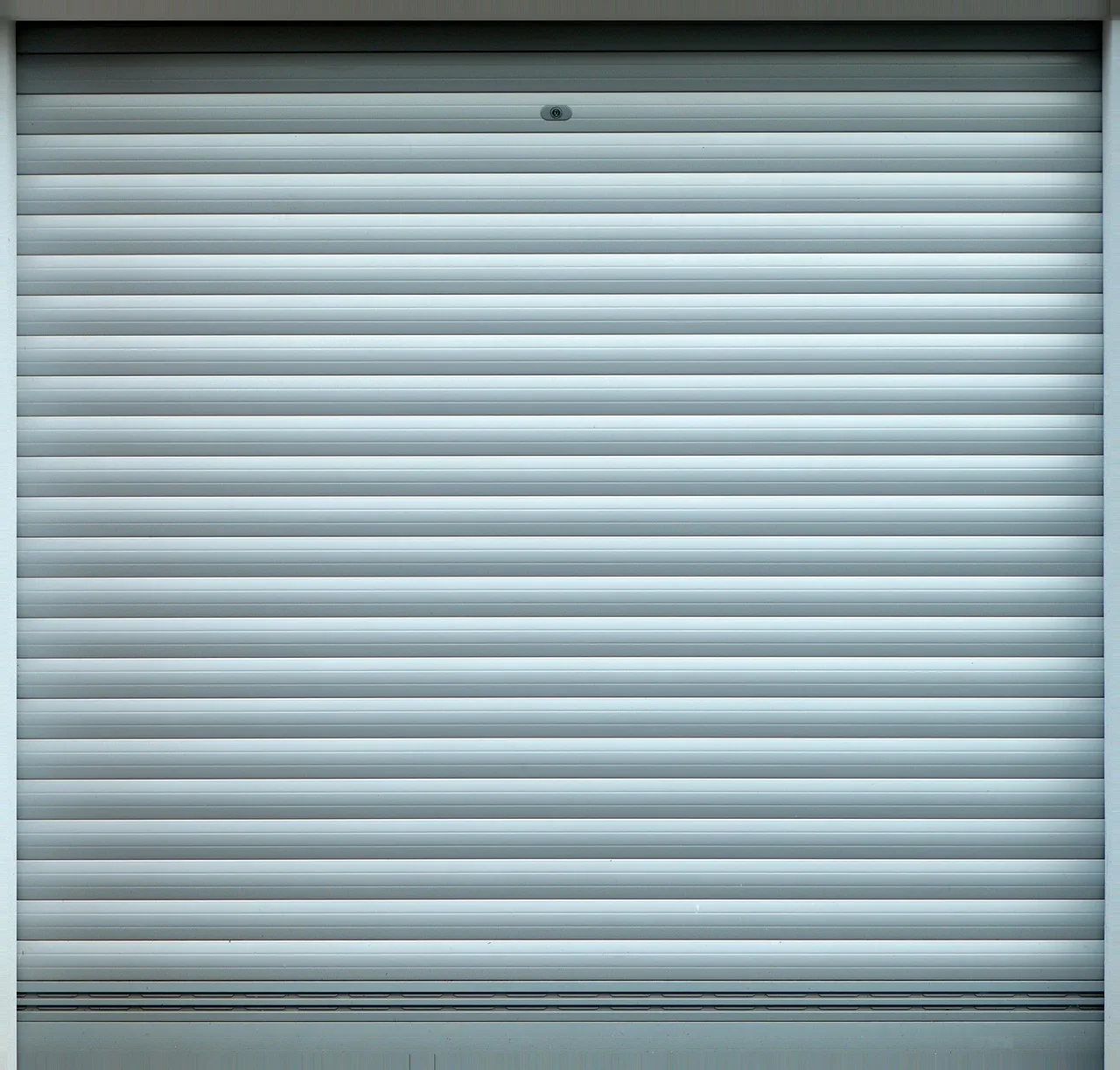
A thin application works better than a heavy one. Too much product can thicken in cold air, hold grit, and drip onto the floor or door panels. If you can see wet buildup after application, there is too much on the part.
- Close the door. Work with the door down so the spring system and moving parts are easier to inspect and less exposed to sudden movement.
- Clean the hardware first. Wipe spring coils, hinge joints, and roller stems with a dry cloth. If needed, use a slightly damp cloth on the tracks, then dry them.
- Spray the spring coils lightly. Use a garage-door-safe silicone spray or white lithium grease in a thin coat along the spring surface, then stop. You want a sheen, not a drip.
- Lubricate the rollers. Aim a small amount at the roller bearings only. If a roller is cracked, chipped, or wobbly, skip lubrication and schedule replacement.
- Hit the hinge pivots. Apply a short burst or one drop at each moving joint, then wipe off the visible excess so dust does not cling to it.
- Touch the bearing plates. Add a light coat where the plates spin near the springs, then leave the plate faces clean.
- Run the door twice. Open and close the door to spread the lubricant, then wipe away any fresh seepage from the hardware and floor.
Say your 16-foot door squeaks at the top hinge after a cold snap. A thin spray at the hinge pivots and roller bearings may quiet it. If the same door still shudders and a roller stays tilted in the track, that points to wear, not dryness.
Suppose a steel spring has a faint orange film but no bent shape. A light coat can slow surface rust. If the spring is bowed, gapped, or damaged, stop there and arrange replacement instead of trying to recover it with more lubricant.
Why is the door still noisy after lubrication?
If noise remains after a light coat, winter may have exposed a mechanical issue that lubricant cannot solve. Cold contraction can tighten a track gap, ice can bind the bottom edge, and worn rollers can grind even when wet with lubricant. A noisy door after treatment usually means the next step is inspection, not more spray.
Cold-weather causes that lubrication will not fix
Check for ice at the bottom seal, debris in the track, and a weather seal that drags on the floor. Also look for a door that sits unevenly, because that can make one side bind while the other side moves freely. If the noise changes with temperature, the problem may be seasonal fit rather than dryness.
When worn parts need replacement or service
Worn roller bearings, cracked rollers, damaged springs, and bent hardware need service. If the door feels heavy to lift by hand, stops partway, or makes a sharp bang, stop using lubricant as a workaround. A common rule of thumb is to lubricate springs and rollers every four to six months, but damaged parts should be repaired first.
Common mistakes to avoid
- Greasing the tracks. Tracks should usually be cleaned, not greased. Heavy lubricant collects dirt and can make winter sticking worse.
- Using too much product. A thin coat is enough. If lubricant drips or leaves visible beads, wipe it back.
- Spraying damaged rollers. If the rollers look damaged, schedule repair instead of using lubricant.
- Adjusting spring tension. Do not change spring tension yourself. Spring hardware stores dangerous energy.
- Using WD-40 as the main lubricant. Garage.com says WD-40 is not recommended as the primary product for this job.
- Leaving excess on moving parts. Wipe the surface after application so dust and grit do not stick to it.
Picture a nylon roller with a cracked outer ring on a cold morning. A spray on the bearing may reduce noise for a while, but the crack will keep spreading stress through the roller. That is a replacement job, not a lubrication job.
How often should I lubricate garage door parts?
Plan on every four to six months for springs, rollers, and hinges, with more frequent checks in wet or coastal climates. Bob Vila recommends lubricating moving parts about once every 6 months, and Garage.com recommends springs and rollers every four to six months. If winter weather brings repeated moisture or salt exposure, shorten the interval.
Frequently asked questions
What kind of lubricant should I use on garage door rollers and springs?
Use a garage-door-safe silicone spray or white lithium grease. Apply it sparingly to the roller bearings and spring coils, not the full track or door surface. A light application is enough to reduce friction without creating a sticky residue that catches dust.
Should garage door tracks be lubricated or cleaned only?
Cleaned only in most cases. Wipe the tracks with a dry or slightly damp cloth and keep them free of dirt and debris. Grease attracts grit, and that buildup can make the door bind more in winter.
Can WD-40 be used on garage door springs and rollers?
Not as the main lubricant. It may help loosen grime in a pinch, but Garage.com says WD-40 is not recommended for regular garage door lubrication. Use silicone spray or white lithium grease for the actual maintenance step.
Do nylon rollers need lubrication in winter?
Some do, especially if they have roller bearings that still move freely. Nylon itself does not need heavy lubrication, but the bearing area may benefit from a light touch. If the nylon roller is cracked, flattened, or noisy after cleaning, replacement is the better fix.
Is it safe to lubricate garage door springs myself?
Light lubrication is generally safe if you keep your hands clear of tension hardware and do not adjust the springs. Apply product only to the spring surface, not to any tension-setting parts. If a spring is bent, damaged, or hard to identify, call a technician rather than guessing.
Sponsored / affiliate links. As an Amazon Associate I earn from qualifying purchases. I may earn additional commission from eligible campaigns.