Is Rock Salt Bad for Concrete?
Rock salt is usually tolerated on mature, air-entrained concrete, but it is not “fine” in every case. The bigger risk is that salt keeps surfaces wetter, which increases freeze-thaw stress and can contribute to scaling, spalling, and chloride-related corrosion. Skip it on new slabs, weak finish layers, decorative surfaces, and anywhere drainage is poor.
This guide is part of our Ice Dams, Gutters and Snow: Protect Your Roof This Winter series.
Short answer for concrete


Rock salt is usually acceptable on older, sound exterior concrete that was made for freeze-thaw exposure and drains well. It becomes a much worse choice on new, porous, or poorly drained slabs because the salt can leave water on the surface longer and raise the chance of scaling, spalling, and reinforcement corrosion.
| Situation | Risk | Why | Safer alternative |
|---|---|---|---|
| New concrete under 12 months | High | Young concrete is still drying and curing, so it is more vulnerable to surface damage from repeated wetting and freezing. | Shovel early, use sand or other traction help, and avoid chloride deicers until the slab has matured. |
| Older air-entrained driveway | Lower | Air-entrained concrete has microscopic voids that improve freeze-thaw durability, so mature exterior slabs generally handle occasional salt better. | Use the least product needed and keep water moving off the slab. |
| Stamped/sealed concrete | Moderate to high | Decorative finishes, surface coatings, and weak top layers can wear faster and show scaling where meltwater lingers. | Limit deicer use, remove snow mechanically before deicing, and use a compatible sealer designed for decorative concrete. |
| Reinforced slab | Moderate | Chlorides can penetrate concrete and contribute to rebar or steel corrosion, which can crack the slab from within. | Keep applications light, protect the surface with a penetrating sealer, and manage runoff. |
| Poorly drained steps | High | Standing water and repeated freeze-thaw cycles make damage more likely, and salt can keep the surface wet longer. | Improve drainage, clear snow and slush promptly, and avoid chloride-heavy products when possible. |
Can I use rock salt here?
Use rock salt only when the concrete is mature, structurally sound, and able to shed water. If the slab is new, has a decorative finish, already shows scaling, or holds puddles, the safer answer is usually no. The decision is less about the brand of salt and more about the slab’s age, finish, and drainage.
New concrete under 12 months
Usually no. New concrete is still curing and drying, and it is more vulnerable to surface loss if deicing keeps it saturated and exposed to freeze-thaw cycling. Wait until the slab has matured and use non-salt traction help in the meantime.
Older air-entrained driveway
Usually yes, with restraint. Mature air-entrained concrete is designed to better handle outdoor freeze-thaw conditions, so occasional rock salt is less risky when the driveway drains well and the finish is sound. Even then, use the least amount that works.
Stamped or sealed concrete
Usually only with caution. Decorative and sealed surfaces can be more vulnerable because the top layer, texture, or coating may wear before the concrete below does. If water lingers on the surface, salt can accelerate visible damage.
Reinforced slab
Use caution. Reinforcement changes the risk because chloride exposure can eventually reach steel or rebar and contribute to corrosion. Keep water moving off the slab, and do not rely on salt as the main winter strategy.
Poorly drained steps
Usually no. Steps that trap meltwater are especially prone to freeze-thaw damage, and salt can prolong the wetting that drives that damage. Improve the drainage first and use traction-focused cleanup before adding deicer.
Why salt can damage concrete
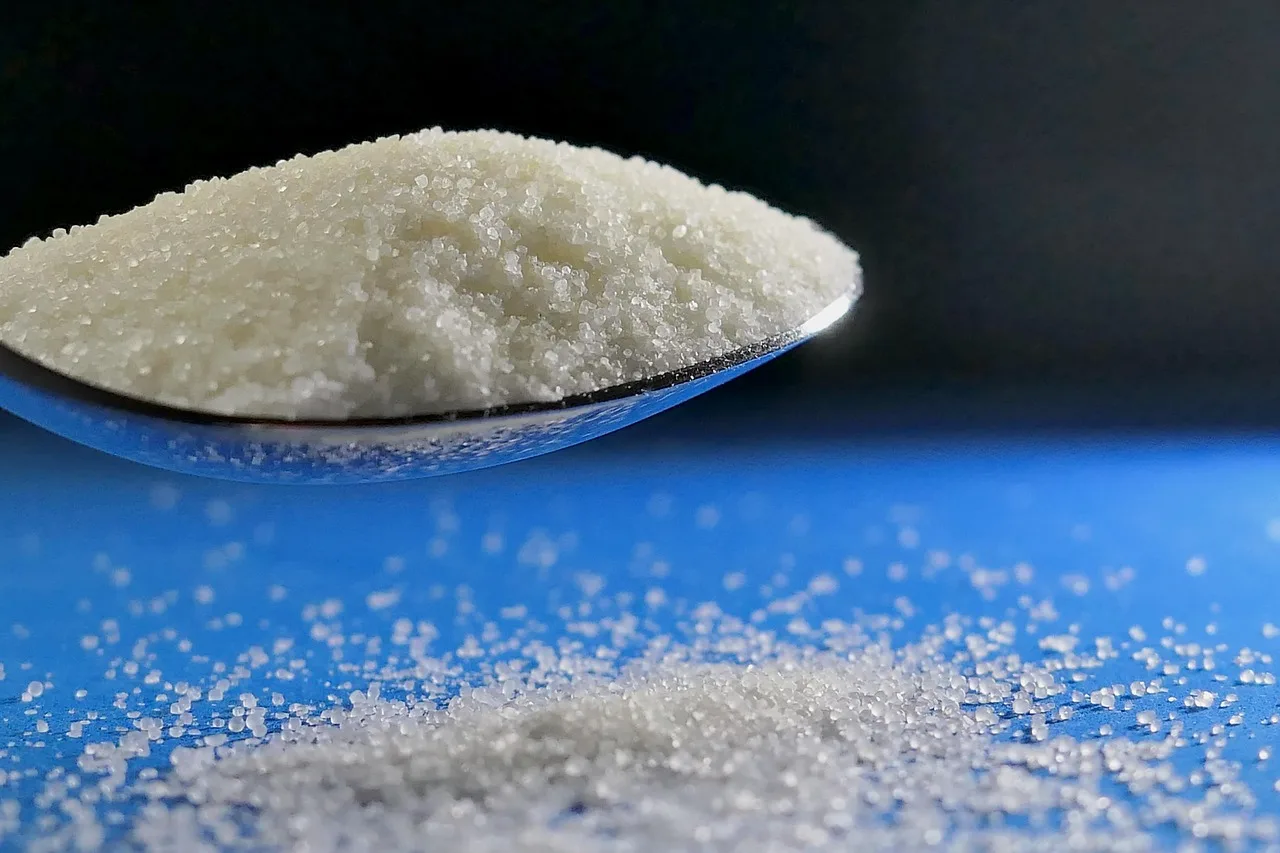
Rock salt, or sodium chloride, is not usually a direct chemical problem for sound concrete. The main issue is that it promotes saturation and repeated freeze-thaw cycling. Water expands when it freezes, so any moisture held in pores, joints, or low spots can stress the surface and weaken the top layer over time.
Freeze-thaw cycles and trapped water
When snowmelt or runoff is allowed to sit on a slab, the concrete absorbs moisture. If temperatures drop again, that trapped water freezes and expands, which can widen microcracks and loosen the paste near the surface. Salt can make this worse by keeping the surface wet longer and delaying complete drying.
Scaling, spalling, and surface loss
Scaling is the gradual loss of a thin surface layer, while spalling is a more noticeable flaking or chipping. Both are common freeze-thaw distress patterns on exposed concrete, especially when the slab is young, the finish is weak, or deicer solution repeatedly collects in the same places.
How chlorides reach rebar
On reinforced slabs, chlorides from deicers can move through pores and cracks toward steel. Once corrosion starts, the steel expands and can crack the surrounding concrete from within. That is why reinforced concrete needs better moisture control and more conservative deicer use than plain concrete.
Picture a garage apron that slopes poorly toward the door. Meltwater puddles at the same corner after every storm, then freezes again overnight. The problem is not just the salt. The repeating wetting, freezing, and thawing is what damages the slab, and the salt can keep that cycle going longer.
Is rock salt safe for a driveway?
Rock salt can be safe for a driveway if the slab is mature, air-entrained, and well drained. The risk rises quickly when the driveway is new, the finish is weak or decorative, or meltwater sits in wheel paths and low spots. Garage aprons need extra caution because they stay wet and get repeated traffic.
Driveway age and surface condition
Older driveways usually tolerate occasional deicing better than new pours. If you already see scaling, pop-outs, rough patches, or soft surface areas, the slab is more vulnerable. In that case, rock salt is more likely to worsen visible wear than to simply melt ice.
Garage aprons and high-traffic areas
Garage aprons see tire traffic, scraping, and meltwater from vehicles. That combination can concentrate salt in the same spots again and again. If the apron has poor drainage or a weak finish, reduce chloride use and rely more on shoveling and traction control.
How much deicer is too much?
There is no universal safe rate for every slab. Use only enough to break the bond between ice and concrete, not enough to leave a white crust behind. If loose crystals remain after melting starts, you likely used more than the surface needed.
For example, a 3-year-old broom-finished driveway that drains away from the garage is a very different case from a 3-month-old decorative apron with puddles at the edge. Age, finish, and drainage change the answer more than the product label does.
Is rock salt safe on new concrete?
Not usually. New concrete is still drying and curing, and its surface is more vulnerable during the first winter. That is when repeated wetting, freezing, and deicer exposure can do the most harm, especially if the slab has not yet developed full freeze-thaw durability.
Why the first winter matters most
New concrete is more porous and more sensitive to surface loss. If snowmelt or runoff gets into the slab and then freezes, salt can prolong wetness and increase the chance of scaling or flaking. A fresh pour is far less forgiving than a mature exterior slab.
What to do if salt was already used
If rock salt was already spread on a new pour, stop using it for the rest of the season if you can. Brush off loose crystals, remove slush, and keep water from pooling. Adding more salt does not correct the problem; it just keeps the surface wet longer.
When to wait before deicing
For a newly poured driveway or walk, the safest approach is usually to shovel early and use traction help rather than chloride deicers. If ice forms, use the lightest non-salt option that fits the slab condition, and wait until the concrete has matured before resuming chloride use.
Better deicer choices
Alternative deicers exist, but none are completely harmless on concrete. Some products melt at lower temperatures than sodium chloride, but they still need restraint on slabs that are new, decorative, poorly drained, or reinforced.
Calcium chloride compared with rock salt
Calcium chloride works at lower temperatures than rock salt, so it can perform better in colder weather. That advantage does not mean it is risk-free for concrete. It is a better cold-weather melter, not a license to overapply deicers on vulnerable slabs.
Magnesium chloride and corrosion risk
Magnesium chloride is another chloride-based deicer often compared with rock salt. It may be easier to handle in some situations, but chloride exposure still matters because chlorides can migrate toward steel or rebar and contribute to corrosion risk. It is not a free pass for reinforced concrete.
Why to avoid ammonium-based products
Do not use ammonium-based deicers on concrete. They are widely regarded as especially harmful to concrete surfaces and should be avoided. If a package does not clearly identify the chemistry, treat that as a warning sign and choose a product with a known, appropriate formulation only when the slab can handle it.
How to protect concrete in winter
Protection starts before the deicer comes out. Shovel first, because the less snow and slush sitting on the slab, the less product you need. Then match the deicer to the surface condition, the drainage, and the age of the concrete instead of using the same approach everywhere. For broader upkeep, see how to protect concrete with sealer.
Use a penetrating sealer
A penetrating sealer is usually the best winter-protection option because it helps reduce water and salt intrusion without leaving a brittle film on top. Film-forming coatings can behave differently under traffic and weather. Reapplication depends on exposure, so high-traffic or highly exposed slabs usually need attention sooner.
Fix drainage before next freeze
Drainage is often the hidden cause behind recurring slab damage. A practical target is a slope of about 1/4 inch per foot so water moves off the surface before it can freeze in place. If puddles keep forming, address grading, downspouts, or low spots before the next cold snap.
Keep deicer use targeted
Use salt only where traction is needed most, such as steps, landings, and the first few feet of a driveway. Clear the rest with a shovel or scraper. That approach lowers chloride exposure and leaves less residue behind to soak into the slab.
Frequently asked questions
Is rock salt bad for concrete?
Rock salt is usually not a problem for mature, sound, air-entrained concrete, but it can be bad for young, porous, decorative, or poorly drained slabs. The main risk is indirect: salt keeps surfaces wetter longer, which increases freeze-thaw stress and can lead to scaling, spalling, and flaking.
Is rock salt safe for concrete driveway?
It can be safe for a driveway if the slab is older, well made, and able to drain. If the driveway is new, decorative, or already flaking, use a lighter approach. Shoveling first and using less chloride is usually the better winter strategy for homeowners.
Is rock salt safe for new concrete?
No, not usually. New concrete is still curing, and the first winter is the highest-risk period for surface damage. Rock salt can increase wetness and make freeze-thaw damage more likely, so it is better to wait and use non-salt traction help instead.
Does rock salt damage concrete?
Yes, it can damage concrete, mainly by increasing freeze-thaw stress rather than by directly attacking sound material. Damage often shows up as scaling, spalling, or flaking. The risk is highest where water sits, the finish is weak, or the slab is still young.
Is Morton rock salt safe for concrete?
Morton rock salt is still sodium chloride, so the same rules apply. The brand name does not change the chemistry. On mature, air-entrained concrete it is usually tolerated, but on new, damaged, or poorly drained concrete it can add to surface loss and cracking risk.
Is rock salt bad for cement?
People often say cement when they mean concrete. On concrete surfaces, rock salt is not usually a direct chemical attack on good material, but it can be bad for weak or newly poured slabs. The real concern is freeze-thaw damage, surface scaling, and chloride exposure to steel.
Sponsored / affiliate links. As an Amazon Associate I earn from qualifying purchases. I may earn additional commission from eligible campaigns.